TR
TR EN
EN

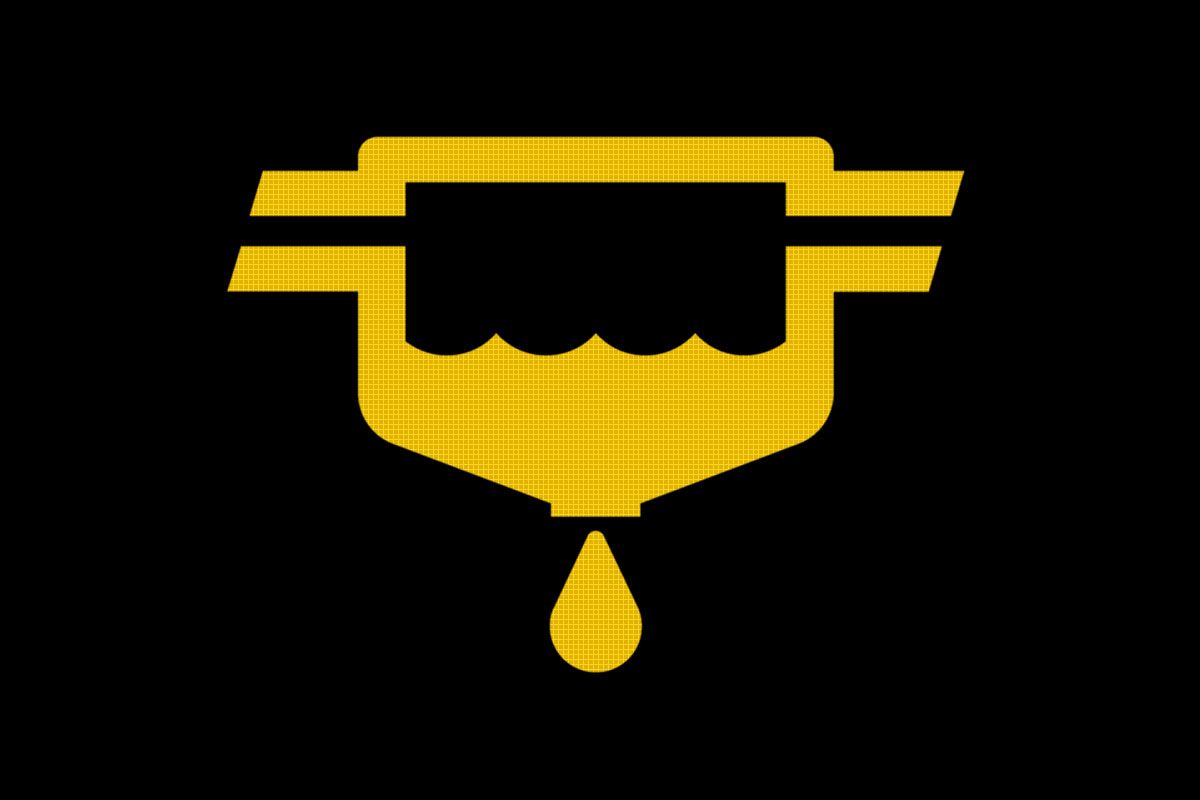
Why Does the Fuel Filter Warning Light Come On?
The fuel filter warning light is an important warning indicator, particularly on diesel vehicles. When this warning appears on the dashboard, many drivers assume that the fuel filter is completely clogged. However, that is not always the case.
Depending on the vehicle, the warning may indicate:
-
A clogged fuel filter
-
Water accumulated in the fuel filter
-
Low fuel pressure
-
Insufficient fuel flow
-
A faulty fuel filter water sensor
-
An electrical problem in the fuel system
-
A problem elsewhere in the fuel delivery system
For this reason, the warning should not automatically lead to replacing the fuel filter. The entire fuel system should be evaluated to determine the actual cause.
What Does the Fuel Filter Do?
The fuel filter removes contaminants from the fuel before the fuel reaches the engine.
Depending on the fuel system, the filter can trap:
-
Dirt
-
Dust
-
Rust particles
-
Sediment
-
Water
-
Other foreign particles
This is particularly important in modern diesel engines because common-rail fuel systems operate at extremely high pressures and contain precision components with very small tolerances.
The fuel filter helps protect components such as:
-
Fuel pump
-
High-pressure fuel pump
-
Fuel injectors
-
Common-rail system
-
Fuel pressure control components
-
Fuel lines and other sensitive components
As the filter collects contaminants, its ability to allow fuel to pass through can gradually decrease.
What Does the Fuel Filter Warning Light Mean?
The exact meaning of the fuel filter warning light varies between vehicle manufacturers.
On many diesel vehicles, the warning is particularly associated with water in the fuel filter.
Some vehicles have a water-in-fuel sensor installed in or near the bottom of the fuel filter housing. If water accumulates to a certain level, the sensor can trigger a warning on the instrument cluster.
Other vehicles may monitor fuel pressure and flow indirectly and can activate a warning when the fuel delivery system does not perform as expected.
Therefore, the warning should not simply be interpreted as "the fuel filter is clogged."
Why Does a Fuel Filter Become Clogged?
Fuel filters naturally become dirty over time because their job is to trap contaminants.
Common causes of fuel filter restriction include:
-
Contaminated fuel
-
Sediment inside the fuel tank
-
Rust particles
-
Dirt entering the fuel system
-
Poor-quality fuel
-
Exceeding the recommended filter replacement interval
-
Contamination from the fuel storage system
-
Wear or deterioration of other fuel-system components
As the filter accumulates material, fuel flow can gradually become restricted.
This is why fuel filters are considered maintenance components and should be replaced according to the vehicle manufacturer's recommended service schedule.
Can Water in the Fuel Filter Trigger the Warning?
Yes.
This is particularly important on diesel vehicles.
Water contamination can negatively affect the fuel system and may accumulate at the bottom of the fuel filter housing because water is denser than diesel fuel.
A vehicle may display messages such as:
-
Water in Fuel
-
Fuel Filter Water
-
Drain Fuel Filter
-
Fuel Filter Warning
The exact message depends on the manufacturer.
If the warning specifically indicates water in the fuel, the issue should not be treated as an ordinary filter restriction.
Why Is Water in Diesel Fuel Dangerous?
Water can be harmful to sensitive diesel fuel-system components.
It can contribute to:
-
Corrosion
-
Fuel pump wear
-
Injector damage
-
Rust inside fuel-system components
-
Fuel pressure problems
Modern high-pressure diesel systems are particularly sensitive to contamination.
If water reaches the high-pressure fuel pump or injectors, the resulting repair can be significantly more expensive than simply replacing a contaminated filter.
For this reason, a water-in-fuel warning should be addressed as soon as possible.
What Are the Symptoms of a Clogged Fuel Filter?
A severely restricted fuel filter can prevent the engine from receiving sufficient fuel.
Possible symptoms include:
Hard starting
The engine may take longer than normal to start, particularly after the vehicle has been parked for an extended period.
Poor acceleration
The engine may lack power when the driver demands more fuel.
Power loss at high engine speed
The vehicle may operate normally at low load but lose power at higher RPM because fuel demand increases.
Engine hesitation
The engine may hesitate when accelerating because fuel delivery cannot keep up with demand.
Rough running
Severe fuel starvation can cause unstable engine operation.
Engine stalling
If fuel flow becomes severely restricted, the engine may eventually stop.
Fuel pressure faults
On common-rail diesel engines, insufficient fuel supply can prevent the high-pressure system from reaching the expected pressure, potentially triggering diagnostic trouble codes.
Does the Fuel Filter Warning Light Also Appear on Gasoline Vehicles?
It depends on the vehicle.
Many modern gasoline vehicles do not have a dedicated fuel filter warning light.
In some designs, the fuel filter is integrated into the fuel pump module inside the fuel tank and is not treated as a regularly replaceable external filter.
Diesel vehicles are more likely to have a dedicated fuel filter and, in particular, a water-in-fuel warning system.
Therefore, the meaning of the symbol should always be interpreted according to the specific vehicle.
Is the Fuel Filter Warning the Same as the Check Engine Light?
No.
The fuel filter warning and the check engine light are different warning indicators.
However, a fuel-system problem can sometimes trigger both.
For example:
Restricted fuel flow → insufficient fuel supply → low fuel pressure → ECU detects abnormal pressure → diagnostic trouble code → check engine light
This means that the check engine light does not automatically prove that the fuel filter is clogged.
The underlying cause could also be the fuel pump, fuel pressure sensor, pressure regulator, wiring, or another component.
Can a Fuel Pump Problem Cause a Fuel Filter Warning?
Yes.
The fuel filter and fuel pump operate as parts of the same fuel delivery system.
If the fuel pump cannot provide sufficient fuel flow or pressure, the vehicle can develop symptoms that resemble a clogged filter.
Possible symptoms include:
-
Difficult starting
-
Poor acceleration
-
Low fuel pressure
-
Power loss
-
Engine hesitation
-
Engine stalling
-
Check engine light
-
Fuel-system diagnostic trouble codes
If the fuel filter has already been replaced but the problem remains, the fuel pump and fuel pressure system should also be investigated.
Why Does the Warning Remain After Replacing the Fuel Filter?
Sometimes the warning remains even after a new filter has been installed.
Possible reasons include:
Faulty water-in-fuel sensor
The sensor may incorrectly report that water is present.
Damaged sensor wiring
A damaged, corroded, or disconnected wire can create an incorrect signal.
Poor electrical connection
The sensor connector may have corrosion, moisture, or poor contact.
Water is still present
If contaminated fuel remains in the system, replacing the filter alone may not eliminate the source of the problem.
Stored diagnostic fault
Some vehicles may retain a fault code even after the original problem has been corrected.
Depending on the vehicle, the code may need to be cleared or the system may need to confirm normal operation before the warning disappears.
Can Air Enter the Fuel System During Filter Replacement?
Yes.
Air can enter the fuel system when a fuel filter is removed, particularly on diesel vehicles.
If the fuel system is not properly primed afterward, the engine may:
-
Take a long time to start
-
Fail to start
-
Run roughly
-
Experience low fuel pressure
-
Store fuel-system fault codes
Some vehicles use a manual priming pump, while others use an electric fuel pump and a specific priming procedure.
The correct procedure depends on the vehicle.
Can the Wrong Fuel Filter Cause a Warning?
Yes.
A replacement filter must meet the specifications of the vehicle's fuel system.
Important characteristics include:
-
Fuel flow capacity
-
Filtration efficiency
-
Seal design
-
Connection type
-
Water-separation capability
-
Pressure rating
A filter that physically fits the housing may still be unsuitable for the vehicle.
A poor-quality or incorrect filter can restrict fuel flow, leak, or fail to separate water effectively.
Why Can a Fuel Filter Problem Become Worse in Cold Weather?
Cold temperatures can change the behavior of diesel fuel.
Diesel fuel can become less fluid at low temperatures, and wax crystals can form as the temperature decreases.
If the fuel filter is already heavily contaminated or restricted, cold weather can make the problem much more noticeable.
Possible symptoms include:
-
Difficult cold starting
-
Extended cranking
-
Poor acceleration
-
Reduced engine power
-
Rough running
However, cold-weather fuel problems should not automatically be blamed on the fuel filter.
Fuel quality, fuel grade, the vehicle's fuel-heating system, battery condition, glow plug system, and other components may also contribute to cold-start problems.
Can Poor-Quality Fuel Cause a Fuel Filter Warning?
Yes.
Poor-quality or contaminated fuel can accelerate fuel filter contamination.
If a recently replaced filter becomes heavily contaminated again after a short period, the source of the contamination should be investigated.
The filter may contain excessive amounts of:
-
Dirt
-
Sediment
-
Rust
-
Water
-
Other foreign material
In such cases, simply installing another filter may not solve the underlying problem.
The fuel tank and fuel delivery system may also need inspection.
Can a Dirty Fuel Tank Cause Fuel Filter Problems?
Yes.
A fuel filter can become contaminated rapidly if the fuel tank contains significant amounts of sediment, rust, or other debris.
This can happen in older vehicles or after fuel contamination.
If a new fuel filter becomes restricted again unusually quickly, the fuel tank should be considered as a possible source.
Otherwise, the same contamination can continue entering the fuel system.
Can the Fuel Filter Warning Light Come On After Refueling?
It can, particularly if contaminated fuel has been introduced into the vehicle.
For example, if water or significant contamination is present in the fuel, the fuel filter may detect water or become restricted after refueling.
However, a warning that appears immediately after refueling does not automatically prove that the fuel station supplied contaminated fuel.
The fuel system, sensor, wiring, and existing condition of the filter should all be considered.
Can a Fuel Pressure Sensor Cause a Similar Warning?
Yes.
Modern fuel systems use pressure sensors to monitor fuel pressure.
If a pressure sensor provides an incorrect signal, the ECU may detect a fuel-system problem even though the filter itself is not clogged.
Possible causes include:
-
Faulty fuel pressure sensor
-
Damaged wiring
-
Poor connector contact
-
Low fuel pressure
-
Excessive fuel pressure
-
Fuel pressure regulator problems
-
Fuel pump problems
-
Restricted fuel flow
This is why replacing the fuel filter without performing a proper diagnosis may not resolve the warning.
Can You Drive With the Fuel Filter Warning Light On?
It depends on what caused the warning and how the vehicle behaves.
If the warning is simply a scheduled maintenance reminder, the situation may not be immediately dangerous.
However, driving should be avoided or minimized if the warning is accompanied by:
-
Significant power loss
-
Hard starting
-
Engine hesitation
-
Engine misfires or rough running
-
Low fuel pressure
-
Engine stalling
-
A water-in-fuel warning
A vehicle that is losing fuel pressure can potentially stall unexpectedly, which creates a safety risk.
A water-in-fuel warning should also be addressed promptly to prevent possible damage to expensive fuel-system components.
What Should Be Checked When the Fuel Filter Warning Appears?
A proper diagnosis should begin by determining exactly what the vehicle's warning message means.
The following components and conditions may then be checked:
-
Fuel filter condition
-
Filter replacement interval
-
Water inside the filter
-
Water-in-fuel sensor
-
Sensor connector
-
Sensor wiring
-
Fuel pressure
-
Fuel pump
-
Fuel pressure sensor
-
Fuel pressure regulator
-
Fuel lines
-
Fuel quality
-
Fuel tank contamination
-
Air entering the fuel system
-
Diagnostic trouble codes
The results should be evaluated together rather than assuming that the filter itself is the only possible problem.
Can an OBD Scanner Detect a Fuel Filter Problem?
An OBD scanner can provide useful information, especially on modern diesel vehicles.
The engine control unit monitors many aspects of the fuel system and may record diagnostic trouble codes related to:
-
Fuel pressure
-
Fuel pressure regulation
-
Fuel pressure sensors
-
Fuel delivery
-
Water-in-fuel detection
-
Fuel-system performance
-
Electrical faults
However, not every clogged fuel filter will generate a specific "fuel filter clogged" code.
A filter can become physically restricted without the ECU directly identifying the filter as the cause.
Therefore, OBD diagnostics should be combined with physical inspection and, when necessary, fuel pressure and flow measurements.
When Should the Fuel Filter Be Replaced?
The fuel filter should normally be replaced according to the vehicle manufacturer's recommended maintenance schedule.
The replacement interval can vary depending on:
-
Vehicle model
-
Engine type
-
Fuel-system design
-
Fuel quality
-
Driving conditions
-
Manufacturer specifications
There is no single mileage interval that applies to every vehicle.
Vehicles operating in severe conditions or using contaminated fuel may require additional attention.
Why Is Fuel Filter Maintenance Important on Diesel Engines?
Diesel fuel systems can be particularly sensitive to contamination because modern common-rail systems operate at extremely high pressure.
A restricted or contaminated filter can affect the entire fuel delivery process.
If fuel flow becomes insufficient, the engine may not receive the amount of fuel required under high load.
If water or abrasive contaminants reach sensitive components, expensive damage can occur.
Regular filter replacement is therefore an important part of diesel engine maintenance.
What Is the Difference Between a Clogged Filter and Water in the Filter?
These are two different problems.
A clogged fuel filter restricts the flow of fuel because dirt, sediment, or other contaminants have accumulated in the filter media.
Water in the fuel filter means that water has separated from the fuel and accumulated in the filter housing.
Both conditions can affect engine operation, but they require different diagnostic approaches.
A water warning should not automatically be treated as an ordinary filter replacement issue.
Why Should You Not Replace Parts Without Diagnosis?
A fuel filter warning does not identify one specific failed component.
For example, the same warning or similar symptoms can sometimes be caused by:
-
Fuel filter restriction
-
Water contamination
-
Fuel pump failure
-
Fuel pressure sensor failure
-
Fuel pressure regulator failure
-
Wiring problems
-
Sensor connector problems
-
Fuel tank contamination
Replacing parts based solely on the warning light can therefore lead to unnecessary repairs.
A proper diagnosis should identify whether the problem is related to fuel flow, fuel pressure, contamination, electrical signals, or the filter itself.
Final Thoughts
The fuel filter warning light is an important indicator, especially on diesel vehicles. It can indicate a restricted fuel filter, water inside the fuel filter, insufficient fuel delivery, a sensor problem, or another fuel-system fault.
One of the most important distinctions is between a clogged fuel filter and water in the fuel filter. These problems are not identical and should be diagnosed differently.
If the vehicle displays a water-in-fuel warning, develops significant power loss, becomes difficult to start, or begins stalling, the issue should be addressed promptly.
Most importantly, the fuel filter warning light does not automatically prove that the fuel filter itself is defective. The fuel filter, fuel pump, pressure sensors, pressure regulation system, wiring, fuel quality, and fuel tank condition may all need to be considered.
Correct diagnosis before replacing components can prevent unnecessary repairs and, more importantly, help protect expensive fuel-system components from further damage.