TR
TR EN
EN

What Causes High Idle Speed? Causes and Solutions
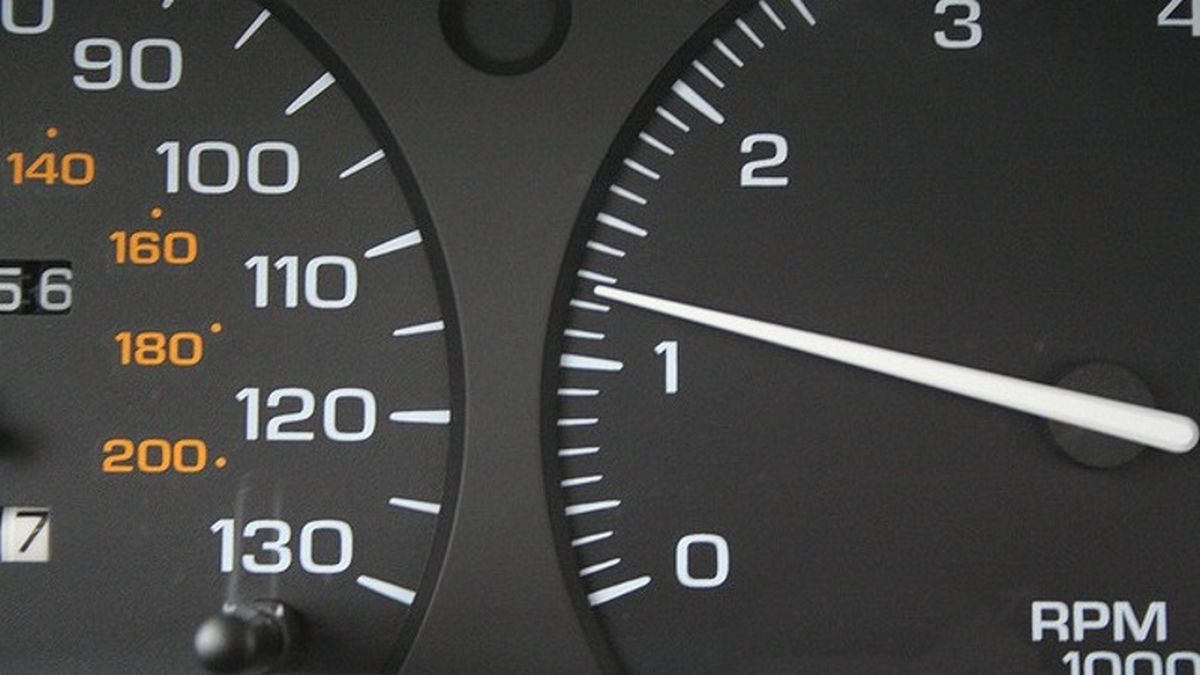
Idle speed is the engine speed when the vehicle is stationary and the accelerator pedal is not being pressed. For an engine to operate correctly, the idle speed must be maintained within a specific range.
When a fully warmed-up engine consistently idles at a higher speed than expected, it can indicate a problem with the engine's air intake, fuel system, sensors, throttle control, or electronic engine management system.
However, high idle speed is not always a sign of a fault. A higher idle immediately after a cold start, when the air conditioning is switched on, or when the electrical load increases can be completely normal.
The important question is whether the idle speed decreases to its normal level once the engine reaches operating temperature.
What Is a Normal Idle Speed?
There is no single idle speed that applies to every vehicle.
Depending on the engine design, fuel system, displacement, emissions strategy, and manufacturer calibration, a fully warmed-up passenger car may typically idle somewhere around 600–900 rpm.
Diesel engines may have a somewhat different idle speed.
A cold engine may intentionally idle at:
-
1,000 rpm
-
1,200 rpm
-
Or sometimes even higher
This can be part of the engine control strategy.
The ECU may temporarily increase idle speed to help warm up the engine and bring emissions-control components to their required operating temperature.
When Is High Idle Speed a Problem?
High idle speed becomes more suspicious when the engine is fully warmed up but the RPM remains significantly above its normal value.
For example, if an engine normally idles around 700–800 rpm but continues running at:
-
1,200 rpm
-
1,500 rpm
-
2,000 rpm
after reaching operating temperature, further diagnosis is necessary.
An idle speed that repeatedly rises and falls without accelerator input is also a sign that the engine control system should be investigated.
1. Vacuum Leak
One of the most common causes of high idle speed is a vacuum leak in the intake system.
If unmetered air enters the intake manifold, the amount of air actually entering the engine may differ from what the ECU expects.
Possible vacuum leak locations include:
-
Vacuum hoses
-
Intake manifold gasket
-
Throttle body gasket
-
PCV hoses
-
Brake booster vacuum hose
-
EVAP system connections
-
Cracked plastic intake pipes
A small vacuum leak can be particularly noticeable at idle.
Why Can a Vacuum Leak Increase Idle Speed?
When the throttle is closed or nearly closed, the engine should receive a controlled amount of air.
If additional air enters through an unintended opening, the engine may receive more air than expected.
The ECU may attempt to compensate by adjusting fuel delivery.
Depending on the engine design and the size of the leak, the vehicle may develop:
-
High idle speed
-
Unstable idle
-
Lean air-fuel mixture
-
Check engine light
-
Fuel-trim-related fault codes such as P0171 or P0174
2. Dirty Throttle Body
On gasoline engines equipped with an electronic throttle body, carbon deposits and oil residue can accumulate around the throttle plate over time.
This contamination can change the amount of air passing through the throttle body and affect idle control.
In some cases, the ECU may detect a difference between the expected airflow and actual airflow.
This can contribute to an unstable or elevated idle.
However, an important point should be remembered:
A high idle does not automatically mean that the throttle body is faulty.
The throttle body is only one possible cause.
3. Throttle Plate Not Closing Properly
If the throttle plate does not close as intended, excessive air can enter the engine.
Possible causes include:
-
Carbon deposits
-
Mechanical sticking
-
Damaged throttle mechanism
-
Electronic actuator problems
-
Incorrect installation
-
Mechanical wear inside the throttle body
Modern electronic throttle systems also monitor the commanded throttle position against the actual position.
If the two values do not correspond, the ECU may store a fault code.
4. Lost Throttle Body Adaptation
Modern vehicles can learn throttle position and airflow characteristics through an adaptation process.
After certain procedures, the learned values may need to be relearned.
This can occur after:
-
Battery disconnection
-
Throttle body cleaning
-
Throttle body replacement
-
Certain engine repairs
-
ECU-related procedures
If the adaptation is incorrect, the vehicle may experience:
-
High idle
-
Unstable idle
-
Engine stalling
-
Abnormal throttle response
Some vehicles therefore require a throttle relearn or throttle adaptation procedure after throttle body service.
5. Idle Air Control Valve Failure
Older electronic engine-management systems may use an Idle Air Control (IAC) valve to regulate the amount of air entering the engine while the throttle is closed.
If the IAC valve becomes stuck open, too much air can enter the engine.
The result can be an elevated idle speed.
However, many modern vehicles no longer use a separate IAC valve. Instead, idle airflow is controlled directly through the electronic throttle body.
6. PCV Valve Problems
The Positive Crankcase Ventilation (PCV) system routes crankcase gases back into the intake system in a controlled manner.
If the PCV valve becomes stuck open, excessive airflow can enter the intake system.
This may cause:
-
High idle
-
Unstable idle
-
Lean mixture
-
Increased oil consumption
-
Check engine light
A cracked or disconnected PCV hose can create a similar vacuum leak.
7. EVAP Purge Valve Problem
The Evaporative Emission Control (EVAP) system prevents fuel vapors from escaping into the atmosphere.
One of its important components is the purge valve.
The ECU controls the purge valve according to operating conditions.
If the purge valve becomes stuck open, unexpected airflow and fuel vapor can enter the intake manifold.
This can disturb idle speed and engine operation.
Some vehicles may also store EVAP-related fault codes.
8. Engine Coolant Temperature Sensor Failure
The ECU needs accurate information about engine temperature.
The engine coolant temperature sensor tells the ECU how warm or cold the engine is.
If the sensor incorrectly reports that the engine is still cold, the ECU may continue using a cold-start strategy.
This can result in:
-
Higher idle speed
-
Different fuel delivery
-
Extended warm-up strategy
If the engine is fully warm but the ECU still sees an unusually low coolant temperature, the temperature sensor and its wiring should be investigated.
9. MAF Sensor Problems
The Mass Air Flow (MAF) sensor measures the amount of air entering the engine.
If the sensor becomes contaminated, fails, or develops an electrical problem, the ECU may receive incorrect airflow information.
Possible symptoms include:
-
High idle
-
Unstable idle
-
Poor acceleration
-
Increased fuel consumption
-
Check engine light
The MAF sensor should not automatically be replaced simply because the engine has a high idle.
Its readings should be compared with expected values and other engine data.
10. MAP Sensor Problems
The Manifold Absolute Pressure (MAP) sensor measures intake manifold pressure.
The ECU can use this information to calculate engine load and control fuel delivery and other engine functions.
An incorrect MAP signal can affect engine control, particularly under idle conditions where intake vacuum is important.
The following should be checked:
-
MAP sensor
-
Sensor wiring
-
Electrical connector
-
Vacuum passages, where applicable
-
Intake system
11. Accelerator Pedal Sensor Problem
Vehicles with electronic accelerator pedals use one or more position sensors inside the pedal assembly.
The ECU monitors these signals to determine driver demand.
If the ECU incorrectly detects that the accelerator pedal is partially pressed even when the pedal is released, throttle control can be affected.
This may result in an elevated idle.
The pedal should also be checked for simple mechanical problems, such as obstruction by a floor mat.
12. Brake Booster Vacuum Leak
The brake booster uses vacuum assistance to reduce the effort required to press the brake pedal.
A leak in the brake booster or its vacuum hose can allow unwanted air into the intake system.
Possible symptoms include:
-
High idle
-
Unstable idle
-
Hard brake pedal
-
Change in engine speed when the brake pedal is pressed
If the idle problem occurs together with an abnormal brake pedal feel, the brake booster vacuum system should be inspected.
13. Air Conditioning and Electrical Loads
Not every increase in idle speed is a fault.
When the air conditioning compressor engages, it places an additional load on the engine.
The ECU may temporarily increase idle speed to compensate for this load.
Other systems can also increase engine load, including:
-
Headlights
-
Heated rear window
-
Cooling fan
-
Electrical accessories
-
Alternator load
-
Steering system load
A temporary increase in RPM when a significant load is applied can therefore be completely normal.
14. DPF Regeneration
On diesel vehicles, Diesel Particulate Filter (DPF) regeneration is another important reason for temporarily increased idle speed.
The DPF collects soot from the exhaust.
To remove accumulated soot, the exhaust temperature may need to be increased during regeneration.
The ECU can modify several operating parameters during this process, including:
-
Fuel injection
-
Idle speed
-
Exhaust temperature
-
EGR operation
-
Engine load
As a result, a diesel engine may temporarily idle at a higher RPM during an active regeneration cycle.
15. Cold Engine Operation
A high idle immediately after starting a cold engine is often normal.
The ECU evaluates parameters such as:
-
Coolant temperature
-
Outside temperature
-
Engine load
-
Emissions requirements
It can then increase idle speed during the warm-up period.
This helps:
-
Warm the engine more quickly
-
Stabilize combustion
-
Bring the catalytic converter to operating temperature
-
Reduce emissions
As the engine warms up, idle speed should normally decrease.
16. Oxygen Sensor and Fuel Mixture Problems
Oxygen sensors provide information about oxygen content in the exhaust gases.
Incorrect sensor information can affect fuel-trim calculations and air-fuel mixture control.
However, a high idle should not automatically be blamed on the oxygen sensor.
A vacuum leak, fuel-system problem, exhaust leak, or another issue may be responsible for the abnormal sensor readings.
The complete system should be evaluated before replacing the sensor.
17. Fuel Pressure Problems
Incorrect fuel pressure can affect engine operation.
Possible causes include:
-
Fuel pressure regulator
-
Fuel pump
-
Fuel pressure sensor
-
Fuel injector problem
-
Fuel-system electrical fault
Fuel pressure problems do not always cause high idle by themselves.
They can also cause:
-
Hard starting
-
Misfires
-
Poor acceleration
-
Loss of power
-
Increased fuel consumption
Actual fuel pressure should therefore be compared with the manufacturer's specified value.
18. Fuel Injector Problems
A defective injector can affect idle quality and combustion.
An injector may deliver:
-
Too much fuel
-
Too little fuel
-
Fuel at the wrong time
Depending on the type of failure, the engine may experience:
-
Rough idle
-
Vibration
-
Misfire
-
Increased fuel consumption
-
Excessive smoke
-
Poor performance
However, a high idle by itself is not enough evidence to conclude that the injectors are faulty.
19. ECU Software or Adaptation Problems
The engine control unit continuously adjusts idle speed.
Software problems, incorrect learned values, or adaptation issues can sometimes affect idle behavior.
This can become noticeable after:
-
Battery replacement
-
Throttle body replacement
-
Engine repairs
-
ECU programming
-
Software updates
In such cases, the manufacturer-specific adaptation or relearning procedure may be required.
How Is High Idle Speed Diagnosed?
The correct approach is to understand how the engine is controlling idle before replacing any parts.
First, determine whether the engine has actually reached operating temperature.
Then check parameters such as:
-
Engine RPM
-
Coolant temperature
-
Throttle position
-
Accelerator pedal position
-
MAF reading
-
MAP reading
-
Fuel trims
-
Fuel pressure
-
Oxygen sensor data
-
PCV operation
-
EVAP purge command
-
Intake leaks
-
Battery voltage
-
Charging voltage
This information can help distinguish between an air leak, sensor problem, throttle-control issue, or another cause.
Diagnosing High Idle With an OBD Scanner
An OBD diagnostic scanner can be extremely useful on modern vehicles.
Depending on the vehicle, the scanner may provide access to:
-
Stored fault codes
-
Pending fault codes
-
Live sensor data
-
Fuel trims
-
Throttle position
-
Engine temperature
-
MAF values
-
MAP values
-
Fuel pressure
For example, if the coolant temperature sensor reports an unrealistically low temperature after the engine has been running for a long time, the high idle may be related to incorrect temperature information.
Similarly, if the commanded throttle position and actual throttle position do not correspond, the throttle-control system should be investigated.
How Do You Find a Vacuum Leak?
Some vacuum leaks can be found through a simple visual inspection, but small leaks are often difficult to locate.
Inspect:
-
Vacuum hoses
-
Intake pipes
-
PCV connections
-
Intake manifold
-
Throttle body connections
-
EVAP connections
For more difficult cases, a smoke test can be extremely useful.
A smoke test introduces smoke into the appropriate intake system so that escaping smoke can reveal leaks that are not visible during a normal inspection.
Does High Idle Increase Fuel Consumption?
Yes.
If an engine continuously operates at a higher RPM than necessary, fuel consumption can increase.
For example, an engine that should idle around 700 rpm but continuously operates around 1,500 rpm may consume more fuel.
The exact increase depends on the engine and the reason for the high idle.
If the high idle is caused by another underlying problem, such as a vacuum leak or incorrect fuel control, fuel consumption may also change because the engine is operating outside its intended conditions.
Can High Idle Damage the Engine?
A temporary increase in idle speed is usually not harmful.
Cold-start high idle and DPF regeneration are examples of situations where elevated RPM can be intentional.
However, an engine that continuously idles much higher than intended should not be ignored.
Prolonged high idle can:
-
Increase fuel consumption
-
Increase emissions
-
Affect engine operating temperature
-
Change the operating conditions of certain components
-
Allow an underlying fault to become worse
The cause should therefore be investigated if the condition persists.
Should You Replace Parts Because of High Idle?
Not immediately.
High idle speed is a symptom, not a diagnosis.
For example, seeing 1,500 rpm at idle does not automatically mean:
"The throttle body is faulty."
The same symptom can be caused by:
-
Vacuum leak
-
PCV problem
-
EVAP purge valve
-
Throttle body
-
IAC valve
-
MAF sensor
-
MAP sensor
-
Coolant temperature sensor
-
Accelerator pedal sensor
-
Electrical loads
-
DPF regeneration
-
ECU adaptation
This is why replacing parts based only on the symptom can result in unnecessary expense.
How Is High Idle Speed Fixed?
The correct repair depends entirely on the actual cause.
If there is a vacuum leak:
The damaged hose, gasket, pipe, or connection must be repaired or replaced.
If the throttle body is dirty:
It can be cleaned according to the manufacturer's recommended procedure. Throttle adaptation may then be required.
If the electronic throttle actuator has failed:
The actuator and its electrical circuit should be tested before replacement.
If the PCV system is faulty:
The PCV valve and associated hoses should be inspected and replaced where necessary.
If the EVAP purge valve is stuck open:
The valve and its control circuit should be tested.
If a sensor is providing incorrect information:
Its power supply, ground, signal, wiring, and actual readings should be checked before replacing it.
If DPF regeneration is taking place:
The regeneration should be allowed to complete under appropriate conditions, provided there are no other faults preventing it.
Final Thoughts
High idle speed does not automatically mean that a particular component has failed.
A high idle immediately after a cold start can be completely normal. The same applies to a temporary increase caused by air conditioning, electrical loads, or DPF regeneration on a diesel vehicle.
However, if the engine remains at an unusually high RPM after reaching operating temperature, the intake system, throttle control, PCV system, EVAP system, sensors, fuel system, and ECU control strategy should be investigated.
A vacuum leak is one of the important causes of high idle, but modern vehicles have many other possible causes.
OBD live data can be particularly useful because it allows the technician to compare the ECU's commands with the actual values reported by sensors and actuators.
The most important rule is simple:
High idle speed is a symptom, not a diagnosis.
The correct repair depends on identifying why the ECU is allowing or commanding the engine to run at a higher idle speed than intended.