TR
TR EN
EN

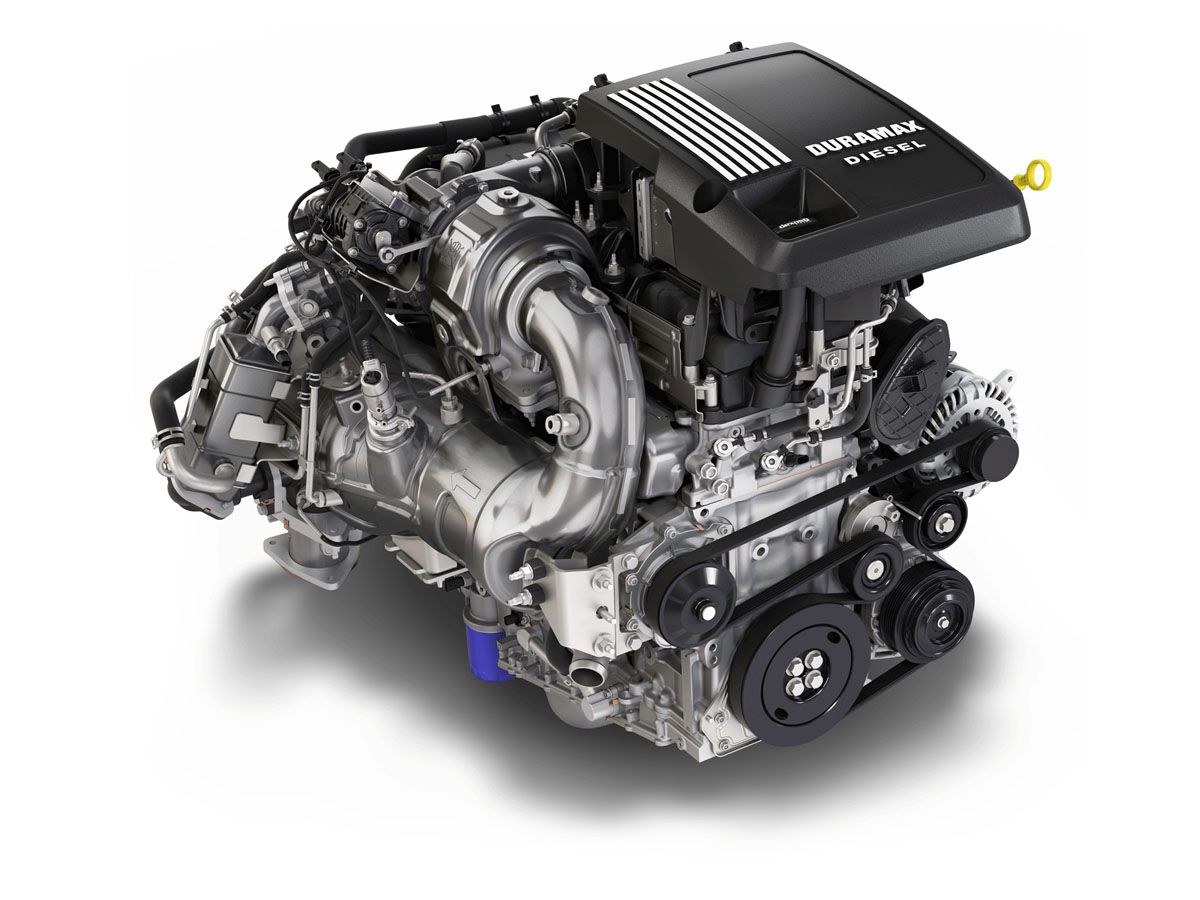
What Is a Diesel Engine? How Does a Diesel Engine Work?
A diesel engine is an internal combustion engine that converts the energy released by burning diesel fuel into mechanical power. Diesel engines are widely used in passenger cars, commercial vehicles, trucks, buses, agricultural machinery, construction equipment, generators, and marine applications.

Although a diesel engine performs the same basic job as a gasoline engine, the way it ignites the fuel is fundamentally different.
A gasoline engine normally uses a spark plug to ignite the air-fuel mixture. A diesel engine does not normally use a spark plug for combustion. Instead, it compresses air to a very high pressure and temperature, then injects diesel fuel into the hot compressed air. The fuel ignites because of the temperature created by compression.
This principle is known as compression ignition.
The Basic Principle of a Diesel Engine
The easiest way to understand a diesel engine is to think about what happens inside the cylinder.
The engine draws air into the cylinder and compresses it strongly. Because gases become hotter when compressed, the temperature of the air rises significantly.
Near the end of the compression stroke, the injector sprays diesel fuel into the hot compressed air.
The fuel breaks into very small droplets and mixes with the hot air. Once the temperature and conditions are sufficient, the fuel ignites without the need for a spark.
The combustion produces rapidly expanding gases that push the piston downward.
The piston is connected to the crankshaft through the connecting rod. As the piston moves downward, the crankshaft rotates.
This rotational movement is ultimately transferred through the transmission and drivetrain to the wheels.
How Does a Diesel Engine Work?
Most conventional four-stroke diesel engines operate through four basic strokes:
-
Intake
-
Compression
-
Power
-
Exhaust
These four strokes occur while the crankshaft completes two revolutions.
The combustion process itself is not complicated in principle, but modern diesel engines use sophisticated fuel injection, turbocharging, emissions-control, and electronic management systems to control it precisely.
1. Intake Stroke
During the intake stroke, the piston moves downward inside the cylinder.
The intake valve opens and air enters the combustion chamber.
Unlike a traditional gasoline engine, a conventional diesel engine generally does not need to draw a premixed air-fuel mixture into the cylinder.
The engine primarily takes in air during the intake stroke.
The amount of fuel is controlled later by the fuel injection system.
2. Compression Stroke
After the intake stroke, the intake valve closes.
The piston moves upward and compresses the air trapped inside the cylinder.
Diesel engines generally use a much higher compression ratio than many gasoline engines.
This high compression is extremely important because it raises the temperature of the air.
By the end of the compression stroke, the air inside the cylinder can become hot enough to ignite the injected diesel fuel.
3. Fuel Injection and Combustion
Near the end of the compression stroke, the fuel injector sprays diesel fuel directly into the combustion chamber.
The injector does not simply release a large amount of fuel.
Modern injectors are capable of delivering extremely precise quantities of fuel at very high pressure.
The fuel is atomized into very small droplets, allowing it to mix with the hot compressed air.
The fuel then begins to ignite.
The resulting combustion produces rapidly expanding gases.
These gases push the piston downward with considerable force.
This is the power stroke.
4. Power Stroke
The combustion gases force the piston downward.
The connecting rod transfers this force to the crankshaft.
The crankshaft converts the piston's reciprocating movement into rotational movement.
This rotation is used to produce engine torque.
Some of the energy is used to keep the engine's other systems operating, while the remaining useful power is transferred through the drivetrain.
5. Exhaust Stroke
After the power stroke, the exhaust valve opens.
The piston moves upward again and pushes the burned gases out of the cylinder.
The exhaust gases then pass through the exhaust system.
In a modern diesel vehicle, the exhaust may pass through several emissions-control components before leaving the tailpipe.
These can include:
-
Diesel oxidation catalyst
-
Diesel particulate filter
-
Selective catalytic reduction system
-
AdBlue/DEF injection system
-
NOx sensors
-
Exhaust gas temperature sensors
The process then starts again with another intake stroke.
Why Doesn't a Diesel Engine Need a Spark Plug?
This is one of the biggest differences between diesel and gasoline engines.
A gasoline engine generally uses a spark plug to ignite the air-fuel mixture.
A diesel engine instead relies on the heat generated by compression.
The air is compressed so strongly that its temperature rises substantially.
When diesel fuel is injected into this hot compressed air, the fuel can ignite without an electrical spark.
This is why diesel engines are often described as compression-ignition engines, while gasoline engines are commonly described as spark-ignition engines.
Do Diesel Engines Have Glow Plugs?
Yes, many diesel engines have glow plugs, but glow plugs should not be confused with gasoline-engine spark plugs.
A glow plug does not normally provide the spark that ignites the fuel during ordinary diesel combustion.
Instead, it is an electrical heating element.
During cold starting, glow plugs heat up and help increase the temperature in the combustion area.
This makes it easier for the injected diesel fuel to ignite.
Once the engine is running and the combustion chamber is sufficiently hot, the engine generally does not depend on glow plugs for every combustion event.
Modern diesel engines can also use glow plugs for additional functions after startup, depending on the engine design.
What Is the Compression Ratio of a Diesel Engine?
Diesel engines generally have relatively high compression ratios.
The exact ratio depends on the engine design, combustion system, emissions requirements, and manufacturer.
A high compression ratio helps generate the temperature required for compression ignition.
However, increasing compression is not simply a matter of making the engine stronger.
Higher cylinder pressures place significant demands on:
-
Pistons
-
Connecting rods
-
Crankshaft
-
Cylinder head
-
Head gasket
-
Bearings
-
Engine block
This is one reason diesel engines are often built with robust internal components.
How Does Diesel Fuel Reach the Engine?
Modern diesel engines typically use a high-pressure fuel injection system.
A simplified system consists of:
Fuel tank → low-pressure fuel supply → fuel filter → high-pressure pump → common rail → injectors → combustion chamber
The exact configuration varies between engines.
The fuel filter is particularly important because diesel fuel must be kept clean and free from water and contaminants.
What Is a Common Rail Diesel Engine?
Common rail is one of the most widely used fuel injection technologies in modern diesel engines.
In a common rail system, a high-pressure pump supplies fuel to a shared high-pressure rail.
The rail acts as a high-pressure reservoir.
Electronic control allows the injectors to deliver precisely controlled quantities of fuel at precisely controlled times.
This provides much greater control over combustion than older mechanical injection systems.
Why Do Modern Diesel Engines Use Multiple Injection Events?
A modern diesel injector may inject fuel more than once during a single combustion cycle.
Depending on the engine and operating conditions, injection may include:
-
Pilot injection
-
Main injection
-
Post injection
Pilot injection can help prepare the combustion process and reduce combustion noise.
The main injection provides most of the fuel required for producing engine power.
Post injection can be used for emissions-control purposes, including helping increase exhaust temperature during certain diesel particulate filter regeneration strategies.
The exact injection strategy depends on engine speed, load, temperature, emissions requirements, and operating conditions.
What Is a Diesel Injector?
The injector is one of the most important components in a modern diesel engine.
Its job is to deliver the correct amount of fuel into the combustion chamber at the correct time and with the correct spray pattern.
A diesel injector operates under very demanding conditions.
Problems with an injector can cause:
-
Hard starting
-
Rough idle
-
Excessive smoke
-
Poor acceleration
-
Increased fuel consumption
-
Engine knocking
-
Misfire-like symptoms
-
Increased emissions
-
Difficulty regenerating the DPF
An injector problem should be diagnosed carefully because similar symptoms can be caused by other fuel-system or engine problems.
Why Do Diesel Engines Have High-Pressure Fuel Systems?
Modern diesel engines require high injection pressure because fuel must be atomized effectively and mixed with compressed air inside the cylinder.
Higher injection pressure can produce finer fuel droplets and better control over the combustion process.
Depending on the system, the fuel pressure can reach extremely high levels.
For this reason, diesel fuel injection systems must be treated with caution during servicing.
What Is a Turbocharger?
Many modern diesel engines use a turbocharger.
A turbocharger uses energy from the exhaust gases to drive a turbine.
The turbine is connected to a compressor.
The compressor forces additional air into the engine.
More available air allows the engine to burn fuel more effectively and produce more power from a relatively small engine displacement.
Turbocharging is especially useful for diesel engines because diesel combustion depends heavily on the amount and condition of air available inside the cylinder.
What Is an Intercooler?
When air is compressed by a turbocharger, its temperature increases.
An intercooler reduces the temperature of the compressed intake air before it enters the engine.
Cooler air is denser, meaning more oxygen can enter the cylinder for a given volume.
This can improve combustion efficiency and engine performance.
Why Do Diesel Engines Produce Strong Torque?
Diesel engines are well known for producing strong low-speed torque.
Several factors contribute to this characteristic.
These include:
-
High cylinder pressure
-
High compression ratio
-
Turbocharging
-
Efficient fuel injection
-
Engine calibration
-
Relatively long-stroke designs in some applications
Strong low-speed torque is particularly useful for trucks, vans, towing vehicles, and heavy machinery.
Why Are Diesel Engines Often More Fuel Efficient?
Diesel engines can achieve high thermal efficiency.
One important factor is the high compression ratio.
Another is the way fuel quantity is controlled.
In many diesel engines, the engine operates with excess air under many operating conditions. Fuel injection determines how much fuel is burned rather than using a conventional throttle plate as the primary method of controlling engine load.
Modern diesel engines also benefit from:
-
High-pressure injection
-
Precise electronic control
-
Turbocharging
-
Efficient combustion chambers
-
Advanced transmission systems
-
Engine management strategies
As a result, diesel vehicles can often travel a greater distance using the same amount of fuel compared with a similar gasoline-powered vehicle.
Do Diesel Engines Have a Throttle Body?
Some people assume that diesel engines do not have throttle bodies.
The situation is more complicated.
Traditional diesel engines can operate without using a conventional throttle plate to control engine power in the same way as a gasoline engine.
However, many modern diesel engines are equipped with an electronically controlled throttle valve or intake air control valve.
This component can be used for functions such as:
-
Exhaust gas recirculation control
-
Engine shutdown
-
Intake airflow management
-
Emissions control
-
Regeneration strategies
Therefore, finding a throttle body on a modern diesel engine is not unusual.
What Is EGR?
EGR stands for Exhaust Gas Recirculation.
The EGR system sends a controlled amount of exhaust gas back into the intake system.
The purpose is primarily to reduce combustion temperatures and help control nitrogen oxide emissions.
However, EGR systems can become contaminated with soot and deposits over time.
A malfunctioning EGR valve can cause:
-
Rough running
-
Poor acceleration
-
Increased smoke
-
Reduced fuel economy
-
Engine warning light
-
Reduced engine performance
Why Do Diesel Engines Produce Soot?
Diesel combustion can produce soot particles.
Soot formation is influenced by combustion conditions, fuel injection, air availability, engine load, temperature, and injection timing.
Modern diesel engines therefore use sophisticated emissions-control systems to reduce particulate emissions.
One of the most important components is the Diesel Particulate Filter, commonly called the DPF.
What Is a DPF?
A Diesel Particulate Filter captures soot particles from the exhaust gases.
Over time, soot accumulates inside the filter.
The vehicle must periodically remove this accumulated soot through a process called regeneration.
During regeneration, the exhaust temperature is raised so that accumulated soot can be burned.
Depending on the vehicle, regeneration may occur passively or may be actively controlled by the engine management system.
What Is AdBlue or DEF?
Modern diesel vehicles may use a Selective Catalytic Reduction system to reduce nitrogen oxide emissions.
This system injects a urea-based fluid into the exhaust.
The fluid is commonly called:
-
AdBlue in many European markets
-
Diesel Exhaust Fluid (DEF) in many other markets
The system helps convert nitrogen oxides into mainly nitrogen and water.
It is separate from the diesel fuel system.
AdBlue/DEF should never be poured into the diesel fuel tank.
What Are the Advantages of Diesel Engines?
Diesel engines have several important advantages.
High fuel efficiency
Diesel engines can provide excellent fuel economy, particularly during long-distance driving.
Strong torque
High torque output makes diesel engines suitable for towing and heavy loads.
Good highway efficiency
Diesel engines can be particularly effective for vehicles that spend a lot of time at steady speeds.
Durability
Many diesel engines are designed to withstand high cylinder pressures and heavy operating conditions.
Suitable for commercial applications
Trucks, buses, vans, agricultural equipment, and construction machinery frequently use diesel engines because of their torque and operating characteristics.
What Are the Disadvantages of Diesel Engines?
Diesel engines also have disadvantages.
More complex emissions systems
Modern diesel engines can have DPF, EGR, SCR, NOx sensors, temperature sensors, and other components.
Expensive fuel-system components
High-pressure pumps and injectors can be costly to replace.
Potential DPF problems
Short-distance driving and unsuitable operating conditions can interfere with DPF regeneration.
Cold-weather starting
Older diesel engines can be particularly difficult to start in very cold conditions if the glow plug or fuel system is not functioning correctly.
Higher repair costs in some cases
The complexity of modern diesel systems can increase diagnostic and repair costs.
What Causes a Diesel Engine to Smoke?
The color of diesel exhaust smoke can provide useful diagnostic information, although smoke color alone cannot identify the exact fault.
Black smoke can be associated with excessive fuel or insufficient air.
Possible causes include:
-
Dirty air filter
-
Turbocharger problem
-
Boost leak
-
Injector problem
-
EGR malfunction
-
Airflow sensor problem
-
Excessive fueling
Blue smoke can indicate that the engine is burning oil.
Possible causes include:
-
Worn piston rings
-
Turbocharger oil leakage
-
Valve seal problems
-
Excessive crankcase pressure
White smoke can have several possible causes, particularly during startup.
Possible causes include:
-
Unburned fuel
-
Cold combustion
-
Glow plug problems
-
Injector problems
-
Coolant entering the combustion chamber
A proper diagnosis is required because the same smoke color can have multiple causes.
What Happens When a Diesel Engine Has Poor Compression?
Compression is extremely important in a diesel engine.
If compression is too low, the air may not become hot enough for reliable fuel ignition.
Low compression can result from:
-
Worn piston rings
-
Cylinder wear
-
Valve leakage
-
Damaged valves
-
Head gasket problems
-
Other internal engine damage
Possible symptoms include difficult starting, rough running, smoke, and reduced engine performance.
What Happens If a Diesel Injector Fails?
A defective injector can have a major effect on engine operation.
Depending on the type of failure, the injector may deliver too much fuel, too little fuel, or fuel at the wrong time.
Symptoms can include:
-
Rough idle
-
Engine misfire
-
Excessive fuel consumption
-
Smoke
-
Poor acceleration
-
Hard starting
-
Engine knocking
-
Increased emissions
Modern diesel injectors may also require coding or calibration after replacement, depending on the vehicle.
Why Are Diesel Engines Noisy?
Older diesel engines were often noticeably louder than gasoline engines.
The characteristic diesel sound is partly related to the rapid pressure increase during combustion.
Modern engines are much quieter because manufacturers use:
-
Multiple injection events
-
Pilot injection
-
Improved combustion chambers
-
Better engine mounts
-
Improved insulation
-
More precise engine management
Nevertheless, diesel engines can still have a distinctive sound.
How Long Can a Diesel Engine Last?
Engine life depends on many factors.
Important factors include:
-
Maintenance quality
-
Oil quality
-
Oil-change intervals
-
Fuel quality
-
Cooling-system condition
-
Driving conditions
-
Engine design
-
Turbocharger condition
-
Injector condition
-
Operating temperature
A well-maintained diesel engine can potentially operate for a very high mileage.
However, high mileage does not automatically mean an engine is healthy.
Maintenance history and actual mechanical condition are much more important than mileage alone.
How Should a Diesel Engine Be Maintained?
Regular maintenance is essential.
Important maintenance items include:
-
Engine oil
-
Oil filter
-
Fuel filter
-
Air filter
-
Coolant
-
Glow plugs
-
Injectors
-
Turbocharger
-
EGR system
-
DPF system
-
AdBlue/DEF system
-
Belts or timing system
-
Battery and charging system
Using the correct engine oil is particularly important on modern diesel vehicles equipped with a DPF.
The wrong oil specification can contribute to problems with emissions-control components.
Diesel Engine vs Gasoline Engine
The fundamental difference is how combustion begins.
A gasoline engine normally uses a spark plug to ignite the air-fuel mixture.
A diesel engine compresses air to a high temperature and then injects fuel into the hot compressed air.
Diesel engines are generally associated with strong torque and high fuel efficiency, while gasoline engines often provide smoother high-speed operation and can be simpler in certain applications.
Neither engine type is universally better.
The most suitable choice depends on vehicle use, driving conditions, emissions regulations, fuel availability, maintenance requirements, and personal preference.
Final Thoughts
A diesel engine works according to a relatively simple fundamental principle: compress air until it becomes extremely hot, inject diesel fuel into that hot air, and use the resulting combustion to push the piston downward.
The four-stroke process consists of intake, compression, power, and exhaust.
What makes modern diesel engines complicated is not the basic combustion principle but everything built around it.
High-pressure common-rail injection, turbocharging, electronic engine management, EGR, DPF, SCR, AdBlue/DEF, NOx sensors, temperature sensors, and other systems work together to make modern diesel engines efficient, powerful, and capable of meeting increasingly strict emissions requirements.
Understanding this basic operating principle also makes it easier to understand many common diesel problems. A fault involving the injector, turbocharger, EGR, DPF, fuel-pressure system, glow plugs, or sensors can affect the combustion process in very different ways.
Ultimately, a diesel engine is a compression-ignition engine in which high compression creates the conditions necessary for diesel fuel to ignite without a conventional spark.