TR
TR EN
EN

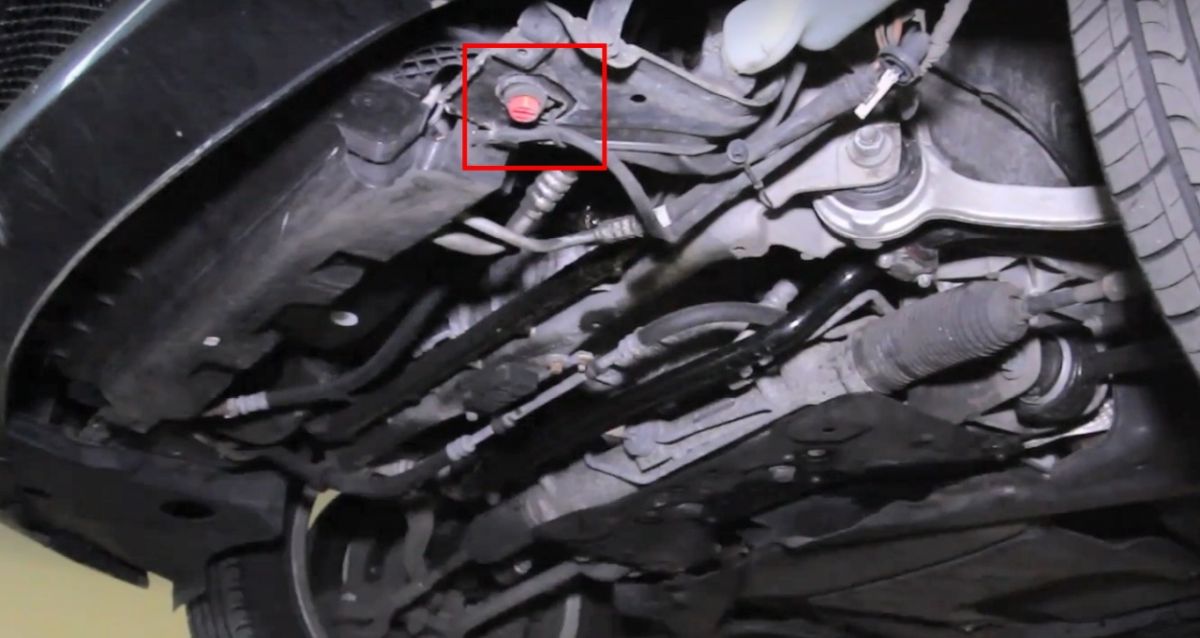
What Is a Radiator Drain Valve?
A radiator drain valve is a small component used to drain coolant from a vehicle’s cooling system in a controlled manner. It is usually located at the lower part of the radiator or near the radiator’s lower tank.
It may also be called a radiator drain cock, radiator drain plug, or coolant drain valve.
Its main purpose is to allow coolant to be drained without removing a radiator hose.
How Does a Radiator Drain Valve Work?
When the valve is closed, coolant remains inside the radiator. When it is opened, coolant flows through the drain passage and out of the radiator.
Depending on the vehicle, the drain valve may:
-
Open by turning a small valve.
-
Use a plug-style design.
-
Be operated by hand.
-
Require a screwdriver or suitable tool.
-
Be made of plastic or metal.
-
Be integrated into the radiator tank.
Not every vehicle uses the same type of drain valve, and some vehicles do not have a dedicated radiator drain valve at all.
Why Is the Radiator Drain Valve Used?
The drain valve is useful whenever coolant needs to be removed during maintenance or repair.
Typical situations include:
-
Replacing engine coolant
-
Changing antifreeze
-
Flushing the cooling system
-
Replacing the radiator
-
Replacing the thermostat
-
Removing certain cooling system hoses
-
Repairing the cooling system
-
Removing contaminated or incorrect coolant
However, opening the radiator drain valve does not necessarily empty the entire cooling system. Coolant may remain inside the engine block, heater core, hoses, and other components.
Where Is the Radiator Drain Valve Located?
The exact location depends on the vehicle and radiator design.
It is commonly found:
-
At the bottom of the radiator
-
Near one of the lower corners
-
On the lower radiator tank
-
Close to the lower radiator hose
Some vehicles allow access from the engine compartment, while others require removal of an underbody splash shield or other components.
What Happens If the Radiator Drain Valve Fails?
A damaged or leaking drain valve can cause coolant loss.
Common symptoms include:
-
Coolant dripping underneath the radiator
-
Colored coolant spots under the vehicle
-
Low coolant level
-
Wetness around the drain valve
-
Dried coolant residue around the valve
-
Repeated coolant loss
-
Continuous dripping from the drain valve
-
The valve failing to close properly after being opened
Plastic drain valves can become brittle with age and may crack or break, especially if excessive force is applied during servicing.
What Should You Do If the Drain Valve Is Leaking?
First, make sure the leak is actually coming from the drain valve.
A leak underneath the radiator does not automatically mean that the drain valve is faulty. Other possible sources include:
-
Lower radiator hose
-
Hose clamp
-
Radiator tank
-
Radiator connections
-
Radiator core or plastic tank cracks
If the valve is simply loose and the design allows adjustment, it may be possible to tighten it correctly. However, a plastic drain valve should not be overtightened, because the valve, radiator tank, or sealing surface can be damaged.
If the O-ring or seal has deteriorated, it may need to be replaced. If the valve itself is cracked or broken, replacement is normally the better solution.
Should the Engine Be Hot When Draining the Radiator?
No. The cooling system should not be opened while the engine is hot.
When the engine is operating, the cooling system can be pressurized and the coolant can reach very high temperatures.
Opening a hot radiator cap or cooling system connection can release hot coolant and steam, potentially causing serious burns.
The engine should therefore be allowed to cool to a safe temperature before draining coolant.
Radiator Drain Valve vs. Radiator Cap
These two components have completely different functions.
The radiator cap helps control cooling-system pressure and maintain the correct operating pressure.
The radiator drain valve allows coolant to be removed from the radiator.
In simple terms, one is primarily related to pressure management, while the other is used for coolant drainage.
Does Every Vehicle Have a Radiator Drain Valve?
No.
Some vehicles have a dedicated drain valve on the radiator, while others do not. In vehicles without one, coolant may need to be drained by removing an appropriate hose or another cooling-system connection.
Therefore, not finding a drain valve on a particular radiator does not necessarily indicate that something is missing.
Does a Broken Drain Valve Mean the Radiator Must Be Replaced?
Not necessarily.
If the drain valve is a separately replaceable component, the valve or its sealing component can often be replaced without replacing the entire radiator.
However, some drain valves are incorporated into the radiator’s plastic tank. If the valve mounting area is cracked or damaged, radiator replacement may sometimes be necessary.
The correct repair depends on the radiator design.
Is a Leaking Radiator Drain Valve Serious?
Yes. Even a small coolant leak can gradually lower the coolant level.
If the coolant level becomes too low, the engine may not be cooled properly, increasing the risk of engine overheating. Low coolant can also reduce the system’s ability to provide proper corrosion and freeze protection.
For this reason, persistent wetness, dripping, or dried coolant residue around the radiator drain valve should not be ignored.
Can You Drive With a Leaking Radiator Drain Valve?
It depends on the severity of the leak, but continuing to drive with a significant coolant leak is not recommended.
If the coolant level drops rapidly, the temperature gauge rises, a coolant warning appears, or steam comes from the engine compartment, the vehicle should be stopped and the engine allowed to cool safely.
Driving with insufficient coolant can result in severe engine damage.
Final Thoughts
The radiator drain valve is a small but important component that allows coolant to be removed from the radiator during maintenance and repairs.
Although its design is simple, a damaged valve can cause coolant leakage and eventually lead to overheating. Plastic valves are particularly susceptible to cracking or damage when they become old or are overtightened.
If coolant is found underneath the radiator, the drain valve should not automatically be blamed. The lower hose, clamps, radiator tank, and other nearby components should also be inspected to identify the actual source of the leak.