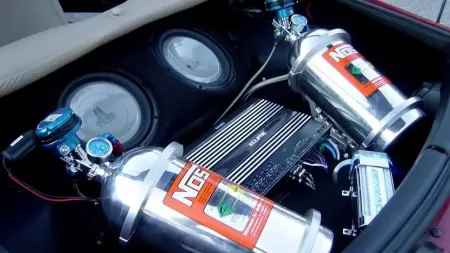
NOS is a popular term used in the automotive world for a nitrous oxide system, a performance system designed to temporarily increase the power output of an inte...
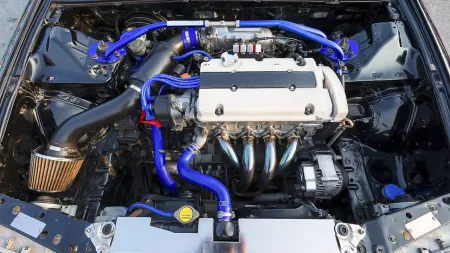
In the automotive performance world, terms such as Stage 1, Stage 2, and Stage 3 are commonly used to describe different levels of engine and performance modifi...
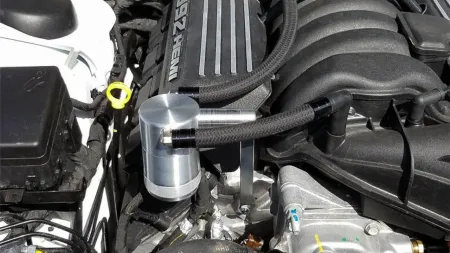
An Oil Catch Tank, also known as a catch can, is an auxiliary component designed to capture oil vapor, oil droplets, and condensation carried through the engine...
A turbo timer is an electronic device designed to keep a turbocharged engine running for a short period after the ignition is switched off. Its main purpose is ...
A mid-engine car is a vehicle in which the engine is positioned between the front and rear axles rather than being located ahead of the front axle or behind the...
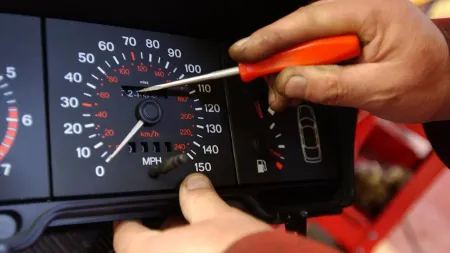
Replacing a car's engine often raises an important question: Should the vehicle's odometer be reset when a different engine is installed?...
Ultra-Low Sulfur Diesel (ULSD) is diesel fuel that contains a very low amount of sulfur. It was developed primarily to reduce sulfur-related emissions and to al...
Filling the fuel tank is a routine part of car ownership, but there is an important difference between filling the tank normally and deliberately trying to put ...
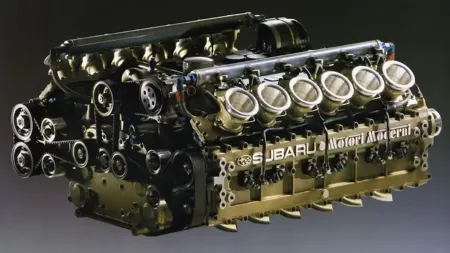
A boxer engine is a type of horizontally opposed internal combustion engine in which the cylinders are arranged in two banks facing each other across the cranks...
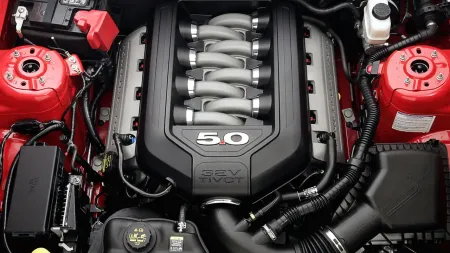
The Coyote engine is a family of modern 5.0-liter naturally aspirated V8 engines developed by Ford, best known for powering the Ford Mustang GT. Coyote engines ...
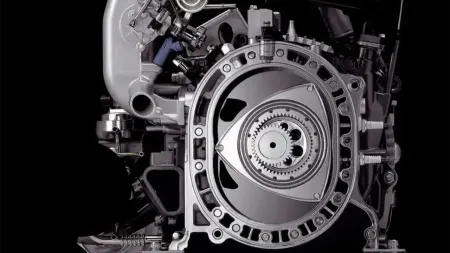
The Wankel engine is a type of internal combustion engine that produces power using a rotating triangular rotor instead of conventional pistons....
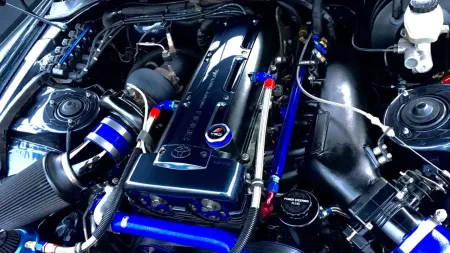
The 2JZ engine is one of Toyota's most famous performance engines and one of the most recognizable Japanese inline-six engines ever produced....
 TR
TR EN
EN