TR
TR EN
EN

Is Overfilling the Gas Tank Harmful?
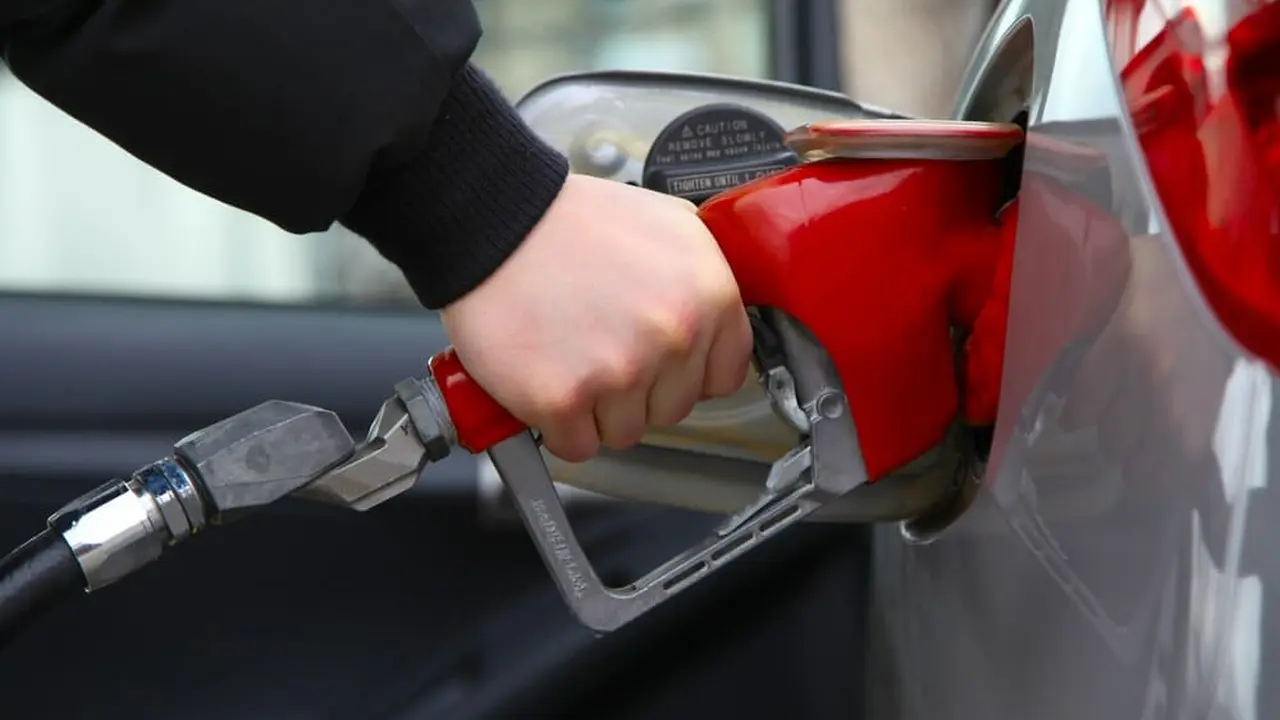
Filling the fuel tank is a routine part of car ownership, but there is an important difference between filling the tank normally and deliberately trying to put as much fuel into it as possible.
When the fuel nozzle automatically clicks off, many drivers continue squeezing the pump handle or slowly adding more fuel to "top off" the tank. While doing this occasionally may not immediately cause a problem, repeatedly overfilling a gasoline tank can cause issues, particularly with the vehicle's evaporative emissions system.
The reason has little to do with the gasoline itself. The main concern is that a fuel tank needs a certain amount of space for gasoline vapors and for the fuel to expand as its temperature changes.
Why Does a Fuel Tank Need Empty Space?
A gasoline tank is not designed to be completely filled with liquid fuel.
Even when the tank is considered "full," there is normally some space above the fuel level. This area allows gasoline vapors to accumulate and provides room for the fuel to expand.
Gasoline expands when its temperature increases. For example, fuel that is relatively cool when you fill the car can expand as the vehicle sits in a warmer environment.
The fuel system therefore needs controlled vapor space.
This is one reason manufacturers specify a particular fuel tank capacity rather than designing the tank to be filled literally to every last millimeter.
What Happens When You Keep Filling After the Nozzle Clicks?
The automatic shutoff on a fuel pump is designed to stop fuel flow when the tank reaches the appropriate level near the filler neck.
If you continue adding fuel after the first automatic shutoff, liquid gasoline can move into parts of the system that are intended primarily for fuel vapor management.
This can include the evaporative emission control system, commonly known as the EVAP system.
Instead of simply having gasoline at the bottom of the tank, you may force liquid fuel into vapor lines or toward the charcoal canister.
That is where overfilling can become problematic.
What Is the EVAP System?
The EVAP system prevents gasoline vapors from escaping directly into the atmosphere.
A typical system includes components such as:
-
Fuel tank
-
Fuel filler neck
-
Vapor lines
-
Charcoal canister
-
Purge valve
-
Vent valve
-
Pressure sensors
-
Fuel tank pressure monitoring components
Gasoline naturally produces vapor even when the engine is not running.
The EVAP system temporarily stores these vapors, usually in an activated-carbon charcoal canister. Under appropriate operating conditions, the engine draws the stored vapors into the intake system and burns them.
This system is carefully designed to handle fuel vapor, not large quantities of liquid gasoline.
Can Overfilling Damage the Charcoal Canister?
Yes, repeated overfilling can potentially damage or saturate the charcoal canister.
The charcoal inside the canister is designed to absorb gasoline vapors. If liquid fuel reaches the canister, it can interfere with the way the system works.
Depending on the vehicle, this may result in:
-
EVAP system faults
-
Check engine light
-
Fuel vapor leaks
-
Difficult starting
-
Rough running after refueling
-
Gasoline odor
-
Purge system problems
-
EVAP-related diagnostic trouble codes
A damaged charcoal canister may eventually need to be replaced.
This is one of the most important reasons manufacturers and fuel-system specialists generally recommend stopping when the fuel nozzle automatically shuts off.
Can Overfilling Cause the Check Engine Light to Come On?
It can.
An overfilled tank does not automatically mean that the check engine light will appear, but repeated overfilling can contribute to EVAP-related problems.
Modern vehicles continuously monitor the fuel vapor system for leaks and abnormal pressure conditions.
Depending on the vehicle, diagnostic codes may be associated with:
-
EVAP leaks
-
Purge flow problems
-
Ventilation problems
-
Fuel tank pressure abnormalities
-
Incorrect purge valve operation
The exact code depends on the vehicle and the nature of the problem.
If the check engine light appears shortly after repeatedly topping off the fuel tank, the EVAP system should be considered among the possible causes.
Can Overfilling Make the Engine Hard to Start?
Yes, in some cases.
One possible symptom of an EVAP system affected by excessive liquid fuel is difficult starting after refueling.
The reason is that gasoline vapors may enter the intake system in an uncontrolled or excessive amount.
A gasoline engine requires an appropriate air-fuel mixture to start. If excessive fuel vapor enters the intake, the mixture can become too rich.
The driver may notice symptoms such as:
-
Engine taking longer to start after refueling
-
Rough idle immediately after starting
-
Engine hesitation
-
Temporary misfire-like behavior
-
Stalling shortly after refueling
However, these symptoms can have many other causes, so overfilling should not automatically be considered the only explanation.
Is It Bad to Fill the Tank Completely?
There is an important distinction here.
Filling the tank until the fuel nozzle automatically shuts off is normal.
The problem is deliberately continuing to add fuel after the automatic shutoff.
When a vehicle's fuel gauge reaches "full," there is still normally some vapor space inside the fuel system. The manufacturer accounts for this space when determining the usable tank capacity.
Therefore, there is generally no need to keep adding fuel until gasoline is almost visible at the filler neck.
What Does "Topping Off" the Tank Mean?
"Topping off" means continuing to add small amounts of gasoline after the fuel pump has already automatically stopped.
Some drivers do this because they want to reach a round number on the receipt or squeeze an extra liter into the tank.
For example, the nozzle may click off, but the driver continues adding fuel several times.
This practice provides very little practical benefit while increasing the possibility of pushing liquid fuel into the EVAP system.
Does Overfilling Increase the Fuel Tank Capacity?
Only temporarily, and not in a useful way.
A driver may sometimes notice that the amount of fuel added during refueling is slightly greater than the advertised tank capacity.
This can happen because the published capacity, usable fuel volume, reserve volume, filler neck volume, and tank design are not always interpreted in exactly the same way.
It does not mean that the tank should routinely be filled beyond the automatic shutoff point.
The filler neck and vapor-management system are part of the overall fuel system, and they are not intended to be used as additional fuel-storage space.
Can Gasoline Leak From an Overfilled Tank?
It is possible.
When a tank is excessively filled, thermal expansion can cause the fuel level to rise.
If there is insufficient vapor space, expanding gasoline may create pressure or cause liquid fuel to move into areas where it should not normally be.
Depending on the vehicle and circumstances, this can contribute to:
-
Fuel odor
-
Fuel leakage
-
EVAP system problems
-
Fuel spilling around the filler area
Gasoline is highly flammable, so visible fuel leakage should never be ignored.
Is Overfilling More Dangerous on Hot Days?
The risk associated with fuel expansion becomes particularly relevant when temperatures are high.
Imagine filling the tank with relatively cool gasoline and then parking the vehicle in a hot environment.
The gasoline expands as its temperature rises.
A properly filled tank has room to accommodate this expansion. An excessively filled tank has less available space.
This is another reason why repeatedly trying to squeeze additional gasoline into the tank is unnecessary.
Can Overfilling Affect Fuel Economy?
Overfilling does not normally provide a meaningful fuel-economy benefit.
Adding a small additional amount of gasoline obviously allows the vehicle to travel slightly farther before the next refueling, but it also adds weight.
The difference is generally small and is not a practical reason to overfill the tank.
The more important concern is the potential effect on the EVAP system.
Does Overfilling Damage the Fuel Pump?
Overfilling itself is not normally considered a direct cause of fuel-pump failure.
The fuel pump is located inside or near the fuel tank and is designed to operate with gasoline surrounding it.
However, fuel-system problems caused by overfilling can indirectly create other issues.
It is therefore incorrect to say that every instance of overfilling will damage the fuel pump.
The component most directly associated with repeated overfilling is generally the EVAP system, particularly the charcoal canister and related components.
What About the Fuel Pump Being Submerged in Gasoline?
Many modern gasoline vehicles use an in-tank fuel pump.
The gasoline surrounding the pump helps with cooling and, depending on the design, contributes to proper pump operation.
Some people therefore believe that filling the tank completely is always beneficial for the fuel pump.
However, this does not mean that you should continue filling after the nozzle shuts off.
The fuel system is designed with a specific operating range. Keeping an adequate fuel level can be useful, but deliberately overfilling the tank is a different issue.
Can Overfilling Cause a Gasoline Smell?
Yes.
A strong gasoline smell after refueling can indicate a problem with the fuel system or EVAP system.
Possible causes include:
-
Fuel spilled during refueling
-
Loose fuel cap
-
Damaged filler neck
-
EVAP hose leak
-
Purge valve problem
-
Vent valve problem
-
Charcoal canister saturation or damage
-
Fuel tank leak
If the smell disappears shortly after a small spill, it may simply be spilled fuel.
If the smell persists, particularly inside or around the vehicle, the fuel system should be inspected.
What If You Accidentally Overfill the Tank Once?
There is usually no reason to panic.
Accidentally adding a small amount of extra gasoline once does not necessarily mean that the vehicle has been damaged.
The important thing is not to make a habit of repeatedly topping off the tank after the nozzle shuts off.
If the vehicle continues to operate normally and no fuel smell, warning light, starting difficulty, or other symptom appears, there may be no immediate problem.
What Should You Do If You Have Already Overfilled It?
If you have accidentally overfilled the tank, avoid adding any more fuel.
Allow the vehicle to operate normally and monitor it for unusual symptoms.
Pay particular attention to:
-
Check engine light
-
Difficulty starting after refueling
-
Rough idle
-
Strong gasoline odor
-
EVAP-related fault codes
-
Fuel leakage
If any of these symptoms appear repeatedly, having the EVAP system checked is a sensible next step.
Should You Stop at the First Click?
In normal circumstances, yes.
The simplest rule is:
When the fuel nozzle automatically shuts off, stop refueling.
There is no practical reason to repeatedly squeeze the pump handle to add another small amount of gasoline.
The automatic shutoff is there to prevent fuel from continuing to rise into the filler neck and to reduce the possibility of overfilling.
Does This Apply to Every Gasoline Car?
The basic principle applies broadly to gasoline vehicles, although fuel-system designs differ.
Older and newer vehicles may use different EVAP arrangements, tank ventilation systems, valves, and charcoal canisters.
Modern vehicles generally have more sophisticated monitoring systems and can detect certain EVAP abnormalities more accurately.
The exact consequences of overfilling therefore depend on the vehicle's design.
How Full Should You Fill a Gasoline Tank?
For normal refueling, the best approach is simple:
Fill the tank until the pump automatically clicks off, then stop.
There is no need to continue until the filler neck is full of liquid gasoline.
Leaving the designed vapor/expansion space intact allows the fuel system to perform as intended and reduces the possibility of sending liquid fuel into the EVAP system.
Final Takeaway
Overfilling a gasoline tank is not usually dangerous because the gasoline itself suddenly becomes harmful to the engine. The main concern is the fuel vapor management system.
Repeatedly adding gasoline after the pump nozzle automatically shuts off can force liquid fuel toward components such as the charcoal canister, which is designed to handle gasoline vapor rather than liquid fuel. This can contribute to EVAP problems, gasoline odors, difficult starting after refueling, and eventually a check engine light.
Filling the tank normally is perfectly fine. The important habit is to stop when the nozzle clicks off instead of trying to squeeze in additional fuel.