TR
TR EN
EN

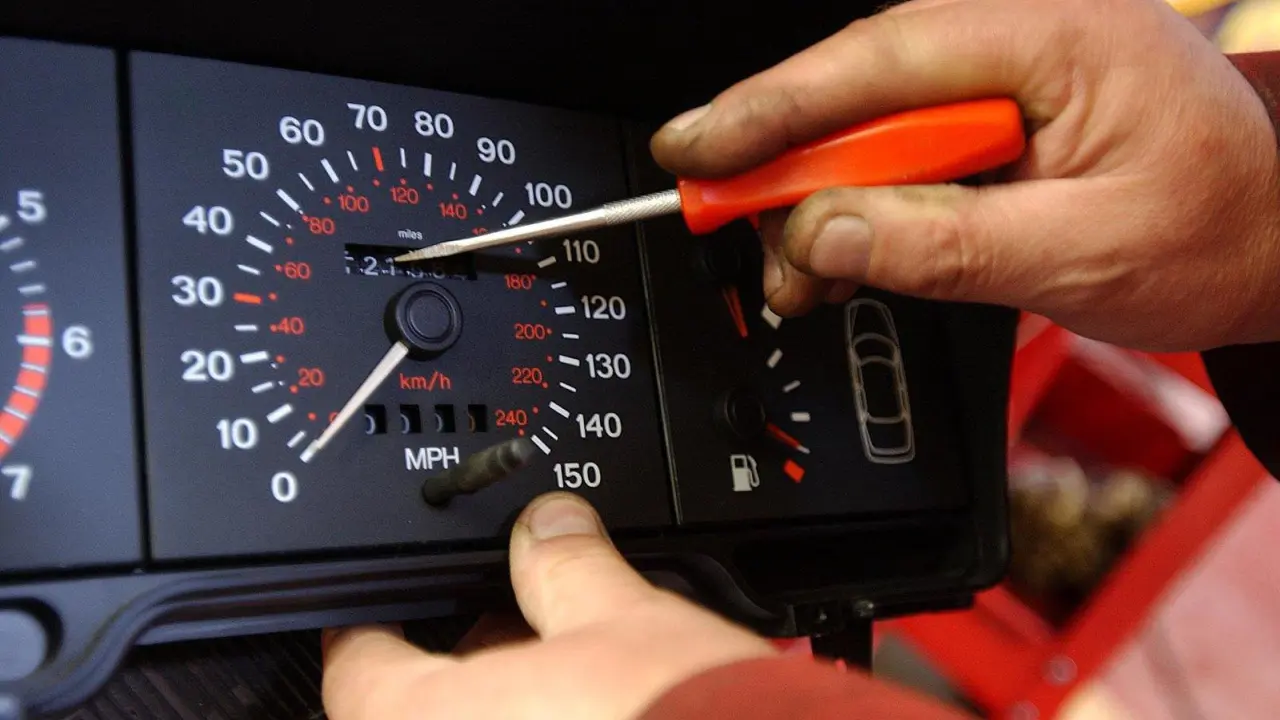
Does the Odometer Reset When the Engine Is Replaced?
Replacing a car's engine often raises an important question: Should the vehicle's odometer be reset when a different engine is installed?
The short answer is no.
Replacing the engine does not mean the vehicle's total mileage should be reset. The odometer records the distance traveled by the vehicle, not the age or mileage of the particular engine currently installed in it.
This distinction is especially important when a brand-new engine or a low-mileage used engine is installed in a high-mileage vehicle.
What Does the Odometer Measure?
An odometer is designed to record the total distance a vehicle has traveled during its service life.
It is not intended to indicate how many miles the current engine has covered.
For example, imagine a vehicle has traveled 200,000 miles and its engine is replaced with a brand-new engine.
The new engine may effectively have zero miles of previous operation, but the vehicle has still traveled 200,000 miles.
Therefore, the odometer should continue to show the vehicle's existing mileage.
Does the Odometer Automatically Reset When the Engine Is Replaced?
No.
An engine replacement does not normally have any direct effect on the vehicle's odometer.
The engine and odometer are separate systems.
Depending on the vehicle's design, mileage information may be calculated from vehicle-speed and wheel-speed data and stored or shared between several electronic control modules.
On older vehicles, mechanical speedometer and odometer systems could use a physical cable and gearing arrangement.
Modern vehicles generally use electronic systems instead.
Regardless of the technology used, replacing the engine itself does not create a reason for the vehicle's mileage to return to zero.
Can the Odometer Be Manually Reset After an Engine Replacement?
Technically, mileage information can be altered on some vehicles through electronic systems. However, that does not mean it should be reset after an engine replacement.
If a vehicle has already traveled 200,000 miles, changing the odometer to 0 miles simply because a new engine was installed would give a false impression of the vehicle's overall history.
The correct approach is to keep the vehicle's actual mileage and document the engine replacement separately.
The fact that the engine is new or low-mileage can be recorded in the vehicle's service history.
The Engine's Mileage and the Vehicle's Mileage Are Different
This is the most important point to understand.
Consider a vehicle with:
Vehicle mileage: 180,000 miles
A used replacement engine is installed with an estimated:
Engine usage: 70,000 miles
The vehicle does not suddenly become a 70,000-mile vehicle.
The vehicle's odometer should still show approximately 180,000 miles.
The replacement engine simply has a separate usage history.
The same principle applies when a brand-new engine is installed.
Why Doesn't the Engine Replacement Reset the Mileage?
A car consists of far more than its engine.
During 180,000 miles of driving, many other components have also been operating for that distance, including:
-
Chassis
-
Suspension
-
Brakes
-
Steering system
-
Transmission
-
Differential
-
Driveshafts and axles
-
Wheel bearings
-
Electrical systems
-
Body and interior components
Installing a new engine does not erase the accumulated use of these components.
For this reason, resetting the odometer to reflect the mileage of the replacement engine would not accurately describe the vehicle.
Is the Odometer Connected to the Front Wheel Hub?
This depends on the vehicle and the age of its technology.
Older vehicles could use mechanical systems connected to the transmission or wheel-speed mechanism to operate the speedometer and odometer.
Modern vehicles generally use electronic signals.
Wheel-speed sensors, transmission sensors, and other vehicle control systems can provide the information needed to determine vehicle speed and distance traveled.
Mileage information may also be stored in electronic control modules.
Therefore, it is not accurate to say that every modern vehicle has an odometer directly connected to the front wheel hub.
A more accurate explanation is that modern vehicles use electronic speed and distance information, with the exact architecture varying between manufacturers and models.
Does a Brand-New Engine Make the Car a Zero-Mileage Vehicle?
No.
A new engine does not make the entire vehicle new.
For example, suppose a car has traveled 220,000 miles. Its engine develops a major mechanical failure and is replaced with a factory-new engine.
The replacement engine may have no previous operating mileage, but the vehicle remains a 220,000-mile vehicle.
The chassis, suspension, transmission, braking system, steering components, body, and other systems have already been used.
The new engine is simply a new component installed into an existing vehicle.
What If the Engine Is Completely Rebuilt?
The same principle applies to an engine rebuild.
Suppose an engine has traveled 250,000 miles before being completely rebuilt.
The engine may receive new or refurbished:
-
Pistons
-
Piston rings
-
Bearings
-
Crankshaft components
-
Valves
-
Cylinder-head components
-
Gaskets
-
Other internal parts
Even if the engine has effectively been restored mechanically, the vehicle's odometer should not be reset to zero.
The rebuild can be documented as a separate maintenance event.
For example:
Vehicle mileage at engine rebuild: 250,000 miles
That information is much more useful than changing the odometer to represent the mileage of the rebuilt engine.
What If a Used Engine Is Installed?
Used-engine replacements make the distinction even more important.
For example:
A vehicle has traveled 200,000 miles.
A used engine believed to have approximately 80,000 miles of previous use is installed.
The vehicle's odometer should still show 200,000 miles.
The replacement engine's estimated mileage can be documented separately.
If the engine's exact history is unknown, it is better to state that the engine is used and that its previous mileage cannot be independently verified.
Should the Engine Replacement Be Documented?
Yes.
Keeping detailed records is one of the best ways to maintain a transparent vehicle history.
Useful records can include:
-
Date of engine replacement
-
Vehicle mileage at the time of replacement
-
Reason for the replacement
-
Whether the replacement engine was new, rebuilt, or used
-
Known mileage of a used engine
-
Engine identification information where applicable
-
Repair invoice
-
Parts invoice
-
Warranty documentation
-
Workshop records
These records can be valuable when the vehicle is serviced or sold in the future.
Why Is Resetting the Odometer Misleading?
Odometer mileage is an important factor in assessing a used vehicle.
A vehicle showing 80,000 miles is generally perceived differently from one showing 200,000 miles.
If a 200,000-mile vehicle receives an 80,000-mile used engine and the odometer is changed to 80,000 miles, the vehicle may appear to have only 80,000 miles of total use.
That is not accurate.
The engine may have 80,000 miles, but the vehicle itself has traveled 200,000 miles.
This is why engine mileage and vehicle mileage should always be kept separate.
Is Changing the Odometer Legal?
Odometer laws vary between countries and jurisdictions, but deliberately changing mileage to make a vehicle appear less used can create serious legal and financial consequences.
The key issue is whether the vehicle's true mileage is being misrepresented.
Changing mileage simply because an engine has been replaced can therefore create a misleading vehicle history.
A legitimate engine replacement should instead be documented without falsifying the vehicle's total mileage.
What Happens If the ECU Is Replaced?
Replacing the engine control unit, or ECU, is a different procedure from replacing the engine.
Depending on the vehicle, mileage information may be stored, shared, or validated through multiple electronic modules.
These can include:
-
Instrument cluster
-
Body control module
-
Engine control module
-
ABS/ESC module
-
Transmission control module
The exact arrangement differs between manufacturers and models.
If an ECU is replaced, it may need to be programmed or paired with the vehicle.
However, replacing an ECU does not automatically mean that the vehicle's mileage should be reset.
The objective should be to preserve the vehicle's correct mileage information and properly configure the replacement module.
What If the Instrument Cluster Is Replaced?
The instrument cluster is the component that displays the odometer reading, but on many modern vehicles it is not necessarily the only place where mileage information exists.
Depending on the vehicle, a replacement cluster may need to be programmed or synchronized with other modules.
If an incorrect mileage appears after a cluster replacement, the problem should be handled through the manufacturer's proper programming and documentation procedures.
Replacing the cluster is not a legitimate reason to reduce the vehicle's actual mileage.
Can the Mileage Appear Different After an Engine Replacement?
In some cases, an engine replacement may be accompanied by replacement or reprogramming of electronic components.
For example:
-
ECU
-
Instrument cluster
-
Body control module
-
ABS/ESC module
may also be replaced or reprogrammed during a larger repair.
If the displayed mileage changes unexpectedly, this does not necessarily mean that the engine itself changed the odometer.
It may indicate an electronic configuration or data-consistency issue that needs to be diagnosed according to the specific vehicle's architecture.
How Can You Check the Mileage of a Vehicle With a Replacement Engine?
The odometer should not be the only source of information when evaluating a vehicle's history.
Depending on the vehicle, mileage can be compared against:
-
Service records
-
Inspection records
-
Maintenance invoices
-
ECU data
-
ABS/ESC module data
-
Transmission control module data
-
Instrument cluster data
-
Oil-change records
-
Tire and brake replacement records
-
Vehicle history reports
Comparing multiple sources can help determine whether the displayed mileage is consistent with the vehicle's history.
What Mileage Should Be Recorded When the Engine Is Replaced?
The vehicle's current mileage should be recorded at the time of the engine replacement.
For example:
Vehicle mileage at engine replacement: 190,000 miles
If a brand-new engine is installed, the record can state that the replacement engine was new.
If a used engine is installed, its known or estimated previous usage can be documented separately.
This creates a clear distinction between the vehicle's total mileage and the replacement engine's history.
Does Engine Replacement Reduce the Vehicle's Mileage?
No.
Engine replacement does not reduce the distance the vehicle has already traveled.
Even if the replacement engine has never been used before, the vehicle has already accumulated its previous mileage.
A new engine can potentially improve reliability, performance, and the remaining service life of the powertrain, but it does not erase the vehicle's historical mileage.
Should the Odometer Be Reset After an Engine Rebuild?
No.
An engine rebuild does not justify resetting the odometer.
If an engine is rebuilt at 200,000 miles, the vehicle should continue to show approximately 200,000 miles.
The rebuild should be recorded separately, for example:
Engine rebuilt at 200,000 miles.
This provides much more useful information than changing the odometer.
What About a Replacement Engine With Zero Miles?
A brand-new engine can legitimately have zero previous operating miles.
However, the vehicle itself does not.
This distinction is especially important when describing a vehicle for sale.
It is reasonable to say:
“The vehicle has 200,000 miles and has a brand-new replacement engine.”
It is not accurate to describe the vehicle as a zero-mile vehicle simply because its engine is new.
Does a New Engine Increase the Value of a High-Mileage Vehicle?
A replacement engine can affect a vehicle's value, but the effect depends on many factors.
A properly installed, documented replacement engine can be a positive factor because it may provide additional service life.
However, the vehicle's overall mileage still matters.
A new engine does not mean that the transmission, suspension, brakes, steering system, body, electronics, and other components have zero miles.
A buyer should therefore evaluate the vehicle as a whole.
Why Keeping the Original Odometer Reading Matters
Keeping the correct odometer reading maintains continuity in the vehicle's history.
A consistent mileage record helps:
-
Track maintenance intervals
-
Determine when components need replacement
-
Evaluate wear
-
Verify service records
-
Establish the vehicle's market history
-
Provide transparency to future owners
If the engine is replaced, its history can simply be added to the vehicle's existing maintenance history.
There is no need to replace the vehicle's mileage history with the engine's mileage.
Final Takeaway
Replacing a vehicle's engine does not mean the odometer should be reset.
The odometer records the vehicle's total distance traveled, while the replacement engine has its own separate usage history.
If a 200,000-mile vehicle receives a brand-new engine, the vehicle remains a 200,000-mile vehicle. If it receives a used engine with 80,000 miles of previous use, the vehicle is still a 200,000-mile vehicle.
The correct approach is to keep the vehicle's actual mileage and document the engine replacement separately.
This distinction is important not only for maintenance and resale but also for preserving an accurate history of the vehicle. A new engine can give an older vehicle a new lease on life, but it does not erase the distance that the vehicle has already traveled.