TR
TR EN
EN

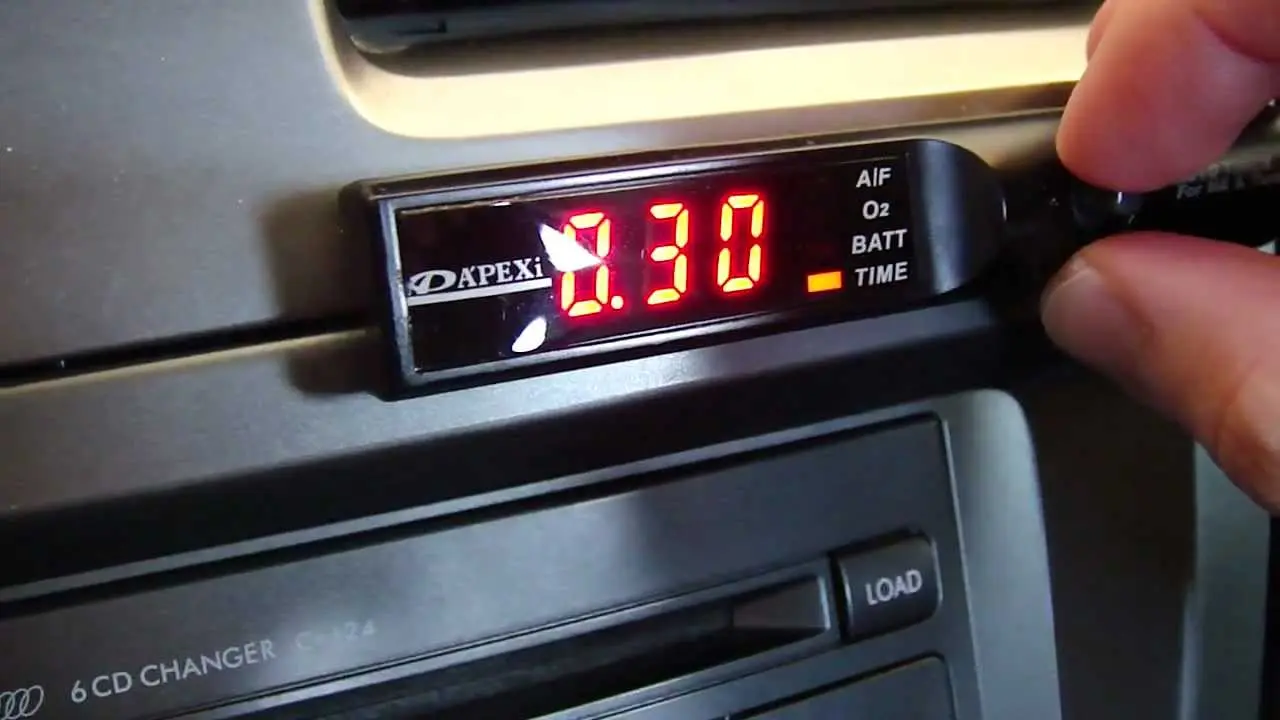
What Is a Turbo Timer? Why Is It Used?
A turbo timer is an electronic device designed to keep a turbocharged engine running for a short period after the ignition is switched off. Its main purpose is to allow the engine and turbocharger to continue operating at idle before the engine finally shuts down.
Turbo timers became particularly popular with older turbocharged performance cars, especially vehicles that were frequently driven hard or used in motorsports. The basic idea is simple: after a demanding drive, the turbocharger may still be extremely hot and spinning at high speed. Allowing the engine to idle for a short period can help the turbocharger cool down gradually and maintain oil circulation.
However, modern vehicles have changed considerably. Many newer turbocharged engines use advanced cooling systems, electronically controlled oil pumps, water-cooled turbochargers, and sophisticated thermal management strategies. As a result, an aftermarket turbo timer is not automatically necessary for every turbocharged vehicle.
How Does a Turbo Timer Work?
A turbo timer is installed into the vehicle's ignition and electrical system.
When the driver turns the ignition off, the turbo timer can keep the engine running for a programmed amount of time. Once the countdown ends, the device interrupts the appropriate ignition or engine-control circuit and allows the engine to shut down.
For example, a driver may park the vehicle after a period of high-speed driving, remove the key, and leave the car. Instead of shutting down immediately, the engine continues to idle for a short period before switching off automatically.
The exact operation depends on the vehicle and the turbo timer design.
Why Was a Turbo Timer Used?
The original reason for using a turbo timer was primarily turbocharger thermal management.
A turbocharger operates in a very demanding environment. The turbine side is exposed to extremely hot exhaust gases, while the turbocharger shaft and bearings rotate at very high speeds.
During hard driving, the turbocharger can become significantly hotter than it would during normal cruising.
If the engine is shut down immediately after heavy load, several things can happen:
-
Engine oil circulation stops.
-
Oil remaining inside the turbocharger can become extremely hot.
-
Heat can migrate from the turbine housing into the center housing.
-
Oil trapped in hot areas can experience thermal stress.
-
The turbocharger does not receive the same gradual reduction in temperature that occurs while the engine is idling.
A turbo timer was intended to provide a short cooling period before shutdown.
What Happens to a Turbocharger When the Engine Is Shut Off?
The most important issue is not simply whether the turbocharger is spinning when the engine stops.
A turbocharger's center housing and bearing system depend on lubrication and, in many applications, cooling.
During engine operation, engine oil flows through the turbocharger to lubricate the bearings and carry away heat.
When the engine is switched off, oil circulation normally stops.
If the turbocharger is extremely hot at that moment, the remaining oil inside the turbocharger can be exposed to very high temperatures.
This is one reason why manufacturers have historically recommended allowing a heavily loaded turbocharged engine to idle briefly before shutdown under certain operating conditions.
Does a Turbo Timer Actually Cool the Turbocharger?
It can help reduce the rate at which the turbocharger and engine components transition from high-load temperatures to shutdown temperatures.
However, a turbo timer should not be thought of as a device that actively cools the turbocharger like a fan.
The engine continues running at idle, which means:
-
Oil circulation continues.
-
Coolant circulation can continue.
-
The turbocharger remains lubricated.
-
Exhaust temperatures are much lower than under heavy load.
-
Heat can gradually move away from the turbocharger.
On some engines, the coolant circuit also plays an important role in turbocharger cooling.
Why Is This More Important After Hard Driving?
The need for a cooling period depends heavily on how the vehicle was driven immediately before shutdown.
There is a major difference between:
Normal driving → parking → engine off
and:
High boost → high engine speed → heavy acceleration → immediate shutdown
During normal driving, the turbocharger may not reach extremely high thermal loads.
After prolonged high-speed driving, track use, repeated acceleration, towing, or sustained high boost, temperatures can be much higher.
In these situations, allowing the engine to idle briefly may be beneficial, although the correct procedure depends on the specific engine and manufacturer's recommendations.
Do Modern Turbo Engines Need a Turbo Timer?
Usually, not in the same way older turbocharged cars did.
Modern engines often have thermal management systems that were specifically designed to protect turbochargers.
Depending on the engine, these systems may include:
-
Water-cooled turbochargers
-
Electric coolant pumps
-
Electric oil pumps
-
After-run cooling systems
-
Electronically controlled cooling fans
-
Engine management strategies
-
Temperature sensors
-
Turbocharger thermal protection strategies
Some vehicles can continue circulating coolant after the engine has been switched off.
This means that an engine may already have its own built-in version of the protection that older turbo timers were intended to provide.
What Is After-Run Cooling?
After-run cooling is an important distinction between modern factory systems and traditional turbo timers.
Some modern vehicles can continue operating cooling components after the engine has been turned off.
For example, an electric coolant pump may continue circulating coolant through areas that remain hot.
A cooling fan may also operate after shutdown if temperatures require it.
These systems can be controlled automatically according to actual coolant, oil, turbocharger, or engine-bay temperatures.
This is generally more sophisticated than simply keeping the engine running for a fixed period.
Turbo Timer vs. Idling Before Shutdown
A turbo timer and manually idling the engine before shutdown are based on a similar principle, but they are not exactly the same.
With manual cooldown, the driver remains in the vehicle and allows the engine to idle before switching it off.
With a turbo timer, the device performs the countdown automatically after the driver turns the ignition off.
The advantage of a turbo timer is convenience.
The disadvantage is that it adds another electronic device and another layer of complexity to the vehicle's electrical and ignition system.
How Long Should a Turbo Timer Run?
There is no universal turbo timer setting that is correct for every vehicle.
The required cooldown period depends on factors such as:
-
Engine design
-
Turbocharger type
-
Oil temperature
-
Coolant temperature
-
Driving conditions
-
Boost pressure
-
Engine load
-
Ambient temperature
-
Whether the vehicle has water-cooled turbo hardware
A car that has just completed a long highway journey at a steady speed may need little or no additional idle time.
A car that has just completed repeated high-load acceleration may require more attention to cooldown.
This is why blindly programming a turbo timer to a fixed period is not necessarily the best approach.
Can a Turbo Timer Prevent Turbocharger Failure?
No.
A turbo timer can potentially reduce thermal stress in certain operating conditions, but it cannot prevent every type of turbocharger failure.
Turbochargers can fail because of:
-
Oil starvation
-
Contaminated engine oil
-
Blocked oil lines
-
Excessive oil pressure
-
Foreign-object damage
-
Compressor wheel damage
-
Turbine damage
-
Bearing wear
-
Excessive shaft movement
-
Poor installation
-
Excessive boost pressure
-
Incorrect engine tuning
A turbo timer cannot compensate for poor lubrication or an incorrectly tuned engine.
Is a Turbo Timer Useful on Modified Turbo Engines?
It can be more relevant on heavily modified turbocharged vehicles.
A modified engine may operate with:
-
Higher boost pressure
-
Higher exhaust temperatures
-
Increased engine load
-
Larger turbochargers
-
More aggressive ignition and fuel maps
-
Longer periods of high boost
These conditions can increase thermal demands.
For a modified performance vehicle that is frequently driven hard, controlled cooldown can therefore be useful.
However, the engine's actual cooling and lubrication system should be evaluated before assuming that a turbo timer is required.
What Are the Advantages of a Turbo Timer?
A turbo timer can offer several potential benefits.
Automatic cooldown: The driver does not have to remain in the car while the engine idles.
Convenience: The device can automatically shut the engine down after the programmed period.
Reduced thermal shock: A gradual transition from high-load operation to shutdown can reduce certain thermal stresses.
Useful for older turbocharged cars: Vehicles without advanced factory after-run cooling may benefit more from this approach.
Potentially useful for performance applications: Cars frequently exposed to high boost and high exhaust temperatures may benefit from additional cooldown management.
What Are the Disadvantages?
Turbo timers are not completely without drawbacks.
Additional electrical wiring: The device must be integrated into the vehicle's electrical and ignition circuits.
Installation complexity: Incorrect wiring can cause electrical or starting problems.
Security concerns: Depending on the vehicle and installation, keeping the engine running after the key has been removed can affect how the vehicle's security system behaves.
Unnecessary on some modern cars: The factory cooling system may already provide appropriate turbocharger protection.
Fuel consumption: The engine continues to run during the countdown, which means it consumes fuel while idling.
Exhaust emissions: The engine is producing emissions during the additional idle period.
Can a Turbo Timer Drain the Battery?
The turbo timer itself is not necessarily the main concern because the engine remains running during the countdown.
However, the electrical system continues powering the vehicle's control modules and accessories while the engine is idling.
If the vehicle has an electrical problem, weak battery, poor alternator performance, or an incorrectly installed turbo timer, additional complications can occur.
The device should therefore be properly matched to the vehicle's electrical architecture.
Can You Install a Turbo Timer on Any Car?
No.
Compatibility depends on the vehicle's electrical and engine-control architecture.
Older vehicles with conventional ignition systems can be relatively straightforward compared with modern cars that use sophisticated electronic start authorization and immobilizer systems.
Modern vehicles may use:
-
Push-button start
-
Electronic ignition switches
-
CAN bus communication
-
Immobilizers
-
Electronic steering locks
-
Keyless entry
-
Start authorization modules
Installing a universal turbo timer into such a vehicle without understanding its electrical architecture can create unnecessary problems.
Does a Turbo Timer Waste Fuel?
A turbo timer does consume additional fuel because the engine remains running after the driver has finished driving.
The amount is generally small because the engine is idling, but it is still additional fuel consumption.
If a vehicle does not need a prolonged cooldown period, repeatedly using a turbo timer can therefore provide little benefit while increasing fuel use.
This is one reason why modern vehicles increasingly rely on automatic thermal management rather than fixed-duration engine idling.
Is Idling Always the Best Way to Cool a Turbo?
Not necessarily.
A turbocharger's temperature depends heavily on the operating conditions immediately before shutdown.
In many cases, the best approach is simply to avoid shutting the engine off immediately after sustained heavy load.
For example, after a high-speed highway run, driving gently for the final few minutes can allow the turbocharger and engine temperatures to stabilize naturally.
This approach is often more efficient than deliberately sitting stationary and idling for a long time.
What Is Turbo Cooldown Driving?
Turbo cooldown driving means reducing engine load before reaching the final parking location.
Instead of arriving at a parking area immediately after hard acceleration and switching the engine off, the driver can spend the final portion of the journey driving gently.
During this time:
-
Boost pressure decreases.
-
Exhaust temperature falls.
-
Turbocharger load decreases.
-
Oil continues circulating.
-
Coolant continues circulating.
-
Engine temperatures become more stable.
For many modern vehicles, this can be a simple and effective alternative to an aftermarket turbo timer.
Does a Turbo Timer Improve Engine Performance?
No.
A turbo timer does not increase:
-
Horsepower
-
Torque
-
Boost pressure
-
Throttle response
-
Acceleration
Its purpose is protection and thermal management.
It should therefore not be considered a performance modification in the same sense as a larger turbocharger, intercooler, exhaust system, or ECU calibration.
Is a Turbo Timer Worth It?
Whether a turbo timer is worthwhile depends on the vehicle.
It may make sense for an older turbocharged performance car that lacks sophisticated factory cooling and is frequently driven under heavy load.
It may be far less useful on a modern turbocharged vehicle with water-cooled turbo hardware, electric coolant circulation, and factory after-run thermal management.
Before installing one, it is worth checking how the vehicle's original cooling and lubrication system is designed to handle turbocharger heat.
Final Takeaway
A Turbo Timer is a device that keeps a turbocharged engine running for a short period after the ignition is switched off. The goal is to allow oil and coolant circulation to continue while the turbocharger gradually moves away from the high temperatures created by heavy engine load.
The technology was particularly useful on older turbocharged vehicles, but modern engines often have sophisticated factory systems that perform much of the same job automatically.
For this reason, a turbo timer should not be considered an essential accessory simply because a vehicle has a turbocharger. Its usefulness depends on the engine's design, the turbocharger's cooling system, and how the vehicle is driven.
For an older or heavily modified turbocharged car that regularly experiences high thermal loads, a properly installed turbo timer can still have a practical role. On a modern vehicle with advanced factory thermal management, however, the original system may already provide all the cooldown protection the turbocharger needs.