TR
TR EN
EN

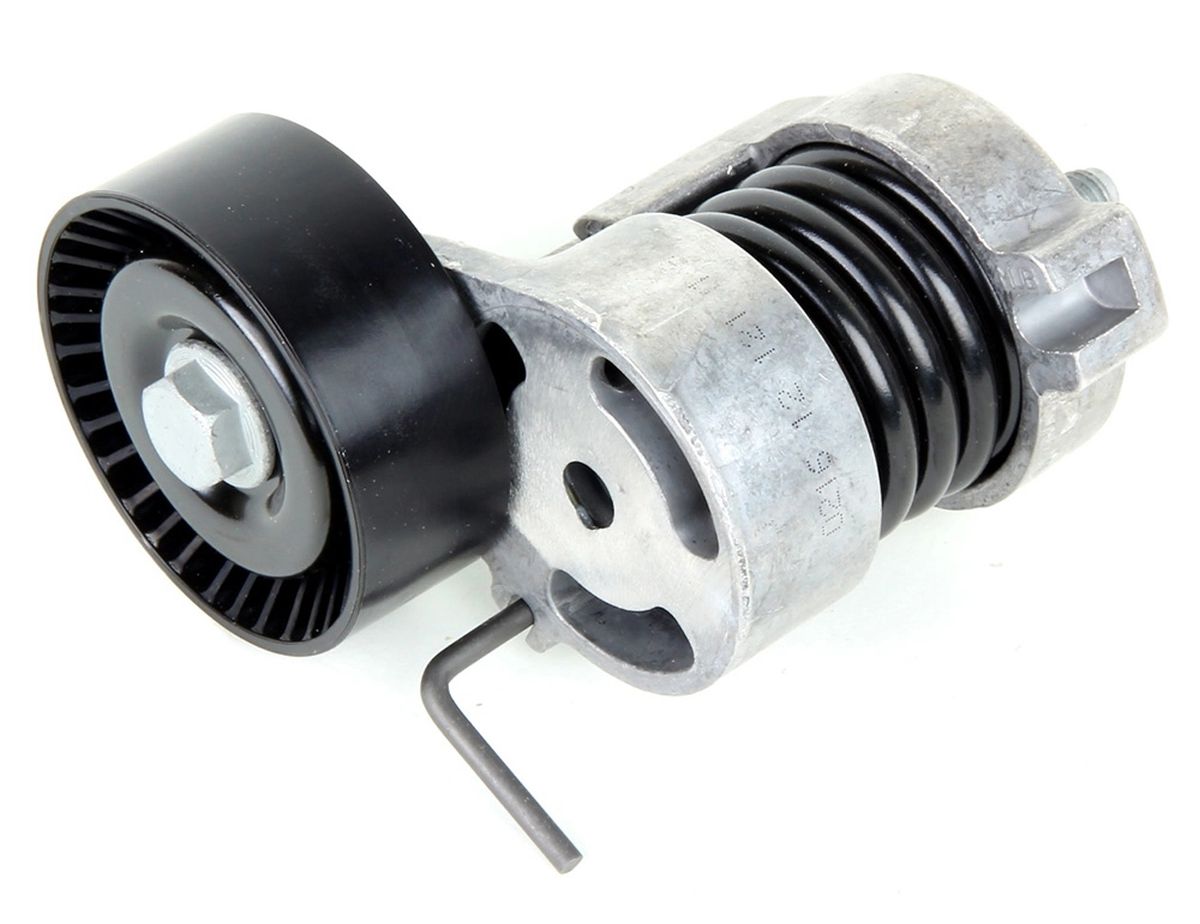
What Is a Tensioner Pulley? What Are Its Failure Symptoms?
The tensioner pulley is a small but important component found in the engine’s belt drive system. Although it does not generate power itself, it helps keep the belt at the correct tension and ensures that the belt follows its intended path without excessive vibration or slipping.
Depending on the engine design, a tensioner pulley may be part of the serpentine belt system, accessory belt system, or in some engines, the timing belt system. Because of this, the exact function and consequences of a failed tensioner can vary considerably between vehicles.
A worn tensioner pulley should not be ignored. A simple bearing noise can eventually develop into belt misalignment, belt damage, or even belt failure.
What Does a Tensioner Pulley Do?
The primary job of the tensioner pulley is to maintain the correct tension in the belt.
As the engine runs, the belt drives components such as:
-
Alternator
-
Air conditioning compressor
-
Power steering pump
-
Water pump on some engines
-
Other engine accessories
The belt needs sufficient tension to transfer engine power without slipping. At the same time, excessive tension can put unnecessary load on bearings and accessory components.
The tensioner compensates for belt movement, vibration, thermal expansion and normal belt wear.
The pulley itself normally contains a bearing and rotates continuously while the engine is running. If that bearing begins to wear, the pulley may start producing noise or develop excessive play.
Tensioner Pulley and Tensioner Assembly Are Not Exactly the Same
This distinction is important when diagnosing a problem.
The tensioner pulley is the rotating wheel that contacts the belt.
The tensioner assembly can include the pulley, bearing, spring or hydraulic mechanism, and tensioner arm.
In some vehicles, only the pulley can be replaced. In others, the manufacturer recommends replacing the complete tensioner assembly.
Therefore, when a mechanic says "the tensioner is bad," the actual problem could be the pulley bearing, the tensioner arm, the spring mechanism, or another part of the assembly.
What Happens When the Tensioner Pulley Starts to Fail?
A tensioner pulley usually does not fail suddenly without warning. In many cases, the bearing gradually becomes noisy or develops play.
At first, the driver may notice a faint rotational noise from the engine bay. As wear increases, the noise can become louder and may change with engine speed.
A damaged pulley can also affect how the belt runs. Instead of rotating smoothly, the pulley may wobble or allow the belt to vibrate excessively.
If the problem becomes severe enough, the belt can become damaged or leave its normal path.
Tensioner Pulley Failure Symptoms
Squealing or squeaking from the engine bay
A high-pitched squealing sound can occur when the belt slips or the tensioner is not maintaining proper belt tension.
However, this noise does not automatically mean that the tensioner pulley is defective. A worn belt, contaminated belt surface, misaligned pulley or failing accessory can create a very similar sound.
Whining or humming noise
A worn pulley bearing can produce a continuous humming, whining or grinding-type sound.
The noise often changes with engine RPM because the pulley rotates faster as engine speed increases.
Grinding or rough bearing noise
A seriously worn pulley bearing may produce a rough grinding or growling noise.
This is one of the stronger indications of bearing damage, particularly when the noise is clearly coming from the pulley area.
Belt vibration
A damaged tensioner or pulley can cause visible belt vibration.
If the tensioner arm is moving excessively while the engine is running, the system may be unable to maintain stable belt tension.
A small amount of movement can be normal on some engines, especially with certain belt-drive designs. Excessive or irregular movement is more concerning.
Belt slipping
If the tensioner cannot maintain sufficient tension, the belt may slip over the pulley surfaces.
This can produce squealing and may cause accessories driven by the belt to operate incorrectly.
Visible belt misalignment
A belt that does not sit correctly on the pulley can indicate a problem with belt alignment, pulley position, bearing play, or the tensioner assembly.
The belt should follow the correct path through all pulleys.
Pulley wobble
A tensioner pulley should rotate smoothly. If the pulley visibly wobbles, the bearing may have excessive play, or the tensioner assembly itself may be damaged.
This condition should be investigated rather than ignored.
Accessory-related symptoms
If the tensioner problem causes the serpentine belt to slip or come off, several systems may be affected at the same time.
Depending on the engine, you may experience:
-
Battery/charging warning
-
Loss of air conditioning
-
Heavy steering if hydraulic power steering is belt-driven
-
Engine overheating if the water pump is belt-driven
-
Loss of other belt-driven accessories
This is why a relatively small pulley can eventually create a much larger engine problem.
What Causes a Tensioner Pulley to Fail?
The pulley bearing is one of the most common wear points.
Bearing wear
The pulley bearing rotates continuously and is exposed to engine heat, vibration and contamination. Over time, the grease and internal bearing surfaces can deteriorate.
This may result in noise, rough rotation or excessive play.
Age and mileage
Even if the belt itself still looks acceptable, the tensioner and its pulley may have accumulated many hours of operation.
A vehicle can therefore develop a tensioner problem without obvious belt damage.
Heat exposure
The tensioner is located in a hot engine compartment. Repeated heating and cooling cycles can accelerate deterioration of the bearing and tensioner mechanism.
Belt contamination
Oil, coolant or other fluids reaching the belt can affect the belt surface and potentially contribute to slipping and abnormal tensioner behavior.
The source of the contamination should also be repaired.
Incorrect belt installation
A belt routed incorrectly can place abnormal loads on the tensioner and other pulleys.
For this reason, the belt routing diagram should always be followed during replacement.
Worn or damaged tensioner mechanism
The problem may not be the pulley bearing itself. The spring, hydraulic damper, arm or mounting point can also deteriorate.
In such cases, replacing only the pulley may not solve the problem.
Can a Bad Tensioner Pulley Damage the Belt?
Yes.
A pulley with a damaged bearing may develop resistance, roughness or wobble. This can cause abnormal belt movement and accelerated belt wear.
The belt may develop:
-
Cracks
-
Fraying
-
Uneven wear
-
Glazing
-
Edge damage
-
Abnormal tracking marks
If the tensioner pulley has failed badly enough to affect the belt, both components should be inspected before simply installing a new belt.
Can a Bad Tensioner Cause the Serpentine Belt to Come Off?
Yes.
If the pulley bearing seizes, the pulley becomes severely misaligned, or the tensioner loses its ability to maintain tension, the serpentine belt can slip, derail or break.
Once the belt comes off, the engine can immediately lose one or more important accessories.
For example, if the alternator is belt-driven, the battery may stop charging. If the water pump is driven by the same belt on that particular engine, engine overheating can become an immediate concern.
Therefore, a belt that repeatedly comes off should not simply be replaced without finding the reason.
Is Every Belt Noise Caused by the Tensioner Pulley?
No. This is one of the most common diagnostic mistakes.
A noise from the belt area can also come from:
-
Serpentine belt
-
Idler pulley
-
Alternator bearing
-
Air conditioning compressor
-
Water pump
-
Power steering pump
-
Crankshaft pulley
-
Other belt-driven accessories
For example, an alternator bearing can produce a sound that appears to come from the tensioner because all these components are located close together.
Replacing the tensioner without identifying the actual source of the noise can therefore result in unnecessary repair costs.
Tensioner Pulley vs. Idler Pulley
These two components are often confused.
An idler pulley guides the belt and helps maintain the correct routing.
A tensioner pulley is attached to a mechanism designed to apply or maintain belt tension.
Both may contain bearings and both can produce similar noises when they wear out.
The important difference is that an idler primarily guides the belt, while the tensioner actively maintains belt tension.
How Is a Bad Tensioner Pulley Diagnosed?
Diagnosis should begin with a visual inspection.
With the engine switched off, the belt and pulleys can be inspected for obvious damage, contamination, misalignment and abnormal wear.
The belt routing should also be verified.
A technician may then inspect the tensioner for excessive movement and check the pulley for abnormal play or roughness. On some designs, the pulley can be manually rotated with the belt removed to feel for roughness or bearing damage.
However, the exact inspection procedure depends on the engine.
The tensioner should not be manipulated in a way that could damage the automatic tensioning mechanism. Manufacturer service procedures should be followed.
A mechanic may also use a stethoscope or electronic chassis/engine listening equipment to identify which bearing is producing the noise.
Does a Tensioner Pulley Need to Be Replaced With the Belt?
Not always, but it is often sensible to inspect the entire belt drive whenever the belt is replaced.
If the tensioner has high mileage, visible wear, excessive movement or bearing noise, replacing the belt alone may not be a good repair strategy.
A new belt installed against a worn tensioner can continue to suffer from alignment and tension problems.
On some engines, manufacturers specify replacement intervals or recommend replacing related belt-drive components together. The vehicle's service information should take priority.
Can You Drive With a Bad Tensioner Pulley?
It depends on how severe the problem is.
A slight noise from a developing bearing problem may not immediately cause a breakdown, but there is no reliable way to predict when a badly worn bearing will deteriorate further.
If the pulley is grinding loudly, wobbling, overheating, seizing or causing the belt to move abnormally, continued driving is risky.
A belt failure can disable multiple engine systems at once.
If you notice a loud bearing noise, visible belt movement, burning rubber smell, smoke or a belt that is visibly damaged, the vehicle should be inspected as soon as possible.
A Tensioner Noise Should Not Be Ignored
The tensioner pulley may be inexpensive compared with major engine components, but its role in the belt system makes it important.
A small bearing problem can progress from a simple noise to belt damage, belt derailment or loss of critical accessories.
The key point is that a noise near the tensioner does not automatically mean the tensioner pulley is defective. The belt, idler pulleys, alternator, water pump, A/C compressor and other components must be considered during diagnosis.
If the pulley bearing is confirmed to be worn or the tensioner can no longer maintain proper belt tension, replacing the defective component before the belt fails is usually the safer approach.