TR
TR EN
EN

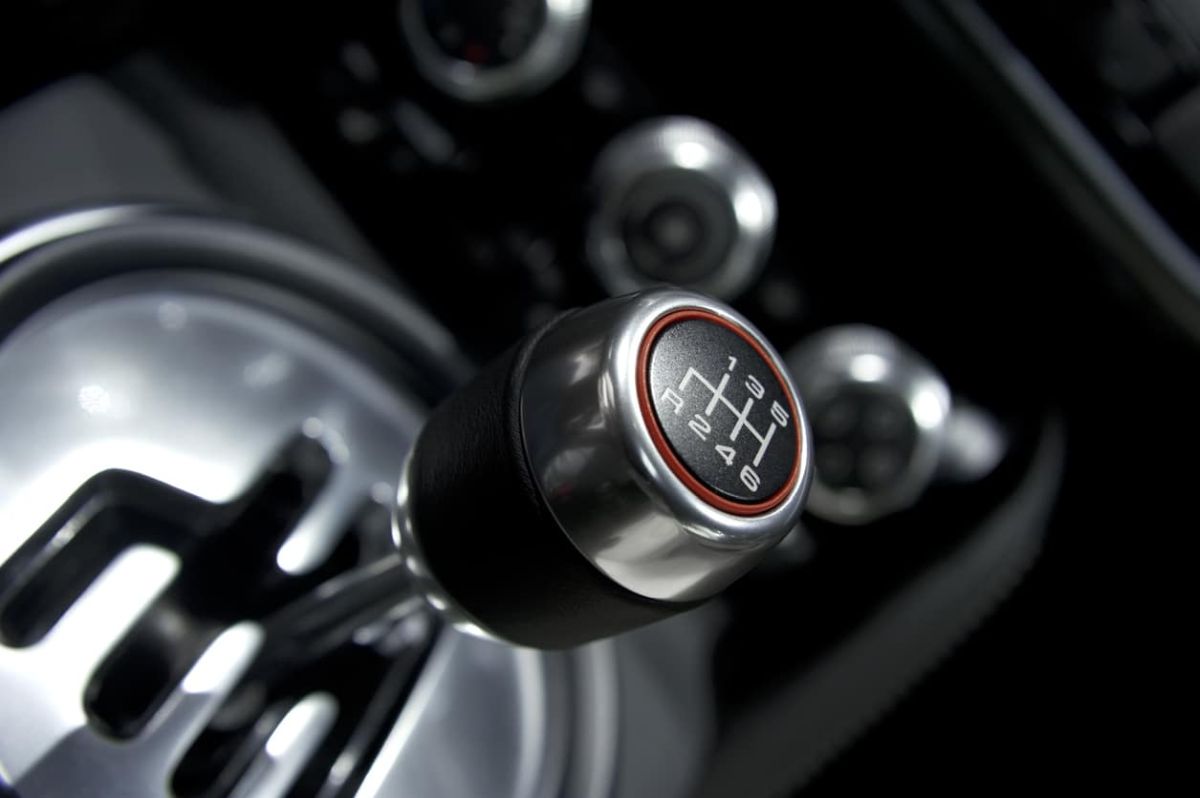
Why Won’t a Car Go Into Reverse? Reverse Gear Failure and Its Causes
Reverse gear is one of the most frequently used functions when parking, maneuvering, or leaving a tight space. When a vehicle suddenly refuses to engage reverse, the problem can be confusing and sometimes expensive.
A car that will not go into reverse may have a relatively simple problem, such as a clutch adjustment or transmission-fluid issue. However, it can also indicate a worn clutch, damaged shift mechanism, faulty transmission solenoid, valve-body problem, electronic control fault, or internal transmission damage.
The first important point is that a vehicle failing to engage reverse does not automatically mean that the entire transmission needs to be replaced.
The correct diagnosis depends heavily on whether the vehicle has a manual, automatic, automated manual, dual-clutch, or continuously variable transmission.
What Does It Mean When Reverse Gear Does Not Engage?
There are several different ways a reverse-gear problem can appear.
The vehicle may:
-
Refuse to enter reverse at all
-
Enter reverse but immediately disengage
-
Make a grinding noise when selecting reverse
-
Require excessive force to select reverse
-
Move forward instead of backward
-
Delay before reverse engages
-
Engage reverse only when the engine is switched off
-
Engage reverse when cold but not when hot
-
Engage reverse intermittently
-
Select reverse but fail to move
-
Move backward very slowly
-
Engage reverse with a strong impact or jerk
-
Show a transmission warning light
-
Enter limp mode
These symptoms point toward different potential causes.
Reverse Gear Does Not Engage in a Manual Transmission
A manual transmission uses a clutch to disconnect the engine from the transmission when the driver presses the clutch pedal.
If the clutch does not fully disengage, selecting reverse can become difficult.
This is particularly noticeable because reverse gears in many manual transmissions do not use the same synchronizer arrangement as forward gears.
Common causes include:
-
Clutch not fully disengaging
-
Worn clutch disc
-
Damaged pressure plate
-
Faulty clutch release bearing
-
Air in the hydraulic clutch system
-
Low clutch fluid
-
Clutch master-cylinder failure
-
Clutch slave-cylinder failure
-
Incorrect clutch adjustment
-
Damaged clutch cable
-
Shift linkage problems
-
Internal transmission damage
If reverse grinds when the clutch pedal is fully depressed, the clutch system should be investigated before assuming that the reverse gear itself is damaged.
Reverse Works With the Engine Off but Not With the Engine Running
This is an important diagnostic clue on a manual transmission.
If reverse can be selected easily when the engine is off but becomes difficult or impossible when the engine is running, the clutch may not be fully releasing.
When the engine is running, the transmission input shaft may continue rotating because of clutch drag.
That rotation can make reverse difficult to engage and may produce a grinding sound.
Possible causes include:
-
Worn clutch components
-
Clutch hydraulic problems
-
Air in the hydraulic system
-
Incorrect clutch adjustment
-
Warped clutch disc
-
Faulty release mechanism
This does not prove that the clutch is defective, but it is a strong reason to inspect the clutch release system.
Why Does Reverse Gear Grind?
A grinding sound when selecting reverse usually means that the transmission components are not being brought into the correct condition before the gear is engaged.
On many manual transmissions, reverse does not have the same synchronizing mechanism as the forward gears.
If the clutch is not completely disengaging, the input shaft can continue spinning.
When reverse is selected, the rotating components can contact each other at different speeds and produce a grinding noise.
Repeatedly forcing the gear into reverse can damage transmission components.
If reverse consistently grinds, the clutch-release system should be checked.
Try Selecting First Gear Before Reverse
On some manual transmissions, selecting a forward gear first and then selecting reverse can sometimes make reverse engagement easier.
The reason is that engaging a synchronized forward gear can help stop residual rotation of the transmission input shaft.
This can be useful as a temporary diagnostic observation.
However, it should not be considered a repair.
If reverse regularly refuses to engage or grinds, the underlying problem should be investigated.
Worn Clutch Can Cause Reverse Problems
A worn clutch does not always cause every gear to become difficult to select.
Depending on the condition and type of failure, reverse may become problematic first.
Possible symptoms include:
-
Difficulty selecting reverse
-
Reverse grinding
-
Difficulty selecting first gear
-
Vehicle creeping forward with the clutch fully depressed
-
High clutch engagement point
-
Engine RPM increasing without corresponding acceleration
-
Burning clutch smell
-
Shudder during clutch engagement
If several of these symptoms occur together, clutch inspection becomes particularly important.
Hydraulic Clutch Problems
Many modern manual vehicles use a hydraulic clutch system.
The clutch pedal operates a master cylinder, which sends hydraulic pressure to a slave cylinder or clutch actuator.
A problem anywhere in this system can prevent complete clutch disengagement.
Possible causes include:
-
Low hydraulic fluid
-
Air in the system
-
Hydraulic leak
-
Faulty master cylinder
-
Faulty slave cylinder
-
Damaged hydraulic line
A soft or unusually low clutch pedal is an important clue.
In some cases, the clutch pedal may feel normal even though the clutch is not completely releasing.
Shift Cable or Linkage Problems
The gear lever does not necessarily connect directly to the transmission.
Many manual vehicles use cables or mechanical linkages between the gear lever and the transmission selector mechanism.
If a cable stretches, breaks, becomes disconnected, or its bushings wear out, the transmission may not receive the correct selector movement.
Symptoms can include:
-
Reverse cannot be selected
-
One or more other gears also become difficult
-
Gear lever feels unusually loose
-
Gear lever movement feels abnormal
-
Selected gear does not match the lever position
If only one direction of the shift pattern is affected, the linkage or cable system deserves particular attention.
A Damaged Gear Selector Mechanism
The gear selector mechanism itself can also develop mechanical problems.
Wear in the selector assembly, bushings, pivots, or mounting points can prevent the transmission from reaching the reverse position.
This can sometimes be mistaken for internal transmission damage.
A visual inspection of the external selector mechanism should therefore be performed before dismantling the transmission.
Low Transmission Fluid
Automatic and some other electronically controlled transmissions depend heavily on the correct transmission-fluid level and condition.
Low fluid can cause insufficient hydraulic pressure.
This can result in:
-
Delayed reverse engagement
-
No reverse
-
Slipping
-
Harsh engagement
-
Transmission overheating
-
Multiple gear problems
A low fluid level may also indicate an external leak.
Simply adding fluid without finding the reason for the low level is not a complete repair.
Old or Incorrect Transmission Fluid
Transmission fluid does more than lubricate internal components.
In automatic transmissions, it also acts as a hydraulic working fluid.
If the fluid is severely degraded, contaminated, or incorrect for the transmission, hydraulic and friction-control performance can be affected.
Potential symptoms include:
-
Delayed engagement
-
Harsh shifting
-
Slipping
-
Reverse problems
-
Abnormal transmission noise
Fluid condition should be evaluated according to the manufacturer's specifications.
Not every transmission uses a conventional dipstick, and not every transmission should be serviced in the same way.
Automatic Transmission Will Not Go Into Reverse
When an automatic transmission refuses to engage reverse, the possible causes are different from those of a manual gearbox.
Potential causes include:
-
Low transmission fluid
-
Incorrect fluid level
-
Worn internal clutch pack
-
Faulty shift solenoid
-
Faulty pressure-control solenoid
-
Valve-body problem
-
Transmission range sensor problem
-
Wiring or connector fault
-
Transmission control module problem
-
Hydraulic pressure problem
-
Damaged reverse clutch or brake assembly
-
Internal mechanical damage
A diagnostic scan is particularly important for electronically controlled automatic transmissions.
Faulty Transmission Shift Solenoid
Automatic transmissions use solenoids to control hydraulic fluid flow.
Depending on the transmission design, individual solenoids may control shift valves or pressure circuits associated with different transmission functions.
If a solenoid sticks, becomes electrically faulty, or cannot control hydraulic pressure correctly, reverse engagement can be affected.
Possible symptoms include:
-
No reverse
-
Delayed reverse
-
Harsh reverse engagement
-
Incorrect gear selection
-
Limp mode
-
Transmission warning light
-
Multiple shift problems
A solenoid fault code does not necessarily mean that the solenoid itself is defective.
The wiring, connector, fluid, valve body, power supply, and transmission control system must also be considered.
Valve Body Problems
The valve body is a hydraulic control assembly found in many automatic transmissions.
It contains passages, valves, and control elements that direct transmission fluid to different circuits.
If a valve sticks because of contamination or wear, the required hydraulic pressure may not reach the reverse clutch or other components.
Possible symptoms include:
-
No reverse
-
Delayed reverse
-
Harsh engagement
-
Gear slipping
-
Multiple shift problems
-
Different behavior when hot and cold
Valve-body problems can sometimes be repaired or rebuilt rather than requiring complete transmission replacement.
Reverse Clutch Failure
Many automatic transmissions use a dedicated clutch or brake element as part of the reverse gear mechanism.
If that friction element becomes severely worn or damaged, reverse may stop working.
A common symptom can be:
Forward gears work normally, but reverse is missing or slipping.
This type of symptom can be more serious than a simple sensor or solenoid problem.
Transmission pressure testing and other diagnostic procedures may be necessary to determine whether the problem is hydraulic or mechanical.
Internal Transmission Damage
Internal damage can also cause complete or partial loss of reverse.
Possible failures include:
-
Damaged gears
-
Broken shafts
-
Damaged clutch packs
-
Worn bearings
-
Damaged selector components
-
Broken snap rings
-
Damaged planetary gear components
-
Excessive internal wear
If reverse suddenly disappears after a loud mechanical noise, impact, or severe transmission event, internal damage should be considered.
Transmission Range Sensor Problems
Automatic transmissions use a range sensor or selector-position sensor to determine whether the driver has selected:
-
Park
-
Reverse
-
Neutral
-
Drive
-
Other available ranges
If the transmission does not correctly recognize the selected position, reverse may not operate as expected.
Possible symptoms include:
-
Incorrect gear indication
-
PRND display problems
-
Vehicle starting in an unexpected range
-
Reverse lights not operating correctly
-
Transmission warning light
-
Limp mode
-
No reverse
The sensor, adjustment, wiring, and connector should all be checked.
Reverse Lights Do Not Work
If the reverse lights do not illuminate, this does not automatically mean the transmission cannot select reverse.
The reverse-light circuit may have a separate problem.
Possible causes include:
-
Faulty reverse switch
-
Range sensor problem
-
Blown fuse
-
Damaged wiring
-
Failed bulb
-
LED assembly failure
-
Body control module problem
If the vehicle physically moves backward but the reverse lights do not work, the problem may be electrical rather than mechanical.
Reverse Gear Engages but the Car Does Not Move
This symptom is more concerning.
The transmission may appear to select reverse, but the vehicle remains stationary.
Possible causes include:
-
Worn reverse clutch
-
Internal transmission damage
-
Low hydraulic pressure
-
Failed transmission pump
-
Broken internal component
-
Severe transmission-fluid loss
-
Differential or driveline problem
If all forward gears work normally but reverse produces no movement, the reverse-specific hydraulic or mechanical circuit should be investigated.
Reverse Engages Slowly
A delay between selecting reverse and the vehicle actually moving can indicate a hydraulic or transmission-control problem.
For example, the driver may select reverse and have to wait several seconds before the transmission begins moving.
Possible causes include:
-
Low transmission-fluid level
-
Incorrect fluid level
-
Hydraulic pressure loss
-
Worn seals
-
Valve-body wear
-
Solenoid problems
-
Internal clutch wear
-
Transmission pump problems
A slight engagement delay can vary between transmission designs, especially when cold, but a sudden or increasing delay should be investigated.
Reverse Works When Cold but Not When Hot
Temperature-dependent transmission faults are particularly useful diagnostic clues.
If reverse works normally when the vehicle is cold but disappears after the transmission warms up, possible causes include:
-
Internal fluid leakage
-
Valve-body wear
-
Solenoid malfunction
-
Pressure loss
-
Worn clutch components
-
Fluid viscosity effects
-
Thermal expansion affecting worn components
A transmission that loses reverse only when hot should be tested under both cold and operating-temperature conditions.
Reverse Works When Hot but Not When Cold
The opposite situation can also occur.
If reverse engagement is poor only when the transmission is cold, possible causes may include:
-
Incorrect fluid viscosity
-
Old or degraded fluid
-
Hydraulic pressure problems
-
Valve sticking
-
Solenoid issues
-
Internal wear
The manufacturer's specified fluid and temperature-dependent service procedure should be followed.
Dual-Clutch Transmission Reverse Problems
Dual-clutch transmissions use two clutch systems and electronically controlled actuators to operate the gears.
Reverse problems can therefore involve:
-
Clutch wear
-
Hydraulic actuator problems
-
Shift actuator problems
-
Solenoids
-
Transmission control module
-
Position sensors
-
Wiring
-
Software or adaptation
-
Mechanical transmission components
A DCT that refuses reverse may also display transmission warnings or enter a protective mode.
Specialized diagnostic equipment may be required.
Automated Manual Transmission Problems
An automated manual transmission uses a conventional-style gearbox but employs actuators to control clutch operation and gear selection.
If reverse does not engage, possible causes include:
-
Clutch actuator fault
-
Gear-selection actuator problem
-
Hydraulic pressure problem
-
Position sensor failure
-
Clutch wear
-
Transmission control fault
-
Wiring problem
-
Failed pump
The transmission may require actuator calibration or clutch adaptation after certain repairs.
CVT Reverse Problems
A continuously variable transmission does not use conventional fixed reverse gears in exactly the same way as a traditional automatic transmission.
Depending on the design, reverse may be produced using a planetary mechanism, clutch/brake arrangement, or another dedicated mechanism.
Therefore, a CVT with no reverse can have causes such as:
-
Hydraulic pressure problems
-
Valve-body faults
-
Solenoid problems
-
Control-module issues
-
Internal clutch or brake failure
-
Mechanical damage
-
Incorrect fluid level or specification
CVT-specific fluid and diagnostic procedures are essential.
Electronic Problems Can Prevent Reverse
Modern transmissions depend heavily on electronic control.
A fault in the transmission control system can prevent reverse engagement even when the mechanical components are physically capable of selecting it.
Possible causes include:
-
Transmission control module fault
-
Power supply problem
-
Ground problem
-
CAN communication fault
-
Damaged wiring
-
Faulty sensor
-
Faulty solenoid
-
Software/calibration problem
Low battery voltage can also cause strange transmission behavior in electronically controlled vehicles.
For this reason, battery and charging-system voltage should be checked before condemning an expensive transmission component.
Can a Weak Battery Cause Reverse Problems?
In some modern vehicles, yes.
Automatic and automated transmissions can depend on electronic modules and electrically controlled hydraulic systems.
If system voltage is too low, control modules may not operate correctly.
Possible symptoms can include:
-
Transmission warning light
-
Delayed gear selection
-
Failure to select reverse
-
Limp mode
-
Multiple unrelated warning lights
-
Electronic communication faults
This does not mean every reverse problem is caused by the battery.
But checking battery voltage, charging voltage, grounds, and relevant fuses is a low-cost and important diagnostic step.
Why Does Reverse Engage With a Bang?
A strong clunk or jolt when selecting reverse is not normal if it is severe or suddenly appears.
Possible causes include:
-
Excessive transmission pressure
-
Delayed pressure application
-
Worn engine or transmission mounts
-
Low or degraded transmission fluid
-
Valve-body problems
-
Solenoid problems
-
Incorrect idle speed
-
Driveline play
-
Internal transmission wear
A worn engine or transmission mount can make a relatively normal transmission engagement feel much more severe.
Engine or Transmission Mounts Can Make Reverse Feel Worse
Transmission mounts do not usually prevent reverse from engaging.
However, damaged mounts can produce a strong movement or clunk when reverse is selected.
When the transmission applies torque, the powertrain moves against the worn mount.
This can create a noticeable impact that the driver may mistake for an internal transmission failure.
Mounts should therefore be inspected when a reverse engagement is accompanied by excessive vibration or a heavy clunk.
Why Does the Car Move Forward When Reverse Is Selected?
A vehicle should not move forward when reverse is selected.
If this occurs, the problem should be treated seriously.
Possible causes depend on the transmission design and may include:
-
Incorrect range-sensor signal
-
Shift linkage adjustment problem
-
Internal transmission selector problem
-
Control-system fault
-
Severe transmission malfunction
Do not continue testing the vehicle in traffic if the selected gear does not correspond to the actual vehicle movement.
How to Diagnose a Reverse Gear Problem
The best diagnostic process begins by identifying exactly what the vehicle does.
First determine:
Does reverse physically select?
Then ask:
Does the vehicle move backward?
And:
Does the problem occur only when the engine is running, only when cold, only when hot, or all the time?
For a manual transmission, inspect:
-
Clutch operation
-
Clutch hydraulic system
-
Clutch cable or adjustment
-
Gear linkage
-
Shift cables
-
Transmission oil
-
External selector mechanism
-
Internal transmission condition
For an automatic transmission, inspect:
-
Transmission fluid level and condition
-
Stored diagnostic trouble codes
-
Transmission range sensor
-
Shift and pressure-control solenoids
-
Wiring and connectors
-
Transmission fluid pressure
-
Valve body
-
Transmission control module
-
Internal clutch operation
Use a Diagnostic Scanner on Modern Vehicles
A diagnostic scanner can provide valuable information when dealing with an electronically controlled transmission.
A proper scan should not be limited to the engine ECU.
The technician may need to scan:
-
Transmission control module
-
Engine control module
-
ABS/ESP module
-
Body control module
-
Other networked control units
Fault codes related to transmission solenoids, pressure sensors, range sensors, communication, or control modules can help narrow down the problem.
Live data can also reveal whether the transmission recognizes the driver's selected range.
Do Not Immediately Replace the Transmission
One of the most important points in transmission diagnosis is avoiding unnecessary replacement.
A vehicle that has lost reverse does not automatically need a complete transmission.
The actual cause could be:
-
A fuse
-
Wiring
-
Sensor
-
Solenoid
-
Low fluid
-
Clutch hydraulic problem
-
Shift cable
-
Valve body
-
Software or adaptation
-
Transmission control module
Only after these possibilities have been evaluated should major internal transmission repairs be considered.
Is It Safe to Drive a Car Without Reverse?
It depends on the exact fault.
If reverse is completely unavailable but all forward gears work normally, the vehicle may still physically drive forward.
However, that does not mean it is safe or practical to continue driving.
A transmission problem can worsen without warning.
If there is:
-
Transmission-fluid leakage
-
Burning smell
-
Severe slipping
-
Loud mechanical noise
-
Harsh engagement
-
Multiple missing gears
-
Transmission overheating
-
Warning messages
-
Unexpected vehicle movement
the vehicle should be inspected promptly and may need to be transported rather than driven.
When Should a Reverse Gear Problem Be Considered Serious?
Immediate attention is recommended when reverse failure is accompanied by:
-
Grinding or knocking
-
Transmission-fluid leakage
-
Burning smell
-
Sudden loss of multiple gears
-
Severe slipping
-
Transmission overheating
-
Warning lights
-
Unexpected gear selection
-
Vehicle movement in the wrong direction
-
Loud internal mechanical noise
Continuing to operate a transmission that is already showing serious symptoms can increase the final repair cost.
Final Thoughts
A car that will not go into reverse can have many different causes, and the correct diagnosis depends heavily on the type of transmission.
With a manual transmission, the clutch and gear-selection mechanism are among the first areas to investigate. A clutch that does not fully disengage can make reverse difficult or cause grinding.
With an automatic transmission, low or incorrect fluid level, shift solenoids, pressure-control problems, valve-body faults, range sensors, transmission control issues, and internal clutch damage can all cause loss of reverse.
For dual-clutch, automated manual, and CVT transmissions, electronic control, hydraulic actuators, sensors, adaptation, and transmission-specific components become particularly important.
The most useful diagnostic clues are whether reverse works with the engine off, whether the vehicle actually moves backward, whether the problem changes with temperature, whether other gears are affected, and whether diagnostic trouble codes are stored.
Most importantly, do not assume that a missing reverse gear automatically means the transmission must be replaced. A systematic inspection of the clutch, fluid, wiring, sensors, solenoids, control system, and hydraulic circuits can often identify the actual cause before expensive internal repairs are considered.