TR
TR EN
EN

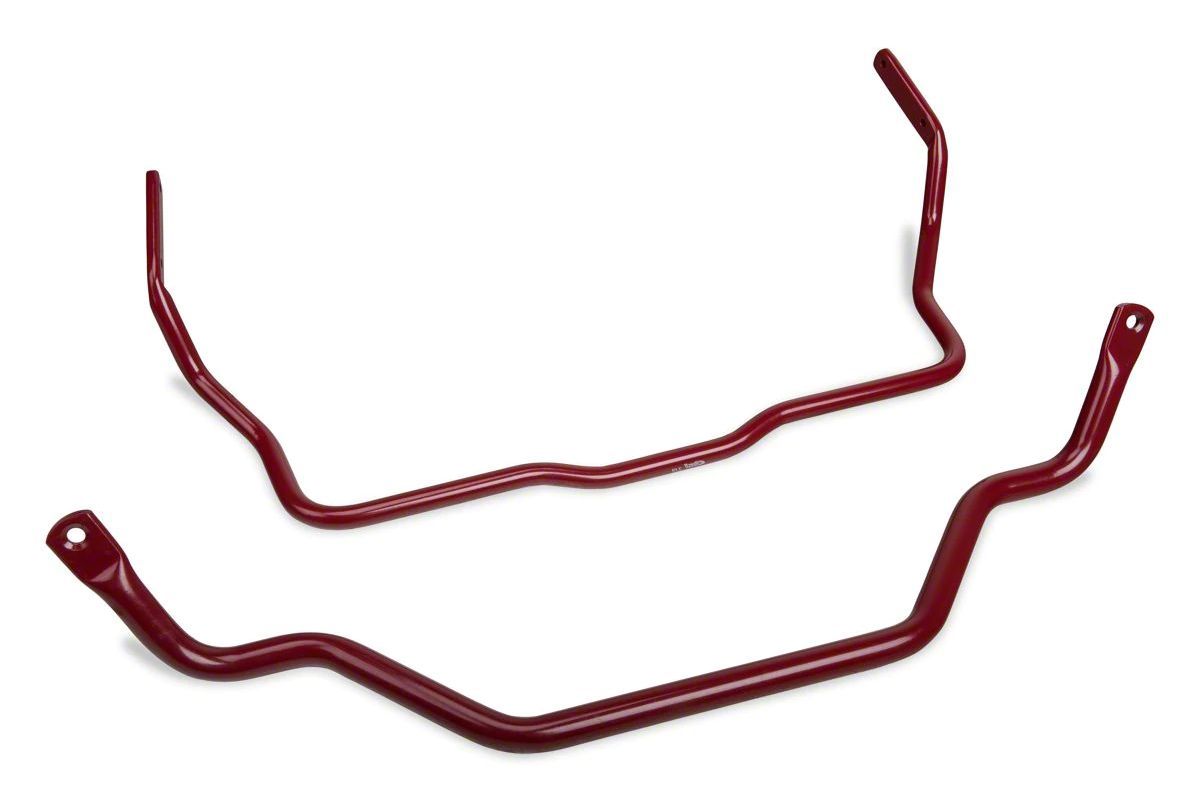
What Is an Anti-Roll Bar? What Are the Symptoms of Anti-Roll Bar Failure?
An anti-roll bar, also known as a stabilizer bar or sway bar, is an important component of a vehicle’s suspension system. Its main purpose is to reduce body roll when the vehicle enters a corner and to help keep the vehicle more stable during directional changes.
The anti-roll bar does not carry out the same job as the shock absorbers or springs. Instead, it connects the left and right sides of the suspension and transfers some of the suspension load from one side to the other.
When the anti-roll bar, its bushings, or its connecting links become worn, the vehicle may develop knocking noises, reduced cornering stability, uneven suspension behavior, and increased body movement.
How Does an Anti-Roll Bar Work?
When a vehicle travels through a corner, the body naturally tends to lean toward the outside of the turn.
For example, when turning left, the vehicle's body tends to roll toward the right side.
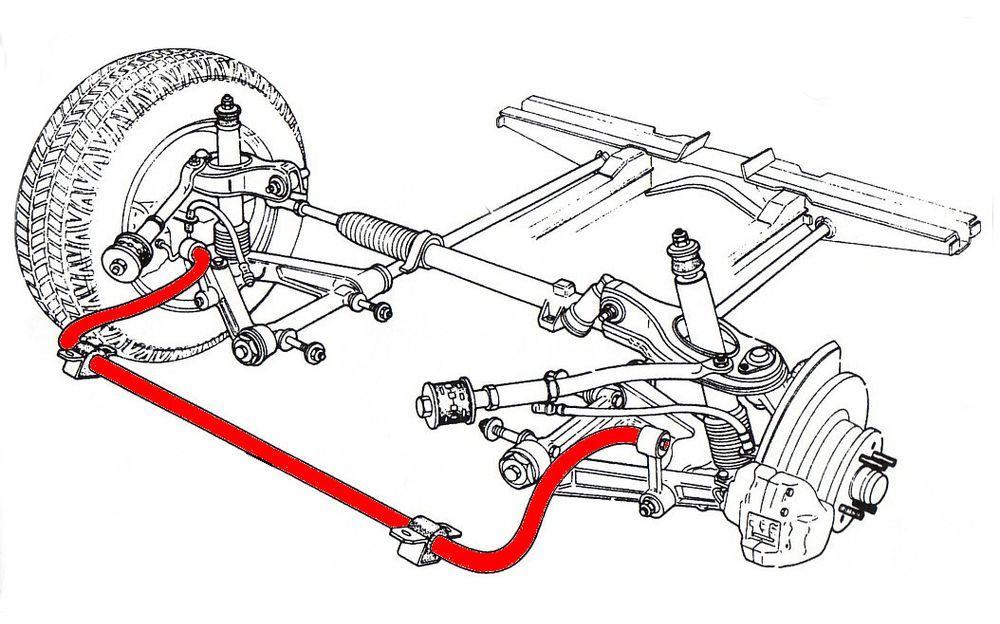
The anti-roll bar resists this movement by twisting as the suspension on the two sides moves differently.
The bar is generally mounted to the vehicle chassis through rubber or polyurethane bushings. Its ends are connected to the suspension through anti-roll bar links.
When both wheels move up and down together, the anti-roll bar has relatively little effect. When one wheel moves upward while the other moves downward, the bar twists and generates a resisting force.
This helps reduce body roll.
Main Components of the Anti-Roll Bar System
A typical anti-roll bar system consists of several components:
-
Anti-roll bar
-
Anti-roll bar bushings
-
Anti-roll bar links
-
Link ball joints or mounting joints
-
Mounting brackets
-
Suspension connection points
The anti-roll bar itself is usually a strong steel component designed to withstand repeated twisting forces.
In many vehicles, the connecting links are more likely to develop wear than the bar itself.
What Are the Symptoms of Anti-Roll Bar Failure?
Anti-roll bar problems can produce several noticeable symptoms.
The most common include:
-
Knocking or clunking noises
-
Increased body roll
-
Reduced cornering stability
-
Excessive movement over uneven roads
-
Steering instability during sudden direction changes
-
Noise when driving over speed bumps
-
Loose or unstable suspension feeling
-
Uneven behavior between left and right turns
The exact symptoms depend on whether the problem is caused by the anti-roll bar itself, its bushings, or the connecting links.
Knocking Noise From the Suspension
One of the most common signs of an anti-roll bar problem is a knocking or clunking sound.
The noise may become particularly noticeable when driving over:
-
Potholes
-
Speed bumps
-
Broken pavement
-
Small repeated bumps
-
Uneven roads
-
Road surfaces where one wheel moves more than the other
A worn anti-roll bar link can develop play in its joint. When the suspension moves, the loose joint can move abruptly and create a knocking sound.
This is one of the most frequently encountered suspension complaints associated with anti-roll bar links.
Noise When Turning
A worn anti-roll bar component may also make noise during cornering.
This can happen because the anti-roll bar is subjected to greater twisting forces when the left and right suspension systems move differently.
However, a noise during turning does not automatically mean that the anti-roll bar is defective. Other suspension and steering components can produce similar sounds.
For this reason, the entire suspension system should be inspected before replacing parts.
Increased Body Roll
If the anti-roll bar or its mounting system is severely damaged or disconnected, the vehicle may experience more body roll during cornering.
The car may feel as though the body is leaning more than usual when taking corners.
This can be particularly noticeable during:
-
Fast cornering
-
Sudden lane changes
-
Emergency maneuvers
-
Roundabouts
-
Sharp turns
The vehicle may still be mechanically driveable, but its handling characteristics can change.
Reduced Cornering Stability
The anti-roll bar contributes to the balance of the suspension system.
When it is damaged or disconnected, the vehicle may feel less controlled during cornering.
The driver may notice that the vehicle does not feel as planted as it normally does.
In some cases, the difference may be relatively small. In other cases, particularly when a link has completely separated or the mounting system is severely damaged, the handling change can be much more noticeable.
Problems With Anti-Roll Bar Bushings
Anti-roll bar bushings are rubber components that hold the bar against the vehicle chassis while allowing controlled movement.
Over time, these bushings can:
-
Crack
-
Harden
-
Deform
-
Wear
-
Develop excessive clearance
Worn bushings can allow the anti-roll bar to move excessively.
This can produce knocking, squeaking, or rattling noises, especially when driving over uneven surfaces.
A vehicle can have a perfectly good anti-roll bar but still develop suspension noise because its bushings are worn.
Anti-Roll Bar Link Failure
Anti-roll bar links are another common failure point.
The link connects the anti-roll bar to the suspension. Depending on the vehicle design, it may contain ball joints or other flexible joints.
With age and mileage, these joints can develop excessive play.
A worn link may produce a characteristic knocking sound when the suspension moves over small bumps.
Because the link is relatively small and inexpensive compared with many other suspension components, it is often one of the first parts checked when investigating this type of noise.
What Causes Anti-Roll Bar Failure?
Anti-roll bar components can wear for several reasons.
Common causes include:
-
High mileage
-
Poor road conditions
-
Frequent driving over potholes
-
Repeated impact loads
-
Worn rubber bushings
-
Corrosion
-
Damaged mounting brackets
-
Worn ball joints
-
Incorrect installation
-
Loose mounting hardware
-
Suspension modifications
Poor road conditions can accelerate wear because the anti-roll bar system is repeatedly exposed to sudden suspension movements.
Can the Anti-Roll Bar Itself Break?
The anti-roll bar itself is generally a durable component and does not commonly fail before its associated bushings or links.
However, the bar can eventually crack or break because of:
-
Severe corrosion
-
Repeated high loads
-
Accident damage
-
Manufacturing defects
-
Long-term fatigue
A broken anti-roll bar can significantly change the handling characteristics of the vehicle.
The mounting points should also be inspected because damage in these areas can cause similar symptoms.
Is an Anti-Roll Bar Problem Dangerous?
The severity depends on the failed component.
A slightly worn bushing may initially cause little more than noise. However, a severely worn link, broken bar, damaged mounting point, or disconnected component can affect vehicle stability.
The problem can become more noticeable during sudden steering movements or emergency maneuvers.
For this reason, unusual suspension noises should not be ignored, especially if the vehicle also feels unstable.
Can You Drive With a Bad Anti-Roll Bar?
If the problem is limited to a slightly worn bushing or link, the vehicle may still be drivable for a short period.
However, continued driving can allow the wear to become worse and may affect other suspension components.
Driving should be avoided if there is:
-
Severe suspension noise
-
Excessive body roll
-
A broken anti-roll bar
-
A disconnected link
-
Significant suspension looseness
-
Unstable handling
-
Steering behavior that has suddenly changed
A suspension problem should be inspected as soon as possible when handling is affected.
How Is an Anti-Roll Bar Problem Diagnosed?
A technician normally begins with a visual inspection of the suspension.
The following components should be checked:
-
Anti-roll bar
-
Anti-roll bar links
-
Bushings
-
Mounting brackets
-
Ball joints
-
Suspension arms
-
Shock absorbers
-
Springs
-
Other steering and suspension joints
The vehicle may also be lifted so that the technician can check for excessive movement or play.
A worn link may sometimes be identified by manually checking the joint for looseness.
A road test can also help reproduce the knocking or handling problem.
Anti-Roll Bar Failure vs Shock Absorber Failure
These two problems can produce some similar symptoms, but they are not the same.
A worn shock absorber commonly causes excessive suspension movement, bouncing, poor damping, and reduced control over uneven surfaces.
An anti-roll bar problem is more commonly associated with body-roll control and knocking noises caused by worn links or bushings.
A vehicle can also have both problems at the same time, particularly at higher mileage.
Anti-Roll Bar vs Suspension Arm
The anti-roll bar should not be confused with a suspension control arm.
The control arm primarily locates the wheel and controls its movement relative to the vehicle body.
The anti-roll bar connects the suspension sides and helps resist differences in suspension movement between the left and right wheels.
Both components can develop play and produce knocking noises, so proper diagnosis is important.
Does Every Vehicle Have an Anti-Roll Bar?
Most modern passenger vehicles use some form of anti-roll bar, particularly on the front suspension. Many vehicles also use one on the rear suspension.
However, the design varies significantly between vehicles.
Some vehicles use conventional mechanical anti-roll bars, while performance vehicles may use electronically controlled or active anti-roll systems.
Active systems can change the amount of roll resistance according to driving conditions.
How Long Does an Anti-Roll Bar Last?
There is no universal replacement interval for an anti-roll bar.
The main bar can often last for many years, while its bushings and links may require replacement much earlier.
Service life depends on:
-
Vehicle weight
-
Road conditions
-
Driving style
-
Suspension design
-
Mileage
-
Component quality
-
Climate and corrosion
Anti-roll bar links and bushings are generally considered wear items rather than components with a fixed replacement schedule.
Should Both Anti-Roll Bar Links Be Replaced?
When one anti-roll bar link has significant wear, many technicians recommend inspecting the opposite side carefully.
If both sides have similar mileage and wear, replacing both links at the same time can be reasonable.
However, both components do not automatically need replacement simply because one has failed. The decision should be based on their actual condition.
The same principle applies to anti-roll bar bushings.
Final Thoughts
The anti-roll bar is a relatively simple component, but it plays an important role in suspension behavior and cornering stability.
The most common anti-roll bar-related problems usually involve the links and bushings rather than the bar itself.
Knocking noises over uneven roads, excessive suspension movement, increased body roll, and reduced cornering stability are important signs that the system should be inspected.
Because several suspension components can produce similar symptoms, replacing parts based only on noise is not always the best approach. A proper inspection of the anti-roll bar, links, bushings, suspension arms, shock absorbers, and steering components can identify the actual source of the problem.