TR
TR EN
EN

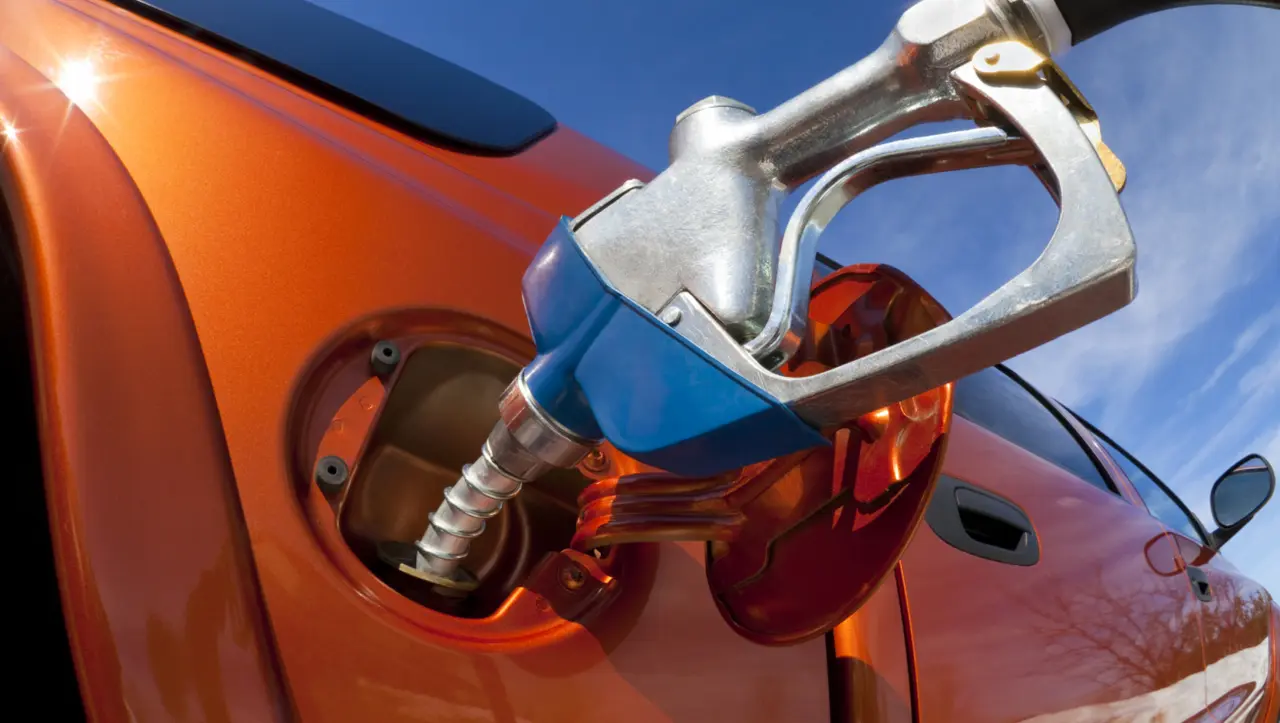
Your Car Is Using Too Much Fuel? Here's What You Should Check
If your vehicle has started consuming more fuel than usual, it can affect not only your budget but also indicate an underlying mechanical issue. In many cases, increased fuel consumption is caused by problems that can be identified through simple inspections and regular maintenance.
Below are the most common reasons why your car may be using more fuel than expected and what you should check.
Check Tire Pressure and Condition
Low tire pressure increases rolling resistance, forcing the engine to work harder and consume more fuel.
To improve fuel efficiency:
-
Keep your tires inflated to the manufacturer's recommended pressure.
-
Replace worn tires with low tread depth.
-
Use season-appropriate tires (summer or winter).
Inspect the Air Filter
A clogged air filter restricts airflow to the engine, disrupting the air-fuel mixture and reducing combustion efficiency.
It's recommended to:
-
Inspect the air filter regularly.
-
Clean or replace it if it's dirty.
-
Check it more frequently if you mainly drive in city traffic or dusty environments.
Check Engine Oil and Maintenance
Old or poor-quality engine oil increases internal friction, making the engine work harder and burn more fuel.
For the best performance:
-
Use the correct oil viscosity recommended by the manufacturer.
-
Follow scheduled maintenance intervals.
-
Check the engine oil level regularly.
Inspect the Spark Plugs and Ignition System
Faulty spark plugs can prevent complete combustion, causing the engine to consume more fuel.
Make sure to:
-
Replace spark plugs at the recommended mileage.
-
Have the ignition coils inspected if necessary.
-
Address engine misfires or performance loss without delay.
Review Your Driving Habits
Driving style has a significant impact on fuel consumption.
To save fuel:
-
Avoid rapid acceleration.
-
Maintain a steady speed whenever possible.
-
Minimize unnecessary idling.
-
Anticipate traffic to reduce harsh braking.
Check Wheel Alignment and Balancing
Poor wheel alignment or unbalanced wheels increase rolling resistance and make the engine work harder.
Consider having them checked if:
-
The steering wheel vibrates.
-
The vehicle pulls to one side.
-
You've recently replaced your tires.
Test the Engine Coolant Temperature Sensor
A faulty coolant temperature sensor may send incorrect data to the engine control unit, causing the engine to inject more fuel than necessary.
Watch for:
-
Unusual temperature gauge readings.
-
Poor fuel economy without an obvious cause.
If these symptoms appear, have the sensor inspected.
Use High-Quality Fuel
Low-quality fuel can reduce engine efficiency and increase fuel consumption.
For better performance:
-
Refuel at reputable service stations.
-
Avoid constantly switching fuel suppliers.
-
Use fuel additives only when recommended.
Inspect the Fuel Injectors and Fuel System
Dirty fuel injectors cannot spray fuel properly, resulting in incomplete combustion and increased fuel usage.
Recommended maintenance includes:
-
Injector cleaning when necessary.
-
Regular fuel filter replacement.
-
Fuel system inspection if maintenance has been neglected.
Reduce Vehicle Weight and Improve Aerodynamics
Extra weight and poor aerodynamics can noticeably increase fuel consumption.
You can improve efficiency by:
-
Removing unnecessary items from the trunk.
-
Taking off roof racks when they are not needed.
-
Using the air conditioner instead of driving with the windows fully open at highway speeds.
Final Thoughts
High fuel consumption is rarely caused by a single problem. In most cases, several small issues combine to reduce your vehicle's efficiency.
Regular maintenance, proper driving habits, and routine inspections can significantly improve fuel economy and help reduce operating costs.
If you've checked all of these areas and your vehicle is still consuming excessive fuel, it's a good idea to have it inspected by a qualified technician for a complete diagnostic evaluation.