TR
TR EN
EN

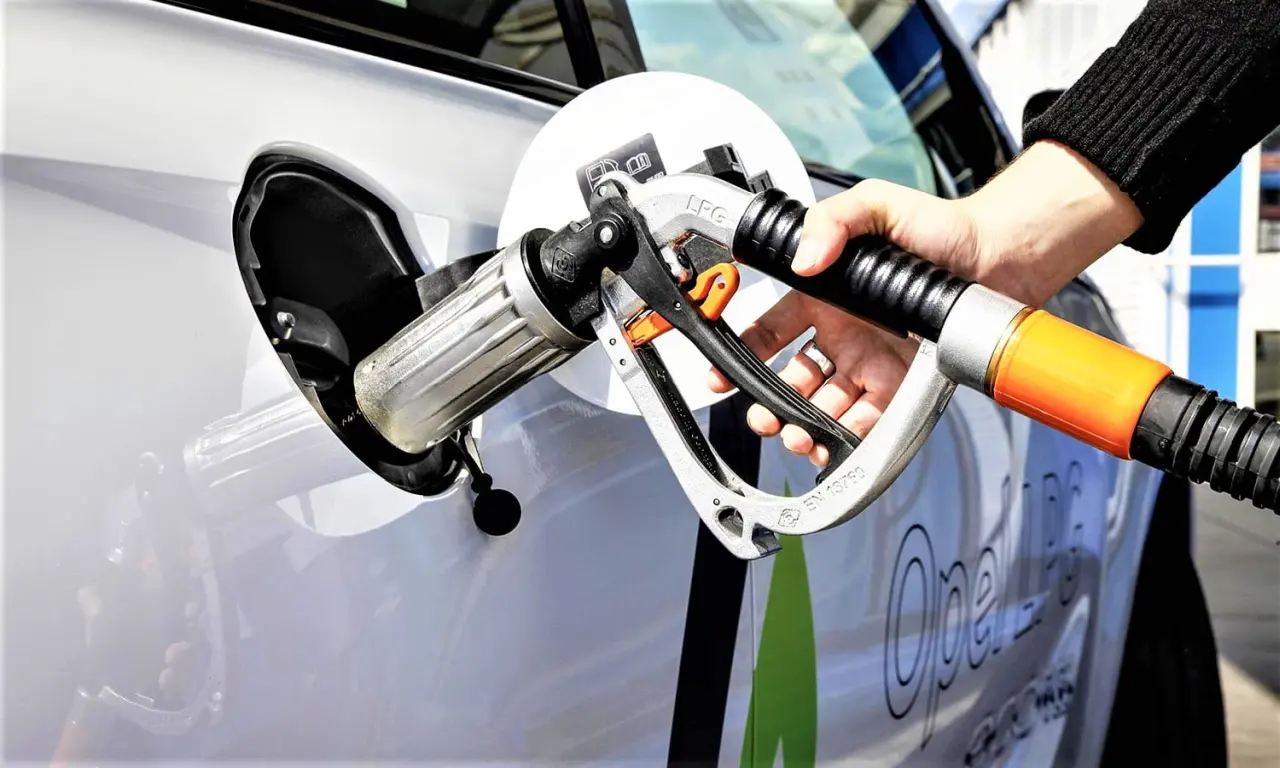
What Is LPG? Where Is LPG Used?
LPG stands for Liquefied Petroleum Gas. It is a fuel consisting mainly of propane and butane. LPG is widely used in automotive applications, homes, commercial kitchens, industrial facilities, agriculture, heating systems, camping equipment, and many other areas.
Under normal atmospheric conditions, LPG exists as a gas. When stored under pressure, however, it becomes a liquid. This property makes LPG much easier to store, transport, and distribute.
How Is LPG Produced?
LPG is mainly obtained from two sources.
Petroleum refineries: During the refining of crude oil, gases such as propane and butane are separated. These gases can then be processed and blended for use as LPG.
Natural gas processing: LPG components can also be recovered during natural gas processing. Propane and butane are separated from the natural gas stream and processed for commercial use.
For this reason, it would not be accurate to say that all LPG comes exclusively from crude oil or exclusively from natural gas.
Why Is LPG Stored as a Liquid?
One of LPG's most important characteristics is that it can be liquefied under pressure.
In its liquid form, LPG occupies considerably less space than it would as a gas. This makes it practical to store large amounts of fuel in relatively compact tanks.
For example, LPG used in vehicles is stored primarily as a liquid inside the fuel tank. During operation, the fuel is supplied to the LPG system and converted into the appropriate gaseous form before being delivered to the engine.
LPG tanks are not normally filled completely because the liquid fuel expands when its temperature increases. A suitable expansion space must therefore be maintained.
Where Is LPG Used?
LPG has a wide range of applications. Although usage patterns vary from country to country, some of the most common applications include automotive fuel, domestic energy, commercial cooking, industrial processes, agriculture, heating, and portable energy systems.
LPG in Cars
One of the best-known applications of LPG is as an automotive fuel.
Many gasoline-powered vehicles can be equipped with an LPG conversion system. Depending on the vehicle and LPG system, the installation may include an LPG tank, multivalve, filling connection, regulator, LPG injectors, filters, sensors, and an electronic control unit.
Modern sequential LPG systems use an electronic control unit to determine the appropriate amount of LPG according to engine operating conditions.
The main reason LPG is popular in passenger cars is its potential to reduce fuel costs compared with gasoline, depending on local fuel prices and vehicle consumption.
However, LPG conversion is not identical for every engine. Engine type, fuel injection technology, cylinder count, power output, turbocharging, direct injection, and ECU compatibility all affect the selection of the appropriate LPG system.
LPG in Commercial Vehicles
LPG can also be used in suitable commercial vehicles.
Taxis, light commercial vehicles, and other vehicles that travel long distances can benefit from the potentially lower operating cost of LPG.
However, the engine must be compatible with the conversion system, and the LPG installation must be properly selected, installed, and calibrated.
LPG in Homes
LPG is widely used for domestic applications, especially in areas without access to natural gas infrastructure.
Household LPG can be used for:
-
Cooking
-
Water heating
-
Space heating
-
Ovens
-
Stoves and other appliances
Domestic LPG is commonly stored in pressurized cylinders. The cylinder should be installed and used according to the applicable safety requirements, with appropriate ventilation and properly maintained connections.
LPG in Restaurants and Commercial Kitchens
Restaurants, cafés, bakeries, catering businesses, and other commercial kitchens often require significant amounts of heat.
LPG can be used for:
-
Commercial cooking equipment
-
Ovens
-
Grills
-
Water heating systems
-
Industrial kitchen appliances
Its portability is particularly useful in locations where natural gas infrastructure is unavailable.
For commercial applications, proper tank or cylinder capacity and a correctly designed fuel installation are important because fuel consumption can be considerably higher than in a typical household.
LPG in Industry
LPG is also used in many industrial applications.
Depending on the production process, LPG may be used for:
-
Metal heating
-
Cutting and brazing
-
Heat treatment
-
Industrial furnaces
-
Drying systems
-
Heating processes
-
Certain coating and manufacturing applications
Its high energy content and relatively easy transportation make LPG a practical energy source for some industrial operations.
LPG Forklifts
LPG is commonly used as a fuel for certain internal-combustion forklifts.
In some workplaces, LPG-powered forklifts can be an alternative to diesel-powered equipment. Their emissions characteristics differ from those of diesel engines, but this does not mean that LPG forklifts can be used without considering ventilation and workplace safety.
Indoor use requires adequate ventilation and compliance with applicable occupational safety requirements.
LPG in Agriculture
LPG has several applications in agriculture.
It can be used for:
-
Agricultural drying
-
Greenhouse heating
-
Water heating
-
Certain crop and weed-control equipment
-
Heating and cooking in agricultural facilities
The exact application depends on the type of agricultural operation and the available energy infrastructure.
LPG in Camping and Caravans
LPG is also widely used in camping equipment, motorhomes, and caravans.
It can provide energy for:
-
Cookers
-
Refrigerators
-
Water heaters
-
Space heaters
-
Hot-water systems
Its portability makes LPG particularly useful in locations where electricity or natural gas is not readily available.
LPG for Heating Systems
LPG can be used in heating systems where natural gas is unavailable.
Depending on the equipment, LPG may power boilers, heaters, water heaters, and other heating appliances.
Because LPG is stored under pressure, the tank, cylinder, regulator, piping, and other components must be suitable for LPG and installed according to the relevant technical and safety requirements.
What Are the Advantages of LPG?
LPG has several characteristics that make it useful in different applications.
Easy to store: Because LPG can be liquefied under pressure, a relatively large amount of fuel can be stored in a compact space.
Easy to transport: LPG can be transported in cylinders or tanks without requiring a permanent pipeline connection.
Versatile: LPG can be used in vehicles, homes, restaurants, industrial facilities, agricultural operations, and portable equipment.
High energy content: When used with appropriate equipment, LPG can provide a significant amount of thermal energy.
Relatively clean combustion: When properly burned, LPG can produce lower particulate emissions than some heavier liquid and solid fuels.
However, LPG is still a fossil-based fuel in its conventional form, so its environmental impact should be considered within the broader energy picture.
What Are the Disadvantages of LPG?
LPG also has some disadvantages that need to be considered.
First, LPG is a flammable fuel and is stored under pressure. Tanks, cylinders, valves, hoses, regulators, and other components must therefore be suitable for LPG and maintained properly.
LPG is naturally odorless. For safety purposes, commercial LPG is normally odorized so that a leak can be detected more easily.
Another important characteristic is that LPG vapor is heavier than air. If a leak occurs in a poorly ventilated area, the gas can accumulate in lower areas and potentially create a fire or explosion hazard.
For this reason, proper ventilation and leak detection are particularly important wherever LPG is stored or used.
Is LPG Safe?
LPG can be used safely when it is stored, installed, and handled correctly.
Basic safety practices include protecting LPG tanks and cylinders from physical damage and excessive heat, using appropriate valves and connections, and regularly checking the system for leaks or damage.
If an LPG smell is detected, the system should not simply be continued in normal operation. The source of the leak should be identified and repaired by a qualified person.
For vehicles, LPG conversion should be performed by a competent and appropriately authorized installer using components that are compatible with the vehicle and the LPG system.
Is LPG the Same as Natural Gas?
No. LPG and natural gas are different fuels.
LPG consists mainly of propane and butane, while natural gas consists primarily of methane.
They differ in:
-
Chemical composition
-
Storage method
-
Pressure
-
Density
-
Combustion characteristics
-
Fuel-system components
-
Appliance requirements
An appliance or fuel system designed for LPG should not simply be connected to natural gas without the appropriate conversion and technical adjustments.
What Is the Difference Between LPG and CNG?
LPG and CNG are also different fuels.
CNG stands for Compressed Natural Gas and consists mainly of methane. LPG, on the other hand, consists primarily of propane and butane.
One of the major differences is how they are stored.
LPG is stored under pressure in liquid form, while CNG remains in gaseous form and is stored at significantly higher pressures.
As a result, LPG and CNG use different tanks, pressure systems, fuel components, and vehicle applications.
LPG in Modern Vehicles
Modern LPG technology is considerably more advanced than older mixer-type systems.
Sequential LPG systems can monitor engine operating conditions and control the fuel injectors electronically. Depending on the system, information from the vehicle's ECU, oxygen sensors, manifold pressure sensors, engine temperature sensors, and other parameters can be used to improve fuel control.
This makes proper calibration extremely important.
An LPG system should not simply be installed and left without adjustment. Injector selection, regulator capacity, LPG pressure, fuel trims, injection times, and the relationship between gasoline and LPG operation should all be considered during calibration.
Does Every LPG Vehicle Need a Valve Saver?
No.
Some engines may be more sensitive to valve and valve-seat wear when operated on LPG, while others can operate on LPG for very high mileage without requiring an additional valve-protection system.
Valve-seat material, cylinder-head design, operating temperature, engine load, LPG calibration, mixture control, ignition system condition, and driving conditions can all affect valve wear.
A valve protection system can be useful for certain engines and applications, but it should not be considered mandatory for every LPG vehicle.
Does LPG Damage Engine Valves?
It is not correct to say that LPG automatically damages engine valves.
Some engines may be more susceptible to valve or valve-seat wear under certain operating conditions, but the result depends on the engine design and how the LPG system is installed and calibrated.
Incorrect fuel mixture, excessive engine temperature, poor LPG calibration, inadequate cooling, heavy high-rpm operation, or an engine design that is particularly sensitive to valve-seat wear can contribute to problems.
If an engine already has valve damage, an LPG additive or valve protection system cannot repair the mechanical damage. A proper mechanical diagnosis is required.
Is LPG Economical?
LPG can be economical, but the actual savings depend on several factors.
These include:
-
LPG and gasoline prices
-
Vehicle fuel consumption
-
LPG system calibration
-
Injector and regulator selection
-
Driving style
-
Traffic conditions
-
Annual mileage
-
Engine condition
-
Maintenance costs
A poorly calibrated LPG system can consume more fuel than expected and may also cause drivability or engine problems. Therefore, the lowest installation cost does not necessarily mean the lowest long-term operating cost.
The Future of LPG
LPG has been an important fuel for many years and continues to have applications in transportation, domestic energy, commercial kitchens, industry, agriculture, and portable energy systems.
At the same time, the energy sector is changing rapidly. Electric vehicles, hybrid systems, renewable energy, hydrogen, and other alternative technologies are becoming increasingly important in different applications.
Even so, LPG remains useful in areas where portability, energy density, and independence from natural gas infrastructure are important.
Its ability to serve multiple sectors is one of the main reasons LPG continues to have a place in the global energy market.