TR
TR EN
EN

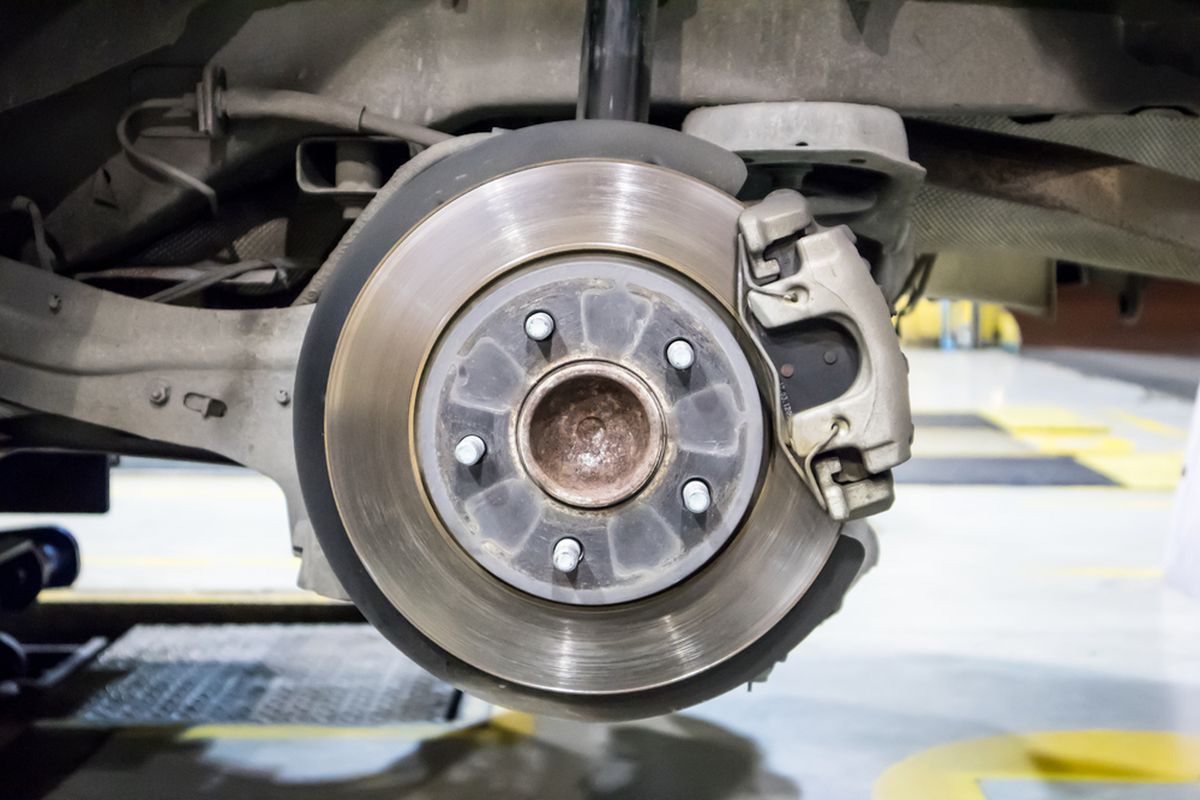
Why Does a Car Make Noise and Vibrate When You Press the Brake?
When you press the brake pedal, the vehicle should normally slow down smoothly and quietly. A small amount of mechanical noise can be normal in certain conditions, especially when the brakes are cold or the vehicle has been parked for a long time.
However, noise accompanied by vibration when braking should not be ignored. These symptoms can indicate problems with the brake discs, brake pads, calipers, wheel bearings, suspension components, tires, or even the brake system itself.
The type of noise and the way the vibration feels can provide important clues about the underlying problem.
What Does Brake Vibration Feel Like?
Brake vibration can appear in several different ways.
You may feel the vibration:
-
Through the brake pedal
-
Through the steering wheel
-
Through the entire vehicle
-
Through the driver's seat
-
Only at certain speeds
-
Only during hard braking
-
During almost every braking event
The location and behavior of the vibration are important.
For example, steering wheel vibration during braking often points toward a problem affecting the front brakes or front suspension, while a vibration felt mainly through the brake pedal can indicate an issue closer to the braking system itself.
However, these symptoms are not definitive on their own. A complete inspection is necessary.
Brake Disc Problems
One of the most common causes of braking vibration is a problem with the brake discs.
Brake discs operate under extremely high temperatures. Repeated heavy braking, overheating, incorrect installation, corrosion, or uneven contact with the brake pads can cause disc thickness variation or other surface problems.
This can produce a pulsating braking force.
The driver may feel the steering wheel or brake pedal repeatedly push back slightly as the wheel rotates.
Common symptoms of a brake disc problem include:
-
Brake pedal pulsation
-
Steering wheel vibration
-
Vehicle vibration during braking
-
Uneven braking
-
Judder during moderate or heavy braking
-
Noise from the brakes
-
Visible scoring or surface damage on the disc
A brake disc does not necessarily have to be visibly "warped" for these symptoms to occur. Disc thickness variation, uneven friction material transfer, runout, corrosion, and mounting-surface problems can all produce similar symptoms.
Brake Disc Runout
Brake disc runout means that the disc does not rotate perfectly within the required plane.
Even a relatively small amount of runout can cause the brake pads to move in and out as the disc rotates.
Over time, this can contribute to disc thickness variation and braking pulsation.
Possible causes include:
-
Incorrect disc installation
-
Dirt or rust between the hub and disc
-
A damaged wheel hub
-
Excessive hub runout
-
Improper wheel installation
-
Disc deformation
-
Incorrect wheel bolt tightening
This is why simply replacing the brake discs without checking the hub and installation surfaces may not permanently solve the problem.
Uneven Brake Pad Wear
Brake pads should normally wear relatively evenly.
If one pad is significantly thinner than another, the braking force may become inconsistent.
Uneven pad wear can be caused by:
-
A sticking caliper piston
-
Seized caliper guide pins
-
Incorrectly installed brake pads
-
Corrosion in the caliper bracket
-
Restricted brake hose
-
Brake pad contamination
-
Mechanical damage
Uneven pad contact can produce noise, vibration, pulling, and abnormal brake disc wear.
Worn or Glazed Brake Pads
Brake pads can become glazed when excessive heat changes the friction surface.
A glazed pad may have a hardened, shiny surface and can produce reduced friction or unusual noise.
Possible symptoms include:
-
Squealing
-
Grinding-like noise
-
Reduced braking response
-
Brake pedal feel that seems different
-
Vibration
-
Uneven friction
Glazing can occur after severe overheating, repeated aggressive braking, improper bedding-in, or prolonged brake drag.
However, brake noise alone does not automatically mean that the pads are glazed.
Brake Pad Contamination
Brake pads contaminated with oil, grease, brake fluid, or other substances can behave abnormally.
Contamination can cause:
-
Squealing
-
Judder
-
Reduced braking performance
-
Uneven friction
-
Pulling to one side
A contaminated brake pad generally should not simply be cleaned and returned to service without considering the extent and source of contamination.
The source of the contamination must also be repaired.
Sticking Brake Caliper
A brake caliper that does not release correctly can cause continuous contact between the brake pad and disc.
This can produce:
-
Burning smell
-
Excessive brake heat
-
Brake noise
-
Vehicle pulling
-
Increased fuel consumption
-
Premature pad wear
-
Premature disc wear
-
Wheel vibration
After driving, one wheel may be significantly hotter than the others.
A sticking caliper is an important fault because excessive heat can damage multiple brake components.
Faulty Caliper Guide Pins
Floating brake calipers depend on guide pins to move correctly.
If a guide pin becomes seized because of corrosion, lack of lubrication, damaged boots, or contamination, the caliper may not center properly over the disc.
This can cause uneven pad wear and inconsistent braking.
A guide-pin problem can sometimes be mistaken for a defective brake disc.
Brake Dust Shield or Backing Plate Contact
Not every braking noise comes from the brake pads or discs.
A damaged or bent brake dust shield can contact the rotating brake disc.
This can create:
-
Scraping
-
Rubbing
-
Metallic noise
-
Noise that changes with vehicle speed
The shield can sometimes be bent by road debris, an impact, or incorrect work around the wheel area.
This type of noise may occur even when the braking system itself is functioning correctly.
Wheel Bearing Problems
A worn wheel bearing can sometimes contribute to vibration and noise that becomes more noticeable during braking.
Typical wheel bearing symptoms may include:
-
Humming
-
Growling
-
Rumbling
-
Vibration
-
Changes in noise when cornering
-
Excessive wheel play in severe cases
A wheel bearing problem can be difficult to distinguish from tire, brake, or suspension problems without inspection.
Suspension Problems Can Become More Noticeable During Braking
Braking transfers weight toward the front of the vehicle.
This increases the load on the front suspension.
If components such as control-arm bushings, ball joints, tie rods, or other suspension components are worn, braking may make an existing problem much more noticeable.
Possible symptoms include:
-
Clunking
-
Knocking
-
Steering wheel vibration
-
Vehicle pulling
-
Unstable steering
-
Uneven tire wear
A brake inspection should therefore sometimes include the suspension and steering systems.
Worn Control-Arm Bushings
Control-arm bushings help control suspension movement while isolating vibration and road shocks.
When they become cracked, excessively soft, or separated, the wheel can move more than intended during braking.
The driver may experience:
-
Steering instability
-
Braking vibration
-
Clunking
-
Pulling
-
Uneven tire wear
In some cases, the brake system is perfectly functional but worn suspension components create the sensation of braking instability.
Tire and Wheel Problems
A braking vibration does not always originate from the brakes.
A damaged tire, bent wheel, improper wheel balance, or uneven tire wear can also create vibration.
These problems may become more noticeable during braking because the suspension and tire contact forces change as the vehicle decelerates.
Inspect for:
-
Uneven tread wear
-
Tire bulges
-
Flat spots
-
Damaged sidewalls
-
Bent wheels
-
Loose wheel bolts
-
Incorrect tire pressure
A severely damaged tire should be treated as a safety issue.
Loose Wheel Bolts or Incorrect Wheel Installation
A wheel that is not correctly secured can create serious vibration and safety problems.
Improper wheel installation can also contribute to brake disc runout if the wheel is tightened unevenly or excessively.
Wheel bolts or lug nuts should always be tightened according to the vehicle manufacturer's specified procedure and torque.
Do not assume that "tighter is always better."
Why Does the Steering Wheel Vibrate When Braking?
If the steering wheel shakes primarily when you brake, the front braking and suspension systems deserve particular attention.
Possible causes include:
-
Front brake disc runout
-
Disc thickness variation
-
Uneven brake pad deposits
-
Front caliper problems
-
Worn control-arm bushings
-
Worn ball joints
-
Tie-rod problems
-
Wheel bearing issues
-
Tire or wheel problems
The speed at which the vibration appears can also provide useful diagnostic information.
For example, a vibration that becomes progressively stronger at higher braking speeds may behave differently from a vibration that appears only during very hard braking.
Why Does the Brake Pedal Vibrate?
A pulsating brake pedal can occur when the rotating brake assembly produces periodic changes in brake pad contact or hydraulic response.
Possible causes include:
-
Brake disc thickness variation
-
Disc runout
-
Uneven friction material transfer
-
ABS activation
-
Wheel-speed sensor problems
-
Brake system faults
There is an important distinction here.
If the vibration occurs during hard braking on a slippery surface, you may actually be feeling normal ABS operation.
ABS rapidly modulates brake pressure when wheel lock is detected. This can cause a rapid pulsing sensation in the brake pedal.
That is different from a vibration that occurs consistently during ordinary braking on dry pavement.
Brake Noise: What Does Each Sound Mean?
The type of noise can provide additional clues.
Squealing
High-pitched squealing can result from brake pad vibration, pad material characteristics, contamination, glazing, insufficient lubrication at appropriate contact points, or other brake hardware issues.
Some brake pads can also produce occasional noise even when they are functioning correctly.
Grinding
Grinding is more concerning.
It may indicate severely worn brake pads allowing the backing plate to contact the disc.
It can also result from severe disc damage or foreign material.
If significant grinding occurs during braking, the vehicle should be inspected promptly.
Scraping
A scraping sound can come from:
-
Brake pad wear
-
Dust shield contact
-
Foreign objects
-
Corrosion
-
Damaged brake hardware
The source should be identified before continuing to drive normally.
Clicking
Clicking can sometimes be associated with loose or incorrectly installed brake hardware.
It may also originate from suspension or drivetrain components and therefore should not automatically be blamed on the brake pads.
Clunking
A clunk when braking can indicate movement in suspension, steering, caliper hardware, or other components.
A loose brake component should be considered a serious possibility.
Why Do Brakes Make Noise When the Car Is Cold?
Some brake noise after the vehicle has been parked overnight can be normal.
Moisture can accumulate on brake discs and produce a thin layer of surface corrosion.
The first few braking applications can then produce temporary scraping or rubbing sounds.
This should normally disappear as the braking surfaces clean themselves.
However, persistent noise after the brakes have warmed up deserves inspection.
Why Do Brakes Vibrate Only at High Speed?
A vibration that appears mainly during high-speed braking can be associated with brake disc runout, disc thickness variation, wheel or tire problems, suspension looseness, or other rotating components.
High-speed braking generates greater thermal and mechanical loads, which can make a relatively small problem much more noticeable.
A professional inspection should measure the relevant components rather than relying only on visual inspection.
Why Does the Car Pull to One Side When Braking?
If the vehicle pulls left or right during braking, braking force may not be equal at both sides.
Possible causes include:
-
Sticking brake caliper
-
Uneven brake pad wear
-
Contaminated brake pad
-
Restricted brake hose
-
Different tire conditions
-
Suspension problems
-
Wheel alignment problems
A vehicle that strongly pulls to one side under braking should not be ignored.
Can Brake Vibration Damage the Car?
Continuing to drive with severe brake vibration can allow the underlying problem to become worse.
Depending on the cause, continued operation can lead to:
-
Faster brake pad wear
-
Brake disc damage
-
Excessive heat
-
Caliper damage
-
Tire wear
-
Suspension wear
-
Reduced braking performance
In serious cases, the problem can affect vehicle stability and stopping distance.
How Is Brake Noise and Vibration Diagnosed?
A proper diagnosis should not begin with automatically replacing the brake discs.
A technician should inspect the entire system.
The inspection may include:
-
Brake pad thickness
-
Brake disc condition
-
Disc runout
-
Disc thickness variation
-
Caliper piston operation
-
Caliper guide pins
-
Brake hardware
-
Brake hoses
-
Wheel bearings
-
Suspension components
-
Steering components
-
Tires and wheels
-
Wheel installation and torque
-
ABS operation
-
Wheel-speed sensor data
A road test can also be useful because the technician can reproduce the exact conditions under which the vibration or noise occurs.
When Should You Stop Driving the Vehicle?
Some brake noises are minor, but certain symptoms require immediate attention.
Do not continue normal driving if you experience:
-
Significantly reduced braking performance
-
Severe grinding
-
Brake fluid leakage
-
A brake pedal that becomes soft or sinks
-
Strong pulling during braking
-
Severe steering wheel vibration
-
Burning smell from a wheel
-
A wheel that becomes excessively hot
-
Brake warning or ABS warning lights accompanied by braking problems
-
A loose or abnormal brake pedal
-
Loud mechanical knocking from the brake area
The braking system is a primary safety system. If braking performance changes significantly, the vehicle should be inspected before further driving.
Final Thoughts
Noise and vibration when pressing the brake pedal are not always caused by a defective brake disc.
Brake discs and pads are common causes, but calipers, guide pins, wheel bearings, tires, wheels, suspension components, brake hardware, ABS operation, and even incorrect wheel installation can produce similar symptoms.
The most useful diagnostic clues are when the vibration occurs, where you feel it, what the noise sounds like, whether the vehicle pulls to one side, and whether the symptoms change with speed or braking force.
Rather than replacing brake components based only on symptoms, the complete braking, wheel, steering, and suspension systems should be inspected. This approach is more likely to identify the actual cause and prevent the same vibration or noise from returning.