TR
TR EN
EN

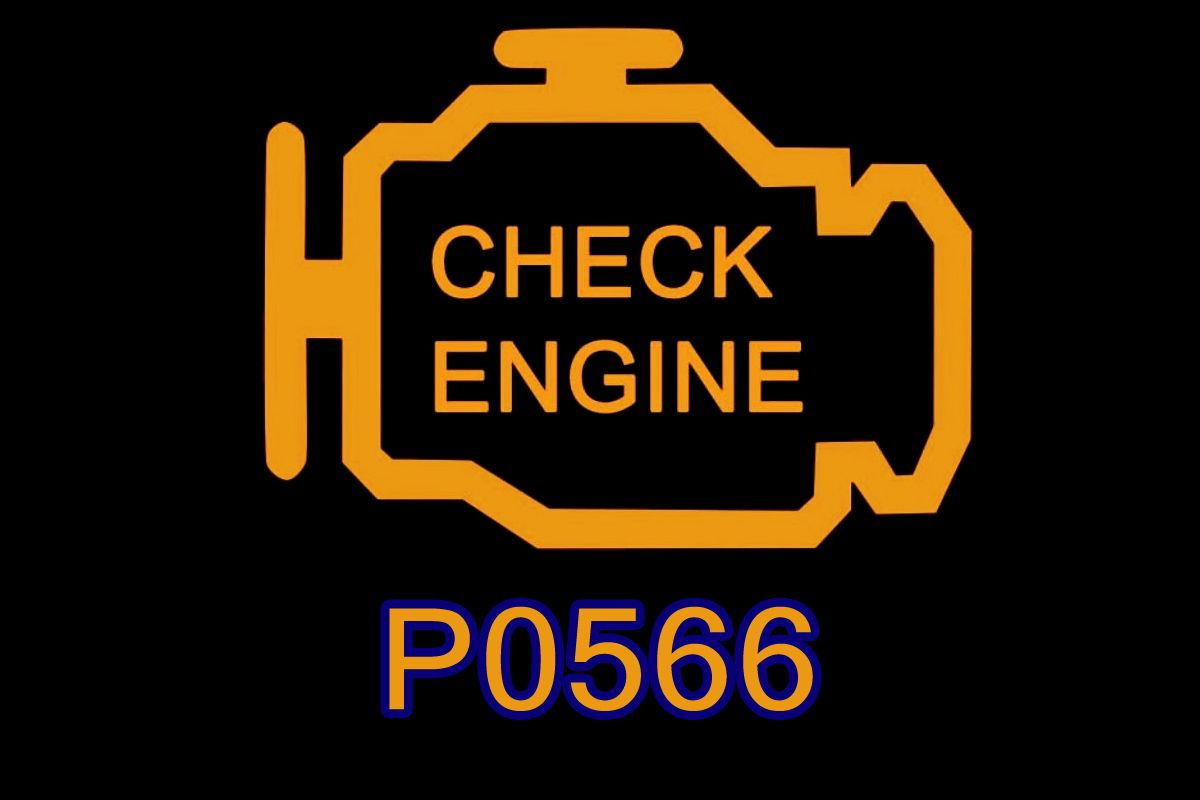
P0566 Cruise Control "OFF" Signal Malfunction
The P0566 trouble code indicates that the vehicle's control module has detected a problem with the OFF signal of the cruise control system.
The OFF command is used by the driver to cancel or deactivate cruise control without necessarily applying the brake. When the control module receives this command, it should recognize that the driver wants cruise control to stop controlling vehicle speed.
P0566 does not automatically mean that the OFF button or cruise control switch is defective. The code means that the electrical signal associated with the OFF command is not behaving as the control module expects. The underlying cause can be the switch itself, wiring, connectors, a resistor network, the steering-wheel clock spring, a reference circuit, or less commonly the control module.
What the Cruise Control "OFF" Signal Does
Cruise control systems normally have several driver inputs, depending on the vehicle:
-
ON
-
OFF
-
SET
-
COAST
-
RESUME
-
ACCEL
The OFF command tells the system to deactivate cruise control.
This is different from simply pressing the brake. The brake pedal is normally a separate safety input that causes cruise control to disengage.
On some vehicles, pressing OFF may cancel cruise control completely, while on others the exact behavior depends on the design of the cruise-control system.
Why P0566 Is Called a "Signal Malfunction"
P0566 is not specifically a Circuit Low, Circuit High, or Circuit Open code.
The term "Signal Malfunction" means the control module has detected that the OFF signal is incorrect, implausible, intermittent, missing when expected, or otherwise outside the expected operating logic.
For example, the control module might see an OFF signal when the driver is not pressing the button. Alternatively, the signal may fail to appear when the OFF switch is pressed.
On systems using a resistor-based switch network, the module may also see the wrong voltage and interpret the driver's command incorrectly.
How Cruise Control Switch Signals Are Generated
A common design uses several switches connected to an input circuit through different resistance values.
The control module measures the voltage on the circuit and determines which button has been pressed.
For example, the electrical values associated with ON, OFF, SET, and RESUME may all be different.
This means a problem affecting one small part of the circuit can cause the module to see an unexpected command.
A worn switch contact, damaged wire, corroded terminal, or incorrect resistance can therefore trigger P0566 even though the switch appears mechanically normal.
Common Causes of P0566
Faulty OFF switch
The internal contacts of the cruise-control switch can wear, become contaminated, or develop increased resistance.
The button may still click normally, but the electrical signal may no longer be correct.
Damaged wiring
A broken, partially broken, chafed, or shorted wire can interfere with the OFF signal.
Intermittent wiring faults are particularly difficult because the system may work normally for long periods before the fault appears.
Poor connector connection
Loose terminals, corrosion, moisture, or poor terminal tension can change the electrical characteristics of the circuit.
Incorrect switch resistance
If the vehicle uses a resistor-based cruise-control switch assembly, the resistance associated with the OFF command may be outside the manufacturer's specification.
The control module can then interpret the signal as another button or as an invalid input.
Faulty steering-wheel clock spring
When cruise-control controls are mounted on the steering wheel, the signal normally has to pass through the clock spring.
A damaged clock spring can cause intermittent communication between the steering-wheel switches and the vehicle's control module.
If the OFF command fails depending on steering-wheel position, this area deserves particular attention.
Short to ground or voltage
An unwanted connection to ground or another voltage source can alter the signal reaching the module.
This is especially relevant on resistor-based switch circuits because the module depends on relatively precise voltage levels to identify the driver's command.
Reference voltage or ground problem
If the switch circuit relies on a reference voltage or shared ground, a problem in that supply can affect the interpretation of the OFF command.
Control module fault
A problem with the module's input circuitry is possible, but it should generally be considered after the external circuit has been properly tested.
Symptoms You May Notice
P0566 can produce different symptoms depending on the vehicle and the nature of the fault.
Possible symptoms include:
-
Cruise control will not activate.
-
Cruise control works but cannot be switched OFF normally.
-
Cruise control becomes unavailable.
-
The OFF button works intermittently.
-
Cruise control disengages unexpectedly.
-
The cruise-control warning light illuminates.
-
P0566 appears as a stored or pending code.
-
Other steering-wheel cruise-control buttons behave incorrectly.
-
The system works normally until a particular button is pressed.
One important point is that the OFF signal is safety-relevant. The cruise-control system needs to know when the driver wants it to stop operating.
For this reason, some vehicles may disable cruise control completely when an unreliable OFF input is detected.
Diagnosing P0566
The first step should be to scan the vehicle for all stored and pending DTCs.
Do not look at P0566 in isolation. Other codes involving cruise control, brake switches, steering-wheel controls, ABS/ESC, communication networks, or related modules may provide important information.
If the scan tool provides live data for cruise-control switch inputs, monitor the OFF command while pressing and releasing the switch.
The expected behavior is a clear and repeatable change in the switch status.
If the OFF button is pressed but the control module does not recognize the command, the switch circuit becomes a primary area of investigation.
If the module recognizes the OFF command correctly but cruise control still refuses to disengage, the technician should investigate the rest of the cruise-control logic and related inputs.
Testing the OFF Switch
The OFF switch should be tested according to the manufacturer's wiring diagram and specifications.
If the system uses a resistor network, measure the relevant resistance or voltage and compare it with the manufacturer's specified value.
There is no universal resistance value that applies to every vehicle.
The important question is whether the electrical value produced by the OFF switch matches what the specific control module expects.
The signal should also remain stable while the button is pressed and released repeatedly.
A signal that jumps between values, disappears, or produces an unexpected voltage can indicate a switch or wiring problem.
Checking the Clock Spring
For steering-wheel-mounted cruise controls, the clock spring is an important part of the electrical path.
The clock spring allows the steering wheel to rotate while maintaining electrical connections between the steering-wheel controls and the vehicle wiring.
If the internal conductors become worn or damaged, the OFF signal may become intermittent.
A useful diagnostic clue is a fault that changes depending on steering-wheel position.
If other steering-wheel functions are also experiencing intermittent problems, the clock spring becomes even more relevant.
Nevertheless, it should not be replaced simply because P0566 is stored. The circuit should be tested first.
Inspecting Wiring and Connectors
The wiring between the cruise-control switch and the relevant control module should be inspected carefully.
Look for:
-
Broken or partially broken wires
-
Chafed insulation
-
Pinched wiring
-
Loose connector terminals
-
Corrosion
-
Water contamination
-
Poor previous repairs
-
Damaged steering-column wiring
-
Terminals that have lost their proper contact tension
A simple continuity test may not reveal an intermittent problem.
A wire can have continuity while sitting still but develop excessive resistance when it is moved.
For this reason, monitoring the switch signal while carefully moving the harness can sometimes expose a fault that is otherwise difficult to reproduce.
Could the Brake Switch Cause P0566?
The brake switch is a separate and extremely important cruise-control input, but P0566 specifically concerns the OFF signal.
A brake-switch problem should therefore not automatically be blamed for this code.
However, if brake-switch-related DTCs are also present, or if the scan tool shows implausible brake-switch status, that issue should be investigated because the cruise-control system uses several inputs together to determine whether it is safe to remain active.
Why Replacing the Cruise Control Switch May Not Fix P0566
Replacing the OFF switch can solve P0566 if the switch is actually defective, but the code itself does not prove that.
The control module is reporting a problem with the signal, not identifying a particular failed component.
A better diagnostic approach is to verify:
OFF switch → switch resistance/voltage → connector → wiring → clock spring if applicable → reference and ground circuits → control-module input
The exact circuit arrangement depends on the vehicle.
This is particularly important when the fault is intermittent. Replacing parts without reproducing and measuring the fault can easily result in unnecessary repairs.
Can You Drive With P0566?
P0566 generally does not indicate a direct engine or transmission failure. The vehicle will often remain fully driveable using the accelerator and brake pedals normally.
The problem is primarily related to the cruise-control system.
However, if the system has an unreliable OFF input, it is better to diagnose the problem rather than continuing to depend on cruise control. The system must reliably recognize the driver's commands before it can be considered trustworthy.
P0566 Compared With Other Cruise Control Signal Codes
P0566 belongs to a group of cruise-control input-related DTCs.
The distinction between these codes is important because they identify different commands or electrical conditions.
P0566 specifically points toward the OFF signal, while nearby codes may concern the ON, SET, RESUME, or ACCEL commands.
This allows diagnosis to be narrowed down to the relevant input rather than assuming that the entire cruise-control system has failed.
The Key Point About P0566
P0566 means the control module has detected an abnormality in the cruise-control OFF signal.
It does not automatically mean that the OFF switch is bad.
The fault can be caused by the switch, an incorrect resistor value, wiring, connector terminals, the steering-wheel clock spring, a reference or ground problem, or, less commonly, the control module itself.
The most reliable diagnosis is to observe the OFF input with a scan tool and then electrically test the circuit using the vehicle-specific wiring diagram and manufacturer's voltage/resistance specifications.
If the OFF button works intermittently, the switch, connector, wiring, and clock spring should receive particular attention. If the OFF command is never recognized by the control module, the electrical signal path should be tested before replacing any expensive components.