TR
TR EN
EN

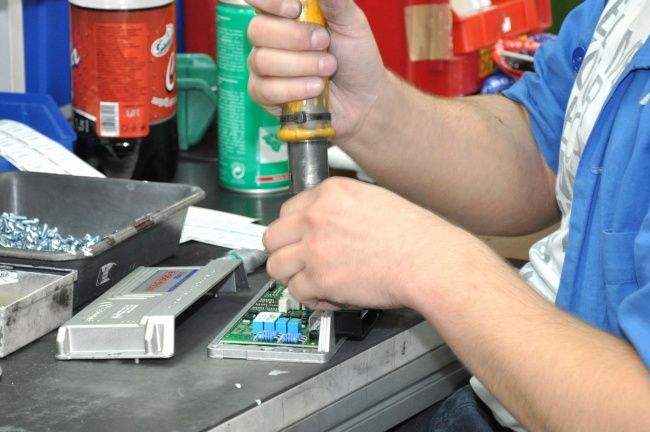
LPG ECU Faults and Their Symptoms
The LPG ECU is the electronic control unit responsible for managing the LPG system in a modern LPG-converted vehicle. It processes information from sensors, communicates with the vehicle's original engine ECU, controls the LPG injectors, and adjusts the amount of LPG supplied to the engine.
When an LPG ECU develops a problem, the symptoms can be confusing because an ECU fault may resemble a problem with the LPG injectors, reducer, pressure sensor, temperature sensor, wiring, or even the vehicle's gasoline system.
For this reason, an LPG ECU should not be replaced simply because the vehicle has poor LPG operation. The electrical supply, wiring, sensors, communication signals, and calibration should be checked first.
What Does the LPG ECU Control?
A sequential LPG system normally uses the LPG ECU as the central control unit of the conversion system.
Depending on the system, the ECU can receive information from:
-
Gasoline injector signals
-
Engine RPM
-
LPG pressure sensor
-
LPG temperature sensor
-
Reducer temperature sensor
-
MAP/manifold pressure
-
Battery voltage
-
Throttle/load information
-
Oxygen sensor or fuel-trim information
-
Communication data from the original vehicle ECU
The LPG ECU uses this information to calculate LPG injector opening times.
It can also modify the injection strategy according to engine speed, load, temperature, pressure, acceleration, deceleration, and other operating conditions.
Common Symptoms of an LPG ECU Fault
An LPG ECU problem can produce several different symptoms.
The most common ones include:
-
The vehicle does not switch to LPG
-
The LPG system switches back to gasoline unexpectedly
-
The engine stalls during LPG changeover
-
Rough idle on LPG
-
Misfire during acceleration
-
Sudden loss of power
-
Poor throttle response
-
Increased LPG consumption
-
LPG injectors do not operate correctly
-
Incorrect LPG pressure or temperature readings
-
LPG warning light or buzzer activates
-
LPG diagnostic software cannot communicate with the ECU
-
Intermittent LPG operation
-
Engine warning light comes on
-
Fuel trims become excessively positive or negative
-
The engine runs normally on gasoline but poorly on LPG
-
The LPG system works when cold but develops problems when hot
These symptoms do not necessarily mean that the LPG ECU itself has failed. A problem in another component can produce almost identical symptoms.
The LPG System Does Not Switch to LPG
One of the most noticeable symptoms is that the vehicle remains on gasoline.
Normally, the LPG system waits for certain conditions before switching to LPG. These can include sufficient reducer temperature, appropriate engine speed, stable LPG pressure, and correct sensor signals.
If one of these conditions is not detected correctly, the LPG ECU may prevent the changeover.
Possible causes include:
-
Faulty LPG temperature sensor
-
Incorrect reducer temperature reading
-
Low LPG pressure
-
Faulty pressure sensor
-
Damaged LPG injector circuit
-
ECU power-supply problem
-
Wiring or connector fault
-
Incorrect LPG ECU configuration
-
Faulty changeover settings
-
LPG ECU communication problem
Therefore, failure to switch to LPG does not automatically mean that the ECU is defective.
The Engine Stalls When Switching to LPG
If the engine starts and runs correctly on gasoline but stalls immediately or shortly after switching to LPG, the problem is often related to LPG fuel delivery or calibration.
Possible causes include:
-
Incorrect LPG injector calibration
-
Insufficient reducer pressure
-
Incorrect LPG pressure setting
-
Incorrect temperature information
-
Faulty LPG injectors
-
Incorrect injector selection in the software
-
Air or vacuum leaks
-
Poor reducer performance
-
Incorrect changeover settings
-
LPG ECU output or control problems
If the ECU receives incorrect pressure or temperature information, it may calculate an inappropriate LPG injection quantity.
Rough Idle on LPG
A rough idle is another common symptom associated with LPG system problems.
The engine may run smoothly on gasoline but shake, fluctuate, or nearly stall when operating on LPG.
Possible causes include:
-
Incorrect LPG calibration
-
LPG injector imbalance
-
Incorrect LPG pressure
-
Reducer instability
-
Vacuum leak
-
Faulty MAP sensor
-
Incorrect temperature reading
-
Ignition system weakness
-
Incorrect fuel trims
-
LPG ECU configuration problems
The LPG ECU should therefore be diagnosed together with the rest of the fuel and ignition system.
Misfire During Acceleration
Some LPG ECU problems become noticeable only when the driver requests more power.
The vehicle may operate normally during gentle driving but hesitate or misfire during:
-
Hard acceleration
-
High RPM
-
Uphill driving
-
Heavy engine load
-
Rapid throttle opening
Under these conditions, the engine requires significantly more fuel.
If the LPG ECU calibration, injector capacity, pressure control, or sensor information is incorrect, the mixture can become too lean or otherwise unsuitable for the operating condition.
However, an LPG-related misfire can also be caused by weak ignition coils, worn spark plugs, poor plug condition, compression problems, or gasoline-system issues.
Unexpected Switching From LPG to Gasoline
If the LPG system repeatedly switches back to gasoline while driving, the ECU may be detecting a condition that it considers unsuitable for LPG operation.
Possible causes include:
-
LPG pressure dropping too low
-
Pressure sensor problems
-
Reducer unable to maintain pressure
-
Excessive LPG demand
-
Faulty temperature sensor
-
Electrical interruption
-
ECU reset
-
Poor ECU ground
-
Wiring problems
-
Incorrect software settings
A pressure drop under heavy load is particularly important.
The system may appear completely normal at idle but fail when the engine demands a large quantity of LPG.
LPG ECU Communication Failure
Sometimes the vehicle operates on LPG, but the diagnostic computer cannot communicate with the LPG ECU.
This can point toward:
-
ECU power-supply problems
-
Poor ground
-
Damaged communication wiring
-
Faulty diagnostic connector
-
Incorrect software
-
Communication protocol problems
-
ECU internal failure
Before replacing the ECU, technicians should verify that the ECU actually receives power and ground.
An ECU that appears "dead" may simply have a missing power supply or poor ground connection.
LPG ECU Power and Ground Problems
Electrical supply problems can produce symptoms that look like an internal ECU failure.
For example, an unstable ground connection can cause the ECU to reset intermittently.
The vehicle may then:
-
Switch unexpectedly to gasoline
-
Lose LPG settings
-
Stop communicating with diagnostic software
-
Produce random sensor values
-
Interrupt injector operation
-
Work normally after restarting
Battery voltage and charging-system condition should also be checked.
A weak battery or charging problem can cause electronic control units to behave abnormally, particularly during starting or when electrical loads change.
LPG Injector Control Problems
The LPG ECU controls the LPG injectors electronically.
If an injector output circuit develops a problem, the affected cylinder may experience:
-
Misfire
-
Rough running
-
Loss of power
-
Increased emissions
-
Increased fuel consumption
-
Cylinder-specific combustion problems
However, the injector itself may be the problem rather than the ECU.
A proper diagnosis should include injector resistance where applicable, wiring continuity, connector condition, injector control signals, and injector operation.
Blindly replacing the ECU without checking the injector circuit can lead to unnecessary expense.
Incorrect LPG Sensor Readings
The LPG ECU depends heavily on sensor information.
A faulty sensor can make the ECU appear defective even though the ECU is functioning correctly.
Important sensors include:
LPG pressure sensor
Reports LPG pressure and, depending on the sensor design, may also provide temperature information.
Reducer temperature sensor
Helps determine whether the system has reached the appropriate temperature for LPG operation.
MAP sensor
Provides information about manifold pressure and engine load.
LPG temperature sensor
Provides information about LPG temperature, which can influence fuel-density calculations and system control.
If a sensor reports an unrealistic value, the ECU may make incorrect fuel calculations.
Increased LPG Consumption
An LPG ECU does not necessarily cause high fuel consumption simply because it is "bad."
Excessive LPG consumption can result from:
-
Incorrect LPG calibration
-
Rich mixture
-
Incorrect pressure
-
Incorrect injector settings
-
Faulty temperature information
-
Faulty pressure/MAP sensor
-
Reducer problems
-
LPG injector leakage
-
Vacuum leaks
-
Ignition problems
-
Engine mechanical problems
Fuel trims should be considered when diagnosing this problem.
If the gasoline ECU is continuously correcting the mixture because the LPG system is too rich or too lean, the fuel-trim data can provide valuable information about LPG calibration.
Engine Warning Light When Running on LPG
The vehicle's original ECU may detect a combustion or mixture problem caused by incorrect LPG operation.
Possible results include:
-
Misfire codes
-
Fuel-trim codes
-
Oxygen-sensor-related codes
-
Catalyst-efficiency codes
-
Lean or rich mixture codes
This does not mean that the original gasoline ECU is necessarily defective.
An incorrectly calibrated LPG system can cause the gasoline ECU to detect abnormal combustion or air-fuel conditions.
This is why both the vehicle ECU and LPG ECU should be considered during diagnosis.
LPG ECU Resets
An LPG ECU that repeatedly resets can cause intermittent and difficult-to-reproduce problems.
Possible causes include:
-
Voltage drops
-
Poor ground
-
Loose power connection
-
Damaged wiring
-
Faulty relay
-
Corroded connector
-
Excessive electrical resistance
-
Internal ECU fault
If the system loses communication or returns to an unexpected operating state while driving, electrical testing should be performed before replacing the ECU.
LPG ECU Overheating
The ECU is installed in the engine compartment in many LPG conversions.
High temperatures, poor mounting locations, water exposure, and inadequate protection can contribute to electronic problems over time.
Excessive heat can accelerate deterioration of electronic components and connectors.
Possible symptoms may appear only after the engine compartment becomes hot.
For example, an LPG system might work normally when cold and begin malfunctioning after prolonged driving.
This type of temperature-dependent fault can be particularly useful during diagnosis.
Moisture and Corrosion
Water and moisture can cause serious electrical problems.
Potential entry points include:
-
ECU connectors
-
Wiring harness connections
-
Poorly sealed electrical joints
-
Damaged insulation
-
Improperly protected installation points
Corrosion can increase electrical resistance or create intermittent connections.
A connector may look acceptable from the outside while having corrosion or poor terminal contact internally.
LPG ECU Software and Calibration Problems
Not every LPG ECU problem is a hardware failure.
Incorrect software configuration can produce symptoms that resemble a defective ECU.
Examples include:
-
Incorrect injector type selected
-
Incorrect engine-cylinder configuration
-
Incorrect pressure settings
-
Incorrect sensor configuration
-
Incorrect reducer settings
-
Incorrect changeover parameters
-
Poor fuel-map calibration
-
Incorrect communication settings
After major LPG system repairs or component replacement, the system may need to be configured and calibrated correctly.
Can a Faulty LPG ECU Damage the Engine?
An LPG ECU problem does not automatically mean that engine damage will occur.
However, incorrect fuel control can become a serious issue if the engine is operated for a long time with an inappropriate air-fuel mixture.
For example, a persistent lean condition under high load can increase combustion temperatures and potentially contribute to abnormal combustion or excessive thermal stress.
A rich mixture can increase fuel consumption and emissions and may negatively affect the catalytic converter over time.
Therefore, persistent LPG operation problems should not simply be ignored.
How Is an LPG ECU Fault Diagnosed?
A proper diagnosis should begin with the basics.
First, the technician should determine whether the engine operates correctly on gasoline.
If the engine also has problems on gasoline, the LPG ECU should not automatically be blamed.
The next steps can include:
-
Reading LPG ECU fault codes
-
Reading the original engine ECU codes
-
Checking ECU power supply
-
Checking ECU ground
-
Measuring battery and charging voltage
-
Inspecting connectors
-
Checking wiring
-
Checking LPG pressure
-
Checking reducer temperature
-
Checking LPG temperature
-
Checking MAP data
-
Checking injector operation
-
Examining fuel trims
-
Checking oxygen-sensor feedback
-
Reviewing LPG calibration
-
Comparing LPG and gasoline operation
-
Testing the vehicle under the conditions in which the fault occurs
Live data is particularly useful because some LPG problems only appear while driving or under load.
When Should the LPG ECU Be Replaced?
The LPG ECU should generally be replaced only after other possible causes have been eliminated.
Before replacing it, technicians should verify:
Power supply: Is the ECU receiving the correct voltage?
Ground: Is the ground connection electrically reliable?
Communication: Can diagnostic equipment communicate with the ECU?
Sensors: Are pressure, temperature, and MAP values realistic?
Wiring: Are the input and output circuits intact?
Injectors: Are the injectors and their circuits operating correctly?
Calibration: Is the software configuration correct?
If these checks confirm an internal ECU problem, replacement may be justified.
Why Replacing the LPG ECU Immediately Can Be a Mistake
An LPG ECU is often blamed because it is the central component of the system.
However, many faults actually originate from a relatively simple problem such as a loose connector, damaged wire, poor ground, incorrect pressure, faulty sensor, or bad calibration.
Replacing the ECU without identifying the original cause can also leave the actual problem unresolved.
For example, installing another ECU will not permanently solve a voltage-supply problem, wiring fault, defective pressure sensor, or incorrectly adjusted reducer.
What Are the Most Common LPG ECU Fault Symptoms?
The symptoms can be summarized as follows:
-
LPG system does not activate
-
Vehicle switches back to gasoline
-
Engine stalls during fuel changeover
-
Rough idle
-
Misfire
-
Hesitation
-
Power loss
-
High LPG consumption
-
Unstable LPG pressure readings
-
Incorrect sensor values
-
Diagnostic communication failure
-
ECU resets
-
Intermittent LPG operation
-
Check engine light
-
Poor operation only when the engine is hot
-
Poor operation under heavy load
These symptoms can come from the LPG ECU, but they can also be caused by other parts of the LPG system.
The Most Important Point in LPG ECU Diagnosis
An LPG ECU is the brain of the LPG system, but not every LPG problem is an ECU problem.
A correct diagnosis should follow the system from the electrical supply to the sensors, pressure system, injectors, wiring, calibration, and communication with the vehicle's original ECU.
Especially when a vehicle runs normally on gasoline but develops problems only on LPG, the LPG system should be analyzed as a complete system rather than immediately replacing the ECU.
In many cases, identifying the exact operating condition in which the fault occurs—cold start, changeover, idle, acceleration, high RPM, heavy load, or hot operation—provides the most useful clue for finding the real cause.