TR
TR EN
EN

How Long Does a Hybrid Battery Last?
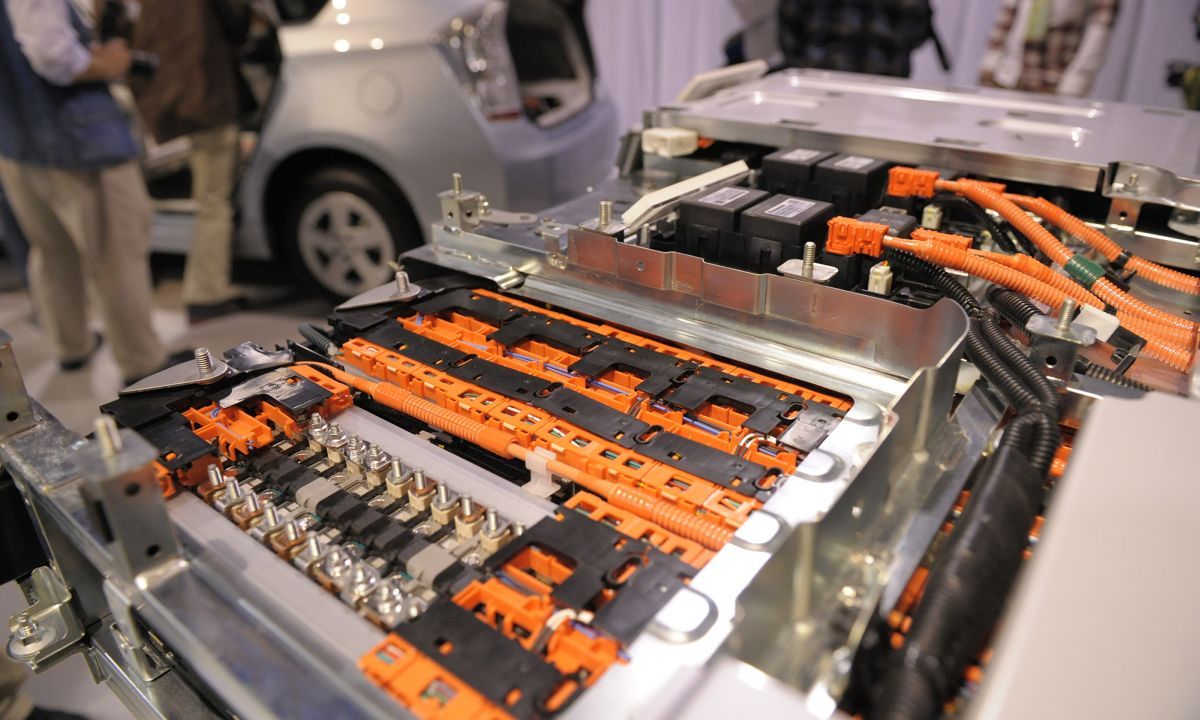
Hybrid batteries are among the most important and expensive components in hybrid vehicles. One of the first questions people ask when considering a hybrid car is how long the battery will last.
There is no single mileage or age at which every hybrid battery fails. Battery life depends on the hybrid system, battery chemistry, climate, driving conditions, cooling system, maintenance, and how the vehicle has been used.
In general, a modern hybrid battery can often last 8–15 years or approximately 160,000–300,000 km, and some batteries can exceed these figures when they are properly maintained and operated under favorable conditions.
An important point is that a hybrid battery usually does not suddenly go from “perfect” to “completely dead.” In many cases, its usable capacity gradually decreases over time.
How Does a Hybrid Battery Work?
A hybrid vehicle uses a high-voltage battery to supply electrical energy to the electric motor and to assist the gasoline engine.
When the vehicle slows down, the electric motor can operate as a generator and recover some of the vehicle's kinetic energy. This process is known as regenerative braking.
The battery management system continuously monitors battery temperature, voltage, current, and state of charge. It also prevents the battery from operating continuously at its absolute minimum or maximum charge level.
This operating strategy helps reduce battery stress and contributes to a longer service life.
How Many Years Does a Hybrid Battery Last?
Battery life varies considerably between vehicles, but the following ranges can provide a general idea.
8–10 years
At this age, some loss of battery capacity is normal. A well-maintained battery can still operate effectively.
10–15 years
Many properly maintained hybrid batteries can continue working during this period without requiring replacement.
More than 15 years
This is also possible with some vehicles. However, older batteries should be evaluated more carefully because cell imbalance, reduced capacity, and cooling-system problems become increasingly important.
Mileage should not be considered separately from age.
For example, a well-maintained hybrid with 200,000 km can have a healthier battery than a low-mileage vehicle that has spent years operating in extreme heat with poor battery cooling.
What Shortens Hybrid Battery Life?
Several factors can accelerate battery degradation.
High temperatures
Excessive heat is one of the biggest enemies of hybrid batteries.
Repeated exposure to high temperatures can accelerate chemical degradation inside the battery cells. This is why thermal management is an important part of a hybrid system.
Poor battery cooling
Many hybrid vehicles have a dedicated cooling system for the high-voltage battery.
Depending on the vehicle, this may include:
-
Cooling fans
-
Air ducts
-
Filters
-
Temperature sensors
-
Battery ventilation passages
Dust, hair, and other debris can restrict airflow and increase battery temperature.
This is particularly important in hot climates.
Long periods of inactivity
A hybrid vehicle that remains unused for very long periods should be stored according to the manufacturer's recommendations.
The 12-volt battery and high-voltage battery system can both be affected by extended storage, so proper storage procedures are important.
Extreme climate conditions
Very high temperatures can accelerate battery aging, while very low temperatures can temporarily reduce battery performance.
Modern hybrid vehicles use battery-management and thermal-management systems to minimize these effects, but extreme conditions can still influence long-term battery health.
Improper repairs
Hybrid batteries contain high-voltage electrical systems. Attempting to repair them without the correct equipment and knowledge can be extremely dangerous.
A hybrid battery problem should be diagnosed by a technician familiar with high-voltage systems.
What Are the Signs of a Weak Hybrid Battery?
A deteriorating hybrid battery can produce several symptoms.
Possible signs include:
-
Hybrid system warning lights
-
Increased fuel consumption
-
Reduced electric-only operation
-
Gasoline engine running more frequently than usual
-
Rapid changes in the battery state-of-charge indicator
-
Reduced acceleration performance
-
Changes in regenerative braking behavior
-
Battery cooling fan running frequently or loudly
-
Hybrid-related diagnostic trouble codes
-
A “Check Hybrid System” warning or similar message
However, none of these symptoms automatically proves that the hybrid battery itself has failed.
For example, increased fuel consumption can also be caused by low tire pressure, engine problems, a faulty thermostat, dragging brakes, an A/C problem, or other mechanical issues.
A proper diagnosis is therefore essential.
Is an OBD Scan Enough to Diagnose a Hybrid Battery?
Not always.
Reading diagnostic trouble codes is an important first step, but hybrid battery diagnosis generally requires more information.
A proper inspection may include checking:
-
Individual cell or module voltages
-
Voltage differences between modules
-
Battery temperature sensors
-
Battery current
-
Charge and discharge behavior
-
Cooling fan operation
-
Battery management system data
-
High-voltage connections
-
Electrical insulation
-
Stored and pending hybrid-system fault codes
Significant voltage differences between battery modules can indicate that some cells or modules have deteriorated more than others.
This information is much more useful than simply clearing a warning light and seeing whether it comes back.
Does the Entire Hybrid Battery Have to Be Replaced?
Not necessarily.
A weak hybrid battery does not always mean that the entire battery pack must immediately be replaced.
Depending on the battery design and the condition of the individual modules, a specialist may be able to identify weak modules or cell groups.
However, replacing only one weak module is not always the best long-term solution.
If the rest of the battery is already heavily aged, another module may fail later. A proper battery health assessment should therefore be performed before deciding between module-level repair and complete battery replacement.
New vs. Reconditioned Hybrid Battery
When a hybrid battery needs replacement, there are usually several possible options.
New original battery
This is usually the most expensive option, but it can provide the highest level of compatibility and reliability when installed correctly.
Professionally reconditioned battery
A professionally rebuilt battery can cost less than a new one. However, the condition of the replacement modules, balancing procedure, capacity testing, and warranty should be carefully evaluated.
Used battery
A used battery can initially appear attractive because of its lower price. The problem is that its actual age, usage history, and remaining capacity may be unknown.
Installing another old battery from a salvage vehicle may only postpone the problem.
Is a Used Hybrid Car Worth Buying?
Yes, but the battery should be inspected before purchase.
When buying an older hybrid, checking only the gasoline engine and transmission is not enough.
Before purchasing, consider the following:
Have the hybrid battery tested
The battery's overall health, module balance, voltage differences, and available diagnostic data should be checked.
Inspect the battery cooling system
The cooling fan, ventilation passages, filters, and related components should be inspected and cleaned when necessary.
Scan the complete hybrid system
The diagnostic scan should cover the hybrid battery and control systems rather than only the gasoline engine ECU.
Perform a proper test drive
Pay attention to how frequently the gasoline engine starts, how the vehicle transitions between electric and gasoline operation, regenerative braking, and changes in the battery state-of-charge indicator.
Check maintenance records
A documented maintenance history can provide valuable information about previous battery, cooling, and hybrid-system work.
How Can You Extend Hybrid Battery Life?
Several simple practices can help reduce unnecessary battery stress.
-
Keep battery cooling vents clear.
-
Have the battery cooling fan and air passages inspected periodically.
-
Avoid exposing the vehicle to extreme heat for prolonged periods when possible.
-
Follow the manufacturer's hybrid-system maintenance recommendations.
-
Do not ignore hybrid-system warning lights.
-
Avoid attempting high-voltage battery repairs yourself.
-
Have hybrid-system faults diagnosed by a qualified technician.
-
Follow the manufacturer's recommended procedure when storing the vehicle for an extended period.
Battery cooling is particularly important. A cooling system that is clogged or malfunctioning can cause the battery to operate at unnecessarily high temperatures.
Is Hybrid Battery Replacement Expensive?
Yes. A high-voltage hybrid battery can be one of the most expensive components in the vehicle.
However, replacement costs vary substantially between vehicles.
The price depends on factors such as:
-
Vehicle make and model
-
Battery capacity
-
Battery chemistry
-
New or reconditioned battery
-
Availability of replacement modules
-
Labor costs
-
Parts availability
-
Warranty coverage
For this reason, there is no universal price that applies to every hybrid vehicle.
When purchasing a used hybrid, it is better to determine the condition of the specific battery rather than simply estimating a future replacement cost based on the vehicle's age.
Can a Hybrid Battery Be Repaired?
In some cases, yes.
Hybrid battery repair can involve replacing defective modules, repairing connections, addressing cooling problems, or correcting battery-management issues.
However, battery repair should not be based solely on the first fault code that appears.
For example, a battery-related fault may sometimes be caused by a temperature sensor, wiring problem, cooling issue, or connection problem rather than a failed battery module.
A specialist should determine whether the battery itself is defective before recommending replacement.
Does Frequent Short-Distance Driving Damage a Hybrid Battery?
Short trips are not automatically harmful to a hybrid battery.
In fact, hybrid systems are designed to use electric power efficiently at low speeds and during acceleration.
However, repeated short trips can affect the vehicle as a whole. The gasoline engine may not always reach its ideal operating temperature, and the 12-volt battery, engine oil, exhaust system, and other components can also be affected by certain usage patterns.
Therefore, the effect of short-distance driving should be considered as part of the vehicle's overall maintenance rather than treating it as a direct cause of hybrid battery failure.
What Should You Check on a High-Mileage Hybrid?
High mileage alone is not a reason to reject a hybrid.
A high-mileage hybrid can still have a healthy battery if it has been properly maintained.
When inspecting a high-mileage example, pay particular attention to:
-
Hybrid battery health
-
Battery module balance
-
Battery cooling system
-
Hybrid-system fault codes
-
12-volt battery condition
-
Engine condition
-
Transmission or hybrid transaxle operation
-
Regenerative braking
-
Cooling system
-
A/C system
-
Suspension
-
Wheel bearings
-
Electrical components
-
Maintenance history
A vehicle with 250,000 km and excellent maintenance records may be a better purchase than a 120,000 km vehicle that has been neglected.
Final Verdict: How Long Does a Hybrid Battery Last?
A modern hybrid battery can often provide 8–15 years and approximately 160,000–300,000 km or more of service.
These figures should be considered general expectations rather than guaranteed limits.
Battery chemistry, thermal management, climate, driving conditions, cooling-system maintenance, and the vehicle's overall condition all influence battery life.
Most importantly, hybrid batteries usually deteriorate gradually rather than failing completely without warning.
If you are buying a used hybrid, do not judge the battery solely by the vehicle's age or mileage. A professional battery health test can provide much more useful information about its actual condition.
In short, a well-maintained hybrid battery can last a surprisingly long time. When buying a used hybrid, the most important questions are not simply “How many kilometers has the car done?” or “How old is the battery?”, but rather “What is the battery's current health?” and “Has the hybrid system been properly maintained?”