TR
TR EN
EN

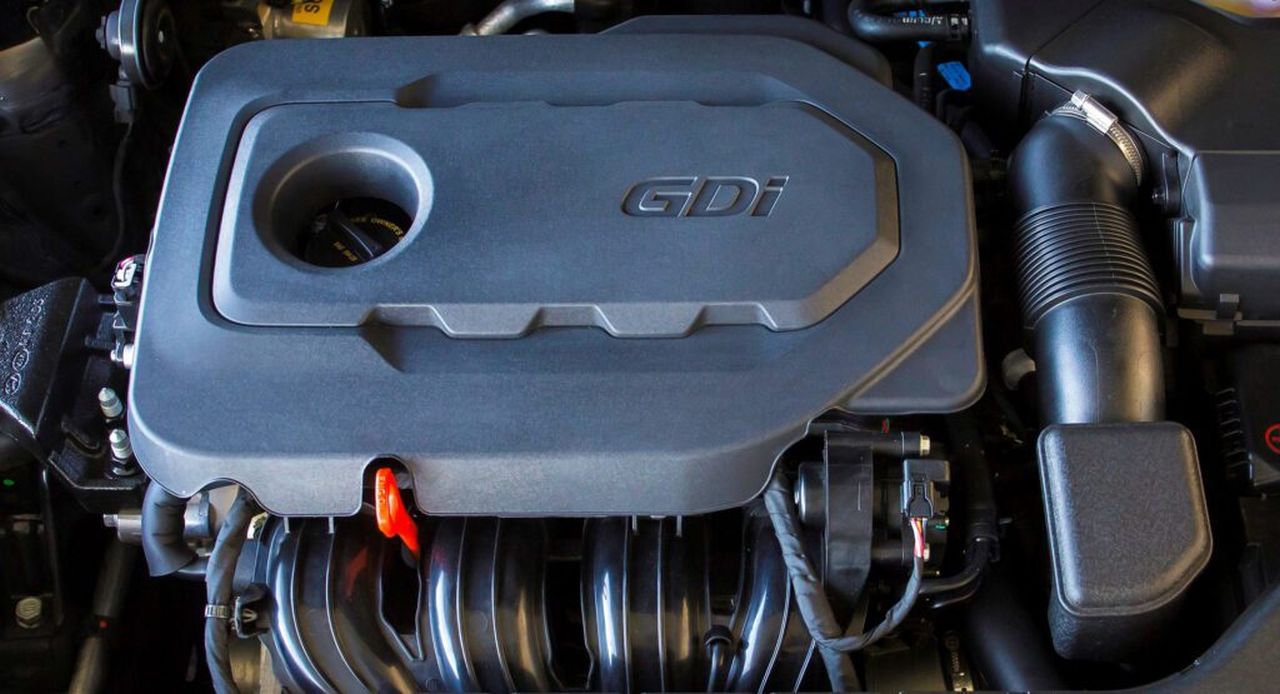
What Is a GDI Engine? How Does It Work? What Are the Advantages?
GDI stands for Gasoline Direct Injection. A GDI engine is a gasoline engine in which fuel is injected directly into the combustion chamber rather than into the intake manifold or intake port.
This is one of the major differences between GDI and traditional Multi-Point Fuel Injection (MPI) systems.
In a conventional MPI engine, the fuel injector is generally positioned in the intake port near the intake valve. Fuel mixes with incoming air before the mixture enters the cylinder.
In a GDI engine, however, gasoline is delivered directly into the cylinder at high pressure. The engine control unit can precisely control when the fuel is injected, how much fuel is injected, and, depending on the engine design, whether multiple injection events are used during a single combustion cycle.
This technology can improve fuel efficiency, engine performance, throttle response, and emissions control.
However, GDI engines also introduce additional components and potential maintenance concerns, particularly involving the high-pressure fuel system, injectors, and carbon deposits on intake valves.
How Does a GDI Engine Work?
The basic operating principle of a GDI engine is relatively straightforward: fuel is injected directly into the combustion chamber.
The engine control unit (ECU) constantly monitors information from various sensors, including:
-
Engine speed
-
Throttle position
-
Accelerator pedal position
-
Intake air pressure
-
Airflow
-
Coolant temperature
-
Oxygen sensor readings
-
Fuel pressure
-
Engine load
-
Crankshaft position
-
Camshaft position
Using this information, the ECU calculates how much fuel the engine needs and when that fuel should be injected.
The general fuel path is:
Fuel tank → low-pressure fuel pump → high-pressure fuel pump → fuel rail → GDI injectors → combustion chamber
The low-pressure fuel pump transfers gasoline from the fuel tank toward the engine.
The high-pressure fuel pump then increases the fuel pressure to the level required by the direct-injection system.
The pressurized fuel is supplied through the fuel rail to the GDI injectors.
The injectors then spray a precisely controlled amount of gasoline directly into each combustion chamber.
What Is the Difference Between GDI and MPI?
The biggest difference between the two systems is the location where fuel is injected.
In an MPI engine, fuel is injected into the intake port before the air enters the cylinder.
In a GDI engine, fuel is injected directly into the cylinder.
This difference affects much more than just injector location.
GDI engines require specially designed:
-
Fuel injectors
-
High-pressure fuel pumps
-
Fuel rails
-
Pistons
-
Combustion chambers
-
Engine management systems
-
Fuel pressure sensors
-
Injection control strategies
The combustion chamber and piston crown can also be specifically designed to help control how the injected fuel mixes with the incoming air.
Why Does a GDI Engine Need High Fuel Pressure?
Because the fuel injector has to spray gasoline directly into the combustion chamber, the fuel pressure must be sufficiently high to overcome the pressure inside the cylinder and create the required spray pattern.
This is why GDI systems generally have a dedicated High-Pressure Fuel Pump (HPFP).
The system usually has two stages.
Low-pressure side
An electric fuel pump inside or near the fuel tank supplies gasoline to the engine.
High-pressure side
The high-pressure pump increases the fuel pressure and sends the fuel to the fuel rail.
The GDI injectors receive this pressurized fuel and inject it directly into the cylinders.
A problem with either side of the system can affect engine operation.
How Is Fuel Injection Controlled in a GDI Engine?
Fuel injection timing is extremely important in a GDI engine.
The ECU does not necessarily use the same injection strategy under every operating condition.
The injection strategy can change according to engine speed, load, temperature, throttle position, and other parameters.
For example, the engine may use one strategy during light-load operation and another during heavy acceleration.
Some modern GDI engines can also use multiple injection events during a single engine cycle.
This allows the manufacturer to optimize combustion, emissions, noise, and performance.
The ECU therefore controls several important parameters.
Injection quantity
The ECU determines how much fuel is required.
Injection timing
The ECU determines when the injector should open.
Fuel pressure
The system maintains the appropriate fuel pressure for the current operating condition.
Injection pattern
The injector is designed to produce a specific spray pattern inside the combustion chamber.
All of these parameters work together to produce efficient combustion.
What Are the Advantages of a GDI Engine?
GDI technology was developed primarily to improve the efficiency and controllability of gasoline engines.
There are several important advantages.
Improved fuel efficiency
One of the biggest advantages of direct injection is the ability to control fuel delivery very precisely.
The ECU can adjust injection timing and quantity according to engine load and operating conditions.
This can reduce unnecessary fuel consumption and improve overall engine efficiency.
The actual fuel economy still depends on the engine design, vehicle weight, transmission, driving conditions, and calibration.
Higher engine efficiency
Because fuel is injected directly into the combustion chamber, engineers have greater control over the combustion process.
The engine can be designed around the characteristics of direct injection to achieve efficient combustion.
This can contribute to improved thermal efficiency.
Better throttle response
A well-calibrated GDI engine can provide quick throttle response because fuel delivery can be adjusted very precisely as engine load changes.
This is particularly useful in modern turbocharged gasoline engines.
Higher specific power
GDI technology works particularly well with turbocharging.
A turbocharger can supply a greater amount of air to the engine, while the direct-injection system delivers the required amount of fuel directly into the cylinders.
This combination allows relatively small engines to produce substantial power and torque.
Improved emissions control
Precise fuel control can help manufacturers manage combustion and emissions more effectively.
However, GDI alone does not determine the final emissions performance of an engine.
Other systems such as:
-
Catalytic converters
-
Oxygen sensors
-
EGR systems
-
Turbochargers
-
Gasoline particulate filters
-
Evaporative emission systems
-
Engine control software
can also play important roles.
GDI and Turbocharging
GDI and turbocharging are separate technologies, but they are frequently used together in modern gasoline engines.
The turbocharger increases the amount of air entering the engine.
The GDI system then supplies the appropriate amount of fuel directly into the combustion chamber.
This combination makes engine downsizing possible.
A smaller engine can produce the power and torque expected from a larger naturally aspirated engine while potentially providing better fuel economy under suitable operating conditions.
This is one reason why small turbocharged GDI engines have become so common.
However, turbocharged GDI engines can place greater demands on the oil, cooling, ignition, and fuel systems.
Proper maintenance is therefore particularly important.
Why Do GDI Engines Develop Intake Valve Carbon Deposits?
One of the most well-known characteristics of many GDI engines is the potential for carbon buildup on the intake valves.
The reason is related to where the fuel is injected.
In a traditional port-injected engine, gasoline passes through the intake ports and around the intake valves.
This can provide some cleaning effect on the intake-side surfaces.
In a GDI engine, gasoline is injected directly into the combustion chamber.
Therefore, gasoline does not normally wash over the back of the intake valves.
At the same time, the crankcase ventilation system can introduce oil vapors and other contaminants into the intake system.
Depending on the engine design and operating conditions, these deposits can gradually accumulate on the intake valves and intake ports.
What Problems Can Intake Valve Carbon Cause?
Carbon buildup does not necessarily cause problems immediately.
As deposits become heavier, however, they can interfere with airflow and affect the operation of the engine.
Possible symptoms include:
-
Rough idle
-
Cold-start misfires
-
Engine hesitation
-
Reduced acceleration
-
Poor throttle response
-
Increased fuel consumption
-
Engine vibration
-
Check engine light
-
Cylinder-specific misfire codes
-
Reduced engine performance
The severity varies considerably between different GDI engines.
Engine design, crankcase ventilation, driving conditions, oil consumption, maintenance, and fuel system characteristics can all influence carbon accumulation.
What Are the Common Problems With GDI Engines?
GDI technology offers many benefits, but the system is more complex than a basic port-injection system.
Common problems can involve several different components.
High-pressure fuel pump failure
A weak or failing high-pressure fuel pump may be unable to maintain the required fuel pressure.
The problem may become more noticeable during acceleration or high engine load.
Possible symptoms include:
-
Hard starting
-
Long cranking
-
Poor acceleration
-
Loss of power
-
Engine hesitation
-
Misfires
-
Check engine light
GDI injector problems
Direct-injection injectors operate under demanding conditions.
Contamination, electrical problems, internal leakage, or changes in spray pattern can affect combustion.
Possible symptoms include rough idle, misfires, poor acceleration, increased fuel consumption, and difficult starting.
Carbon buildup
Intake valve deposits can interfere with airflow and may contribute to rough running and misfires.
Fuel pressure sensor problems
A faulty fuel pressure sensor can cause the ECU to receive incorrect information about the fuel system.
This can lead to incorrect fuel pressure control and drivability problems.
Ignition problems
GDI engines are still gasoline engines and therefore rely on spark plugs and ignition coils.
A faulty ignition coil or worn spark plug can produce symptoms that may initially appear to be fuel-system problems.
What Are the Symptoms of a GDI Injector Failure?
A faulty GDI injector can cause several different symptoms.
Common signs include:
-
Rough idle
-
Engine misfire
-
Difficult starting
-
Long cranking
-
Poor acceleration
-
Engine hesitation
-
Increased fuel consumption
-
Fuel smell
-
Check engine light
-
Cylinder-specific misfire codes
-
Poor cold-start performance
-
Unstable engine operation
An injector that leaks fuel after the engine is switched off can also create starting problems and potentially contribute to fuel dilution of the engine oil.
For this reason, injector problems should not be ignored.
Can a GDI Injector Be Cleaned?
In some cases, injector cleaning can help if the problem is caused by contamination.
However, cleaning is not a universal solution.
An injector with electrical damage, mechanical wear, internal leakage, or a severely altered spray pattern may require replacement.
Professional injector testing can determine:
-
Flow rate
-
Spray pattern
-
Leakage
-
Electrical operation
-
Response characteristics
Replacing injectors without confirming the actual cause can be unnecessarily expensive.
What Are the Symptoms of a High-Pressure Fuel Pump Problem?
A failing high-pressure fuel pump can produce symptoms that become especially noticeable under load.
Possible symptoms include:
-
Hard starting
-
Long crank time
-
Loss of power
-
Hesitation during acceleration
-
Engine misfire
-
Reduced performance
-
Engine stalling
-
Check engine light
-
Low fuel rail pressure
-
Fuel pressure-related diagnostic trouble codes
The actual symptoms depend on whether the pump is completely failed or simply unable to produce sufficient pressure under certain conditions.
Does a GDI Engine Require Special Maintenance?
GDI engines do not necessarily require dramatically different routine maintenance, but certain components deserve additional attention.
Engine oil should be changed according to the manufacturer's recommended interval and specification.
The correct oil specification is particularly important for turbocharged GDI engines.
Spark plugs should also be replaced at the recommended interval.
The air filter should be kept clean, and fuel-system problems should be diagnosed early.
If the engine develops persistent misfires, rough running, or loss of performance, intake valve deposits and the fuel system may need to be investigated.
Is Fuel Quality Important for GDI Engines?
Fuel quality is important for all gasoline engines, but the high-pressure fuel system and precision injectors of a GDI engine make proper fuel quality particularly relevant.
The fuel should meet the specifications recommended by the vehicle manufacturer.
The recommended octane rating should also be followed.
Using a higher-octane fuel does not automatically increase power in every GDI engine. Any performance benefit depends on the engine's compression ratio, calibration, knock-control strategy, and whether the engine is designed to take advantage of the higher octane rating.
What Happens If a GDI Engine Runs Too Rich?
A rich mixture means that the engine is receiving more fuel than required for the available amount of air.
Possible causes include:
-
Faulty fuel injectors
-
Incorrect fuel pressure
-
Faulty oxygen sensors
-
Incorrect MAF or MAP readings
-
Fuel pressure control problems
-
Intake air measurement problems
-
ECU calibration issues
A rich condition can increase fuel consumption and emissions and may eventually damage components such as the catalytic converter if severe enough.
What Happens If a GDI Engine Runs Too Lean?
A lean condition occurs when there is insufficient fuel relative to the amount of air entering the engine.
Possible causes include:
-
Low fuel pressure
-
Weak high-pressure fuel pump
-
Restricted fuel supply
-
Faulty injector
-
Intake air leaks
-
Incorrect sensor readings
-
Fuel pressure control problems
A lean condition can cause hesitation, misfires, rough running, and reduced performance.
Severe or prolonged lean operation can also increase combustion temperatures and potentially cause engine damage.
How Is a GDI Engine Diagnosed?
When a GDI engine develops a problem, replacing components without diagnosis is rarely the best approach.
The first step is usually to scan the vehicle with an OBD-II diagnostic tool.
Stored and pending diagnostic trouble codes should be examined.
Live data can then provide additional information.
Important parameters may include:
-
Low-pressure fuel pressure
-
High-pressure fuel rail pressure
-
Desired versus actual fuel pressure
-
Short-term fuel trim
-
Long-term fuel trim
-
Lambda sensor readings
-
MAF readings
-
MAP readings
-
Misfire counters
-
Engine load
-
Injector-related data
Depending on the symptoms, technicians may also perform fuel pressure tests, injector tests, ignition tests, compression tests, and intake-system inspections.
For suspected carbon buildup, the intake valves may need to be inspected directly.
Why Should You Not Immediately Replace the GDI High-Pressure Pump?
A high-pressure fuel pump can be expensive, and several other components can produce similar symptoms.
For example, low fuel pressure on the high-pressure side does not automatically prove that the high-pressure pump itself is defective.
The problem could originate from:
-
The low-pressure fuel supply
-
Fuel pressure control components
-
Fuel pressure sensor
-
Wiring
-
Electrical supply
-
Fuel restriction
-
Injector problems
-
ECU control
The actual fuel pressure should therefore be compared with the manufacturer's specified or expected values before replacing expensive components.
Are GDI Engines Reliable?
A GDI engine can be highly reliable when properly designed and maintained.
However, reliability varies significantly between engine families and generations.
It is therefore not accurate to say that all GDI engines are unreliable or that all GDI engines are extremely durable.
When evaluating a specific vehicle, it is more useful to investigate the particular engine generation, engine code, known weaknesses, maintenance history, and service requirements.
A well-maintained GDI engine can provide many years of reliable operation.
GDI Engine vs. Traditional Gasoline Engine
GDI technology provides greater control over fuel delivery because gasoline is injected directly into the combustion chamber.
This can contribute to:
-
Better fuel efficiency
-
Improved combustion control
-
Higher specific power
-
Better compatibility with turbocharging
-
Precise fuel metering
-
Improved emissions control
At the same time, the system can be more complicated and may have additional maintenance concerns.
The high-pressure fuel pump, GDI injectors, fuel pressure sensors, and potential intake valve carbon deposits are all important considerations.
Are GDI Engines Good for Short Trips?
Short trips can be unfavorable for many modern gasoline engines, particularly turbocharged GDI engines, although the exact effect depends on the vehicle.
Frequent short-distance driving means the engine may spend a large amount of time operating before reaching full operating temperature.
This can contribute to:
-
Increased condensation in the engine oil
-
Greater fuel dilution risk under certain conditions
-
Increased deposit formation
-
Battery charging problems
-
Increased wear during repeated cold starts
This does not mean a GDI vehicle cannot be used for short trips.
Regular maintenance and occasional longer drives at normal operating temperature can be beneficial, depending on the vehicle manufacturer's recommendations.
Is a GDI Engine Worth Buying?
GDI technology itself should not be considered a reason to avoid a vehicle.
It is now a well-established technology and is used in many modern gasoline engines.
When purchasing a used GDI vehicle, however, it is important to look beyond the engine's appearance and idle quality.
A proper inspection should ideally include:
-
Cold starting
-
Hot starting
-
Idle quality
-
Acceleration
-
Fuel pressure
-
OBD-II fault codes
-
Misfire counters
-
Engine oil condition
-
Maintenance records
-
Turbocharger condition, if equipped
-
Evidence of excessive carbon buildup where applicable
The specific engine family is more important than simply knowing that the engine is GDI.
Final Thoughts
A GDI engine, or Gasoline Direct Injection engine, injects gasoline directly into the combustion chamber at high pressure.
Compared with traditional port-injected gasoline engines, GDI technology provides much greater control over fuel delivery and combustion.
Its major advantages include better fuel efficiency, precise fuel metering, improved combustion control, strong performance, and excellent compatibility with turbocharging.
However, the technology also introduces additional components and potential maintenance concerns.
High-pressure fuel pumps, direct-injection injectors, fuel pressure sensors, and intake valve carbon deposits can all become important issues depending on the engine design and operating conditions.
With the correct oil, proper fuel, regular maintenance, timely spark plug replacement, and appropriate diagnosis when problems appear, a GDI engine can provide an excellent combination of performance, efficiency, and modern emissions control.