TR
TR EN
EN

What Is a Supercharger? What Are the Symptoms of Supercharger Failure?
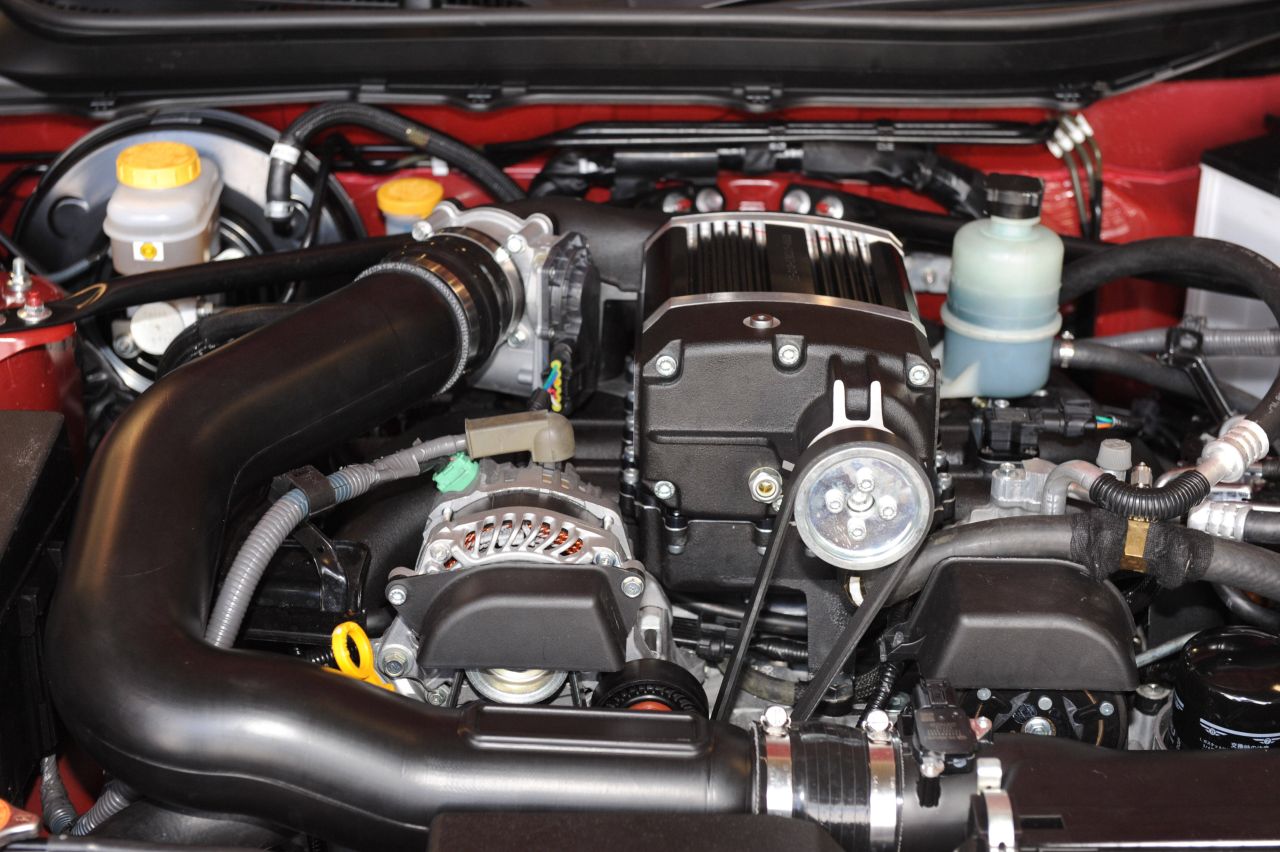
A supercharger is a forced-induction system that increases engine power by forcing more air into the engine than it could normally draw in under atmospheric pressure.
An engine needs air and fuel to produce power. In a naturally aspirated engine, air enters the cylinders primarily because of the pressure difference created during the intake stroke.
A supercharged engine takes this process further.
The supercharger compresses the incoming air and sends it into the intake system under increased pressure. Because more oxygen is available inside the cylinders, the engine can burn more fuel while maintaining the required air-fuel ratio.
The result can be significantly higher power and torque without necessarily increasing engine displacement.
Superchargers have been used in passenger cars, sports cars, racing engines, aircraft engines, and various high-performance applications for many years.
How Does a Supercharger Work?
The operating principle of a supercharger is based on increasing the mass of air entering the engine.
In a traditional mechanically driven supercharger, the unit is connected to the engine through a belt, pulley, gear drive, or another mechanical transmission system.
As the engine runs, it drives the supercharger.
The supercharger draws air through the intake system and compresses it. The pressurized air is then delivered toward the intake manifold.
The basic process can be summarized as:
Engine → Mechanical drive → Supercharger → Compressed air → Intake manifold → Cylinders
Unlike a turbocharger, a conventional mechanically driven supercharger does not primarily depend on exhaust gas energy.
What Is the Difference Between a Supercharger and a Turbocharger?
Both systems increase the amount of air entering the engine, but they use different energy sources.
A turbocharger uses exhaust gas energy to spin a turbine.
A mechanically driven supercharger receives its driving energy directly from the engine.
This difference has a major effect on how each system responds.
Because a mechanically driven supercharger is connected directly to the engine, it can produce boost as engine speed increases without waiting for exhaust gas energy to build up in the same way as a conventional turbocharger.
This can provide very quick throttle response.
A turbocharger, however, can recover energy from exhaust gases that would otherwise leave the engine, which can provide important efficiency advantages.
Why Are Superchargers Used?
The primary purpose of a supercharger is to increase the amount of air entering the engine.
More air allows the engine management system to supply an appropriate additional amount of fuel, increasing the energy released during combustion.
A supercharger can therefore provide:
-
Higher engine power
-
Increased torque
-
Stronger acceleration
-
Improved low- and mid-range response
-
Faster throttle response
-
Higher performance from a given engine displacement
The exact benefits depend on the supercharger design, engine calibration, boost pressure, cooling system, and overall engine architecture.
What Are the Main Types of Superchargers?
Superchargers are available in several different designs.
The three major categories are:
Roots-type supercharger
A Roots supercharger uses two rotating lobes to move air from the inlet toward the outlet.
It is known for producing strong airflow and substantial low-speed torque.
Twin-screw supercharger
A twin-screw supercharger uses two intermeshing helical rotors.
Unlike a conventional Roots design, the air is progressively compressed within the rotor system.
Twin-screw systems can provide high efficiency and strong performance across a broad operating range.
Centrifugal supercharger
A centrifugal supercharger uses a high-speed impeller to accelerate incoming air.
The air's velocity is then converted into pressure through the compressor housing.
Centrifugal superchargers generally produce more boost as engine speed increases, giving them a different power-delivery characteristic from positive-displacement superchargers.
What Are the Main Parts of a Supercharger?
The exact components depend on the supercharger design.
A typical system may include:
-
Compressor housing
-
Rotors or impeller
-
Drive shaft
-
Bearings
-
Gears
-
Drive pulley
-
Belt
-
Belt tensioner
-
Air inlet
-
Air outlet
-
Bypass valve
-
Actuator
-
Lubrication system
Electric supercharger systems may also include an electric motor, power electronics, and additional control components.
What Is a Positive-Displacement Supercharger?
Roots and twin-screw superchargers are commonly described as positive-displacement designs.
They move a relatively defined volume of air for each rotation.
This allows them to produce substantial airflow even at relatively low engine speeds.
The result is strong low-speed and mid-range torque.
This characteristic is one of the main reasons positive-displacement superchargers have historically been popular in performance applications.
What Is a Centrifugal Supercharger?
A centrifugal supercharger operates using a high-speed impeller.
The impeller draws air into the center and accelerates it outward.
The compressor housing then converts the air velocity into pressure.
Its behavior is somewhat similar to a turbocharger's compressor side, but the energy source is different.
Because the impeller speed is linked to engine speed through the mechanical drive system, boost generally increases as engine rpm rises.
Why Does a Supercharger Increase Engine Power?
An engine's power output is closely related to how much air and fuel it can process.
A naturally aspirated engine is limited by atmospheric pressure and its ability to fill the cylinders.
A supercharger increases intake pressure, allowing more air mass to enter the cylinders.
The engine can then burn more fuel while maintaining an appropriate air-fuel mixture.
More fuel and oxygen can produce more combustion energy, resulting in higher torque and power.
Does a Supercharger Always Increase Fuel Consumption?
Not necessarily, but it can.
A supercharger requires energy to operate.
In a mechanically driven system, some engine power is used to turn the supercharger.
At the same time, the additional air allows the engine to produce significantly more power.
Fuel consumption therefore depends on how the engine is calibrated and how the additional performance is used.
If the driver frequently uses the extra power available from the supercharger, fuel consumption can increase substantially.
What Is Supercharger Boost Pressure?
Boost pressure is the pressure increase created by the supercharger above the pressure that would normally be available from atmospheric air.
The amount of boost depends on the supercharger design, engine speed, pulley ratio, intake restriction, engine efficiency, and control strategy.
More boost does not automatically mean better performance.
Excessive boost can increase cylinder pressure, intake temperature, mechanical stress, and the risk of detonation in gasoline engines.
What Is a Supercharger Bypass Valve?
A bypass valve controls airflow around the supercharger under certain operating conditions.
When the engine does not need significant boost, the bypass system can reduce unnecessary pressure buildup and pumping losses.
During low-load or closed-throttle conditions, the bypass valve may allow air to circulate through the system instead of forcing the supercharger to continuously build high intake pressure.
A faulty bypass valve can therefore affect both performance and drivability.
What Are the Symptoms of Supercharger Failure?
Supercharger problems can produce several different symptoms.
Common signs include:
-
Reduced engine power
-
Poor acceleration
-
Loss of low-speed torque
-
Slow throttle response
-
Abnormal supercharger noise
-
Whining or humming
-
Belt squealing
-
Boost pressure problems
-
Air leaks
-
Increased fuel consumption
-
Engine overheating
-
Check Engine Light
-
Rough engine operation
The exact symptoms depend on whether the problem is mechanical, electrical, related to the drive system, or caused by another component connected to the intake system.
Reduced Engine Power
One of the most noticeable signs of a supercharger problem is reduced power.
If the supercharger cannot provide the expected airflow or boost pressure, the engine may produce significantly less power.
The driver may notice that the vehicle feels weak during:
-
Hard acceleration
-
Hill climbing
-
Overtaking
-
High-load driving
-
Low-speed acceleration
A sudden loss of performance should be investigated rather than automatically attributed to the supercharger itself.
Loss of Low-End Torque
Positive-displacement superchargers are particularly important for low- and mid-range torque.
If the supercharger stops producing the expected boost, the vehicle may lose much of its characteristic low-speed response.
The engine may feel noticeably weaker when accelerating from low rpm.
This can be one of the most obvious signs of a supercharger or supercharger-control problem.
Poor Throttle Response
A malfunctioning supercharger system can affect throttle response.
The vehicle may feel less responsive when the accelerator pedal is pressed.
Possible causes include:
-
Supercharger malfunction
-
Bypass valve problems
-
Air leaks
-
Drive belt problems
-
Sensor faults
-
Engine management problems
A delayed throttle response should therefore be diagnosed as a complete air-management problem.
Supercharger Whining Noise
Some superchargers naturally produce a distinctive whine.
A mild mechanical or airflow sound can be completely normal, particularly on performance-oriented engines.
However, a sudden change in the sound should be investigated.
An unusually loud or rapidly increasing whine may indicate:
-
Bearing wear
-
Gear wear
-
Rotor problems
-
Drive system problems
-
Air leakage
-
Lubrication problems
The most important clue is a change from the vehicle's normal sound.
Grinding or Metallic Noise
Grinding, scraping, rattling, or metallic noises are more serious.
Possible causes include:
-
Bearing failure
-
Damaged gears
-
Rotor contact
-
Shaft problems
-
Internal mechanical damage
-
Foreign material entering the system
If internal components begin contacting each other, continued operation can cause further damage.
Belt Squealing
Mechanically driven superchargers depend on a reliable drive system.
If the belt slips, the supercharger may not rotate at the required speed.
A slipping belt may produce a high-pitched squealing noise, particularly during sudden acceleration.
Possible causes include:
-
Worn belt
-
Loose belt
-
Incorrect belt tension
-
Faulty tensioner
-
Damaged pulley
-
Oil contamination
-
Pulley misalignment
A belt problem can therefore create symptoms that appear to be caused by the supercharger itself.
Supercharger Belt Failure
If the supercharger belt breaks, the supercharger may stop operating.
Depending on the engine design and belt routing, a broken belt may also affect other engine accessories.
For this reason, a damaged or deteriorated belt should not be ignored.
Low Boost Pressure
Low boost occurs when the system produces less pressure than expected.
Possible causes include:
-
Supercharger mechanical wear
-
Slipping drive belt
-
Bypass valve stuck open
-
Intake leak
-
Intercooler leak
-
Sensor problems
-
Drive pulley problems
-
Control-system faults
A low-boost condition does not automatically mean that the supercharger must be replaced.
Air Leaks in the Supercharger System
Air leaks can have a major effect on performance.
The supercharger may compress air correctly, but if the pressurized air escapes before reaching the engine, the engine will not receive the expected airflow.
Leaks can occur at:
-
Intake hoses
-
Clamps
-
Intercooler connections
-
Gaskets
-
Intake manifold connections
-
Supercharger outlet connections
A pressure or smoke test can help locate leaks that are difficult to identify visually.
Supercharger Oil Problems
Some superchargers have their own internal lubrication system.
Depending on the design, special oil may lubricate the gears, bearings, or other internal components.
Low oil level, incorrect lubricant, contamination, or an oil leak can cause internal wear.
The manufacturer's specified supercharger lubricant and maintenance procedure should always be followed.
Supercharger oil should not automatically be treated as the same fluid as the engine oil.
Does Supercharger Failure Cause Overheating?
A supercharger problem can contribute indirectly to higher intake temperatures and engine thermal stress.
Compressing air naturally increases its temperature.
For this reason, many high-performance supercharged engines use an intercooler or charge-air cooling system.
A malfunctioning cooling system, excessive boost, restricted airflow, or other engine problem can increase intake temperatures.
High intake temperatures can reduce performance and, in gasoline engines, increase the risk of knock or detonation.
What Is an Intercooler in a Supercharged Engine?
An intercooler cools the compressed intake air before it enters the engine.
When air is compressed, its temperature increases.
Cooling the air increases its density, allowing more oxygen to enter the cylinders for a given intake volume.
Supercharged engines may use:
-
Air-to-air intercoolers
-
Air-to-water charge coolers
The exact design depends on the engine and supercharger system.
Can a Faulty Intercooler Look Like a Supercharger Failure?
Yes.
A cracked intercooler or leaking connection can allow pressurized air to escape.
The supercharger may be functioning correctly, but the engine will still receive less boost than expected.
This can cause:
-
Power loss
-
Poor acceleration
-
Low boost
-
Hissing noises
-
Increased intake temperatures
The entire charge-air system should therefore be inspected before condemning the supercharger.
Can a Supercharger Problem Trigger the Check Engine Light?
Yes.
Modern engine control units monitor airflow, pressure, throttle position, temperature, and other parameters.
If actual operating conditions differ significantly from expected values, the ECU may store diagnostic trouble codes.
The Check Engine Light may illuminate because of:
-
Boost pressure problems
-
Airflow problems
-
Sensor faults
-
Bypass valve problems
-
Throttle-related faults
-
Intake leaks
-
Engine management problems
A diagnostic trouble code should be interpreted together with live data and physical inspection.
Can a Supercharger Cause Rough Idling?
A supercharger itself does not necessarily cause rough idle.
However, a bypass valve problem or an intake air leak can affect idle control.
Unmetered air entering the intake system can disturb the air-fuel mixture.
Possible symptoms include:
-
Rough idle
-
Engine vibration
-
RPM fluctuations
-
Stalling
-
Poor throttle response
Other engine systems should also be checked because rough idle has many possible causes.
Can a Supercharger Cause Increased Fuel Consumption?
Yes.
If the supercharger system is malfunctioning, the engine may operate outside its intended airflow conditions.
An air leak, incorrect sensor signal, or control problem can cause the ECU to adjust fuel delivery.
In addition, drivers may use more throttle to compensate for reduced performance, which can increase fuel consumption.
However, increased fuel consumption alone is not sufficient evidence of supercharger failure.
How Is a Supercharger Diagnosed?
A proper diagnosis should evaluate the entire forced-induction system.
The process may include:
Read diagnostic trouble codes
Scan the engine control system for relevant faults.
Check boost pressure
Compare the actual pressure with the expected or commanded value.
Inspect the drive belt
Check belt condition, tension, alignment, and signs of slipping.
Inspect the bypass valve
Confirm that the valve operates correctly under the required conditions.
Check for air leaks
Inspect hoses, clamps, gaskets, intercooler connections, and the intake system.
Listen for abnormal mechanical noise
Changes in sound can provide important clues about internal wear.
Check lubrication
If the supercharger has a separate lubrication system, verify the correct oil level and condition.
Inspect sensors
Pressure, airflow, temperature, and throttle-related sensors may influence supercharger operation.
Check live data
Engine speed, throttle position, manifold pressure, airflow, and temperature data can help determine whether the system is working as expected.
Can a Supercharger Be Repaired?
In some cases, yes.
A supercharger may be repairable if the problem involves an external component such as:
-
Drive belt
-
Tensioner
-
Pulley
-
Bypass valve
-
Hose
-
Seal
-
Electrical actuator
Internal failures may require specialist rebuilding.
Depending on the design, repairs can involve bearings, gears, shafts, rotors, seals, or other components.
Because supercharger components operate at high speed and tight tolerances, internal rebuilding should be performed by a specialist with the appropriate equipment.
Can a Supercharger Be Cleaned?
Some external and intake-related problems can be corrected through cleaning.
For example, deposits around valves or intake components may affect airflow.
However, cleaning cannot repair:
-
Worn bearings
-
Damaged gears
-
Bent shafts
-
Damaged rotors
-
Cracked housings
-
Broken drive components
The actual cause of the problem should be identified before deciding that cleaning is appropriate.
How Long Does a Supercharger Last?
There is no universal replacement interval for all superchargers.
Service life depends on the design, engine, operating conditions, maintenance, lubrication, belt condition, and driving style.
A properly maintained supercharger can operate for a very long time.
Factors that can shorten its life include:
-
Poor lubrication
-
Incorrect lubricant
-
Low oil level
-
Belt problems
-
Excessive heat
-
Dirty intake air
-
Foreign object damage
-
Bearing wear
-
Gear wear
-
Excessive engine modifications
-
Neglected maintenance
How Can You Extend Supercharger Life?
Regular maintenance is essential.
Important practices include:
Maintain the drive belt system
Inspect the belt, tensioner, and pulleys according to the manufacturer's recommendations.
Use the correct lubricant
If the supercharger has a dedicated lubrication system, use only the specified fluid.
Keep the intake system clean
A properly maintained air filter helps protect the compressor components.
Repair air leaks quickly
Leaks can reduce performance and increase the workload on the forced-induction system.
Monitor unusual noises
A new mechanical noise should never be ignored.
Maintain the cooling system
High intake and engine temperatures can increase stress on the system.
Avoid excessive modifications without proper calibration
Increasing boost beyond the original design limits can significantly increase mechanical and thermal loads.
Can You Drive With a Faulty Supercharger?
It depends on the type and severity of the fault.
A minor bypass valve problem may not immediately cause catastrophic damage.
A serious mechanical failure is different.
Driving should be avoided or minimized if there is:
-
Severe grinding noise
-
Significant mechanical noise
-
Rapidly increasing supercharger noise
-
Major oil leakage
-
Severe power loss
-
Damaged or slipping drive belt
-
Evidence of internal mechanical damage
-
Excessive engine temperature
Continuing to drive with a serious mechanical problem can result in additional damage.
Supercharger vs. Naturally Aspirated Engine
A naturally aspirated engine relies on atmospheric pressure to fill the cylinders.
A supercharged engine uses a compressor to increase intake pressure.
The supercharged engine can therefore produce substantially more power from the same basic displacement.
However, the additional components increase mechanical complexity, thermal load, and maintenance requirements.
Supercharger vs. Turbocharger: Which Is Better?
Neither system is universally better.
A supercharger can provide excellent throttle response and strong low-speed torque, particularly with positive-displacement designs.
A turbocharger can take advantage of exhaust gas energy and can offer excellent efficiency and high specific power.
The best choice depends on the engine, vehicle, performance objectives, fuel economy requirements, packaging constraints, and calibration strategy.
Modern engine designs can also combine different technologies to optimize response, efficiency, and power.
Common Mistakes When Diagnosing Supercharger Problems
One of the most common mistakes is assuming that every loss of power means the supercharger itself has failed.
A loose belt, leaking hose, faulty bypass valve, damaged tensioner, sensor problem, or intercooler leak can produce very similar symptoms.
Another common mistake is replacing the supercharger without identifying why the original system failed.
For example, if an internal failure was caused by lubrication problems and the lubrication issue is not corrected, a replacement unit may fail again.
The entire system should therefore be diagnosed before replacement.
Final Thoughts
A supercharger is a forced-induction system designed to increase the amount of air entering an engine. By compressing intake air, it allows the engine to burn an appropriate additional amount of fuel and produce more power and torque.
The main difference between a traditional mechanically driven supercharger and a turbocharger is the source of driving energy. A conventional supercharger is generally driven directly by the engine, while a turbocharger uses exhaust gas energy.
Supercharger failure can produce symptoms such as reduced power, loss of low-end torque, poor throttle response, abnormal whining or grinding noises, belt squealing, low boost, air leaks, increased fuel consumption, and Check Engine Light illumination.
However, these symptoms do not automatically prove that the supercharger itself is defective.
The drive belt, tensioner, bypass valve, intercooler, intake hoses, sensors, lubrication system, and engine management system should also be checked.
A proper diagnosis is especially important because replacing a supercharger can be expensive, and installing a replacement without correcting the original cause of failure can result in another failure.
Regular maintenance, correct lubrication, proper belt inspection, clean intake air, and early diagnosis are the best ways to protect the supercharger and maintain reliable engine performance.