TR
TR EN
EN

What Is an Engine Freeze Plug and What Does It Do?
An engine freeze plug is a small metal plug installed in specific openings in an engine block. Despite its common name, its primary purpose is not to protect the engine from freezing coolant.
These plugs are mainly related to the manufacturing process of the engine block and provide a practical way to close openings that are created during casting. They are also commonly called core plugs, expansion plugs, or Welch plugs, depending on their design and application.
The term “freeze plug” became popular because these plugs can sometimes pop out when coolant freezes and expands inside an engine. However, relying on them as a deliberate freeze-protection system is a mistake.
Understanding what these plugs actually do is important because a damaged or leaking freeze plug can cause coolant loss and, if ignored, potentially lead to severe engine overheating.
What Is an Engine Freeze Plug?
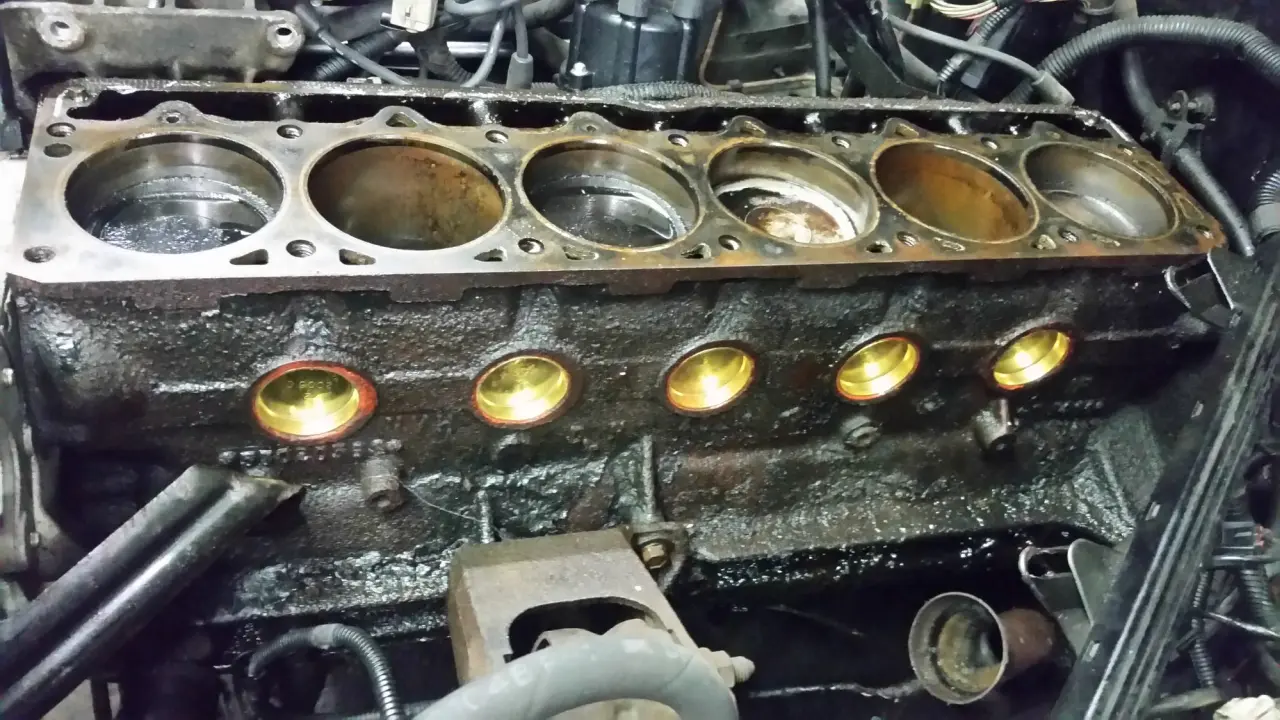
An engine freeze plug is a plug fitted into an opening in the engine block.
During the manufacturing process, engine blocks are typically produced using casting techniques. Internal cavities and passages are created using casting cores. Once the casting process is completed, some openings associated with these cores remain in the engine block.
Core plugs are installed into these openings to seal them.
The plugs can be found in different locations depending on the engine design.
They are commonly installed along the sides of the engine block, although some engines also have plugs at the rear, front, or other locations.
Their main job is therefore:
To seal openings in the engine block and prevent coolant from escaping.
Why Is It Called a Freeze Plug?
The name comes from the idea that the plug can be pushed out if the coolant inside the engine freezes.
Water expands when it freezes. If an engine cooling system contains enough water and the coolant freezes, the expansion can create substantial pressure inside the cooling passages.
In some circumstances, this pressure can force a relatively weak core plug out of the engine block.
This is where the term “freeze plug” comes from.
However, this does not mean that the plug is designed to reliably protect the engine against freezing.
A freeze plug popping out should not be considered a normal or guaranteed freeze-protection mechanism.
Does a Freeze Plug Actually Prevent Engine Damage From Freezing?
Not reliably.
This is one of the biggest misconceptions about these components.
An engine freeze plug is not a substitute for properly formulated engine coolant.
Even if one or more plugs are pushed out during freezing conditions, other parts of the cooling system can still be damaged.
Freezing coolant can potentially damage:
-
The engine block
-
Cylinder head
-
Radiator
-
Heater core
-
Water pump
-
Cooling passages
-
Hoses and other components
The correct way to protect an engine from freezing temperatures is to use the coolant mixture specified by the vehicle manufacturer and maintain the cooling system properly.
What Is the Main Function of a Freeze Plug?
The primary function is sealing.
The engine block contains internal coolant passages that surround the cylinders and carry coolant through the engine.
These passages must remain sealed so that coolant can circulate without leaking into the engine compartment.
The freeze plugs close specific openings in the casting.
When correctly installed, they form a seal between the plug and the engine block.
This allows the cooling system to maintain the required coolant level and pressure.
Where Are Engine Freeze Plugs Located?
The exact location varies from one engine to another.
Many engines have several plugs along the sides of the engine block.
Other plugs may be hidden behind components or located at the rear of the block.
Some engines may also have plugs associated with cylinder heads or other cast components.
This can make them difficult to inspect.
A coolant leak from the rear of the engine, for example, can sometimes be difficult to diagnose because the leaking freeze plug may be hidden between the engine and transmission.
What Does a Freeze Plug Look Like?
A conventional freeze plug is usually a small circular metal component.
Depending on the design, it may resemble:
-
A shallow metal cup
-
A circular disc
-
A slightly domed plug
Different engine manufacturers use different designs and installation methods.
Some core plugs are pressed into machined openings.
Others use different sealing arrangements.
The material may also vary depending on the engine and application.
What Causes a Freeze Plug to Leak?
Corrosion is one of the most common causes.
The plug is exposed to coolant and the environment around the engine. If the cooling system is poorly maintained, corrosion can eventually weaken the plug.
Possible causes include:
-
Old coolant
-
Incorrect coolant mixture
-
Contaminated coolant
-
Electrochemical corrosion
-
Rust
-
Poor-quality replacement plugs
-
Incorrect installation
-
Physical damage
A plug that looks fine externally can still become thin and weakened by corrosion.
Why Does Old Coolant Cause Freeze Plug Problems?
Engine coolant contains additives that help protect the cooling system against corrosion.
These additives do not remain effective forever.
As coolant ages, its corrosion protection can deteriorate.
If coolant is not replaced according to the manufacturer's requirements, corrosion can develop inside the cooling system.
The freeze plugs can be affected because they are in direct contact with the coolant.
This is one reason why coolant maintenance is not simply about preventing freezing.
Proper coolant also protects against:
-
Corrosion
-
Deposits
-
Cavitation in some engine designs
-
Component deterioration
-
Cooling-system contamination
Symptoms of a Leaking Freeze Plug
A leaking freeze plug can produce several signs.
The most obvious is coolant loss.
You may notice coolant underneath the vehicle after parking.
Other possible symptoms include:
-
Low coolant level
-
Repeated need to add coolant
-
Coolant smell around the engine
-
Visible coolant leakage
-
Wet areas around the engine block
-
Engine overheating
-
Steam from the engine compartment
-
White or colored coolant residue around the plug
The exact appearance depends on the type of coolant being used and the location of the leak.
Can a Freeze Plug Cause Engine Overheating?
Yes, indirectly.
The freeze plug itself does not regulate engine temperature.
However, if it leaks enough coolant, the cooling system can lose coolant.
As the coolant level falls, the engine may no longer receive adequate cooling.
This can eventually cause overheating.
A severe coolant leak can cause the engine temperature to rise rapidly.
Continuing to drive an overheating engine can result in much more expensive damage, including:
-
Cylinder-head gasket failure
-
Cylinder-head distortion
-
Severe oil degradation
-
Bearing damage
-
Piston damage
-
Engine seizure in extreme cases
Therefore, a suspected freeze plug leak should not be ignored.
Can a Freeze Plug Fall Out?
Yes.
A freeze plug can become loose and fall out if it has been severely corroded or improperly installed.
Freezing coolant can also push a plug out in some circumstances.
However, a plug coming out is not necessarily evidence that the engine was properly protected from freezing.
If a freeze plug has fallen out, the cooling system can lose coolant very quickly.
The engine should generally not be operated until the problem has been repaired and the cooling system has been correctly refilled and checked for leaks.
Can a Freeze Plug Be Replaced?
Yes.
A damaged or leaking freeze plug can generally be replaced.
The repair involves removing the old plug, inspecting the opening and surrounding engine-block material, and installing a suitable replacement correctly.
The process may be relatively simple when the plug is easily accessible.
However, some plugs are located in extremely difficult positions.
A plug at the rear of an engine block may require significant disassembly to access.
In certain vehicles, transmission removal may be necessary to reach a rear core plug.
Therefore, the difficulty and cost of replacement can vary dramatically between engines.
Can You Repair a Leaking Freeze Plug Without Replacing It?
Temporary repair products and external sealing methods exist, but they should not automatically be considered a permanent solution.
A corroded freeze plug is a physical sealing component.
If the metal has deteriorated, replacing the plug is generally the more reliable repair.
The condition of the engine-block opening should also be checked.
If corrosion has damaged the sealing surface, installing a new plug alone may not produce a durable seal.
Should All Freeze Plugs Be Replaced at the Same Time?
Not necessarily, but inspection of the other plugs is sensible.
If one plug has failed because of severe corrosion, other plugs made from the same material and exposed to the same coolant may also be deteriorated.
During a repair, the technician should inspect accessible plugs for:
-
Corrosion
-
Rust
-
Deformation
-
Leakage
-
Improper installation
-
Damage around the sealing surface
Depending on their condition and accessibility, replacing multiple plugs may be more economical than waiting for another one to fail.
However, there is no universal rule requiring every freeze plug to be replaced whenever one fails.
Can a Freeze Plug Leak Without Being Obviously Visible?
Yes.
A small leak may evaporate when coolant reaches a hot engine surface.
This can make the source difficult to identify.
A leak may also occur in an area hidden behind another component.
In such cases, the cooling system may gradually lose coolant without leaving a large puddle underneath the vehicle.
A cooling-system pressure test can be useful for locating small leaks.
What Is a Cooling System Pressure Test?
A pressure test involves pressurizing the cooling system to an appropriate test pressure and observing whether the system maintains pressure.
If pressure falls, the technician can inspect the system for the source of the leak.
This can help identify leaks from:
-
Freeze plugs
-
Radiator
-
Hoses
-
Water pump
-
Thermostat housing
-
Heater components
-
Cylinder head
-
Head gasket
-
Other cooling-system connections
The correct test procedure and pressure must follow the vehicle manufacturer's specifications.
Can a Freeze Plug Be Replaced With Any Metal Plug?
No.
The replacement plug must be appropriate for the engine.
The diameter, design, material, and installation method all matter.
An incorrectly sized plug may leak or come out of the block.
Using a generic component simply because it appears to fit can create another cooling-system problem.
The correct replacement part should be selected according to the engine's specifications.
What Happens If You Ignore a Freeze Plug Leak?
A small leak can gradually become a major leak.
As coolant continues to escape, the coolant level may fall.
The engine may then begin operating at a higher temperature.
In the worst case, a relatively inexpensive freeze plug can eventually contribute to major engine damage.
For this reason, coolant leakage should always be investigated, even if the engine temperature currently appears normal.
How to Prevent Freeze Plug Problems
The best prevention is proper cooling-system maintenance.
Use the coolant specified by the vehicle manufacturer and maintain the correct concentration.
Do not routinely top up a cooling system with plain water unless it is an emergency and the manufacturer's instructions permit it. If water has been used temporarily, the coolant concentration should be corrected afterward.
Follow the recommended coolant replacement interval.
It is also useful to inspect the cooling system periodically for:
-
Rust-colored coolant
-
Contamination
-
Low coolant level
-
External leaks
-
Corrosion
-
Damaged hoses
-
Signs of overheating
Using the correct coolant helps protect not only the freeze plugs but the entire cooling system.
What Is the Difference Between a Freeze Plug and a Drain Plug?
These components have completely different purposes.
A freeze plug, or core plug, seals an opening in an engine casting.
A drain plug is deliberately removed to drain a fluid, such as engine oil or coolant.
A freeze plug is not intended to be routinely removed during normal maintenance.
Is a Freeze Plug the Same as a Core Plug?
In automotive terminology, the terms are often used interchangeably.
“Core plug” is technically a more descriptive term because it relates to the casting process used to manufacture the engine block.
“Freeze plug” became the more familiar term because of the possibility of the plug being pushed out by freezing coolant.
Depending on the vehicle and manufacturer, you may also encounter terms such as:
-
Expansion plug
-
Welch plug
-
Casting plug
-
Core plug
The exact design can vary.
Do Aluminum Engines Have Freeze Plugs?
Some aluminum engine blocks and cylinder heads use core plugs or similar sealing components, but the design and material can differ from those used in traditional cast-iron engines.
Modern engine construction uses a wide range of materials and manufacturing methods.
Therefore, it is not correct to assume that every engine uses the same type or number of freeze plugs.
Final Thoughts
An engine freeze plug is primarily a sealing component used to close openings created during the casting of an engine block.
Although commonly called a freeze plug, it should not be regarded as a reliable device designed to protect an engine from freezing.
Its most important role is preventing coolant from escaping through openings in the engine block.
Corrosion, old coolant, contamination, incorrect installation, and freezing conditions can cause a freeze plug to leak or become displaced.
The most common warning sign is unexplained coolant loss, but a leaking plug can eventually lead to engine overheating and serious mechanical damage.
If a freeze plug is leaking, replacing it with the correct part and properly inspecting the surrounding cooling system is the appropriate long-term solution.
Most importantly, maintaining the correct coolant mixture and following the manufacturer's coolant service recommendations can help prevent corrosion and protect the entire cooling system—including the relatively small freeze plugs that are easy to overlook.