TR
TR EN
EN

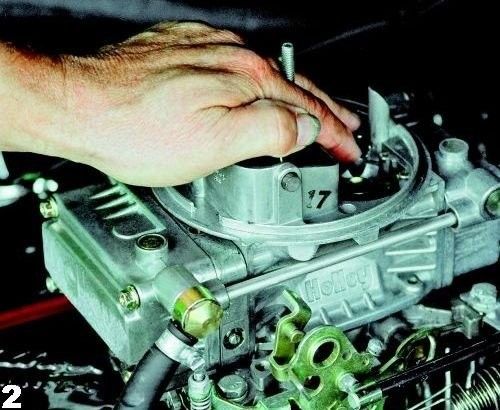
Air Leaks in Carbureted Engines: Causes, Symptoms, and Diagnosis
In carbureted engines, maintaining the correct air-fuel mixture is essential for smooth engine operation. If extra air enters the intake system from a location that is not supposed to allow air in, the mixture can become too lean and cause various drivability problems.
Air leaks are particularly common around the carburetor base, intake manifold, vacuum hoses, and other connections exposed to engine vacuum.
Symptoms can range from unstable idle and high idle speed to hesitation, poor throttle response, backfiring, and stalling.
What Is an Air Leak in a Carbureted Engine?
An air leak occurs when air enters the engine through a point outside the normal air intake path.
The carburetor is designed to mix air and fuel in a specific proportion. However, if additional air enters the intake manifold after the carburetor, that air is not properly mixed with fuel.
As a result, the engine may receive a leaner air-fuel mixture than intended.
This is especially noticeable at idle and low engine speeds because the engine creates relatively high intake vacuum under these conditions.
Carburetor Base Gasket Leaks
One of the most common sources of an air leak is the gasket between the carburetor and intake manifold.
Over time, this gasket can:
-
Harden
-
Crack
-
Shrink
-
Become damaged during installation
-
Lose its sealing ability
-
Be incorrectly positioned
-
Fail because the carburetor mounting surface is distorted
When the gasket leaks, intake vacuum can pull outside air into the engine.
Typical symptoms include:
-
Unstable idle
-
Higher-than-normal idle speed
-
Idle speed that takes too long to drop
-
Hesitation when accelerating
-
Stalling
-
Poor cold-engine operation
-
Difficulty adjusting the carburetor correctly
If the carburetor has recently been removed, the gasket and mounting surfaces should be inspected carefully.
Intake Manifold Gasket Leaks
The intake manifold connects the carburetor to the engine's intake ports.
A damaged or deteriorated intake manifold gasket can allow outside air to enter the engine.
Older engines are particularly susceptible because repeated heating and cooling cycles can cause gasket materials to harden or lose their sealing properties.
An intake manifold leak may affect one cylinder or several cylinders, depending on where the leak occurs.
Cracked Intake Manifold
The intake manifold itself can also develop cracks.
Possible causes include:
-
Thermal stress
-
Impact damage
-
Improper installation
-
Excessive tightening
-
Corrosion
-
Extreme temperature changes
A crack may allow air to enter whenever the engine is creating vacuum.
Small cracks can be particularly difficult to locate because they may only open under certain temperature or operating conditions.
Cracked Vacuum Hoses
Carbureted engines often use several vacuum hoses to operate different systems.
These hoses can become hard and brittle with age. Engine heat, oil exposure, and repeated movement can eventually cause cracks.
Potential problem areas include:
-
Distributor vacuum lines
-
Brake booster vacuum hoses
-
PCV hoses
-
Carburetor vacuum connections
-
EGR vacuum lines on systems equipped with EGR
-
Vacuum-operated accessories
A small crack can cause an intermittent problem, while a large split can create a major vacuum leak.
Brake Booster Hose Leaks
The brake booster uses engine vacuum to assist braking.
The large vacuum hose connecting the brake booster to the intake system can develop cracks or loose connections.
If this happens, the engine may draw uncontrolled air into the intake system.
A noticeable change in engine speed when the brake pedal is pressed can be a useful diagnostic clue.
Because the brake booster is also part of the braking system, a damaged vacuum hose should not be ignored.
Cracks in the Carburetor Body
The carburetor itself can become a source of air leaks.
Older carburetors should be inspected around:
-
Gasket surfaces
-
Flanges
-
Throttle shaft areas
-
Body joints
-
Vacuum ports
-
Mounting surfaces
A cracked or distorted carburetor body can make proper mixture adjustment difficult.
Throttle Shaft Wear
The throttle shaft moves every time the accelerator is operated.
After many years of use, the shaft and its supporting area can wear.
Excessive clearance around the throttle shaft can allow air to enter the intake system.
This type of leak can be difficult to identify because there may be no obvious external crack or damaged hose.
A worn throttle shaft can cause:
-
High idle
-
Unstable idle
-
Lean running
-
Difficult carburetor adjustment
-
Poor throttle response
If adjusting the carburetor does not produce a stable idle, excessive throttle shaft wear should be considered.
Warped Carburetor Flange
The carburetor mounting flange must provide a flat sealing surface.
If the carburetor has previously been removed and installed incorrectly, excessive tightening can distort the mounting flange.
Once the flange is warped, installing a new gasket may not completely eliminate the leak.
Both mating surfaces should therefore be checked for flatness when a persistent leak is suspected.
PCV System Leaks
Some carbureted engines use a Positive Crankcase Ventilation (PCV) system.
The PCV valve and its hoses are connected to the engine's intake system.
A damaged hose, incorrect connection, or faulty PCV valve can alter the amount of air entering the intake system.
A PCV valve that remains open when it should not can also contribute to unstable idle or mixture problems.
EGR Vacuum System Problems
Some carbureted engines use vacuum-controlled EGR systems.
The EGR valve itself should not automatically be classified as an intake air leak. However, damaged vacuum hoses or incorrect vacuum connections can affect engine operation.
If an EGR valve remains open when it should be closed, the engine may run poorly, particularly at idle and during low-speed operation.
The EGR control system should therefore be checked separately from conventional intake leaks.
How Does an Air Leak Affect Engine Operation?
The effect of an air leak depends on its location and size.
A leak downstream of the carburetor can introduce additional air without adding a corresponding amount of fuel.
This can result in:
-
High idle speed
-
Fluctuating idle
-
Stalling
-
Weak throttle response
-
Hesitation during acceleration
-
Lean misfire
-
Poor engine braking behavior
-
Popping or backfiring in some situations
-
Increased engine temperature under certain conditions
However, these symptoms are not exclusive to vacuum leaks.
Ignition problems, carburetor adjustment problems, fuel delivery issues, and mechanical engine faults can produce similar symptoms.
How Can You Tell If a Carbureted Engine Has an Air Leak?
Diagnosis should begin with a visual inspection.
Check the entire area around the carburetor and intake manifold for:
-
Cracked vacuum hoses
-
Loose clamps
-
Damaged gaskets
-
Broken vacuum fittings
-
Oil or dirt patterns around sealing surfaces
-
Loose carburetor mounting bolts
-
Damaged intake manifold connections
-
Excessive throttle shaft movement
The engine's idle behavior can also provide useful clues.
A carbureted engine that has an unusually high or unstable idle, particularly one that changes significantly as the engine warms up, should be checked for vacuum leaks.
Using a Smoke Test
A smoke test is one of the most useful methods for locating small intake and vacuum leaks.
Controlled smoke is introduced into the appropriate part of the intake or vacuum system, and the technician watches for smoke escaping from unwanted locations.
This method can identify leaks that are difficult to find through visual inspection alone.
The test procedure must be adapted to the specific carburetor and intake system so that components are not damaged or exposed to excessive pressure.
Using Spray to Find an Air Leak
On older vehicles, some technicians use flammable sprays around the carburetor and intake manifold while watching for changes in engine speed.
However, this method is not recommended because of the fire risk.
Engine compartments contain hot exhaust components, electrical connections, and other potential ignition sources.
A smoke test, vacuum measurement, and careful inspection are safer approaches.
Using a Vacuum Gauge
A vacuum gauge can provide valuable information when diagnosing carbureted engines.
A healthy engine normally produces a relatively stable manifold vacuum at idle.
Low or fluctuating vacuum can indicate several possible problems, including:
-
Intake leaks
-
Valve problems
-
Ignition problems
-
Incorrect valve timing
-
Internal engine wear
Therefore, a vacuum gauge does not automatically prove that an intake leak exists. Its readings must be interpreted together with the engine's other symptoms and test results.
Do Not Confuse an Air Leak With Carburetor Adjustment
When a carbureted engine has an unstable idle, it is tempting to adjust the mixture screw or idle screw immediately.
This can sometimes hide the symptoms temporarily without fixing the actual problem.
For example, if an intake leak is causing a lean mixture, changing the carburetor adjustment may compensate for the additional air under one particular operating condition.
However, the underlying leak remains.
A better approach is:
Find the air leak → repair the leak → verify the intake system → adjust the carburetor if necessary
Carburetor adjustment should generally be performed after the engine and intake system are confirmed to be mechanically sound and properly sealed.
Why Does the Engine Hesitate When You Press the Accelerator?
An air leak can make acceleration problems particularly noticeable.
When the throttle opens, the engine's airflow changes rapidly. If the mixture is already too lean because of an intake leak, the additional airflow demand can make the combustion mixture even less stable.
The result may feel like:
-
A brief hesitation
-
A stumble
-
Delayed acceleration
-
A flat spot
-
Popping through the intake or exhaust
-
Temporary loss of power
However, acceleration hesitation on a carbureted engine can also be caused by accelerator pump problems, incorrect fuel level, blocked jets, weak ignition, or incorrect ignition timing.
Therefore, an air leak should be tested rather than assumed.
Accelerator Pump Problems Can Look Similar
The accelerator pump is particularly important during sudden throttle opening.
When the throttle is opened quickly, the airflow through the carburetor changes faster than the main fuel circuit can respond. The accelerator pump provides an additional fuel shot to prevent a temporary lean condition.
If the accelerator pump is faulty or its passage is blocked, the engine may hesitate when the accelerator is pressed suddenly.
This can look very similar to a vacuum leak.
For this reason, a proper carburetor diagnosis should consider both air entering the engine unexpectedly and insufficient fuel being delivered during throttle opening.
Other Causes That Can Mimic an Air Leak
Not every lean-running symptom is caused by an intake leak.
Other possible causes include:
-
Incorrect carburetor adjustment
-
Low fuel level in the float bowl
-
Incorrect float height
-
Restricted fuel filter
-
Weak mechanical fuel pump
-
Blocked carburetor jet
-
Faulty accelerator pump
-
Incorrect ignition timing
-
Weak ignition spark
-
Worn spark plugs
-
Vacuum advance problems
-
Valve adjustment problems
-
Low engine compression
-
Incorrect camshaft timing
This is why replacing a gasket or adjusting the carburetor without testing can sometimes fail to solve the problem.
Common Sources of Air Leaks in Carbureted Engines
The most common areas to inspect include:
-
Carburetor base gasket
-
Intake manifold gasket
-
Cracked intake manifold
-
Vacuum hoses
-
Brake booster hose
-
PCV hoses and valve
-
Carburetor body
-
Throttle shaft
-
Carburetor mounting flange
-
Vacuum fittings
-
EGR vacuum lines
-
Distorted sealing surfaces
A carbureted engine that develops an unstable idle, runs at an unusually high idle speed, hesitates during acceleration, or takes too long to return to normal idle speed should be inspected for vacuum and intake leaks.
The most effective approach is not to immediately change carburetor settings. First confirm that the intake system is properly sealed, check the vacuum system, and verify fuel and ignition operation. Once the leak or other underlying fault has been repaired, the carburetor can be adjusted correctly and the engine can be returned to stable operation.