TR
TR EN
EN

Why Does Blue Smoke Come Out of the Exhaust?
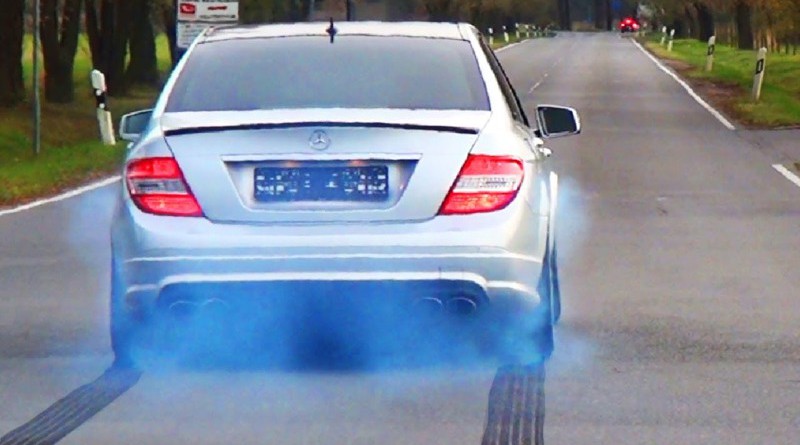
The color of exhaust smoke can provide important clues about an engine's condition. Black smoke is generally associated with excessive fuel, while white smoke can be related to condensation or coolant entering the combustion chamber. Blue or blue-gray exhaust smoke, on the other hand, usually indicates that engine oil is entering the combustion chamber and being burned.
Blue smoke that continues after the engine has warmed up is generally not considered normal. To determine the cause, it is important to observe exactly when the smoke appears and under which driving conditions.
What Does Blue Exhaust Smoke Mean?
Engine oil is supposed to remain within the lubrication system and should not enter the combustion chamber in significant quantities.
However, worn piston rings, valve stem seals, turbocharger problems, crankcase ventilation faults, or other mechanical issues can allow oil to enter the combustion chamber.
When this oil burns together with the air-fuel mixture, blue or blue-gray smoke can come out of the exhaust.
If blue smoke is accompanied by a noticeable reduction in engine oil level, oil consumption should be investigated.

Common Causes of Blue Exhaust Smoke
There are several possible causes of blue smoke. The most common include:
-
Worn or stuck piston rings
-
Worn valve stem seals
-
Turbocharger oil leakage
-
Crankcase ventilation or PCV problems
-
Excessive engine oil level
-
Cylinder and piston wear
-
Internal engine damage
The color of the smoke alone cannot identify the exact failed component. The conditions under which the smoke appears are also important.
Can Worn Piston Rings Cause Blue Smoke?
Yes.
Piston rings help maintain compression and control the amount of oil remaining on the cylinder walls.
When the rings become worn, damaged, or stuck, engine oil can pass into the combustion chamber and burn.
Possible symptoms include:
-
Continuous blue exhaust smoke
-
Increased engine oil consumption
-
Reduced compression
-
Loss of engine performance
-
Oil-fouled spark plugs
-
Increased smoke under heavy acceleration
-
Carbon deposits inside the engine
Piston-ring problems are particularly worth considering on engines with high mileage, although mileage alone does not prove that the rings are worn.
Can Valve Stem Seals Cause Blue Smoke?
Yes.
Valve stem seals help prevent excessive engine oil from entering the combustion chamber through the valve stems.
When these seals become hard, cracked, or worn, oil can leak into the combustion chamber.
A typical symptom is blue smoke that appears under specific conditions rather than continuously.
For example, blue smoke may appear after the engine has been idling for an extended period and then the accelerator is pressed.
Another possible pattern is blue smoke after prolonged engine braking followed by acceleration.
These symptoms can point toward valve stem seal problems, although other causes must still be ruled out.
Can a Turbocharger Cause Blue Exhaust Smoke?
Yes.
Turbocharger problems are an important possible cause of blue smoke on turbocharged engines.
The turbocharger is lubricated with engine oil. If its internal bearings, seals, or other components develop a problem, oil can enter the intake or exhaust side of the turbocharger.
If the oil reaches the exhaust side, it can burn because of the extremely high exhaust temperatures and produce blue smoke.
Other possible turbo-related symptoms include:
-
Increased oil consumption
-
Reduced turbo performance
-
Loss of acceleration
-
Abnormal turbocharger noise
-
Excessive oil accumulation in the intake system
-
Blue smoke under acceleration
A small amount of oil vapor or oil film in a turbocharged engine's intake system does not automatically mean the turbocharger is defective. The amount of oil, overall symptoms, and diagnostic results must be considered.
Can the PCV System Cause Blue Smoke?
Yes.
The crankcase ventilation system controls gases that escape past the piston rings and helps manage crankcase pressure.
If the PCV valve or crankcase ventilation system malfunctions, excessive oil vapor or liquid oil can be drawn into the intake system.
That oil can then reach the combustion chambers and burn, producing blue exhaust smoke.
For this reason, the PCV system should be checked before assuming that an engine requires major internal repairs.
Can Too Much Engine Oil Cause Blue Smoke?
Yes.
Overfilling the engine with oil can cause problems.
If the oil level is significantly above the manufacturer's maximum specification, the crankshaft can churn the oil and increase oil mist inside the crankcase.
The additional oil vapor may then enter the intake through the crankcase ventilation system.
In some cases, this can contribute to blue exhaust smoke and increased oil consumption.
Engine oil should therefore be filled according to the manufacturer's specified level, and the maximum mark should not be exceeded.
Why Does Blue Smoke Appear Only When Starting the Engine?
The timing of the smoke is an important diagnostic clue.
If the vehicle produces a brief puff of blue smoke immediately after starting and then the smoke disappears, oil may have entered the combustion chamber while the engine was parked.
Valve stem seals are one possible cause of this pattern.
However, this symptom alone does not provide a definitive diagnosis. The engine's design, parking position, oil condition, and other mechanical factors should also be considered.
Why Does Blue Smoke Appear When Accelerating?
If blue smoke becomes more noticeable when the accelerator is pressed, it may indicate that engine oil is entering the combustion chamber under increased engine load.
Worn piston rings, cylinder wear, crankcase ventilation problems, and turbocharger issues can all contribute to this condition.
On turbocharged engines, the turbocharger should receive particular attention.
Why Does Blue Smoke Appear After Engine Braking?
A vehicle that produces blue smoke after prolonged engine braking and then acceleration may be allowing oil into the combustion chamber during certain vacuum conditions.
Valve stem seals can be one possible cause.
However, piston rings, the crankcase ventilation system, and turbocharger should also be considered.
The exact pattern is useful because smoke that appears only under a particular operating condition can help narrow down the source of the problem.
Blue Smoke in Diesel Engines
Blue smoke can also occur in diesel engines and is usually associated with engine oil entering the combustion process.
Possible causes include:
-
Worn piston rings
-
Cylinder wear
-
Valve stem seal problems
-
Turbocharger oil leakage
-
Crankcase ventilation problems
-
Excessive engine oil level
Turbocharged diesel engines require particular attention because a turbocharger oil leak can sometimes cause significant oil consumption.
If a diesel engine suddenly begins producing heavy blue smoke while consuming oil rapidly, it should be inspected as soon as possible.
Can LPG Cause Blue Exhaust Smoke?
LPG itself does not normally cause blue exhaust smoke.
If an LPG-powered vehicle produces blue smoke, the engine should be checked for oil entering the combustion chamber or exhaust system.
Possible causes remain similar to those of a gasoline engine, including piston rings, valve stem seals, PCV problems, turbocharger faults, and excessive oil level.
If the smoke appears only when running on LPG, the LPG fuel system and calibration can also be investigated. However, genuine blue smoke generally points toward oil consumption rather than LPG itself.
Is Blue Exhaust Smoke Dangerous for the Engine?
It can be, depending on the cause and severity.
If an engine continues to burn oil, the oil level can gradually fall below a safe level.
This can result in:
-
Insufficient engine lubrication
-
Increased engine wear
-
Spark plug fouling
-
Catalytic-converter damage
-
Oxygen-sensor contamination
-
Reduced engine performance
-
Increased fuel consumption
-
Carbon deposits
A rapidly falling oil level is particularly concerning and should not be ignored.
How Is the Cause of Blue Smoke Diagnosed?
The exhaust color alone is not enough to diagnose the problem.
A proper inspection may include:
Oil consumption monitoring: The amount of oil consumed over a known distance can help determine the severity of the problem.
Compression test: This can provide information about cylinder sealing and compression condition.
Leak-down test: A leak-down test can help identify whether compression is escaping through the piston rings, valves, or other areas.
Spark plug inspection: On gasoline engines, an oil-fouled spark plug or a plug that looks significantly different from the others can provide useful clues.
PCV system inspection: The crankcase ventilation system should be checked for blockages, excessive pressure, or abnormal oil carryover.
Turbocharger inspection: On turbocharged engines, the turbo shaft, oil supply and drain system, intake side, and exhaust side should be examined.
Intake system inspection: The intake pipes and intercooler can be checked for abnormal oil accumulation.
Blue Smoke vs. White Smoke
It is important not to confuse blue smoke with white exhaust vapor.
Blue or blue-gray smoke generally indicates that oil is being burned.
Thick white smoke that continues after the engine reaches operating temperature can indicate coolant entering the combustion chamber or another cooling-system-related problem.
However, thin white vapor during a cold start is often normal condensation, especially in cold weather.
Black smoke is generally associated with excessive fuel or incomplete combustion.
Because lighting conditions can affect how smoke appears, a technician should evaluate the vehicle rather than relying solely on visual color.
Can You Keep Driving a Car That Produces Blue Smoke?
A small, occasional puff of smoke and heavy continuous blue smoke should not be treated the same way.
If the vehicle continuously produces blue smoke and the engine oil level is dropping noticeably, continued driving can turn a relatively manageable problem into a much more expensive engine failure.
If the oil-pressure warning light comes on or the oil level falls below the minimum specification, the engine should not be operated until the problem is investigated.
Blue smoke does not automatically mean that the engine needs a complete rebuild. The cause could be something relatively contained, such as a PCV problem, valve stem seals, or a turbocharger issue.
The most important step is therefore to diagnose where the oil is entering the combustion process before deciding on a major repair.