TR
TR EN
EN

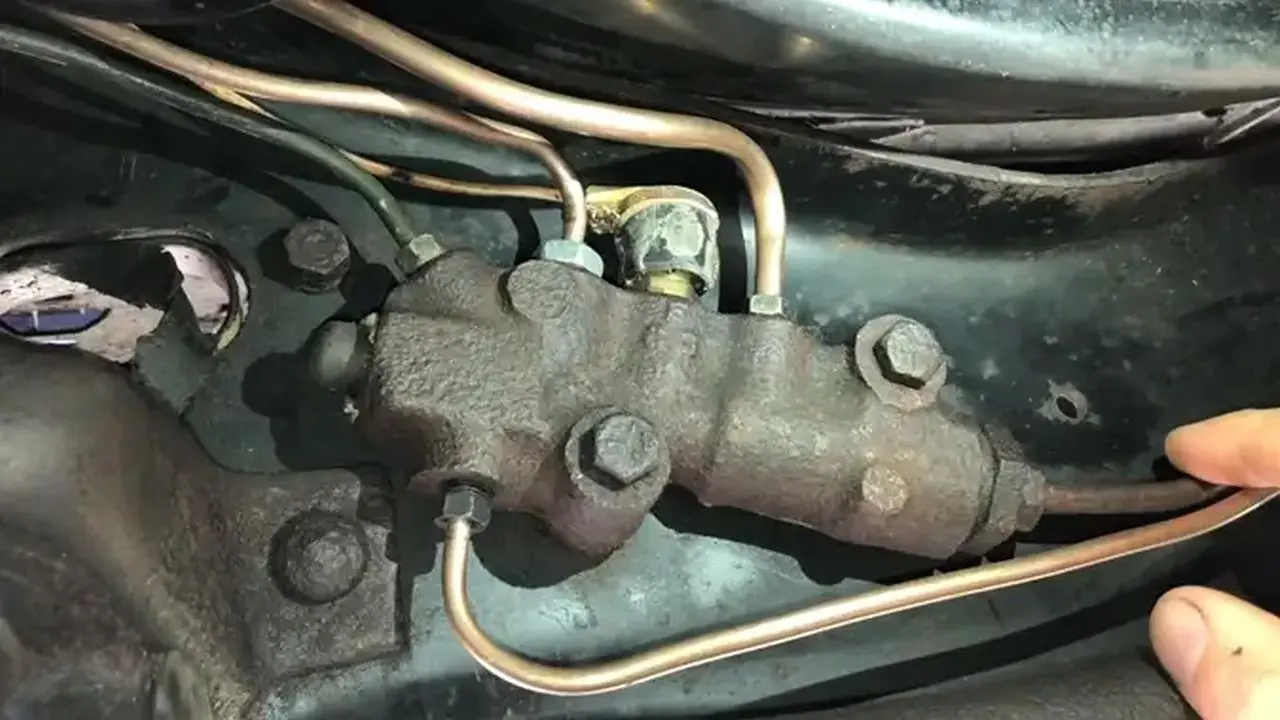
What Is a Brake Proportioning Valve? Symptoms of Failure and How It Works
The brake proportioning valve is an important part of a vehicle's braking system. Its main purpose is to control how much hydraulic brake pressure reaches the rear brakes under certain braking conditions.
During braking, the weight of the vehicle shifts toward the front axle. This reduces the amount of weight acting on the rear wheels.
If the rear brakes receive too much hydraulic pressure during hard braking, the rear wheels can lock before the front wheels. This can reduce vehicle stability and make the car difficult to control.
The brake proportioning valve helps reduce this risk by limiting or modifying rear brake pressure when necessary.
Although the basic principle is relatively simple, the way brake pressure is managed differs between older and newer vehicles. Some vehicles use a conventional mechanical proportioning valve, while others integrate brake pressure control into the ABS/ESC hydraulic control system.
Understanding how the proportioning system works is important when diagnosing rear brake problems, premature rear-wheel lockup, uneven braking, or other brake-related symptoms.
What Is a Brake Proportioning Valve?
A brake proportioning valve is a hydraulic component designed to control brake pressure between the front and rear braking circuits.
Its primary function is to prevent excessive rear brake pressure during heavy braking.
The front brakes generally perform a larger share of the braking work because braking causes the vehicle's center of mass to shift forward.
The proportioning system takes this dynamic weight transfer into account by preventing the rear brakes from receiving more pressure than the rear tires can effectively use under certain conditions.
The exact design varies depending on the vehicle.
Older vehicles may use a standalone mechanical proportioning valve.
Some vehicles use a load-sensing proportioning valve connected mechanically to the rear suspension.
Modern vehicles may not have a traditional standalone proportioning valve at all. Instead, electronic brake-force distribution and ABS/ESC systems can control hydraulic pressure electronically.
Why Is Brake Proportioning Necessary?
Imagine a vehicle traveling at moderate speed and the driver suddenly applies the brakes.
As the vehicle decelerates, the load on the front axle increases while the load on the rear axle decreases.
The rear tires therefore have less available traction for braking.
If hydraulic pressure were distributed equally without considering this change in axle loading, the rear brakes could reach the tire-locking point too early.
Rear-wheel lockup can make the vehicle unstable.
The proportioning system helps keep the rear brakes within an appropriate operating range.
This is especially important during emergency braking.
How Does a Brake Proportioning Valve Work?
A traditional proportioning valve operates hydraulically.
At relatively low brake pressures, it may allow pressure to pass through the rear brake circuit without significant restriction.
As hydraulic pressure rises beyond a certain point, the valve begins to limit the increase in rear brake pressure.
This means rear brake pressure does not necessarily continue increasing at exactly the same rate as front brake pressure.
The specific pressure characteristics depend on the valve design and vehicle application.
A proportioning valve may contain components such as:
-
Valve piston
-
Spring
-
Sealing elements
-
Hydraulic passages
-
Pressure-control components
The valve responds to hydraulic pressure and, in some designs, mechanical movement associated with the vehicle's suspension.
What Is a Load-Sensing Proportioning Valve?
Some vehicles, particularly certain older designs and vehicles intended to carry variable loads, use a load-sensing proportioning valve.
This type of valve can be mechanically connected to the rear suspension.
When the vehicle is lightly loaded, the rear axle carries less weight.
When the vehicle is heavily loaded, the rear axle carries more weight.
The load-sensing mechanism can respond to changes in rear suspension position and alter the amount of rear brake pressure available.
This allows the braking system to provide different rear brake pressure characteristics depending on vehicle loading.
A problem with the linkage, adjustment, or valve itself can therefore affect braking performance.
Do Modern Cars Have a Separate Brake Proportioning Valve?
Not necessarily.
Modern vehicles increasingly use electronically controlled braking systems.
The ABS hydraulic control unit can independently control brake pressure at individual wheels.
Electronic Brakeforce Distribution, commonly called EBD, can adjust brake-force distribution according to operating conditions.
The system may consider information from:
-
Wheel-speed sensors
-
Brake pedal input
-
Vehicle speed
-
Steering angle
-
Yaw rate
-
Longitudinal acceleration
-
Lateral acceleration
-
Vehicle loading information
This allows modern vehicles to manage brake-force distribution much more dynamically than a simple mechanical proportioning valve.
Therefore, when diagnosing a newer vehicle, it is important not to assume that a conventional standalone proportioning valve exists.
Brake Proportioning Valve vs. ABS
A proportioning valve and ABS are not the same thing.
The proportioning valve primarily manages the relationship between front and rear hydraulic pressure.
ABS is designed to prevent wheel lock during braking by rapidly controlling brake pressure at individual wheels.
ABS can repeatedly reduce and increase brake pressure when a wheel approaches lockup.
A mechanical proportioning valve does not operate in this same manner.
In a modern vehicle, the ABS hydraulic system may perform functions that were historically handled by separate mechanical components.
Symptoms of a Bad Brake Proportioning Valve
A faulty proportioning valve can affect braking behavior in several ways.
The symptoms depend on how the valve has failed.
Possible symptoms include:
-
Rear wheels locking prematurely
-
Reduced rear braking performance
-
Uneven braking behavior
-
Vehicle instability during hard braking
-
Brake pressure imbalance
-
Rear brakes not operating correctly
-
Brake fluid leakage
-
Abnormal brake pedal behavior in some cases
However, these symptoms can also be caused by other brake-system problems.
A proportioning valve should therefore not be condemned based on symptoms alone.
Rear Wheels Locking Too Easily
One of the most important warning signs is premature rear-wheel lockup.
If the proportioning function fails and excessive pressure reaches the rear brakes, the rear tires may lock before the front tires under hard braking.
This can be particularly dangerous on wet, icy, or loose road surfaces.
Rear-wheel lockup can cause the vehicle's rear end to become unstable.
The driver may experience the vehicle stepping sideways or the rear of the vehicle becoming difficult to control.
However, tire condition, rear suspension problems, incorrect brake components, ABS faults, and other issues can also influence wheel lockup.
Rear Brakes Not Providing Enough Braking Force
A proportioning valve that restricts rear brake pressure excessively can have the opposite effect.
The rear brakes may receive insufficient hydraulic pressure.
This can reduce their contribution to overall braking.
The front brakes may then perform an even greater share of the braking work.
The driver may notice increased front brake wear or a braking balance that does not feel normal.
Again, a seized rear caliper, contaminated brake pads, air in the hydraulic circuit, a damaged brake hose, or another hydraulic problem can create similar symptoms.
Vehicle Pulling or Instability During Braking
A proportioning problem can contribute to unusual braking behavior.
The vehicle may feel unstable during hard braking, particularly if braking force is not distributed correctly.
However, a vehicle pulling to one side during braking is more commonly associated with problems such as:
-
Seized brake caliper
-
Uneven brake pad condition
-
Brake hose restriction
-
Uneven tire pressure
-
Suspension problems
-
Wheel alignment issues
-
Uneven brake rotor condition
Therefore, pulling should not automatically be blamed on the proportioning valve.
Brake Fluid Leakage
Like other hydraulic brake components, a proportioning valve can develop a fluid leak if its seals or housing are damaged.
Brake fluid around the valve or its hydraulic connections is a serious warning sign.
Brake fluid loss can reduce hydraulic pressure and compromise braking performance.
Any suspected brake fluid leak should be investigated immediately.
Driving with a significant brake fluid leak is unsafe.
Abnormal Brake Pedal Feel
A faulty hydraulic component can sometimes contribute to abnormal brake pedal behavior.
The pedal may feel different from normal, although pedal feel is affected by many other components.
Possible causes of an abnormal brake pedal include:
-
Air in the brake lines
-
Low brake fluid
-
Master cylinder problems
-
Brake hose problems
-
Caliper problems
-
ABS hydraulic unit faults
-
Brake booster problems
-
Incorrect brake adjustment on certain systems
Therefore, a soft or spongy pedal should not automatically be interpreted as a proportioning valve failure.
Brake Warning Light and ABS Light
A conventional mechanical proportioning valve does not necessarily have an electrical connection.
In that case, a mechanical valve failure may not directly illuminate a warning light.
Modern vehicles with electronically controlled brake distribution are different.
If the ABS/ESC hydraulic control system develops a fault, the vehicle may illuminate:
-
ABS warning light
-
ESC warning light
-
Brake system warning light
Diagnostic trouble codes may also be stored.
The exact warning strategy depends on the vehicle.
What Causes a Brake Proportioning Valve to Fail?
Several conditions can affect the valve.
Internal corrosion
Brake fluid contamination or moisture can contribute to internal corrosion.
Old brake fluid
Brake fluid absorbs moisture over time.
Contaminated or degraded fluid can affect hydraulic components and reduce overall braking-system performance.
Contamination
Dirt or degraded brake-system material can interfere with the movement of internal components.
Physical damage
The valve or its connections can be damaged during repairs, accidents, or underbody work.
Seized mechanical linkage
On a load-sensing valve, the suspension linkage can become corroded, bent, or seized.
Incorrect adjustment
A load-sensing valve must operate according to the vehicle manufacturer's specifications.
Incorrect adjustment can change the intended front-to-rear brake balance.
Hydraulic problems
Air, restricted brake lines, damaged hoses, or other hydraulic faults can produce symptoms that may be incorrectly attributed to the valve.
Can a Brake Proportioning Valve Get Stuck?
Yes.
A mechanical valve can become restricted or stuck because of corrosion, contamination, internal wear, or other damage.
If the valve does not move correctly, the rear brake pressure may not be controlled as intended.
A stuck valve can potentially result in excessive or insufficient rear brake pressure.
However, attempting to force a hydraulic valve into movement without understanding its design can be unsafe.
Brake-system components should be diagnosed and serviced according to the manufacturer's procedures.
Can Brake Fluid Cause Proportioning Valve Problems?
Yes.
Brake fluid condition matters because the proportioning valve is part of the hydraulic braking system.
Brake fluid absorbs moisture from the environment over time.
Contaminated fluid can contribute to corrosion and deterioration of hydraulic components.
Different brake fluid types also have different specifications.
The vehicle should always use the brake fluid specification recommended by the manufacturer.
Mixing or substituting incompatible fluids can damage brake-system components.
How Is a Brake Proportioning Valve Diagnosed?
Diagnosis should begin with a complete inspection of the braking system.
A technician may check:
-
Brake fluid level and condition
-
Brake lines
-
Hydraulic connections
-
Front and rear brake operation
-
Brake calipers
-
Wheel cylinders where fitted
-
Brake hoses
-
Rear suspension linkage
-
ABS system
-
Wheel-speed sensors
-
Stored diagnostic trouble codes
On systems with a mechanical proportioning valve, hydraulic pressure testing can be used to determine whether pressure is being distributed correctly.
The exact test pressures and procedures depend on the vehicle.
For electronically controlled systems, diagnostic scan tools and manufacturer-specific testing procedures may be required.
Can a Proportioning Valve Be Adjusted?
Some load-sensing proportioning valves can be adjusted, but they should not be adjusted based on guesswork.
The correct adjustment depends on the vehicle's design, suspension height, axle loading, and manufacturer specifications.
Changing the adjustment can alter rear brake pressure.
An incorrect adjustment can potentially make the vehicle unstable during hard braking.
For this reason, a proportioning valve should never be modified simply to make the rear brakes "stronger."
Brake-force distribution is an engineered safety characteristic.
Can You Drive With a Bad Brake Proportioning Valve?
Driving with a suspected brake proportioning problem is not recommended, particularly if the vehicle shows unstable braking, premature rear-wheel lockup, significant brake imbalance, or hydraulic leakage.
Braking problems can change vehicle behavior dramatically during emergency braking.
A vehicle may appear to stop normally during gentle braking while behaving dangerously during a hard stop.
This is why a braking-system fault should be diagnosed promptly.
Is the Brake Proportioning Valve the Same as the Master Cylinder?
No.
The master cylinder generates hydraulic brake pressure when the driver presses the brake pedal.
The proportioning system manages how that pressure is distributed, particularly between the front and rear brake circuits.
They perform different functions.
The master cylinder is responsible for creating hydraulic pressure.
The proportioning valve or electronic brake distribution system helps control how that pressure is applied to the different braking circuits or wheels.
Is the Brake Proportioning Valve the Same as the Brake Booster?
No.
The brake booster assists the driver by reducing the pedal effort required to generate braking force.
The proportioning valve performs a different function by controlling brake pressure distribution.
A brake booster problem can cause a hard brake pedal.
A proportioning valve problem is more closely associated with brake-force distribution.
These components should not be confused during diagnosis.
What Happens If the Proportioning Valve Is Removed?
Removing or bypassing a proportioning valve without an engineered replacement can seriously alter the vehicle's brake balance.
The rear brakes may receive excessive pressure.
This can increase the risk of rear-wheel lockup.
In a vehicle originally designed with a mechanical proportioning valve, simply replacing it with an unrestricted hydraulic connection is not a safe modification.
The braking system should retain the pressure distribution characteristics intended by the manufacturer.
How Does Vehicle Load Affect Brake Proportioning?
Vehicle loading has a major influence on brake-force distribution.
A heavily loaded vehicle has more weight on the rear axle than an unloaded vehicle.
This can allow the rear tires to generate more braking force before reaching their traction limit.
Some mechanical systems use a load-sensing mechanism to respond to this change.
Modern electronic systems can use various sensors and control algorithms to adapt brake distribution.
This is one reason why brake balance cannot be evaluated simply by saying that "more rear brake pressure is always better."
Can Brake Proportioning Problems Cause Uneven Brake Pad Wear?
They can contribute to abnormal brake behavior, but uneven brake pad wear is not a specific diagnosis for a proportioning valve.
Uneven pad wear is more commonly associated with:
-
Seized caliper slides
-
Sticking caliper pistons
-
Brake hose restrictions
-
Incorrect installation
-
Caliper alignment problems
-
Uneven disc condition
-
Mechanical damage
If uneven pad wear is present, the complete brake assembly should be inspected.
Brake Proportioning Valve Maintenance
A mechanical proportioning valve generally does not require routine adjustment or replacement simply because the vehicle has reached a certain mileage.
Instead, its condition should be considered during brake-system inspections.
Important maintenance practices include:
-
Use the correct brake fluid.
-
Replace brake fluid according to the manufacturer's recommendations.
-
Inspect hydraulic lines for corrosion.
-
Check for fluid leaks.
-
Inspect load-sensing linkages where fitted.
-
Repair seized or damaged components.
-
Do not alter factory brake-force distribution without proper engineering.
-
Investigate unusual braking behavior immediately.
Maintaining the entire braking system is more important than focusing on the proportioning valve alone.
Final Thoughts
The brake proportioning valve is designed to help maintain appropriate front-to-rear braking balance.
Because braking transfers vehicle weight toward the front axle, the rear tires can have less available traction during heavy braking. Excessive rear brake pressure can therefore cause premature rear-wheel lockup and vehicle instability.
A traditional proportioning valve controls hydraulic pressure mechanically, while some load-sensing systems also respond to rear suspension movement and vehicle loading.
Modern vehicles may use ABS and Electronic Brakeforce Distribution instead of a separate conventional proportioning valve.
A faulty proportioning system can contribute to rear-wheel lockup, reduced rear braking, abnormal brake balance, or hydraulic leakage. However, these symptoms can also be caused by many other brake-system components.
For this reason, replacing a proportioning valve based only on a symptom is not good diagnostic practice.
A proper inspection should consider the master cylinder, brake lines, hoses, calipers, rear brakes, ABS hydraulic unit, wheel-speed sensors, suspension components, and the proportioning mechanism where applicable.
Because the proportioning system directly affects vehicle stability during braking, suspected faults should be repaired using the vehicle manufacturer's specifications and procedures rather than trial-and-error adjustments.