TR
TR EN
EN

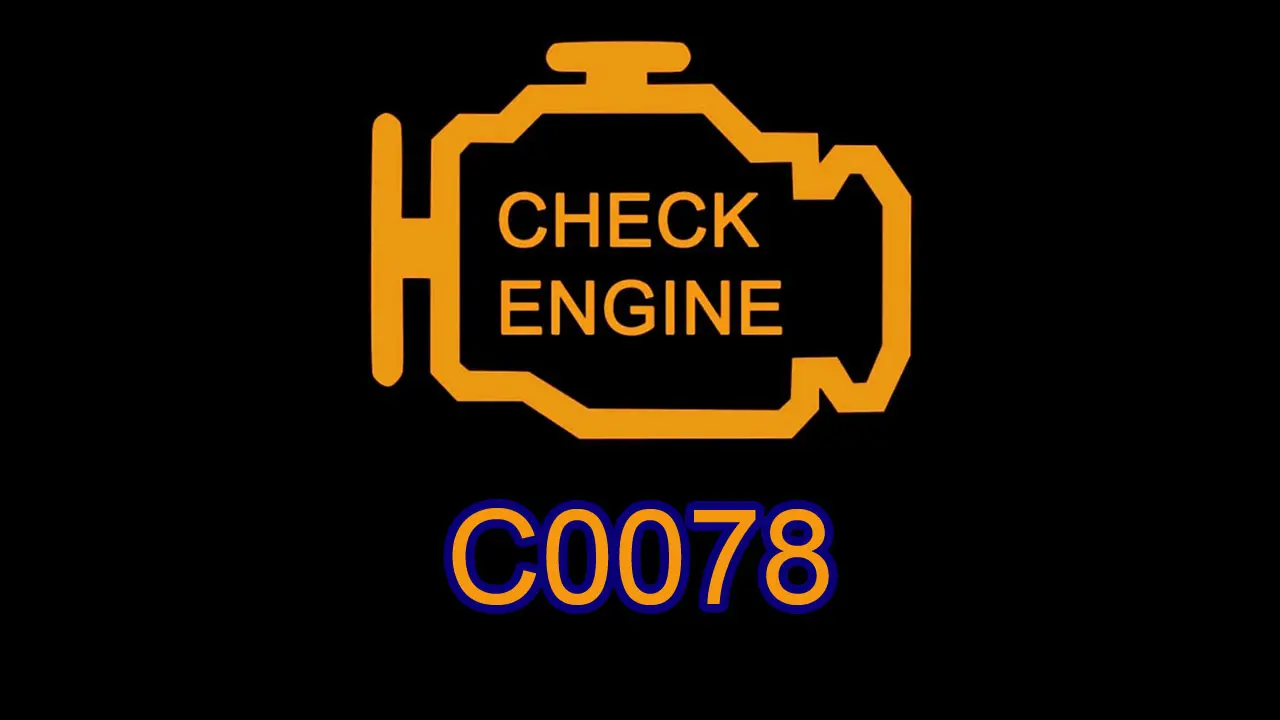
C0078 Tire Diameter Sensor Malfunction
C0078 Tire Diameter Sensor Malfunction is a diagnostic trouble code that indicates the vehicle's tire diameter monitoring system has detected an abnormal signal or malfunction related to the tire diameter sensor or its associated circuit.
Many modern vehicles use tire diameter calculations as part of their ABS (Anti-lock Braking System), Traction Control System (TCS), Electronic Stability Control (ESC), and Tire Pressure Monitoring System (TPMS). Instead of using a dedicated physical sensor, some vehicles calculate tire diameter by comparing wheel speed data from the ABS sensors. Other vehicles may use dedicated tire size or suspension-related sensors as part of their stability management system.
When the control module detects that the measured or calculated tire diameter falls outside the expected operating range or receives invalid information, it stores the C0078 fault code.
This fault is commonly caused by mismatched tire sizes, worn tires, faulty wheel speed sensors, damaged wiring, ABS module faults, or calibration problems.
What Does C0078 Tire Diameter Sensor Malfunction Mean?
The vehicle constantly compares wheel rotation and tire diameter information to ensure accurate operation of several safety systems.
The control module monitors:
-
Wheel speed sensor signals
-
Tire circumference calculations
-
Vehicle speed
-
ABS operation
-
Stability control inputs
-
Traction control calculations
If one tire appears significantly different in diameter from the others or the sensor data becomes unreliable, the module may determine that a tire diameter fault exists and store C0078.
Possible causes include:
-
Incorrect tire size
-
Uneven tire wear
-
Faulty wheel speed sensor
-
Tire diameter calculation error
-
Wiring problems
-
ABS control module malfunction
How Does Tire Diameter Affect Vehicle Safety Systems?
Modern electronic safety systems rely on accurate wheel speed information.
A tire with a different diameter rotates at a different speed even when traveling at the same vehicle speed.
Incorrect tire diameter information can affect:
-
ABS braking performance
-
Traction control intervention
-
Electronic stability control operation
-
Speedometer accuracy
-
Transmission shift quality (on some vehicles)
-
Tire pressure monitoring calculations
For this reason, manufacturers recommend using tires with identical specifications on all wheels whenever possible.
Symptoms of C0078
Symptoms vary depending on the vehicle and the severity of the fault.
ABS Warning Light
The ABS warning light may illuminate.
Traction Control Warning Light
The traction control system may become disabled.
Electronic Stability Control Warning
ESC or stability control warnings may appear.
TPMS Warning
Some vehicles may also display tire pressure monitoring warnings if tire diameter calculations become unreliable.
Reduced Stability Control Performance
The vehicle may experience:
-
Reduced traction control assistance
-
Reduced stability control intervention
-
Limited ABS operation
Incorrect Speedometer Readings
If tire diameter calculations are significantly affected, vehicle speed readings may become inaccurate.
Transmission Performance Issues
Some automatic transmissions use wheel speed information for shift control.
Possible symptoms include:
-
Delayed shifting
-
Harsh shifting
-
Incorrect gear selection
No Noticeable Driving Symptoms
Some vehicles only illuminate warning lights while continuing to drive normally.
Common Causes of C0078
Several mechanical and electrical problems can trigger this fault.
Incorrect Tire Size
One of the most common causes is installing tires with different overall diameters.
Examples include:
-
Different tire brands with varying dimensions
-
Incorrect replacement tires
-
Mixing different tire sizes
Uneven Tire Wear
Significantly worn tires may create enough diameter difference to trigger the fault.
This commonly occurs when:
-
One tire is replaced while the remaining tires are heavily worn.
-
Tire rotations are neglected.
Faulty Wheel Speed Sensor
Wheel speed sensors provide the information used to calculate tire rotation.
Possible failures include:
-
Internal sensor failure
-
Signal interruption
-
Contamination
-
Physical damage
Damaged Tone Ring
The reluctor ring or encoder ring used by the wheel speed sensor may be:
-
Cracked
-
Dirty
-
Damaged
-
Misaligned
Damaged Wiring
Electrical wiring problems may include:
-
Broken wires
-
Short circuits
-
Damaged insulation
-
Heat damage
Connector Problems
Electrical connectors may develop:
-
Corrosion
-
Loose terminals
-
Water intrusion
-
Bent pins
ABS Control Module Problems
The ABS module may incorrectly interpret wheel speed information due to:
-
Internal electronic failure
-
Software issues
-
Calibration errors
Suspension Problems
Suspension damage may slightly alter wheel geometry and influence sensor readings in certain systems.
Possible causes include:
-
Damortizer wear
-
Bent suspension components
-
Wheel bearing problems
How Is C0078 Diagnosed?
Proper diagnosis requires checking both the tires and the electronic braking system.
Scan the ABS Control Module
A professional diagnostic scanner should check:
-
ABS fault codes
-
Wheel speed sensor data
-
Tire diameter calculations
-
Stability control information
Additional codes often help identify the root cause.
Inspect Tire Sizes
Technicians should verify:
-
Tire size matches manufacturer specifications.
-
All tires have similar wear.
-
Inflation pressures are correct.
Check Wheel Speed Sensors
The sensors should be inspected for:
-
Proper operation
-
Signal quality
-
Physical damage
-
Contamination
Inspect Wiring and Connectors
Electrical inspection should include:
-
Wiring continuity
-
Connector condition
-
Corrosion
-
Power and ground integrity
Inspect Tone Rings
The ABS reluctor rings should be checked for:
-
Cracks
-
Missing teeth
-
Dirt buildup
-
Rust
-
Misalignment
Road Test with Live Data
Technicians may compare:
-
Individual wheel speeds
-
Vehicle speed
-
Tire rotation consistency
How Is C0078 Fixed?
The correct repair depends on the actual cause.
Install Correct Tire Sizes
If incorrect tires are installed, replacing them with the proper size often resolves the fault.
Replace Worn Tires
If excessive wear creates significant diameter differences, replacing the affected tires may be necessary.
Replace Faulty Wheel Speed Sensor
A defective ABS wheel speed sensor should be replaced.
Repair Wiring Problems
Possible repairs include:
-
Repair damaged wires
-
Replace damaged wiring
-
Clean corroded connectors
Repair Tone Ring Problems
Damaged reluctor rings should be repaired or replaced.
Repair Suspension Problems
Faulty suspension components affecting wheel speed readings should be corrected.
Repair or Replace ABS Module
If the ABS control module is defective, it may require:
-
Software update
-
Reprogramming
-
Replacement
After repairs:
-
Clear diagnostic trouble codes.
-
Verify wheel speed sensor operation.
-
Perform any required calibration procedure.
-
Test drive the vehicle.
-
Confirm that C0078 does not return.
Can You Drive With C0078?
The vehicle may still be drivable, but electronic safety systems may not function correctly.
Possible risks include:
-
Reduced ABS performance
-
Reduced traction control
-
Reduced stability control
-
Incorrect vehicle speed calculations
Extra caution is recommended during:
-
Wet weather
-
Snow
-
Ice
-
Emergency braking
Is C0078 a Serious Code?
C0078 is generally considered a moderate safety-related fault.
The vehicle may continue operating, but systems that rely on accurate wheel speed and tire diameter calculations may not function properly.
Prompt diagnosis is recommended to restore full braking and stability system performance.
How to Prevent C0078
Regular maintenance can reduce the likelihood of this fault.
Use Matching Tires
Always install tires with:
-
The correct size
-
Similar tread depth
-
Matching specifications whenever possible
Rotate Tires Regularly
Regular tire rotation helps maintain even tire wear.
Maintain Proper Tire Pressure
Correct inflation helps maintain accurate tire diameter.
Inspect Wheel Speed Sensors
Check sensors and tone rings during routine brake service.
Repair ABS Warning Lights Promptly
Address ABS or traction control faults early to prevent additional system problems.
Final Thoughts
C0078 Tire Diameter Sensor Malfunction indicates that the vehicle has detected incorrect or unreliable tire diameter information that may affect ABS, traction control, stability control, and other electronic safety systems.
The most common causes include:
-
Incorrect tire sizes
-
Uneven tire wear
-
Faulty wheel speed sensors
-
Damaged tone rings
-
Wiring problems
-
ABS control module faults
-
Calibration issues
A complete inspection of the tires, wheel speed sensors, ABS system, wiring, connectors, and control modules is necessary to restore accurate wheel speed calculations and proper vehicle safety system operation.