TR
TR EN
EN

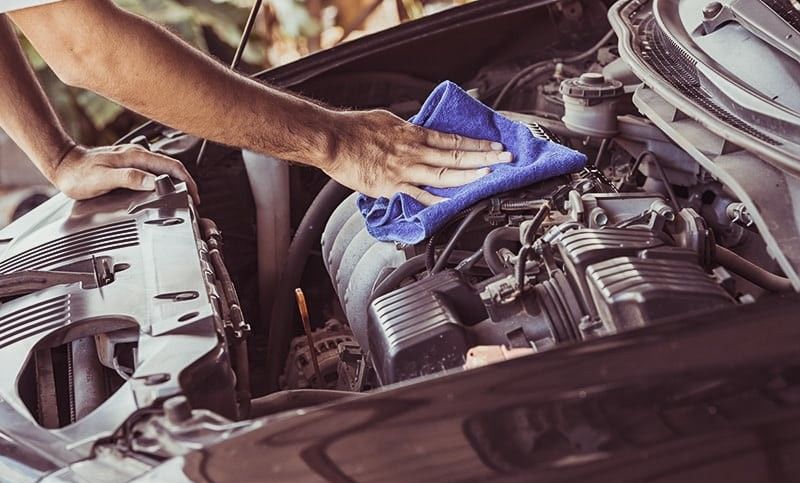
Is Washing a Car Engine Harmful or Beneficial?
Washing the engine bay is not necessarily harmful when it is done correctly. In fact, removing accumulated oil, dust, mud, and road grime can make certain maintenance and inspection tasks easier.
However, the engine bay is not like the exterior of the vehicle. It contains electrical connectors, sensors, ignition components, the alternator, fuse boxes, control modules, and other sensitive components.
For this reason, the important question is not simply whether the engine should be washed, but how it is washed.
What Are the Benefits of Washing the Engine?
A clean engine bay makes it easier to inspect the vehicle and identify potential problems.
Cleaning can make it easier to notice:
-
Oil leaks
-
Coolant leaks
-
Damaged hoses
-
Loose connections
-
Dirty or damaged wiring
-
Corrosion around electrical components
-
Excessive dirt and mud around the engine
If the engine is covered with oil and grime, finding the source of a new leak can be difficult. Cleaning the area first can make subsequent diagnosis much easier.
Can Washing the Engine Damage It?
Yes, if it is done incorrectly.
The fact that an engine gets wet does not automatically mean that it will be damaged. Vehicles are designed to withstand rain, water splashes, and moisture under normal operating conditions.
The problem is uncontrolled water, especially high-pressure water, entering areas that are not intended to receive it directly.
Components that require particular care include:
-
Alternators
-
Fuse and relay boxes
-
ECU connections
-
Ignition coils
-
Spark plug wells
-
Sensor connectors
-
Battery terminals
-
Electrical wiring connections
-
Air intake and air filter housing
-
Electrical actuators and control components
Water forced into these areas can cause starting problems, misfires, warning lights, electrical faults, or temporary sensor errors.
Can You Use a Pressure Washer on an Engine?
Using a high-pressure washer directly inside the engine bay is generally not recommended.
A pressure washer is very effective at removing dirt, but the same pressure that removes dirt can force water into electrical connectors and sensitive components.
Avoid directing high-pressure water directly at:
-
Electrical connectors
-
The alternator
-
Fuse boxes
-
Ignition coils
-
Spark plug areas
-
ECU connectors
-
Air intake components
-
Sensors and actuators
If water is necessary, low-pressure and controlled application is a much safer approach.
A damp cloth, suitable engine cleaner, soft brush, and controlled rinsing can often achieve the desired result without exposing sensitive components to unnecessary water pressure.
Should You Wash a Hot Engine?
It is better to allow the engine to cool before washing it.
Applying cold water to very hot components creates unnecessary thermal stress. Hot surfaces can also cause water to evaporate rapidly, allowing moisture to reach areas where it is not wanted.
The exhaust manifold, turbocharger, engine block, and other high-temperature components should not be exposed to sudden temperature changes simply for the sake of cleaning.
Allow the engine to cool to a reasonable temperature before starting the cleaning process.
What If the Car Will Not Start After the Engine Washed?
If a vehicle refuses to start immediately after the engine bay has been washed, moisture should be one of the first things considered.
On gasoline engines, water can collect around:
-
Spark plugs
-
Ignition coils
-
Coil connectors
-
Crankshaft position sensor connections
-
Camshaft position sensor connections
-
Other electrical connectors
Moisture can interfere with ignition or sensor signals.
Instead of repeatedly cranking the engine, it is better to allow the affected areas to dry and inspect the relevant electrical connections.
If the engine starts but runs roughly or misfires, moisture around the ignition system should be checked carefully.
Why Can the Check Engine Light Come On After Washing?
Water or moisture entering an electrical connector can temporarily alter the electrical signal received by the ECU.
The ECU may detect a signal that is outside the expected range and store a diagnostic trouble code.
Depending on the vehicle, moisture-related faults can involve components such as:
-
Crankshaft position sensors
-
Camshaft position sensors
-
MAF sensors
-
MAP sensors
-
Throttle bodies
-
Oxygen sensors
-
Ignition components
If a warning light appears immediately after an engine wash, it does not automatically mean that the affected component has failed.
The connector, wiring, power supply, ground, and moisture level should be checked before replacing expensive parts.
Is Steam Cleaning Safer?
Steam cleaning can be a useful alternative because it allows the amount of water used during cleaning to be more controlled.
However, steam is not automatically safe for every component.
High-temperature steam should not be directed directly at:
-
ECU modules
-
Electrical connectors
-
Sensors
-
Plastic electrical components
-
Rubber components
-
Control units
The same basic principle applies to steam cleaning: sensitive components should be protected and cleaning should be controlled.
What Products Should Be Used to Clean an Engine?
A suitable engine-bay cleaner or degreaser can be used when necessary, but the product should be compatible with plastics, rubber, painted surfaces, and electrical components.
Avoid randomly using aggressive chemicals, strong solvents, or highly flammable cleaning products.
A product that removes oil effectively but damages rubber seals, plastic components, or protective coatings can create a new problem while solving the original one.
After applying a cleaning product, residues should also be removed appropriately.
What Should You Do After Washing the Engine?
Drying is an important part of the process.
Pay particular attention to:
-
Ignition coil areas
-
Spark plug wells
-
Electrical connectors
-
Battery terminals
-
Alternator area
-
Fuse boxes
-
Air intake components
Compressed air can be useful for drying, but it should also be used carefully. Blasting high-pressure air directly into electrical connectors can push moisture deeper into the connection.
Allow the engine bay to dry properly before using the vehicle normally.
Does the Engine Need to Be Washed During Every Service?
No.
Engine-bay washing is not a mandatory maintenance procedure.
If the engine bay is reasonably clean, there is usually no need to wash it at every service simply for appearance.
Cleaning becomes more useful when there is:
-
Heavy oil contamination
-
Mud
-
Thick dust buildup
-
Road grime
-
Salt residue from winter driving
-
A need to locate an oil or coolant leak
A controlled cleaning when necessary is generally more sensible than repeatedly washing the engine bay.
Can Washing Help Find an Oil Leak?
Yes. This is one of the situations where engine cleaning can be particularly useful.
If the engine is covered in old oil and dirt, determining where fresh oil is coming from can be difficult.
After cleaning, the vehicle can be driven for a period of time and the engine can then be inspected again.
Fresh oil may reveal the source around areas such as:
-
Valve cover gasket
-
Oil filter housing
-
Oil pan
-
Crankshaft seals
-
Turbocharger oil lines
-
Oil pressure sensor
-
Other gasket and seal locations
The purpose is not to keep the engine perfectly clean at all times. It is to establish a clean starting point so that a new leak can be identified more accurately.
Is Dry Cleaning Better Than Washing?
For light dirt, dry or minimally wet cleaning is often the safer option.
A cloth, soft brush, appropriate cleaner, and controlled air can remove a surprising amount of dirt without extensive water use.
If the engine bay contains heavy mud or oil contamination, controlled water use may be appropriate. However, the direction, quantity, and pressure of the water are important.
Modern vehicles contain considerably more electronic equipment than many older cars, so the traditional method of covering the engine with foam and spraying it with high-pressure water is not suitable for every vehicle.
Is Washing a Car Engine Beneficial or Harmful?
Engine-bay cleaning itself is not inherently harmful. Improper engine washing is the real problem.
A carefully performed cleaning can remove oil and dirt, make leaks easier to identify, and improve access during maintenance.
On the other hand, washing a hot engine, using high-pressure water on electrical components, allowing water into the air intake, or operating the vehicle before moisture has been removed can create unnecessary problems.
For most vehicles, the safest approach is controlled cleaning, low-pressure water when necessary, protection of sensitive electrical components, and thorough drying afterward.