TR
TR EN
EN

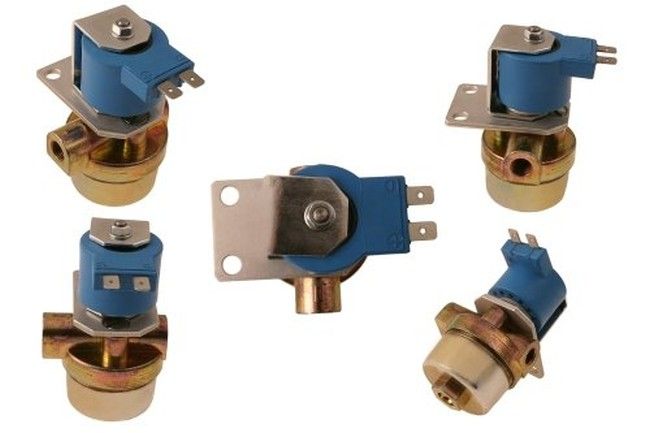
What Is an LPG Solenoid Valve? What Are the Symptoms of Failure?
An LPG solenoid valve is an electrically controlled valve that regulates the flow of LPG in an LPG fuel system. It is one of the important safety and control components in LPG-converted vehicles.
Depending on the LPG system, there may be a solenoid valve on the LPG tank/multivalve side, another near the LPG reducer/regulator, or both.
Its basic purpose is simple: allow LPG to flow when the system is authorized to operate on LPG and shut off LPG flow when the engine is stopped, switched to gasoline, or a safety condition is detected.
A faulty solenoid valve can therefore cause anything from difficult fuel switching to an LPG no-start condition.
How Does an LPG Solenoid Valve Work?
An LPG solenoid valve uses an electrical coil to move a valve mechanism.
When the LPG ECU or control system supplies the appropriate electrical signal, the magnetic field generated by the coil moves the internal mechanism and allows LPG to pass.
When the electrical signal is removed, the valve normally returns to its closed position.
This is also an important safety feature. If the engine stops or the LPG system loses its control signal, the valve is designed to stop LPG flow rather than allowing fuel to continue flowing unnecessarily.
The exact control strategy varies between LPG systems.
Where Is the LPG Solenoid Valve Located?
The location depends on the LPG conversion system.
Common locations include:
Near the LPG tank
A solenoid valve can be integrated into the multivalve assembly on the LPG tank. It controls LPG leaving the tank toward the rest of the fuel system.
Near the LPG reducer
Many systems also use a solenoid valve near the reducer/regulator. This controls the LPG supply before the gas reaches the reducer.
On older LPG systems
Older installations may have a relatively simple electromagnetic valve that can be easily identified by its electrical connector and LPG line connections.
The exact arrangement should always be determined from the specific LPG system rather than assuming that every vehicle has the same configuration.
What Does the LPG Solenoid Valve Do?
The solenoid valve performs several important functions:
-
Controls LPG flow
-
Stops LPG flow when the engine is switched off
-
Helps control the transition between gasoline and LPG
-
Prevents uncontrolled LPG delivery
-
Works with the LPG ECU and fuel selector
-
Provides an additional safety layer in the fuel system
It is not the same component as the LPG injector.
The solenoid valve primarily controls the LPG supply line, while LPG injectors meter LPG into the engine according to engine operating conditions.
What Are the Symptoms of a Faulty LPG Solenoid Valve?
A failing solenoid valve can produce different symptoms depending on whether it is electrically faulty, mechanically stuck, contaminated, or suffering from a wiring problem.
Common symptoms include:
-
Vehicle does not switch to LPG
-
Engine switches to LPG and immediately stalls
-
Difficulty starting on LPG
-
LPG system switches back to gasoline
-
Loss of LPG power
-
Intermittent LPG operation
-
No LPG flow to the reducer
-
Clicking sound is absent when switching fuels
-
LPG warning or fault indication
-
Engine runs on gasoline but not on LPG
-
LPG operation becomes inconsistent
These symptoms do not necessarily mean the solenoid valve itself is defective. The LPG ECU, fuse, relay, wiring, connectors, pressure sensor, reducer, or fuel selector can produce similar symptoms.
The Most Common Symptom: The Vehicle Will Not Switch to LPG
One of the most noticeable symptoms is that the vehicle continues running on gasoline even though the driver selects LPG.
The LPG ECU may refuse to activate the solenoid valve if certain conditions are not satisfied.
For example, many systems wait until the engine reaches an appropriate coolant temperature before switching from gasoline to LPG.
Therefore, if the vehicle does not switch to LPG, the solenoid valve should not immediately be blamed.
The LPG system should first be checked for:
-
Solenoid valve power supply
-
Fuse and relay operation
-
LPG ECU output
-
Engine coolant temperature
-
LPG pressure
-
Pressure/temperature sensor signals
-
Wiring and connectors
-
Fuel selector operation
What Happens If the LPG Solenoid Valve Does Not Open?
If the valve remains closed, LPG cannot reach the reducer or the next stage of the fuel system.
The result can be:
-
No LPG pressure
-
Failure to switch to LPG
-
Engine stalling immediately after switching
-
Engine running only on gasoline
-
Difficult LPG starting
-
No LPG injector operation because fuel supply pressure is missing
This can sometimes be confused with a defective LPG reducer or empty LPG tank.
For this reason, LPG pressure should be measured during diagnosis instead of relying only on the dashboard fuel-level indicator.
What Happens If the Solenoid Valve Does Not Close?
This condition is more serious because the valve is part of the LPG fuel shut-off system.
If a solenoid valve remains open when it should be closed, LPG may continue moving through a section of the system when it should not.
The exact symptoms depend on the system design and where the valve is installed.
Possible signs include:
-
Abnormal LPG pressure behavior
-
Fuel-system switching problems
-
LPG odor
-
Difficult restarting
-
Unusual fuel consumption
-
Continued LPG flow after shutdown
A suspected valve that does not close correctly should be inspected promptly by a qualified LPG technician.
Can an LPG Solenoid Valve Cause an LPG Smell?
It can be associated with an LPG smell, but the valve itself is not automatically the source of a leak.
An LPG smell can result from:
-
Damaged valve seals
-
Loose fittings
-
Damaged LPG hoses or pipes
-
Reducer leaks
-
Multivalve problems
-
Injector rail connections
-
Filter housing leaks
-
Incorrect installation
-
Damaged O-rings
A persistent LPG smell should never be considered normal.
If strong LPG odor is noticed around the vehicle, especially inside the cabin or near the engine compartment, the vehicle should be stopped in a safe location and the system should be professionally inspected.
Does an LPG Solenoid Valve Make a Clicking Sound?
Many LPG solenoid valves produce a noticeable click when they are energized.
This can be useful during a basic diagnosis.
For example, when the LPG system changes fuel mode, a technician may hear or feel the solenoid activate.
However, a clicking sound does not prove that the valve is functioning correctly.
The coil may activate while the internal valve mechanism remains stuck, restricted, or damaged.
Therefore, the valve should be tested electrically and mechanically when necessary.
Why Does an LPG Solenoid Valve Get Stuck?
Several factors can cause a solenoid valve to become stuck or operate incorrectly.
Dirt and contamination
LPG fuel systems can accumulate contaminants over time. Depending on the system, these contaminants can interfere with the valve mechanism.
Electrical problems
A weak electrical connection, damaged wiring, poor ground, or insufficient voltage can prevent the solenoid from operating correctly.
Damaged solenoid coil
The electromagnetic coil can fail internally and become open-circuit or electrically abnormal.
Mechanical wear
The internal moving components and seals can wear over time.
Incorrect installation
Poorly installed wiring, connectors, LPG lines, or valve components can contribute to intermittent faults.
Fuel-system contamination
Contamination in the LPG system can affect valves, filters, reducers, and injectors.
How Is an LPG Solenoid Valve Tested?
Diagnosis should begin with the electrical circuit rather than immediately replacing the valve.
A technician can check whether the solenoid receives the correct electrical command when LPG operation is requested.
The following items may be inspected:
Electrical supply
Check the voltage reaching the solenoid when it is commanded to operate.
Ground and wiring
Inspect wiring, connectors, grounds, and terminals for corrosion, looseness, or damage.
Solenoid coil resistance
The coil can be measured with a multimeter and compared with the manufacturer's specifications.
Mechanical operation
The valve should respond correctly when energized and return to its proper position when power is removed.
LPG pressure
Pressure before and after the relevant valve or at the reducer should be checked where appropriate.
Diagnostic data
If the LPG ECU supports diagnostic communication, stored fault codes and live data can provide additional information.
Can a Bad Fuse Cause the Same Problem?
Yes.
An LPG solenoid valve may be perfectly healthy while the electrical circuit supplying it has failed.
A blown fuse can prevent the valve from receiving power.
A faulty relay can have a similar effect.
Damaged wiring or a loose connector can also interrupt the signal.
This is why replacing the solenoid valve without testing the circuit can result in unnecessary expense.
LPG Solenoid Valve vs. LPG Reducer
These components are often confused.
The LPG solenoid valve controls LPG flow.
The LPG reducer/regulator reduces and regulates LPG pressure so that the fuel can be supplied to the engine at the pressure required by the system.
A reducer problem can cause low LPG pressure, poor performance, stalling, or difficult switching.
A solenoid problem can prevent LPG from reaching the reducer in the first place.
The two components should therefore be diagnosed separately.
LPG Solenoid Valve vs. LPG Injector
The difference is also important.
The solenoid valve controls the main LPG supply path.
The LPG injectors meter fuel to the engine according to the LPG ECU's commands.
A solenoid valve does not determine the precise LPG quantity injected into each cylinder.
If LPG pressure is correct but one cylinder has an injector problem, the cause is more likely to be in the injector rail or its control circuit.
If there is no LPG pressure because the supply valve remains closed, the problem may occur before the injectors even become relevant.
Can a Faulty Solenoid Valve Increase LPG Consumption?
Yes, indirectly.
If the valve itself does not properly control fuel flow, fuel-system behavior can become abnormal.
However, increased LPG consumption is much more commonly associated with problems such as:
-
Incorrect LPG calibration
-
Rich mixture
-
Faulty LPG injectors
-
Incorrect LPG pressure
-
Reducer problems
-
Vacuum leaks
-
Dirty air filter
-
Faulty engine sensors
-
Ignition problems
-
Incorrect fuel trims
Therefore, high LPG consumption alone is not enough to diagnose a solenoid valve.
Can a Faulty Solenoid Valve Cause Engine Stalling?
Yes, particularly if LPG supply is interrupted.
For example, if the vehicle switches from gasoline to LPG and the solenoid fails to open, the engine may suddenly lose its fuel supply and stall.
However, stalling after LPG switching can also be caused by:
-
Low LPG pressure
-
Faulty reducer
-
Incorrect LPG temperature
-
Pressure sensor problems
-
LPG injector problems
-
Incorrect calibration
-
Vacuum leaks
-
Ignition faults
A complete diagnosis is therefore necessary.
What Should Be Checked Before Replacing the Solenoid Valve?
Before installing a new valve, the technician should determine whether the valve is actually receiving the correct command.
A sensible diagnostic sequence is:
-
Confirm that the LPG tank contains fuel.
-
Check LPG system fault codes.
-
Check the fuse and relay.
-
Inspect the wiring and connectors.
-
Check the solenoid's electrical supply.
-
Test the solenoid coil.
-
Verify mechanical operation.
-
Measure LPG pressure.
-
Check the reducer and filter.
-
Check pressure and temperature sensor data.
-
Verify LPG injector operation.
-
Check LPG ECU commands and calibration.
This approach prevents unnecessary component replacement.
Is an LPG Solenoid Valve a Safety-Critical Component?
Yes.
The solenoid valve is part of the system that controls when LPG is allowed to flow.
It should therefore never be bypassed simply to make the vehicle run.
Bypassing an LPG solenoid valve can remove an important fuel shut-off function and create a serious safety risk.
LPG fuel-system repairs should be performed by a technician familiar with the specific LPG conversion system.
When Should the Valve Be Replaced?
Replacement is appropriate when testing confirms that the solenoid valve has an internal electrical or mechanical failure.
For example:
-
The coil is electrically defective
-
The valve does not respond correctly to the command
-
The valve is mechanically stuck
-
The valve leaks internally
-
The valve cannot maintain proper operation after cleaning or servicing
-
The manufacturer specifies replacement because of internal damage
The replacement part should be compatible with the LPG system and rated for the appropriate LPG pressure and installation conditions.
Why Proper Diagnosis Matters
An LPG solenoid valve is a relatively simple component, but its symptoms can overlap with many other LPG-system faults.
A vehicle that refuses to switch to LPG does not automatically need a new solenoid valve. The problem could be the fuse, relay, wiring, LPG ECU, temperature sensor, pressure sensor, reducer, filter, or another part of the fuel system.
The most reliable approach is to verify electrical command, valve operation, and actual LPG pressure before replacing the component.
When these three areas are checked systematically, it becomes much easier to determine whether the LPG solenoid valve is actually responsible for the fault.