TR
TR EN
EN

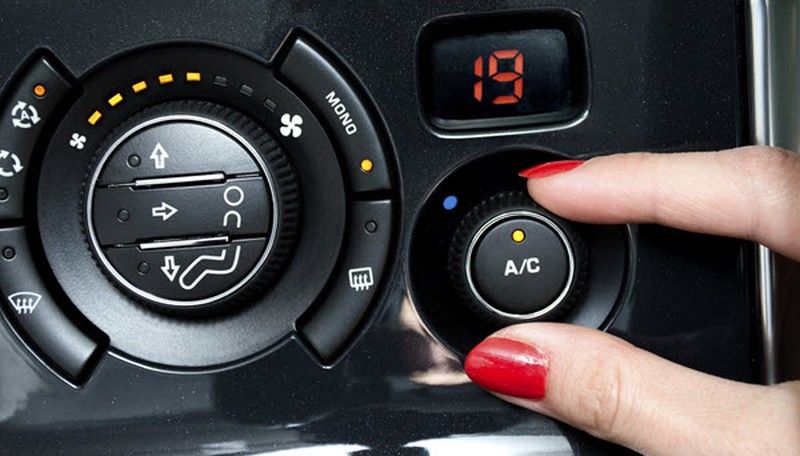
How Much Does Air Conditioning Affect Fuel Consumption?
Using the air conditioning system increases fuel consumption because the A/C compressor requires energy to operate. In vehicles with conventional internal-combustion engines, the compressor is driven by the engine, adding an extra load that the engine must overcome.
However, there is no single percentage that applies to every vehicle. The actual effect depends on engine size, outside temperature, driving speed, A/C settings, vehicle design, and how hard the climate-control system has to work.
Under typical conditions, using the A/C can increase fuel consumption by roughly 5–15%. In extremely hot weather, during short trips, or when the system is operating at maximum cooling capacity, the increase can sometimes be higher.
Why Does Air Conditioning Increase Fuel Consumption?
The key component is the A/C compressor.
When the air conditioning is switched on, the compressor starts operating and places an additional mechanical load on the engine. The engine management system compensates for this load by adjusting engine operation, but the additional energy still ultimately comes from fuel.
The effect can be more noticeable when:
-
The compressor is operating continuously
-
Outside temperatures are very high
-
The cabin is extremely hot
-
The fan is running at a high speed
-
The vehicle is being driven at low speeds
-
The engine has a small displacement
The alternator and electrical system also consume some additional energy because the blower fan and other climate-control components require electricity.
Does A/C Use More Fuel in City Driving?
Usually, its effect is more noticeable in city driving.
At low speeds, the vehicle already operates less efficiently because of frequent stops, acceleration, and idling. The additional load from the A/C can therefore represent a relatively large portion of the engine's total workload.
For example, if a vehicle normally consumes 8.0 L/100 km in city driving, A/C use might raise this figure to somewhere around 8.4–9.0 L/100 km under certain conditions.
This is only an example. Actual consumption can vary considerably depending on the vehicle and weather.
What About Highway Driving?
The situation changes at higher speeds.
Opening the windows creates additional aerodynamic drag. As speed increases, this drag can become significant and may offset any fuel savings gained by switching the A/C off.
For this reason, at highway speeds, using the air conditioner with the windows closed can often be more economical than driving with the windows fully open.
At lower speeds, however, opening the windows may sometimes consume less fuel than running the A/C.
There is therefore no universal rule that says either A/C or open windows is always more economical.
Does Setting the A/C to 16°C Use More Fuel?
Setting the temperature to the lowest possible value does not necessarily mean the system will consume exactly proportionally more fuel.
Modern automatic climate-control systems regulate compressor operation according to the temperature inside and outside the vehicle. Depending on the system, the compressor may cycle on and off or vary its output.
However, selecting an extremely low temperature can make the system work harder and for longer, particularly when the outside temperature is very high.
For everyday driving, setting the cabin to a reasonable temperature is generally more sensible than continuously selecting the lowest available setting.
How Much Fuel Does A/C Use While Idling?
The vehicle continues to consume fuel even when it is stationary.
When the A/C is running while the engine is idling, the compressor adds an additional engine load. The cooling fan and blower motor also consume energy.
Because the vehicle is not covering any distance while idling, this can have a noticeable effect on total fuel consumption.
For example, leaving a vehicle running with the A/C on for a long period while parked can consume a considerable amount of fuel without adding any kilometers to the trip.
Can A/C Maintenance Affect Fuel Consumption?
Yes.
An air-conditioning system that is not operating correctly can place unnecessary load on the engine or provide poor cooling performance.
Potential problems include:
-
Incorrect refrigerant charge
-
A restricted condenser
-
Poor airflow through the condenser
-
Cooling fan problems
-
A worn compressor
-
Compressor bearing problems
-
A damaged compressor clutch
-
A dirty cabin air filter
-
Electrical or control-system faults
A compressor with excessive mechanical resistance can place more load on the engine than a properly functioning system.
If the A/C suddenly becomes less effective or the engine feels unusually heavily loaded when the compressor engages, the system should be inspected rather than simply adding more refrigerant.
Does a Dirty Cabin Filter Increase Fuel Consumption?
A dirty cabin air filter mainly restricts airflow through the ventilation system.
This can make the blower motor work harder and may reduce the effectiveness of the climate-control system. In some cases, the A/C may also need to operate for longer because the cabin does not reach the desired temperature as efficiently.
The direct fuel-consumption effect of a dirty cabin filter is generally much smaller than the effect of the compressor itself, but replacing a severely clogged filter is still important for proper HVAC operation and cabin airflow.
Do Small Engines Feel the A/C Load More?
Often, yes.
The compressor load represents a larger proportion of the available engine power in a small-displacement engine.
When the compressor engages, the driver may notice:
-
A slight change in engine sound
-
A small drop in low-speed responsiveness
-
A temporary change in idle speed
-
Reduced acceleration, particularly at low RPM
Modern engine-management systems compensate for the additional load, so the effect is usually controlled.
However, it can still be noticeable in small naturally aspirated engines, especially when accelerating from low RPM.
Is A/C Different in Diesel and Gasoline Cars?
Both diesel and gasoline engines use additional energy when operating the A/C, but the way the extra load is perceived can differ.
Diesel engines often produce strong torque at low engine speeds, so the compressor load may be less noticeable to the driver.
Small gasoline engines, particularly naturally aspirated ones, may make the additional load more apparent during low-speed acceleration.
This does not mean that diesel vehicles always use less fuel with the A/C on. Overall fuel consumption depends on the engine, vehicle weight, gearing, driving conditions, and climate-control system.
What About Hybrid and Electric Vehicles?
Hybrid and electric vehicles can operate their climate-control systems differently from conventional cars.
Many modern hybrids and EVs use an electrically driven A/C compressor rather than a compressor driven directly by the engine.
In a hybrid vehicle, A/C operation can increase electrical demand and influence how frequently the combustion engine starts.
In a fully electric vehicle, there is no fuel consumption from an engine, but A/C operation increases electricity consumption and can reduce driving range.
The effect can become particularly noticeable during extreme temperatures.
Is It Better to Open the Windows or Use the A/C?
It depends mainly on vehicle speed and weather conditions.
At low speeds, opening the windows may be a reasonable alternative to using the A/C.
At higher speeds, however, open windows increase aerodynamic drag. The additional resistance can increase fuel consumption enough that using the A/C becomes the more efficient option.
A practical approach is:
Low-speed driving: Opening the windows may sometimes save energy.
High-speed driving: Using the A/C with the windows closed is often preferable.
How Can You Reduce the Fuel Cost of Using A/C?
You do not necessarily need to turn the A/C off completely to save fuel. Using it efficiently is more important.
A few simple habits can help:
-
Ventilate an extremely hot cabin briefly before starting intensive cooling.
-
Keep the windows closed once the vehicle is moving at higher speeds.
-
Use a reasonable temperature setting.
-
Avoid leaving the vehicle idling with the A/C running for long periods.
-
Replace the cabin air filter at the recommended intervals.
-
Keep the condenser and radiator area free from excessive dirt and debris.
-
Have the A/C system checked if cooling performance suddenly decreases.
-
Use an ECO climate mode if the vehicle provides one.
-
Park in the shade whenever possible to reduce the initial cooling load.
Does Turning the A/C Off Always Save Fuel?
Not necessarily.
Turning the A/C off removes the compressor load, so under the same driving conditions it can reduce fuel consumption. But the overall effect depends on what happens next.
For example, if switching the A/C off means driving at high speed with the windows fully open, the additional aerodynamic drag may reduce or even eliminate the expected fuel saving.
Likewise, if the cabin becomes excessively hot and the driver later runs the A/C at maximum capacity for a long time, the temporary fuel-saving benefit may be less significant.
How Much Does A/C Increase Fuel Consumption?
For a typical passenger car, a reasonable general estimate is around 5–15% higher fuel consumption when the A/C is being used, although the actual figure can be lower or higher.
The increase tends to become more noticeable when:
-
Temperatures are extremely high
-
The vehicle is used mainly in city traffic
-
Trips are short
-
The cabin starts out extremely hot
-
The A/C is operated at maximum cooling
-
The vehicle has a relatively small engine
The important point is that air conditioning is only one factor affecting fuel consumption. Driving style, traffic, tire pressure, vehicle load, engine condition, and outside temperature can have an equally significant or greater effect.
Final Takeaway
Air conditioning does increase fuel consumption because the compressor requires additional energy from the vehicle.
For most passenger cars, the increase is commonly in the 5–15% range, but there is no universal number that applies to every vehicle.
In city traffic, the effect can be more noticeable. At highway speeds, however, driving with the windows fully open can create enough aerodynamic drag that using the A/C may actually be the more efficient choice.
The best approach is not to avoid air conditioning completely, but to use it sensibly, keep the system properly maintained, and avoid unnecessary maximum cooling or prolonged idling.