TR
TR EN
EN

8 Warning Signs Your Engine May Be Failing
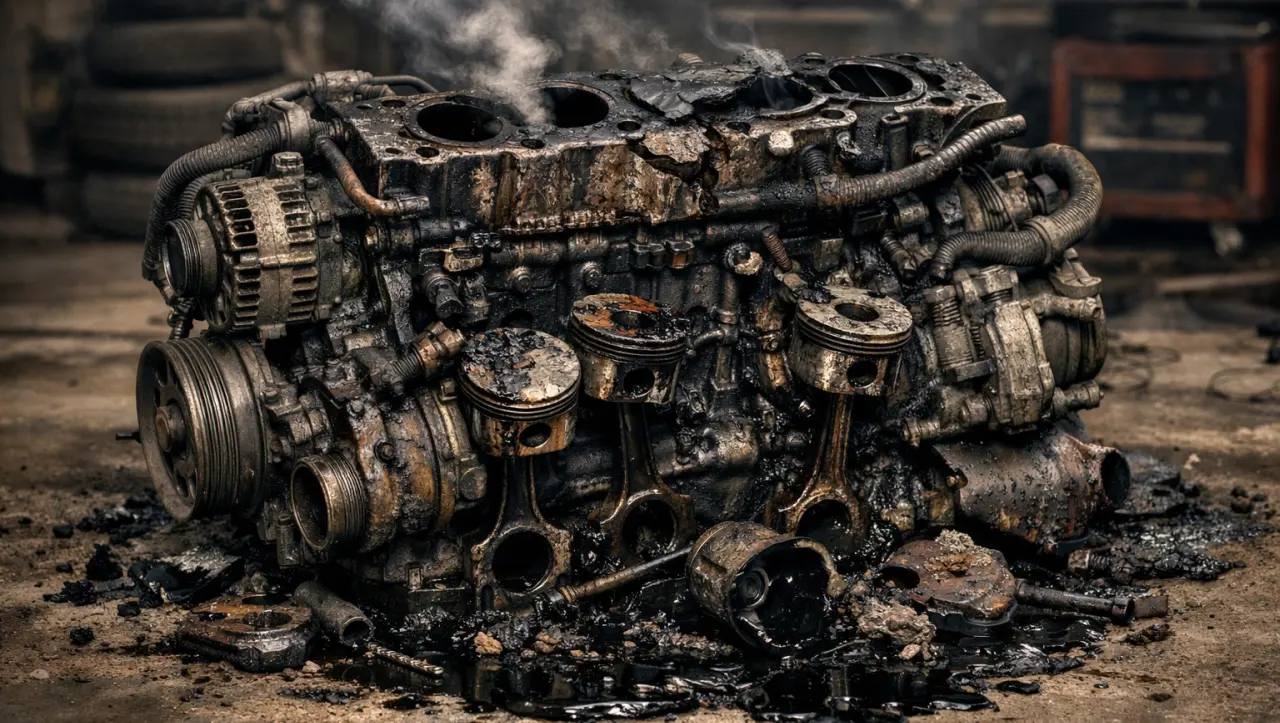
Your car's engine is its most important—and often most expensive—component. Many drivers think engine failure happens suddenly, but that's rarely the case. In most situations, an engine shows warning signs long before a major breakdown occurs. Unfortunately, these signs are often ignored or mistaken for minor issues.
Recognizing these symptoms early can help you avoid costly repairs or even a complete engine replacement.
1. Unusual Engine Noises
A healthy engine runs smoothly and consistently. If you begin hearing unusual sounds such as:
-
Knocking
-
Ticking
-
Metal grinding
-
Loud tapping
it's time to investigate.
These noises may indicate:
-
Insufficient lubrication
-
Worn internal components
-
Piston or crankshaft problems
Ignoring strange engine noises can turn a minor repair into a major one.
2. Excessive Exhaust Smoke
The color of your exhaust smoke can reveal a lot about your engine's condition.
Common smoke colors include:
-
Blue smoke: The engine is burning oil.
-
Thick white smoke: Coolant may be entering the combustion chamber.
-
Black smoke: The engine is burning too much fuel.
Possible causes include:
-
Worn piston rings
-
Blown head gasket
-
Faulty fuel injectors
Persistent exhaust smoke should never be ignored.
3. Excessive Oil Consumption
Most engines consume a small amount of oil over time, but excessive oil loss is a warning sign.
You may notice that:
-
You need to top up the oil frequently.
-
The oil level drops quickly between services.
This often indicates internal engine wear.
If excessive oil consumption is accompanied by blue exhaust smoke, the problem may be more serious.
4. Frequent Overheating
An engine that overheats regularly is sending a clear warning.
Possible causes include:
-
A clogged radiator
-
A faulty thermostat
-
Cooling system leaks
-
A damaged head gasket
Driving an overheating vehicle can cause severe engine damage, so it's important to address the problem immediately.
5. Loss of Power
If your vehicle no longer accelerates like it used to, don't assume it's simply getting older.
Common symptoms include:
-
Sluggish acceleration
-
Poor hill-climbing performance
-
Reduced throttle response
Possible causes include:
-
Low engine compression
-
Fuel system problems
-
Internal engine wear
A noticeable loss of performance deserves a professional inspection.
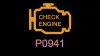
6. Check Engine Light Stays On
The check engine light is one of the most commonly ignored warnings.
It can indicate issues ranging from:
-
Faulty sensors
-
Ignition problems
-
Emissions system faults
-
Serious engine damage
If the warning light remains on, have the vehicle diagnosed as soon as possible instead of waiting for the problem to get worse.
7. Metal Particles in the Engine Oil
Finding metallic particles during an oil change is a serious warning sign.
Metal shavings usually mean that internal engine components are wearing against each other.
Possible sources include:
-
Bearings
-
Pistons
-
Camshaft components
-
Crankshaft parts
This often indicates advanced internal wear and requires immediate attention.
8. Hard Starting and Engine Misfires
Difficulty starting the engine or rough running after startup can signal developing engine problems.
Common symptoms include:
-
Longer cranking before the engine starts
-
Rough idle
-
Engine vibration
-
Misfires during acceleration
Possible causes include:
-
Worn spark plugs
-
Ignition system faults
-
Fuel injector problems
-
Low engine compression
If these symptoms occur together with other warning signs, your engine may require major repairs.
Final Thoughts
Major engine failures rarely happen without warning. In most cases, your vehicle gives you plenty of clues before serious damage occurs.
Paying attention to unusual noises, smoke, overheating, oil consumption, and warning lights can save you thousands in repair costs.
Remember: Engines rarely fail overnight—they usually warn you first. The key is recognizing those warnings and acting before a small problem becomes a major one.