TR
TR EN
EN

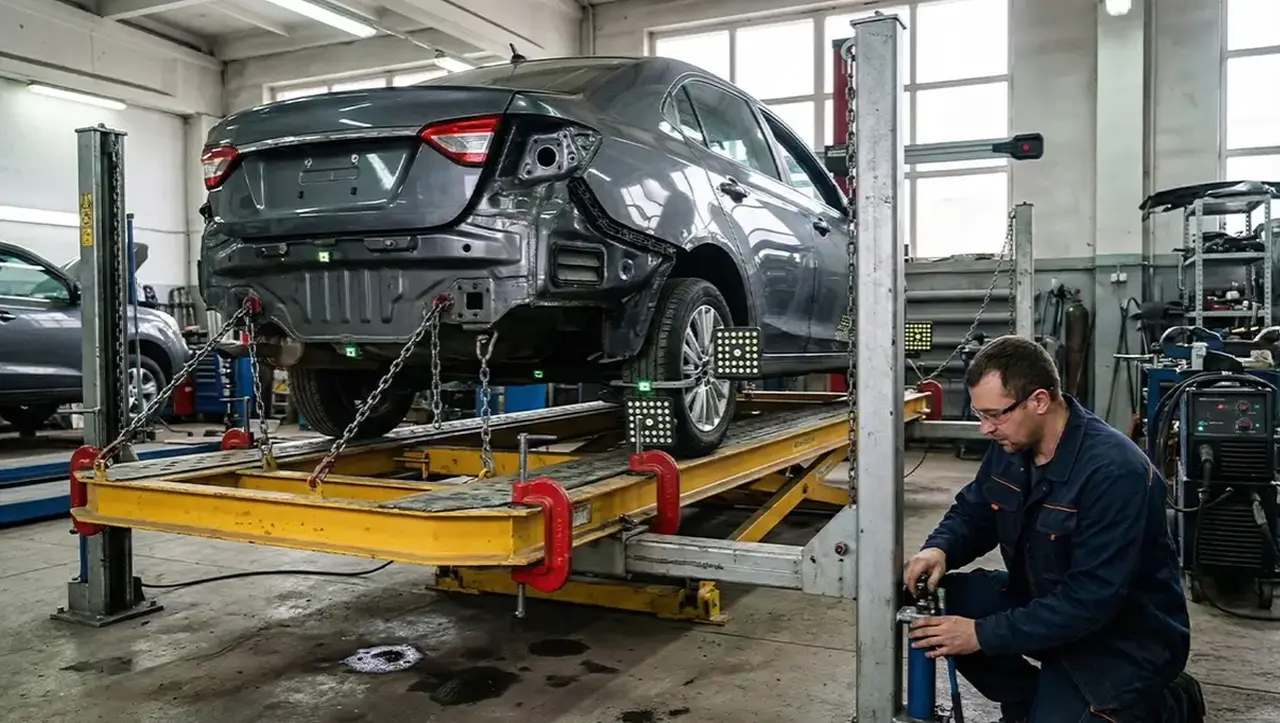
Signs That May Indicate Chassis Repairs in a Used Car
When buying a used car, one of the most important areas to inspect is the chassis. The chassis is the vehicle’s primary structural frame, and any repairs or modifications to it can directly affect safety, handling, and long-term reliability. Cars involved in serious accidents often require chassis straightening, pulling, or welding. So, how can you tell if a vehicle has undergone chassis repairs?
In most cases, chassis work is required after a severe front-end or rear-end collision. A significant impact can bend or damage the vehicle's structural frame, requiring specialized repair equipment to restore its alignment.
While some repairs are carried out professionally, poorly executed chassis work can compromise the vehicle’s structural integrity and reduce crash protection.
What Is a Vehicle Chassis?
The chassis is the main load-bearing structure of a vehicle. It supports major components such as:
-
The engine
-
Suspension system
-
Steering components
-
Body structure
Damage to the chassis can negatively affect:
-
Driving stability
-
Steering alignment
-
Suspension geometry
-
Crash safety
For this reason, any evidence of chassis repairs should be taken seriously.
Check the Body Panel Gaps
Uneven body panel gaps are among the most common signs of previous chassis repairs.
Look for:
-
Uneven hood gaps
-
Inconsistent door alignment
-
Misaligned fenders
-
A trunk lid that doesn't close evenly
Vehicles leave the factory with symmetrical panel gaps. Noticeable differences may indicate structural damage or previous repairs.
Pay Attention During the Test Drive
A test drive can reveal issues that may be related to chassis damage.
Warning signs include:
-
Steering wheel not centered when driving straight
-
Vehicle pulling to one side
-
Poor high-speed stability
-
Excessive vibrations
Although a wheel alignment may temporarily mask these symptoms, underlying structural issues can still remain.
Inspect the Front Frame Rails and Structural Areas
The front structural sections under the hood are critical inspection points.
Watch for:
-
Welding marks
-
Evidence of frame pulling
-
Uneven metal surfaces
-
Fresh seam sealer or silicone
-
Different paint shades
Factory welds are typically neat and uniform. Irregular welds or repairs may indicate previous accident damage.
Check the VIN Area Carefully
The area surrounding the Vehicle Identification Number (VIN) can also reveal important clues.
Be cautious if you notice:
-
Sanded or ground metal
-
Fresh paint
-
Filing or grinding marks
-
Irregular or inconsistent VIN stamping
Any unusual modifications around the VIN should be investigated carefully.
Inspect the Underside on a Lift
Many chassis repairs are difficult to detect from above.
A lift inspection allows you to examine:
-
Bent structural components
-
Welding underneath the vehicle
-
Cut-and-weld repairs
-
Signs of frame straightening
Pay particular attention to the rocker panels and floor pan.
An Inspection Report May Not Reveal Everything
Even professional pre-purchase inspections can occasionally miss expertly repaired structural damage.
For greater confidence:
-
Choose a reputable inspection company.
-
Request a computerized chassis alignment measurement.
-
Have the vehicle inspected by an experienced body repair specialist if possible.
Is It Safe to Buy a Car with Chassis Repairs?
The answer depends on the extent and quality of the repairs.
Minor structural corrections performed according to manufacturer standards may not significantly affect the vehicle.
However, cars with:
-
Cut or replaced frame sections
-
Extensive frame straightening
-
Severe accident history involving deployed airbags
generally carry greater safety risks and lower resale value.
Vehicle History Reports Don't Always Tell the Whole Story
A clean vehicle history report does not guarantee that the chassis has never been repaired.
Some structural repairs may never appear in official records, especially if they were completed:
-
Without an insurance claim
-
At an independent repair shop
-
Outside official reporting systems
This is why a physical inspection is just as important as reviewing the vehicle's history.
Conclusion
Chassis repairs are among the most critical factors to evaluate when purchasing a used vehicle. Improper structural repairs can affect both safety and long-term reliability.
Before buying a used car:
-
Inspect it on a lift.
-
Check body panel alignment.
-
Take a thorough test drive.
-
Obtain a professional inspection report.
-
Request a computerized chassis measurement.
A vehicle may look excellent on the outside while hiding significant structural repairs beneath the surface. Careful inspection is essential before making a purchase.