TR
TR EN
EN

Why Is a Car with Roof Repairs Considered Risky? Should You Buy One?
When buying a used car, one of the most important areas to inspect is the roof. Unlike bumpers or doors, the roof is rarely damaged during normal use. If an inspection report mentions that the roof has been repaired, repainted, or replaced, it often raises concerns among buyers. So, why are roof repairs considered risky, and is it ever safe to buy a car with roof work?
The roof is one of the strongest structural components of a vehicle. It is designed to maintain body rigidity and help protect occupants during a rollover. Because of this, any repair to the roof may indicate that the vehicle has experienced a significant impact.
Common causes of roof damage include:
-
Rollover accidents
-
Major collisions
-
Heavy objects falling onto the vehicle
-
Severe impact damage
Why Is Roof Damage Important?
Unlike replaceable body panels such as doors or fenders, the roof is part of the vehicle's structural framework.
It plays an essential role by:
-
Connecting to the vehicle's pillars
-
Maintaining structural rigidity
-
Helping protect occupants during a crash
For this reason, repairs involving the roof deserve closer attention than cosmetic bodywork.
Roof Repainting Is Not the Same as Roof Replacement
The type of repair is extremely important.
A minor localized repaint is very different from replacing the entire roof panel.
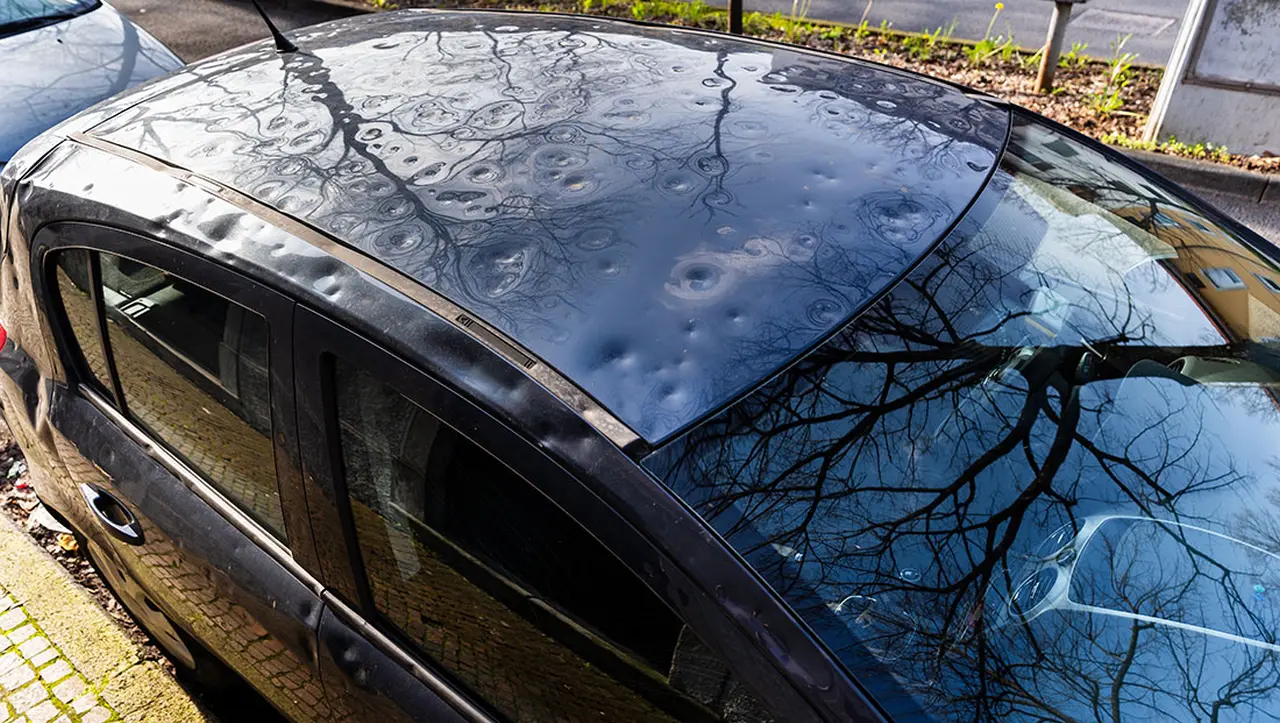
For example, a roof may only require cosmetic repairs because of:
-
Minor hail damage
-
Surface scratches
-
Small dents
These types of repairs generally pose far less concern.
However, more serious work such as:
-
Roof panel replacement
-
Roof section cutting
-
Pillar repairs
-
Welding work
may indicate major structural damage.
How Can You Tell If the Roof Has Been Repaired?
Some roof repairs can be difficult to detect, especially when performed professionally.
Things to inspect include:
-
Paint marks beneath roof weather strips
-
Welding or spot-weld marks
-
Signs of repair inside the roof pillars
-
Evidence that the headliner has been removed
-
Differences in paint color or texture
The connections between the roof and the A, B, and C pillars deserve particular attention.
Pillar Repairs Can Be a Serious Concern
In many cases, roof damage also affects the structural pillars.
Repairs involving the A, B, or C pillars may compromise:
-
Crash safety
-
Structural strength
-
Overall body alignment
Since these pillars are critical components of the vehicle's crash protection system, damage in these areas should be evaluated carefully.
Should You Buy a Car with a Repaired or Replaced Roof?
There is no single answer—it depends on why the repair was performed.
For example, a roof repaired because of minor hail damage is very different from one repaired after a rollover accident.
In general, however, vehicles with:
-
Roof replacements
-
Structural pillar repairs
-
Cut-and-weld roof repairs
are considered higher-risk in the used car market.
They also tend to have lower resale values.
Can a Vehicle Inspection Detect Every Roof Repair?
Not always.
Highly skilled repairs can sometimes be difficult to identify, even during a professional inspection.
For a thorough evaluation, it is recommended to combine:
-
Paint thickness measurements
-
Structural inspection of the roof and pillars
-
Undercarriage inspection on a lift
-
Interior trim and headliner inspection
Whenever possible, having the vehicle examined by an experienced body repair specialist is also advisable.
What Are the Risks of Buying a Car with Roof Repairs?
Depending on the extent and quality of the repair, potential risks may include:
-
Reduced crash protection
-
Water leaks
-
Increased wind noise
-
Reduced structural rigidity
-
Lower resale value
Poor-quality repairs can also lead to additional problems over time.
Accident History Reports May Not Tell the Whole Story
A clean accident history report does not necessarily mean the vehicle has never suffered major damage.
Some heavily damaged vehicles are repaired outside insurance channels through:
-
Uninsured repairs
-
Independent body shops
-
Unreported accident repairs
As a result, significant structural repairs may not appear in official records.
Conclusion
A vehicle with roof repairs should always be inspected carefully. Since the roof is a critical structural component, repairs may indicate previous major damage that could affect both safety and resale value.
Before purchasing such a vehicle, you should:
-
Check the roof for repainting or repairs
-
Carefully inspect the structural pillars
-
Look for signs of welding or panel replacement
-
Obtain a comprehensive inspection from a trusted expert
-
Research the vehicle's maintenance and accident history
A car may appear flawless on the outside while hiding a history of severe structural damage. For this reason, repairs involving the roof and pillars should never be overlooked.