TR
TR EN
EN

How to Find an Electrical Drain in a Car
Electrical drains are among the most frustrating problems vehicle owners can face. If your battery keeps going flat, the engine struggles to start, or you experience unexplained electrical issues, a parasitic battery drain may be the cause. While some electrical drains are easy to fix, others can indicate more serious wiring or electrical system faults. So, how can you identify an electrical drain in a car, and what are the most common causes?
An electrical drain occurs when one or more components continue drawing excessive power from the battery even after the vehicle has been switched off. Although modern vehicles normally consume a small amount of electricity to keep systems such as the clock, alarm, and ECU memory active, excessive current draw can gradually discharge the battery.
One of the first signs is often a vehicle that refuses to start after being parked overnight or for a few days.
What Are the Symptoms of an Electrical Drain?
A vehicle with an electrical drain may show several warning signs, including:
-
Battery repeatedly going flat
-
Vehicle failing to start after sitting unused
-
Weak or slow engine cranking
-
Dim headlights
-
Electrical systems behaving unpredictably
-
Blown fuses
-
A burning smell from damaged wiring
A minor drain may take several days to discharge the battery, while a severe drain can completely flatten it overnight.
Where Do Electrical Drains Usually Occur?
Parasitic battery drains can originate from many different components.
Common causes include:
-
Aftermarket multimedia systems
-
Incorrectly installed audio equipment
-
Faulty alarm systems
-
Sticking relays
-
Defective fuses
-
Interior dome lights
-
Trunk lights remaining on
-
Corroded wiring
-
Poor ground connections
Vehicles with aftermarket electrical accessories are generally more prone to electrical drain issues.
How to Check for an Electrical Drain
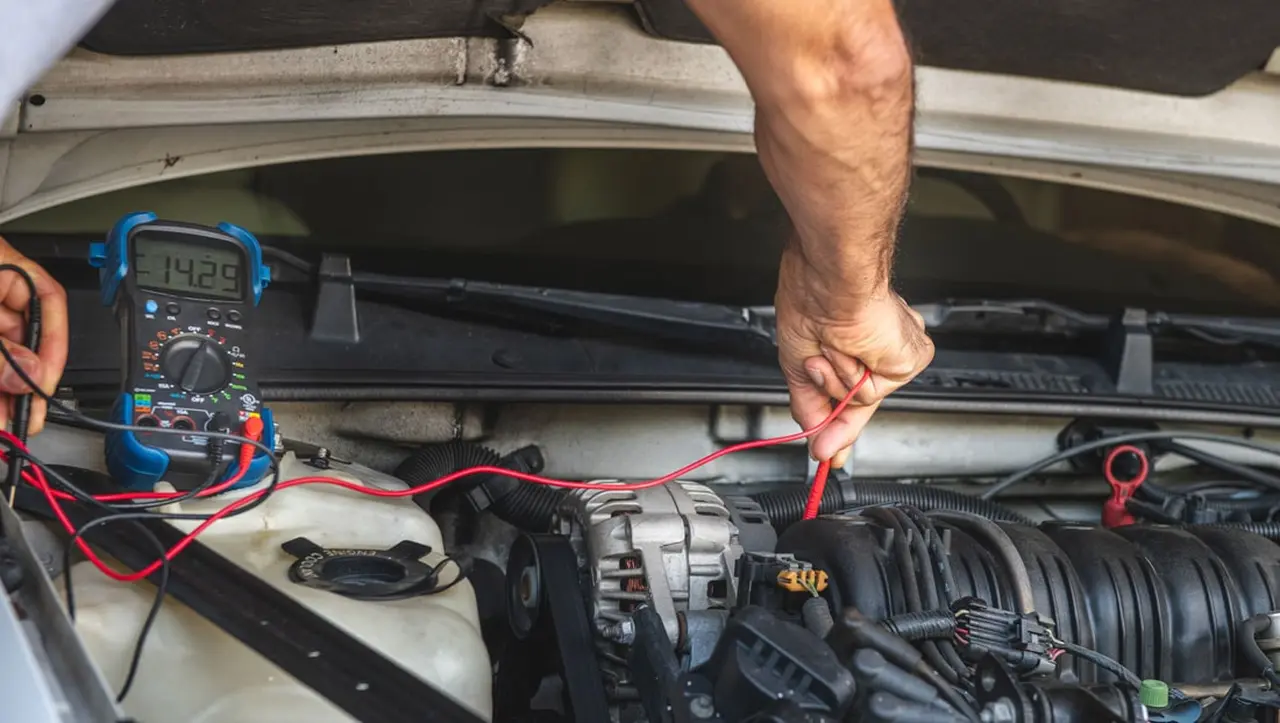
The most common way to locate an electrical drain is by measuring the vehicle's parasitic current draw with a digital multimeter.
Disconnect the Battery Terminal
Before testing:
-
Turn off the ignition
-
Close all doors
-
Make sure all interior lights are off
-
Allow the vehicle's electronic modules to enter sleep mode (this may take several minutes depending on the vehicle)
Then disconnect the negative battery terminal.
Connect the Multimeter in Series
Set the multimeter to measure current (amps).
Connect it in series between:
-
The negative battery terminal
-
The disconnected negative battery cable
This allows you to measure how much current the vehicle is drawing while switched off.
What Is a Normal Current Draw?
A small amount of power consumption is normal in modern vehicles.
Typical values range between:
-
30–50 milliamps (mA)
Higher readings may indicate an electrical drain.
For example:
-
Around 200 mA
-
500 mA
-
1 amp or more
usually suggests a significant parasitic drain that requires investigation.
Using the Fuse Removal Method
One of the most effective diagnostic methods is removing fuses one at a time.
If the current draw drops significantly after removing a particular fuse, the problem is likely located in that circuit.
This method can help identify faults in systems such as:
-
Radio or infotainment system
-
Interior lighting
-
Alarm system
-
Multimedia equipment
-
Body control or comfort module
Check the Trunk and Interior Lights
Sometimes the cause is surprisingly simple.
Common examples include:
-
A faulty trunk light switch that leaves the light on
-
An interior dome light that fails to turn off completely
These issues can slowly drain the battery without being immediately noticeable.
Inspect for Corroded Wiring
Moisture can cause corrosion in the electrical system.
Pay close attention to:
-
Ground connections
-
Fuse box terminals
-
Battery terminals
Signs of corrosion, overheating, or melted wiring should be repaired immediately.
Can an Electrical Drain Damage the Battery?
Yes. A battery that is repeatedly discharged below its normal operating level will lose capacity over time.
An electrical drain may also:
-
Shorten battery life
-
Increase strain on the starter motor
-
Force the alternator to work harder to recharge the battery
Ignoring the problem can eventually lead to more expensive repairs.
Is an Electrical Drain Always Easy to Find?
Not always.
Some drains occur only under certain conditions or intermittently, making diagnosis more challenging.
Examples include faults involving:
-
Electronic control modules (ECUs)
-
Body control modules
-
Comfort systems
-
Aftermarket electronic accessories
In these situations, professional diagnostic equipment and an experienced auto electrician may be required.
Conclusion
An electrical drain may seem like a minor inconvenience at first, but it can eventually cause repeated battery failures and other electrical problems.
If your vehicle regularly suffers from a dead battery, you should:
-
Measure the parasitic current draw
-
Check the fuse circuits
-
Inspect aftermarket electrical accessories
-
Examine the wiring and ground connections
Finding and repairing an electrical drain early can extend battery life, prevent unnecessary electrical repairs, and improve your vehicle's overall reliability.