TR
TR EN
EN

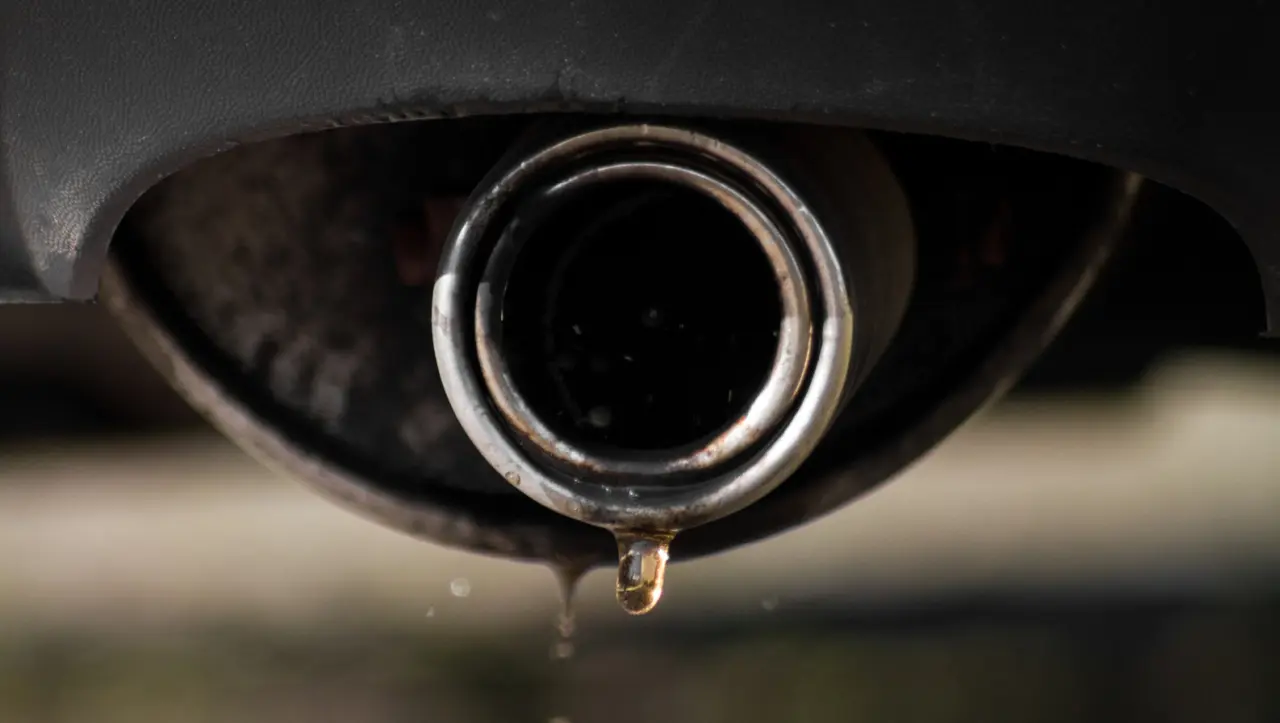
Is Water Dripping from the Exhaust Normal?
Seeing water dripping from the exhaust while the engine is running often concerns drivers and raises the question, "Is something wrong with my car?" In most cases, however, this is completely normal. Especially in cold weather, water dripping from the exhaust is usually the result of a natural physical process. So, why does water come out of the exhaust, when is it normal, and when could it indicate a problem?
As the engine burns fuel, exhaust gases are produced and expelled through the exhaust system. During this process, water vapor is also created. As the exhaust system cools, this vapor condenses into water droplets that may drip from the tailpipe.
Is It Normal for Water to Come Out of the Exhaust?
Yes.
In most cases, water dripping from the exhaust is completely normal.
It is especially common:
-
In cold weather
-
When the engine is first started
-
During short trips
The main reason is the condensation of water vapor produced during the combustion process.
Why Does Water Drip from the Exhaust?
The most common reasons include:
-
Water vapor produced during fuel combustion
-
Condensation inside the exhaust system
-
Frequent short-distance driving
-
Cold weather conditions
-
The normal operation of the catalytic converter
As the engine and exhaust system warm up, the accumulated moisture is expelled through the tailpipe.
The Effect of Short Trips
If a vehicle is mainly used for short journeys:
-
The exhaust system may never reach its full operating temperature.
-
Moisture can accumulate inside the exhaust.
-
The collected water may drip from the tailpipe.
This is particularly common in city driving.
Water from the Exhaust in Cold Weather
Cold temperatures cause exhaust gases to cool rapidly.
As a result:
-
Water droplets may form at the end of the exhaust pipe.
-
Steam and water may be visible during engine start-up.
This is a completely normal occurrence.
When Is Water from the Exhaust Not Normal?
Not every case of water dripping should be ignored.
The following symptoms may indicate a problem:
-
Thick white smoke along with water
-
Excessive or continuous water discharge
-
Unexplained engine coolant loss
-
Engine overheating
These signs may point to an internal engine fault.
What Happens If the Head Gasket Fails?
One of the most serious causes is a blown cylinder head gasket.
In this situation, you may notice:
-
Continuous white exhaust smoke
-
Coolant loss
-
A sweet smell from the exhaust
-
Reduced engine performance
If these symptoms are present, water coming from the exhaust should no longer be considered normal.
Does the Catalytic Converter Cause Water?
Yes.
The catalytic converter promotes chemical reactions that reduce harmful emissions.
During these reactions:
-
Additional water vapor is produced.
-
Some water may drip from the exhaust.
This is generally considered normal.
Is Water Dripping from the Exhaust Harmful?
Under normal circumstances, no.
If:
-
The engine is not losing coolant,
-
The engine runs smoothly,
there is usually no reason for concern.
How Can You Tell If the Water Dripping Is Normal?
The following situations are generally considered normal:
-
Water dripping when the engine is first started
-
Steam and water appearing together in cold weather
-
Water dripping for a short period after start-up
When Should You Visit a Mechanic?
You should have the vehicle inspected if you notice:
-
Continuous water along with thick white smoke
-
Engine overheating
-
Unexplained coolant loss
-
Reduced engine performance
These symptoms may indicate a serious cooling system or engine problem.
Conclusion
Water dripping from the exhaust is usually a normal byproduct of the engine's combustion process. It is especially common in cold weather and during short trips due to condensation inside the exhaust system.
However, if the water is accompanied by thick white smoke, coolant loss, overheating, or reduced engine performance, it could indicate a serious engine problem, such as a blown head gasket, and the vehicle should be inspected by a qualified technician as soon as possible.