TR
TR EN
EN

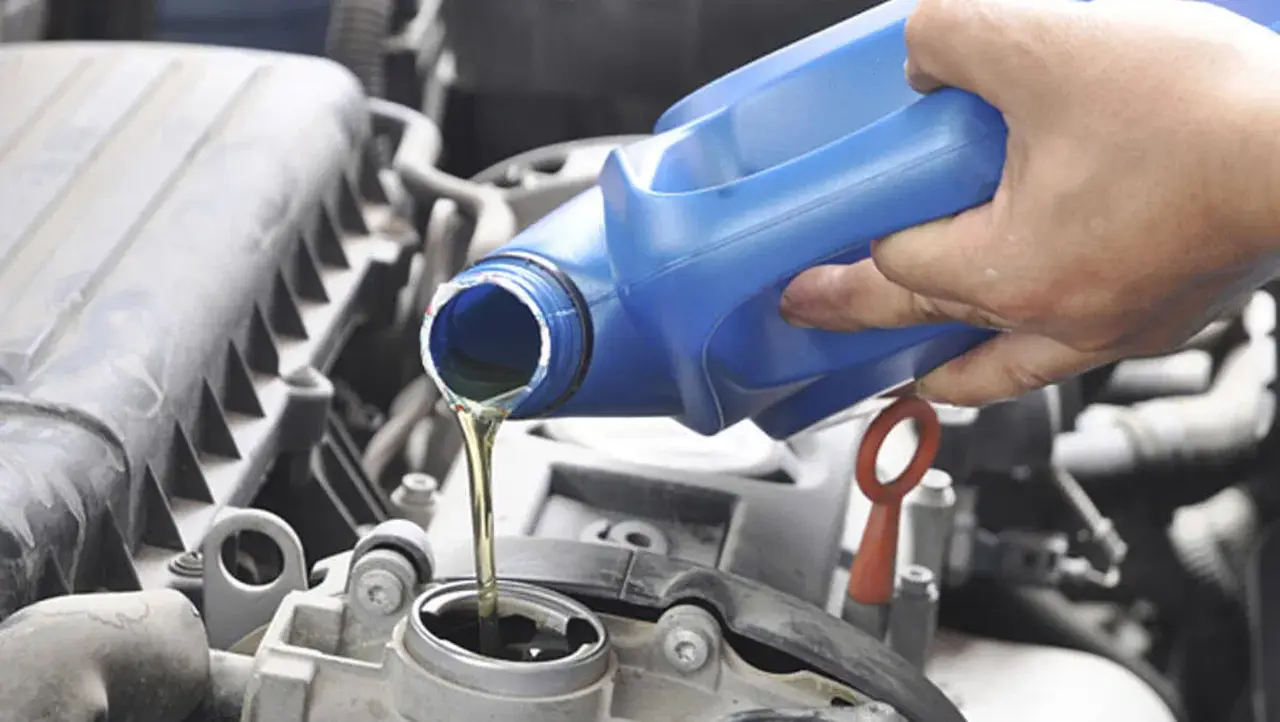
Can Engine Oil Be Added When the Engine Is Hot? Can the Oil Cap Be Opened?
Engine oil is one of the most important fluids that ensures the healthy operation of a vehicle. However, many drivers do not know the correct answers to questions such as "Can oil be added while the engine is hot?", "Can the oil cap be opened on a hot engine?", and "When should the oil level be checked?" As a result, they may unintentionally make mistakes that can damage the engine.
Can Oil Be Added When the Engine Is Hot?
Short answer: Yes, it can be added. However, there are some important rules to follow.
While the engine is running, the oil is constantly circulating inside the engine. After the engine is turned off, most of the oil begins to drain back into the oil pan.
Therefore:
-
Turn off the engine.
-
Wait approximately 5-10 minutes.
-
Check the oil level.
-
Add oil if the level is low.
This method provides a more accurate measurement and also reduces the risk of burns caused by hot engine components.
Can Oil Be Added While the Engine Is Running?
Absolutely not.
While the engine is running:
-
The crankshaft continues to rotate.
-
Oil circulation continues.
-
Internal pressure is generated.
-
Moving components operate at high speed.
Opening the oil cap during this time is not recommended.
When the engine is running:
-
Oil may splash out.
-
Dirt may enter the engine.
-
Moving parts may create a safety hazard.
-
The engine management system may detect an air leak.
Therefore, the engine must always be turned off before adding oil.
Can the Oil Cap Be Opened on a Hot Engine?
Yes, it can be opened carefully after the engine has been turned off.
However, pay attention to the following:
-
The area around the cap may be very hot.
-
Metal components may burn your hand.
-
Using gloves is helpful.
-
The cap should be opened slowly.
High pressure should not normally escape when opening the oil cap. The engine oil system is not a high-pressure system like the cooling system.
Is It Correct to Add Oil Immediately When the Engine Is Very Hot?
If the engine has been running at high RPM for a long time:
-
The turbocharger may be extremely hot.
-
The exhaust manifold may reach very high temperatures.
-
The engine block may be around 90-100°C.
In this situation, waiting a few minutes is safer.
Advantages of waiting:
-
Reduces the risk of burns.
-
Allows oil to return to the oil pan.
-
Provides a more accurate oil level reading.
-
Helps the newly added oil mix properly.
When Should Engine Oil Level Be Checked?
The most accurate time is:
-
Vehicle parked on a flat surface
-
Engine turned off
-
Waiting 5-10 minutes
Under these conditions, the dipstick shows the actual oil level.
How to Check the Oil Dipstick?
The correct method is:
-
Turn off the engine.
-
Wait 5-10 minutes.
-
Remove the oil dipstick.
-
Wipe it clean with a cloth.
-
Insert it fully back into place.
-
Remove it again and check the oil level.
The oil level:
-
Should be between MIN and MAX marks.
-
Ideally, it should be close to the MAX mark.
-
It should never exceed the MAX level.
How Much Oil Should Be Added?
The biggest mistake is adding too much oil at once.
The correct method:
-
Add approximately 200 ml first.
-
Wait 1-2 minutes.
-
Check the level again.
-
Add more if necessary.
This reduces the risk of overfilling.
What Happens If Too Much Oil Is Added?
Many people know that low oil levels are harmful, but they are not aware that excessive oil can also cause serious problems.
Too much oil can cause:
-
The crankshaft hitting the oil
-
Oil foaming
-
Unstable oil pressure
-
Oil leaks from seals
-
Catalytic converter damage
-
Turbocharger failures
-
Reduced performance
Why Does the Dipstick Show Low Oil When the Engine Is Hot?
If the oil level is checked immediately after the engine has been running, some of the oil may still be circulating through the engine passages.
Therefore, the oil level may appear lower than it actually is.
This can cause drivers to add more oil than necessary.
Which Oil Should Be Added?
The oil added to the engine must meet the manufacturer's recommendations, including:
-
Viscosity rating (for example 0W-20, 5W-30, 5W-40)
-
API standards
-
ACEA standards
-
Manufacturer approvals
Continuously mixing oils with different specifications is not recommended. In emergencies, compatible oil can be added, but a proper oil change with the correct oil is recommended at the next service.
Things to Consider When Adding Oil
The following rules should be followed:
-
Always turn off the engine.
-
If the engine is very hot, wait a few minutes.
-
Check the level on a flat surface.
-
Use a clean funnel.
-
Prevent dust and dirt from entering the engine.
-
Add oil gradually.
-
Recheck the level after each addition.
-
Do not exceed the MAX mark.
-
Tighten the oil cap securely.
-
Make sure the dipstick is fully seated.
What Should Be Done After Adding Engine Oil?
After adding oil:
-
Close the oil cap.
-
Insert the dipstick properly.
-
Start the engine.
-
Let it idle for approximately 1 minute.
-
Turn off the engine.
-
Wait 5 minutes.
-
Check the oil level one final time.
This allows the added oil to circulate through the system.
Common Mistakes
The most common mistakes made by drivers include:
-
Adding oil while the engine is running
-
Rushing when the engine is extremely hot
-
Checking the oil level without waiting
-
Overfilling the engine
-
Using oil with the wrong viscosity
-
Mixing different oil types without proper knowledge
-
Not tightening the oil cap properly
-
Not fully inserting the dipstick
Frequently Asked Questions
Can oil be added when the engine is hot?
Yes. It is recommended to turn off the engine and wait approximately 5-10 minutes before checking the oil level and adding oil safely.
Can the oil cap be opened while the engine is running?
No. Opening the oil cap while the engine is running is not safe and is not recommended.
Can the oil dipstick be removed when the engine is hot?
Yes, but for an accurate reading, it is recommended to wait a few minutes after turning off the engine.
Can you drive immediately after adding oil?
Yes. After ensuring that the oil cap and dipstick are properly closed, the vehicle can be driven. However, the best practice is to let the engine idle briefly and check the oil level one final time.
Is it a problem if the oil level is slightly above the MAX mark?
A very small difference may not always cause a serious problem, but significantly exceeding the MAX mark is not recommended. Excess oil can damage the engine over time.
Conclusion
It is possible to add engine oil when the engine is hot, but the correct method is to turn off the engine, wait a few minutes, check the oil level, and gradually add the required amount. Opening the oil cap while the engine is running is unsafe and not recommended.
Regular oil level checks, using the correct viscosity oil, and following the manufacturer's recommendations help extend engine life, improve fuel efficiency, and prevent costly repairs.