TR
TR EN
EN

Engine Overheating and Its Causes
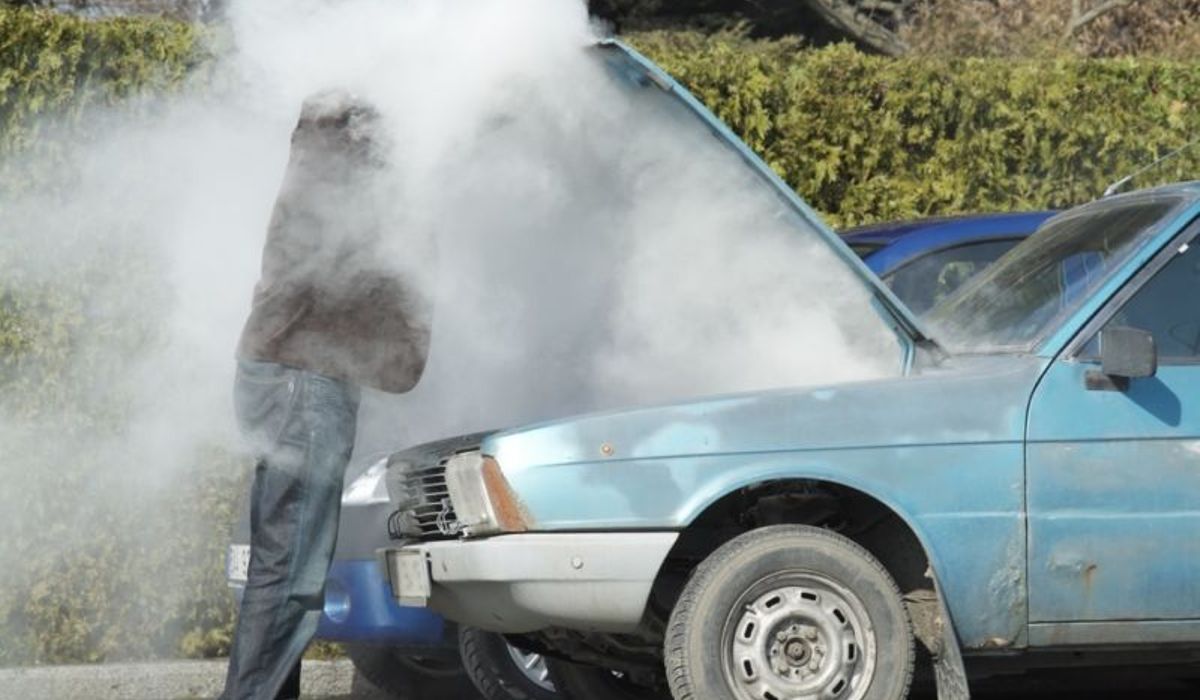
Engine overheating is one of the most important cooling-system problems a vehicle can experience. An engine normally operates within a specific temperature range, but if the cooling system cannot remove enough heat, the engine temperature can rise above the safe operating level.
Driving with an overheating engine can cause serious damage, including a blown head gasket, warped cylinder head, damaged pistons, or even complete engine failure. For this reason, an overheating problem should never be ignored.
What Causes an Engine to Overheat?
An engine produces a significant amount of heat while running. The cooling system is responsible for transferring this heat away from the engine and releasing it into the atmosphere.
The main components involved include:
-
Coolant
-
Radiator
-
Water pump
-
Thermostat
-
Cooling fan
-
Radiator hoses
-
Expansion tank
-
Radiator cap
-
Engine cooling passages
A failure in any of these components can reduce cooling performance and cause the engine temperature to rise.
Low Coolant Level
One of the most common causes of overheating is insufficient coolant.
Coolant absorbs heat from the engine and carries it to the radiator. If the coolant level is too low, the system may not be able to remove enough heat.
A low coolant level can be caused by:
-
Coolant leaks
-
Damaged radiator hoses
-
A leaking radiator
-
Water pump leakage
-
Expansion tank problems
-
Head gasket failure
-
A faulty radiator cap
If the coolant level repeatedly drops, simply adding more coolant is not a permanent solution. The source of the loss should be identified.
Coolant Leak
A cooling system leak can occur in many different places.
Common leak points include:
-
Radiator
-
Upper and lower radiator hoses
-
Heater hoses
-
Water pump
-
Thermostat housing
-
Expansion tank
-
Radiator cap
-
Engine cooling passages
Some leaks are easy to see because coolant collects underneath the vehicle. Others may only occur when the engine is hot and the cooling system is pressurized.
A sweet smell around the engine compartment or visible coolant residue can also indicate a leak.
Faulty Thermostat
The thermostat controls coolant circulation according to engine temperature.
When the engine is cold, the thermostat remains closed or partially closed to help the engine reach its normal operating temperature quickly. As the coolant reaches the specified temperature, the thermostat opens and allows coolant to circulate through the radiator.
If the thermostat becomes stuck closed, coolant circulation through the radiator can be severely restricted.
This can cause:
-
Rapid temperature increase
-
Engine overheating
-
Temperature fluctuations
-
Poor cooling performance
-
Coolant boiling or overflowing
A thermostat that is stuck open usually causes the opposite problem: the engine may take too long to reach normal operating temperature.
Water Pump Failure
The water pump circulates coolant through the engine and cooling system.
If the water pump does not circulate coolant properly, heat cannot be transferred away from the engine effectively.
Possible signs of a water pump problem include:
-
Engine overheating
-
Coolant leakage
-
Unusual bearing or pulley noise
-
Coolant circulation problems
-
Temperature fluctuations
-
Coolant residue around the pump
Some modern water pumps use plastic impellers or electronically controlled designs, and failure can occur in different ways depending on the engine.
Cooling Fan Failure
The radiator depends heavily on airflow to remove heat from the coolant.
When the vehicle is moving at higher speeds, natural airflow through the radiator may be sufficient. At low speeds or while idling, the cooling fan becomes particularly important.
A failed cooling fan can therefore cause overheating that is more noticeable:
-
In traffic
-
While idling
-
At low speeds
-
When the air conditioning is operating
Possible causes include a faulty fan motor, relay, fuse, wiring problem, fan control module, or temperature sensor.
Clogged Radiator
The radiator transfers heat from the coolant to the surrounding air.
Over time, the radiator can become restricted internally by corrosion, deposits, or contaminated coolant. The external fins can also become blocked by dirt, insects, leaves, and other debris.
A restricted radiator cannot transfer heat as efficiently as it should.
This can result in increasing engine temperature, particularly under heavy loads or in hot weather.
Damaged Radiator Fins
Even when the radiator is not internally clogged, damaged or blocked fins can reduce cooling efficiency.
Bent fins restrict airflow through the radiator, while accumulated dirt and debris prevent heat from being transferred effectively.
The radiator should therefore be kept reasonably clean, but aggressive pressure washing can damage delicate fins if performed incorrectly.
Faulty Radiator Cap
The radiator or expansion-system cap is more important than it may appear.
The cooling system operates under pressure, which raises the boiling point of the coolant. If the cap cannot maintain the correct pressure, coolant may boil at a lower temperature or be pushed out of the system.
A faulty cap can cause:
-
Coolant loss
-
Coolant overflow
-
Air entering the cooling system
-
Overheating
-
Pressure-related coolant leaks
The correct cap specification should always be used.
Air Trapped in the Cooling System
Air pockets inside the cooling system can interfere with coolant circulation.
Air may enter the system after:
-
Coolant replacement
-
Cooling system repairs
-
A coolant leak
-
Improper bleeding
-
A component replacement
If the cooling system is not properly filled and bled, certain areas of the engine may not receive sufficient coolant.
This can produce temperature fluctuations, poor heater performance, and overheating.
Head Gasket Failure
A damaged head gasket can cause severe cooling-system problems.
The head gasket separates the combustion chambers, oil passages, and coolant passages inside the engine. If it fails, combustion gases can enter the cooling system or coolant can enter the combustion chamber.
Possible symptoms include:
-
Persistent coolant loss
-
White exhaust smoke
-
Bubbles in the expansion tank
-
Overheating
-
Milky engine oil
-
Loss of coolant without an obvious external leak
-
Excessive cooling-system pressure
Head gasket failure is a serious problem and should be diagnosed properly before major repairs are performed.
Engine Oil Problems
Engine oil does more than lubricate moving components. It also helps carry heat away from internal engine parts.
Insufficient oil, incorrect oil viscosity, severely degraded oil, or a lubrication-system problem can increase friction and heat generation.
An overheating engine should therefore not be diagnosed solely by checking the coolant system. Engine oil level and condition should also be inspected.
Faulty Temperature Sensor
Modern engines use temperature sensors to monitor coolant or engine temperature.
If a temperature sensor provides incorrect information, the engine control system may not activate the cooling fan at the correct time or may make incorrect adjustments.
A faulty temperature sensor can also cause the temperature gauge or warning system to display misleading information.
This is why an overheating diagnosis should compare the dashboard temperature reading with actual coolant temperature data from a diagnostic scanner when appropriate.
Blocked Cooling Passages
The engine contains internal passages through which coolant circulates.
Corrosion, deposits, incorrect coolant mixtures, or contamination can restrict these passages.
When coolant flow becomes restricted, certain parts of the engine may become significantly hotter than others.
Using the correct coolant type and maintaining the cooling system properly can help reduce the risk of internal contamination.
Incorrect Coolant or Coolant Mixture
Coolant is not simply colored water. Different engines require specific coolant formulations and specifications.
Using an incompatible coolant or an incorrect water-to-coolant mixture can affect:
-
Corrosion protection
-
Boiling point
-
Freezing protection
-
Heat transfer
-
Cooling-system component life
Coolant should always meet the specification required by the vehicle manufacturer.
Can Hot Weather Cause Overheating?
High ambient temperatures increase the workload on the cooling system, but a healthy cooling system should normally be able to keep the engine within its operating temperature range.
If an engine overheats only during very hot weather, heavy traffic, long uphill driving, or when the air conditioning is operating, the cooling system may already have a weakness.
Possible causes include a weak cooling fan, restricted radiator, low coolant level, faulty thermostat, or poor coolant circulation.
What Are the Symptoms of Engine Overheating?
An overheating engine can produce several warning signs.
Common symptoms include:
-
Temperature gauge moving into the red zone
-
Engine temperature warning light
-
Steam coming from the engine compartment
-
Coolant boiling or overflowing
-
Sweet coolant smell
-
Reduced engine performance
-
Engine knocking or unusual noises
-
Cooling fan operating continuously
-
Heater suddenly blowing cold air
-
Coolant level repeatedly dropping
Steam or coolant escaping from the engine compartment should be treated as a serious warning.
What Should You Do If the Engine Overheats?
If the temperature gauge reaches the red zone or an overheating warning appears, the safest approach is to stop the vehicle as soon as it is safe to do so.
Turn off the engine and allow it to cool.
Do not immediately open the radiator cap or expansion tank if the system is hot. The cooling system can be under significant pressure, and hot coolant or steam can cause severe burns.
After the engine has cooled sufficiently, the coolant level can be checked. If coolant is missing, there is a visible leak, or the engine overheats again, the vehicle should be inspected before continued driving.
Continuing to drive an overheating engine can turn a relatively simple cooling-system repair into a major engine repair.
How Can Engine Overheating Be Prevented?
Regular cooling-system maintenance can significantly reduce the risk of overheating.
Important checks include:
-
Checking coolant level regularly
-
Using the correct coolant specification
-
Replacing coolant according to the maintenance schedule
-
Inspecting radiator hoses
-
Checking the radiator for leaks and restrictions
-
Inspecting the cooling fan
-
Checking the thermostat when necessary
-
Inspecting the water pump
-
Checking the radiator cap
-
Monitoring engine oil level
-
Paying attention to temperature warning lights
An engine that repeatedly overheats should not simply be topped up with coolant and returned to service. Repeated overheating is a symptom that requires a proper diagnosis.
The cooling system is designed to maintain a stable engine temperature under different driving conditions. When that system cannot control temperature correctly, identifying the underlying cause early can prevent severe and expensive engine damage.