TR
TR EN
EN

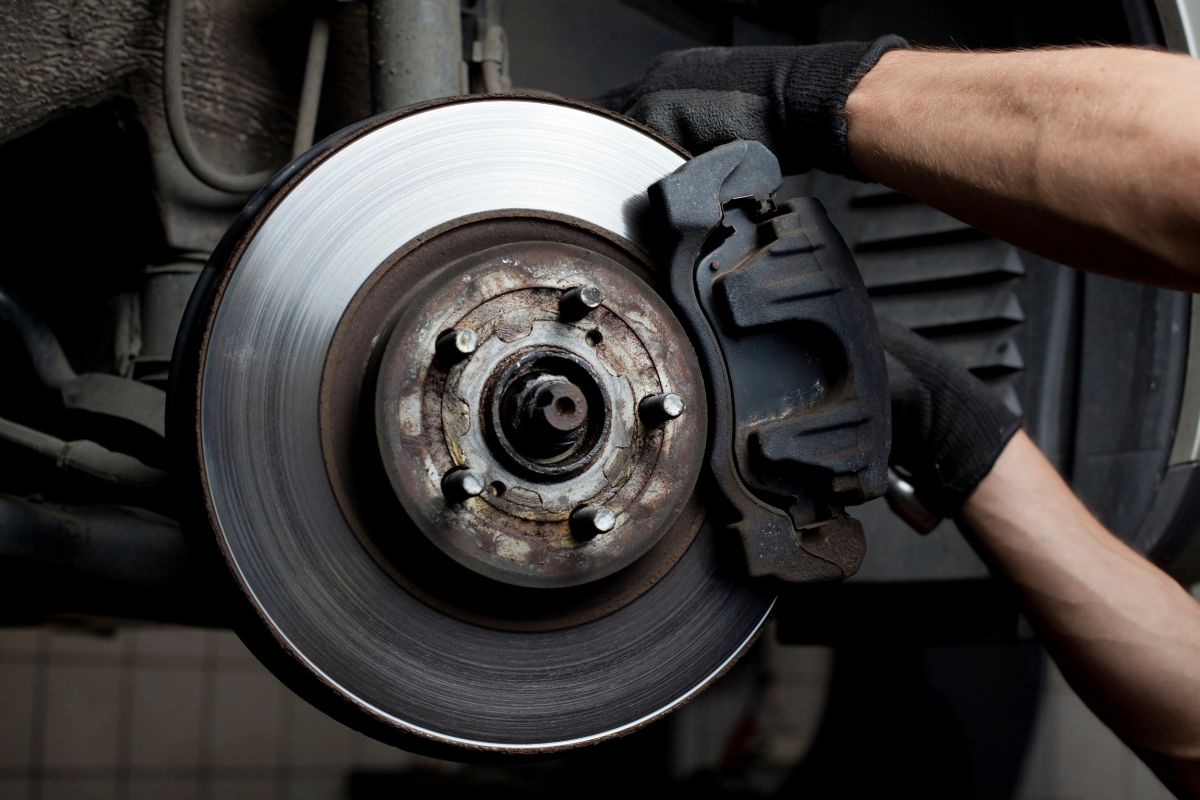
What Is a Disc Brake?
A disc brake is a braking system that slows down or stops a vehicle by pressing brake pads against a rotating metal disc, also called a brake rotor. The friction created between the brake pads and the rotor converts the vehicle’s kinetic energy into heat, allowing the vehicle to decelerate.
Disc brakes are widely used on modern passenger cars because they provide strong, consistent braking performance and dissipate heat effectively.
How Does a Disc Brake Work?
When the driver presses the brake pedal, hydraulic pressure is generated in the brake system. This pressure is transmitted through the brake fluid to the brake caliper.
The caliper contains one or more pistons. When hydraulic pressure reaches the caliper, the pistons push the brake pads toward the brake disc. The pads clamp the rotating disc from both sides.
The resulting friction slows the disc, which is connected to the wheel through the wheel hub. As the disc slows down, the wheel also slows down.
When the driver releases the brake pedal, hydraulic pressure decreases and the brake pads move slightly away from the disc, allowing the wheel to rotate freely again.
Main Components of a Disc Brake
A typical disc brake system consists of several important components:
Brake Disc (Rotor)
The brake disc is a circular metal component that rotates together with the wheel. Brake pads press against its surfaces to create friction.
Brake Pads
Brake pads contain friction material designed to withstand high temperatures. They wear gradually and must be replaced when their thickness becomes too low.
Brake Caliper
The caliper holds the brake pads and contains the piston or pistons that push the pads against the disc.
Caliper Piston
The piston converts hydraulic pressure from the brake fluid into mechanical force, pushing the brake pad toward the rotor.
Brake Fluid
Brake fluid transfers pressure from the master cylinder to the caliper. If the fluid is contaminated, old, or contains air, braking performance can be affected.
Master Cylinder
The master cylinder converts the driver's brake-pedal force into hydraulic pressure.
Why Are Disc Brakes Used?
One of the biggest advantages of disc brakes is their ability to dissipate heat.
During repeated or heavy braking, the temperature of the brake components can rise significantly. A disc brake is exposed to airflow, which helps remove heat from the rotor.
This is particularly important during:
-
Highway driving
-
Mountain descents
-
Heavy traffic
-
Emergency braking
-
Repeated hard braking
-
Performance driving
Excessive heat can cause brake fade, where the braking system temporarily loses some of its effectiveness.
Ventilated and Solid Brake Discs
Disc brakes are generally divided into solid and ventilated designs.
Solid Disc
A solid disc is made from a single continuous section of metal. It is commonly used on applications where braking loads and heat generation are relatively low.
Ventilated Disc
A ventilated disc consists of two friction surfaces separated by internal ventilation channels. These channels allow air to flow through the disc and improve heat dissipation.
Many modern vehicles use ventilated discs on the front axle because the front brakes typically handle a larger portion of the braking force.
What Are the Advantages of Disc Brakes?
Disc brakes offer several important advantages over traditional drum brakes.
Better Heat Dissipation
The exposed rotor can release heat more effectively.
Consistent Braking Performance
Disc brakes generally maintain more predictable braking performance during repeated braking.
Good Wet-Weather Performance
Water can be removed from the disc relatively quickly as the pads contact the rotating surface.
Easy Inspection
The brake pads and rotor can usually be inspected without completely disassembling the braking mechanism.
Precise Braking Response
Disc brakes can provide a strong and predictable response when the system is operating correctly.
What Are the Common Problems With Disc Brakes?
Although disc brakes are reliable, their components are subject to wear and heat.
Common problems include:
-
Worn brake pads
-
Worn or scored brake discs
-
Brake disc warping or excessive runout
-
Brake caliper sticking
-
Uneven pad wear
-
Brake fluid leaks
-
Corrosion on the brake disc
-
Brake vibration
-
Brake noise
-
Reduced braking performance
A sticking caliper can be particularly problematic because it may keep the brake pad in contact with the rotor even when the brake pedal is released. This can cause overheating, premature pad wear, increased fuel consumption, and the vehicle pulling to one side.
Symptoms of a Disc Brake Problem
A problem with the disc brake system can produce several noticeable symptoms.
Grinding or Squealing Noise
A high-pitched squeal may indicate worn brake pads or brake pad vibration. A grinding sound can be more serious and may indicate that the friction material has been completely worn away.
Steering Wheel Vibration During Braking
If the steering wheel vibrates when braking, the front brake discs may have excessive runout, uneven thickness, or heat-related surface problems. However, suspension and wheel components can also cause similar symptoms.
Brake Pedal Pulsation
A brake pedal that repeatedly pushes back against the driver's foot during braking may indicate excessive disc runout or variations in disc thickness.
Vehicle Pulling to One Side
If the vehicle pulls left or right while braking, possible causes include a sticking caliper, uneven brake pad wear, hydraulic problems, or other brake and suspension faults.
Burning Smell
A strong burning smell after normal driving can indicate excessive brake heat. A sticking caliper or continuously dragging brake pad should be investigated.
How Long Do Disc Brakes Last?
There is no single replacement interval for brake discs because their lifespan depends on driving conditions, vehicle weight, brake design, road conditions, and driving style.
Brake pads generally wear faster than brake discs. A rotor may remain usable through several sets of brake pads, but this depends on its measured thickness and condition.
A brake disc should be replaced when it reaches or falls below the manufacturer's minimum thickness, develops excessive cracks or damage, or has other problems that make it unsafe or unsuitable for continued use.
Disc Brake Maintenance
Regular inspection is important for maintaining reliable braking performance.
During brake service, technicians should check:
-
Brake pad thickness
-
Brake disc thickness
-
Disc surface condition
-
Disc runout
-
Caliper operation
-
Caliper piston condition
-
Brake fluid condition
-
Brake hose condition
-
Uneven pad wear
-
Signs of overheating
Brake components should always be replaced according to the vehicle manufacturer's specifications.
Disc Brake vs. Drum Brake
Disc and drum brakes perform the same basic function, but their designs are different.
A disc brake uses brake pads and a rotating disc, while a drum brake uses brake shoes and a rotating drum.
Disc brakes generally provide better heat dissipation and easier inspection, which is why they are widely used on the front axle and increasingly on the rear axle of modern vehicles.
Why Are Front Disc Brakes Usually Larger?
During braking, the vehicle's weight shifts toward the front axle. As a result, the front brakes usually handle a greater proportion of the braking force.
For this reason, many vehicles use larger front brake discs and more substantial calipers than those used at the rear.
The exact brake configuration depends on the vehicle's weight, engine, drivetrain, suspension design, brake system calibration, and manufacturer specifications.