TR
TR EN
EN

What Is a Flywheel? What Are the Symptoms of Flywheel Failure?
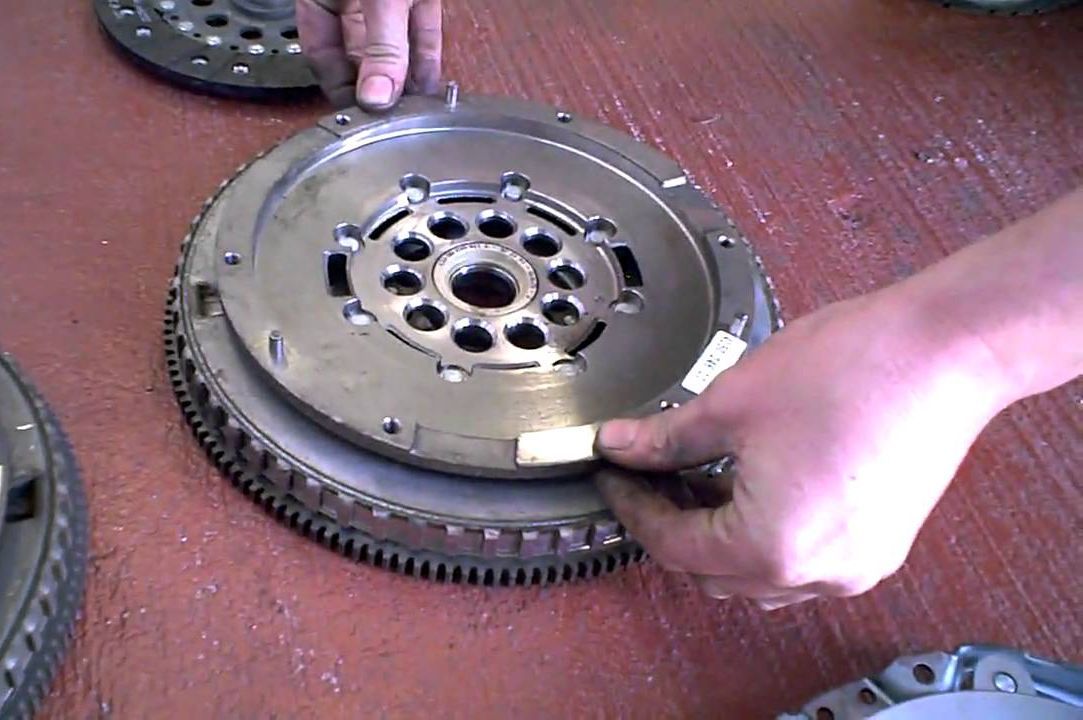
The flywheel is a heavy rotating component mounted to the engine crankshaft. Although it may look like a simple metal disc, it plays an important role in transferring engine power to the transmission, smoothing crankshaft rotation, and helping the vehicle move away smoothly when the clutch is engaged.
A flywheel is especially important in vehicles with a manual transmission. Depending on the vehicle and engine design, it can also have a major effect on vibration, clutch operation, and overall drivetrain comfort.
What Does a Flywheel Do?
The flywheel has several important functions within the drivetrain.
It transfers engine torque to the clutch
The clutch disc is pressed against the flywheel by the pressure plate. When the clutch pedal is released, engine torque passes through this assembly to the transmission.
It helps smooth engine rotation
An internal combustion engine does not produce torque continuously. Each combustion event produces a pulse of power. The flywheel stores rotational energy and helps smooth these fluctuations, allowing the crankshaft to rotate more consistently.
It helps prevent excessive vibration
The flywheel contributes to the overall balance of the rotating assembly. A damaged, warped, or improperly installed flywheel can therefore contribute to vibration that is felt through the clutch pedal, floor, or body.
It assists smooth clutch engagement
The flywheel provides the friction surface against which the clutch disc operates. Its condition directly affects how smoothly the clutch can engage.
It provides the starter motor with a starting surface
On many vehicles, a ring gear is mounted around the flywheel. The starter motor engages this gear to turn the engine during starting.
What Is a Dual-Mass Flywheel?
Not every vehicle uses a conventional solid flywheel. Many modern diesel and turbocharged engines, particularly those equipped with manual transmissions, use a dual-mass flywheel (DMF).
A dual-mass flywheel consists of two main masses connected through springs and damping mechanisms. Its purpose is to absorb torsional vibrations generated by the engine before they reach the transmission.
This can significantly improve:
-
Engine smoothness
-
Gearbox noise levels
-
Low-RPM driving comfort
-
Clutch engagement
-
Transmission protection
However, a dual-mass flywheel contains considerably more moving parts than a conventional flywheel. As a result, it can develop wear and become an expensive component to replace.
What Are the Symptoms of a Bad Flywheel?
Flywheel problems do not always appear in the same way. Symptoms can vary depending on whether the vehicle has a solid flywheel or a dual-mass flywheel.
Common symptoms include:
Vibration when releasing the clutch
One of the most noticeable symptoms is vibration or shudder when moving away from a stop. The vehicle may shake as the clutch begins to engage.
This is sometimes described as clutch judder. However, clutch judder does not automatically mean that the flywheel is defective. A worn clutch disc, contaminated friction surface, pressure plate problem, or engine mount can produce similar symptoms.
Shudder during takeoff
If the vehicle repeatedly shakes when starting from a standstill, the flywheel friction surface may be uneven, overheated, cracked, or damaged.
The problem may become more noticeable when starting on an incline or when attempting to move away with low engine speed.
Rattling or knocking noises
A worn dual-mass flywheel can produce rattling, knocking, or metallic sounds, particularly at idle or during changes in engine load.
Some noises may become more noticeable when the clutch pedal is released and disappear or change when the pedal is pressed.
This behavior can provide a useful diagnostic clue, although clutch release bearings and transmission components can produce similar noises.
Noise during engine start or shutdown
A severely worn dual-mass flywheel may make a knocking or rattling noise when the engine is started or switched off.
The sudden change in engine torque during starting and shutdown places additional movement on the flywheel's internal damping mechanism. Excessive play can therefore become audible.
Clutch engagement becomes inconsistent
A damaged flywheel can prevent the clutch disc from making consistent contact with the friction surface. The driver may notice that clutch engagement feels different from normal or that the clutch catches unevenly.
Vibration at idle
A failing dual-mass flywheel can sometimes cause unusual vibration at idle. In some cases, the vibration becomes more noticeable when the engine is under a small amount of load.
However, engine misfires, worn engine mounts, injector problems, and other engine-related faults can also cause idle vibration.
What Causes Flywheel Failure?
Flywheels can last a long time, but their service life depends heavily on driving conditions and the design of the vehicle.
Aggressive clutch use
Repeated hard launches, excessive clutch slipping, and high-RPM starts can generate substantial heat in the flywheel and clutch assembly.
Over time, excessive heat can damage the friction surface and contribute to deformation.
Frequent stop-and-go driving
Constant clutch engagement and disengagement can accelerate wear, particularly when the driver frequently uses the clutch to control the vehicle at very low speeds.
Driving with a worn clutch
Continuing to drive with a severely worn or slipping clutch can expose the flywheel to excessive heat. This may leave hot spots, cracks, or other damage on the friction surface.
Engine torque fluctuations
Modern turbocharged diesel and gasoline engines can produce substantial low-RPM torque. This is one reason dual-mass flywheels are commonly used to control torsional vibrations.
If the damping mechanism becomes worn, these vibrations can become much more noticeable.
Oil or grease contamination
If engine oil or transmission oil reaches the clutch area, the flywheel and clutch friction surfaces can become contaminated. This can cause clutch slipping or judder and may eventually require replacement of multiple components.
Improper installation
Incorrect flywheel installation, incorrect tightening procedures, damaged mounting surfaces, or failure to follow the manufacturer's specifications can create vibration and premature failure.
Can a Flywheel Be Repaired?
The answer depends on the type and condition of the flywheel.
A conventional solid flywheel may sometimes be resurfaced if the manufacturer allows it and the component remains within the specified thickness and dimensional limits.
However, resurfacing is not automatically appropriate for every flywheel. Removing too much material can change the relationship between the flywheel, clutch disc, and pressure plate.
Dual-mass flywheels are different. They contain internal springs, bearings, damping components, and two rotating masses. If excessive internal play, damaged springs, overheating, or other internal wear is found, replacement is generally the appropriate solution rather than machining the component.
How Is a Bad Flywheel Diagnosed?
Proper diagnosis should not be based on noise or vibration alone because several clutch and drivetrain components can produce similar symptoms.
A technician will normally consider:
-
Clutch engagement behavior
-
Flywheel surface condition
-
Clutch disc wear
-
Pressure plate condition
-
Dual-mass flywheel rotational and axial play
-
Abnormal noises at idle
-
Noise changes when pressing the clutch pedal
-
Oil contamination
-
Engine and transmission mount condition
-
Transmission input shaft and release bearing condition
During disassembly, the flywheel should be inspected for blue or heavily discolored areas, cracks, excessive scoring, uneven wear, overheating, and other signs of abnormal operation.
For a dual-mass flywheel, the manufacturer's specifications for permissible movement and play are particularly important.
Should the Flywheel Be Replaced With the Clutch?
When a flywheel is significantly worn or damaged, replacing it together with the clutch is often considered because the clutch assembly and flywheel work as a single system.
If the clutch is already being removed and the flywheel has excessive wear, replacing only the clutch while leaving a damaged flywheel in place can result in continued judder, noise, or poor engagement.
On the other hand, a flywheel that is within specification does not necessarily need to be replaced simply because the clutch is being changed. The correct decision depends on its condition and the manufacturer's service requirements.
Is a Bad Flywheel Dangerous to Drive With?
A flywheel problem should not be ignored.
A mildly worn flywheel may initially cause only vibration or noise, but continued operation can allow the problem to worsen. A severely damaged dual-mass flywheel, in particular, can develop excessive internal movement and create additional stress on the clutch and transmission.
If there is severe knocking, strong vibration, difficulty engaging gears, clutch slipping, or rapidly worsening noise, the vehicle should be inspected without unnecessary delay.
Flywheel vs. Clutch: Are They the Same Thing?
No. The flywheel and clutch are separate components.
The flywheel is attached to the engine crankshaft, while the clutch disc and pressure plate form part of the clutch assembly between the engine and transmission.
They work together:
Engine → Flywheel → Clutch Disc → Pressure Plate → Transmission
Because these components operate together, a symptom that appears to be a flywheel problem may actually originate from the clutch, release bearing, transmission, or engine mounts.
For this reason, replacing the flywheel based only on a vibration or noise is not a good diagnostic approach.
How Can Flywheel Life Be Extended?
Flywheel life can often be improved through driving habits and proper maintenance.
Avoid unnecessary clutch slipping, especially when moving slowly in traffic. Do not repeatedly launch the vehicle aggressively, and avoid resting your foot on the clutch pedal while driving.
When the clutch begins to show signs of slipping, judder, or abnormal engagement, have the system inspected rather than continuing to drive until the clutch is completely worn out.
For vehicles equipped with a dual-mass flywheel, maintaining the engine in good condition is also important. Misfires, abnormal combustion, and other problems that create excessive torsional vibration can increase stress on the drivetrain.
A flywheel is not simply a heavy disc attached to the engine. It is a critical part of the connection between the engine and transmission, and its condition has a direct effect on clutch operation, vibration, noise, and driving comfort. When symptoms such as clutch judder, metallic rattling, abnormal vibration, or unusual noises during starting and shutdown appear, the flywheel should be considered alongside the clutch and other drivetrain components during diagnosis.