TR
TR EN
EN

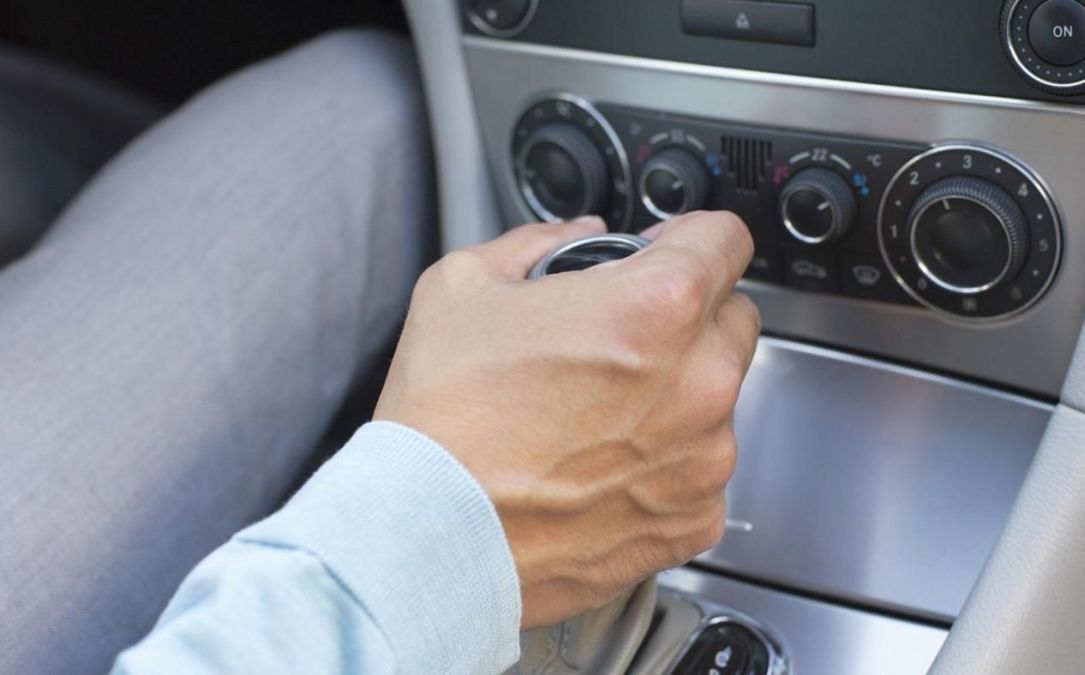
Causes of Difficulty Shifting Gears in a Manual Transmission
A manual transmission should allow the driver to select gears smoothly and without excessive force. When shifting becomes difficult, the problem can come from the clutch system, transmission oil, shift mechanism, synchronizers, or even the engine and transmission mounts.
Difficulty shifting gears should not automatically be interpreted as a transmission failure. In many cases, the transmission itself is mechanically healthy and the real problem is that the clutch is not fully disengaging.
What Does Difficult Gear Shifting Mean?
Difficulty shifting can appear in several different ways.
The gear lever may require more force than usual, a particular gear may resist engagement, or the transmission may make a grinding noise during a shift.
Some drivers notice the problem only when the engine is running, while others experience difficulty even with the engine switched off.
These differences are important because they can help identify the source of the problem.
Clutch Not Fully Disengaging
One of the most common causes of difficult gear changes is a clutch that does not completely separate the engine from the transmission.
When the clutch pedal is pressed, the clutch disc should stop transmitting engine torque. If the clutch continues to drag against the flywheel and pressure plate, the transmission input shaft may continue rotating.
This makes it difficult for the synchronizers to match the speeds of the gears.
Possible causes include:
-
Worn clutch components
-
Incorrect clutch adjustment
-
Air in a hydraulic clutch system
-
Low clutch fluid
-
Faulty clutch master cylinder
-
Faulty clutch slave cylinder
-
Damaged clutch release mechanism
-
Warped clutch disc
-
Damaged pressure plate
-
Incorrectly installed clutch components
A clutch that does not fully disengage often causes difficulty selecting first gear and reverse.
Difficulty Selecting First Gear
First gear can be particularly sensitive to clutch problems.
If the vehicle is stationary, the transmission input shaft should stop rotating when the clutch pedal is fully depressed. If it continues rotating, first gear may resist engagement.
The driver may need to push the gear lever harder than normal or release and press the clutch pedal again before the gear engages.
If first gear becomes difficult to select while the other gears remain relatively normal, the clutch should be one of the first areas investigated.
Difficulty Selecting Reverse Gear
Reverse gear can provide another useful diagnostic clue.
Many manual transmissions do not use a synchronizer for reverse in the same way as the forward gears. If the clutch is dragging, selecting reverse may produce a grinding or crunching noise.
If reverse engages smoothly after the clutch pedal is pumped several times or after waiting a few seconds with the clutch depressed, a clutch disengagement problem may be present.
However, the exact design differs between transmissions, so this symptom should be evaluated together with the other symptoms.
Worn Synchronizers
Synchronizers are responsible for matching the rotational speeds of transmission components before a gear is engaged.
When a synchronizer becomes worn, a particular gear may become difficult to select, especially during normal driving.
Typical signs include:
-
One specific gear being difficult to engage
-
Grinding during a particular shift
-
Difficulty shifting quickly
-
The problem becoming worse as the transmission warms up
-
Double-clutching temporarily improving the shift
If only one or two gears consistently cause problems while the clutch is working correctly, internal transmission wear becomes more likely.
Damaged or Worn Transmission Oil
Manual transmissions rely on gear oil to lubricate gears, bearings, shafts, and synchronizers.
If the oil level is too low or the wrong lubricant is used, shifting quality can deteriorate.
Old or contaminated oil can also affect synchronizer operation.
Possible symptoms include:
-
Stiff gear changes
-
Increased transmission noise
-
Difficulty shifting when cold
-
Grinding during gear changes
-
Different shifting behavior between hot and cold conditions
The correct lubricant specification is important. Using an oil simply because it has the correct viscosity does not necessarily mean it is suitable for the synchronizers and other components inside that particular transmission.
Low Transmission Oil Level
A low transmission oil level can prevent proper lubrication of internal components.
It may also indicate an oil leak.
Possible leak points include:
-
Transmission seals
-
Driveshaft seals
-
Drain plugs
-
Fill plugs
-
Transmission housing joints
A transmission with insufficient oil should not continue to be operated for an extended period. Lack of lubrication can cause bearing, gear, and synchronizer damage.
Clutch Hydraulic System Problems
Many modern manual vehicles use a hydraulic clutch system.
The system generally includes a clutch master cylinder, hydraulic line, and slave cylinder.
If air enters the hydraulic circuit, the clutch pedal may feel different and the clutch may fail to disengage completely.
A leaking or failing master cylinder or slave cylinder can produce similar symptoms.
The driver may notice:
-
Soft clutch pedal
-
Spongy pedal
-
Clutch engagement point changing
-
Difficulty selecting gears
-
Difficulty selecting first or reverse
-
Fluid leakage
Bleeding the system may solve the problem if air is the cause, but a leaking hydraulic component must be repaired rather than simply bled repeatedly.
Clutch Master Cylinder Failure
The clutch master cylinder converts pedal movement into hydraulic pressure.
If its internal seals are worn, hydraulic pressure may not be maintained properly.
The clutch may then fail to move far enough to completely disengage.
In some cases, the clutch pedal may slowly sink toward the floor while being held down.
This can result in increasingly difficult gear selection.
Clutch Slave Cylinder Failure
The slave cylinder receives hydraulic pressure from the master cylinder and moves the clutch release mechanism.
A leaking or damaged slave cylinder may prevent the clutch from disengaging fully.
Depending on the vehicle's design, the slave cylinder may be mounted externally or integrated with the clutch release bearing as a concentric slave cylinder.
Clutch Disc Problems
A damaged, warped, or contaminated clutch disc can also interfere with proper disengagement.
For example, if the disc becomes distorted, it may continue to contact the flywheel even when the clutch pedal is fully depressed.
Oil contamination can also cause abnormal clutch behavior.
A clutch disc that is worn enough to slip does not necessarily cause difficult shifting, so the symptoms need to be considered carefully.
Pressure Plate Problems
The pressure plate is responsible for clamping the clutch disc against the flywheel.
If the pressure plate is damaged or its diaphragm spring becomes weak or distorted, the clutch may not release correctly.
This can result in:
-
Difficult gear engagement
-
Clutch slipping
-
Judder during takeoff
-
Unusual clutch pedal feel
-
Inconsistent clutch engagement
Flywheel Problems
A damaged flywheel can also affect clutch operation.
A badly worn, warped, overheated, or damaged flywheel may cause clutch judder and inconsistent engagement.
In vehicles equipped with a dual-mass flywheel, excessive internal play can also produce vibration and unusual noises.
However, a flywheel problem should not automatically be blamed for every difficult gear change. The clutch and hydraulic system should be checked as well.
Gear Linkage Problems
The gear lever is connected to the transmission through a linkage system or cables.
If the linkage becomes worn, bent, loose, or improperly adjusted, the driver's movement may not be transferred correctly to the transmission.
Possible symptoms include:
-
Gear lever feels loose
-
Several gears become difficult to select
-
Gear positions feel inaccurate
-
The lever does not return properly to the center
-
Certain gears become difficult to reach
A linkage problem can sometimes be repaired without opening the transmission.
Worn Gear Selector Cables
Many modern manual transmissions use shift cables instead of traditional mechanical rods.
These cables can stretch, wear, become damaged, or develop problems at their mounting points.
Cold temperatures can sometimes make an already worn cable more noticeable.
If the gear lever feels abnormal or several gears become difficult to select at the same time, the cables and their connections should be inspected.
Engine or Transmission Mount Problems
Engine and transmission mounts hold the powertrain in its correct position.
If a mount becomes severely worn or broken, the engine and transmission can move excessively when torque is applied.
This movement can affect the shift linkage and make gear selection feel abnormal.
Other symptoms may include:
-
Excessive engine movement
-
Clunking during acceleration
-
Vibration
-
Noise when releasing the clutch
-
Abnormal movement of the gear lever
Cold Weather and Low Temperature
Some manual transmissions naturally feel more resistant to shifting when cold.
Transmission oil becomes thicker at low temperatures, increasing resistance inside the transmission.
A small difference in shifting behavior when cold can therefore be normal.
However, if the transmission remains difficult to shift after reaching operating temperature, the problem should be investigated.
Incorrect Transmission Oil
Using the wrong transmission oil can cause surprisingly noticeable shifting problems.
Manual transmissions are not all designed to use the same lubricant. Synchronizers may depend on specific friction characteristics.
An oil that appears to meet the required viscosity but does not meet the manufacturer's specification can cause:
-
Stiff shifting
-
Synchronizer problems
-
Gear engagement issues
-
Grinding noises
For this reason, the manufacturer's exact transmission fluid specification should be followed.
Internal Transmission Damage
If the clutch, hydraulic system, linkage, and oil are all in good condition, the problem may be inside the transmission.
Possible internal causes include:
-
Worn synchronizer rings
-
Damaged gears
-
Worn bearings
-
Bent shift forks
-
Damaged selector mechanisms
-
Excessive shaft play
Internal transmission problems generally require more extensive diagnosis and, in some cases, transmission removal and disassembly.
Why Is Only One Gear Difficult to Engage?
This is an important diagnostic clue.
If only one gear consistently causes difficulty or grinding, an internal transmission problem becomes more likely, particularly if the clutch is operating correctly.
A worn synchronizer associated with that gear is one possible cause.
If all gears become difficult to select, the clutch, hydraulic system, transmission oil, or shift mechanism should be investigated first.
Why Is Gear Shifting Easier With the Engine Off?
If the gear lever moves normally through all gears when the engine is off but becomes difficult when the engine is running, the clutch should be examined closely.
With the engine running, the transmission input shaft is rotating. If the clutch does not disengage completely, this rotation can make gear engagement difficult.
This is a particularly useful distinction during diagnosis.
Why Does Pumping the Clutch Pedal Help?
If pressing the clutch pedal several times temporarily makes gear selection easier, there may be a hydraulic problem.
Possible causes include:
-
Air in the hydraulic system
-
Master cylinder wear
-
Slave cylinder wear
-
Hydraulic fluid leakage
This symptom does not prove that the master cylinder is defective, but it provides a useful diagnostic direction.
How Is Difficult Gear Shifting Diagnosed?
A technician should begin with the simplest external causes before considering internal transmission repairs.
The inspection may include:
-
Checking clutch pedal operation
-
Checking clutch hydraulic fluid
-
Inspecting for hydraulic leaks
-
Checking clutch master cylinder operation
-
Checking slave cylinder operation
-
Checking clutch disengagement
-
Inspecting the shift cables or linkage
-
Checking transmission oil level
-
Checking transmission oil specification
-
Inspecting engine and transmission mounts
-
Checking for abnormal transmission noises
-
Testing each gear individually
If these components are operating correctly, internal transmission components such as synchronizers, bearings, and selector mechanisms may need further investigation.
Can You Continue Driving With Difficult Gear Shifting?
It depends on the severity and cause of the problem.
A minor linkage adjustment problem may not immediately cause serious damage. However, continuing to drive with a clutch that does not fully disengage can put additional stress on synchronizers and other transmission components.
Grinding gears repeatedly is particularly undesirable because it can accelerate synchronizer wear.
If the vehicle suddenly becomes very difficult to shift, gears cannot be selected, the clutch pedal changes dramatically, or there is a serious transmission noise, the vehicle should be inspected as soon as possible.
What Should Be Checked First?
When a manual transmission starts becoming difficult to shift, the diagnosis should normally begin with the clutch and external components rather than immediately assuming that the gearbox needs rebuilding.
The clutch disengagement system, hydraulic circuit, shift linkage, cables, transmission oil, and engine/transmission mounts are all relatively important areas to inspect before opening the transmission.
If the problem affects only one specific gear and is accompanied by grinding, an internal synchronizer or gear problem becomes more likely.
The key is to identify whether the transmission is failing to select the gear or whether the clutch is preventing the transmission from selecting it properly. This distinction can prevent unnecessary transmission repairs and help identify the actual source of the problem.