TR
TR EN
EN

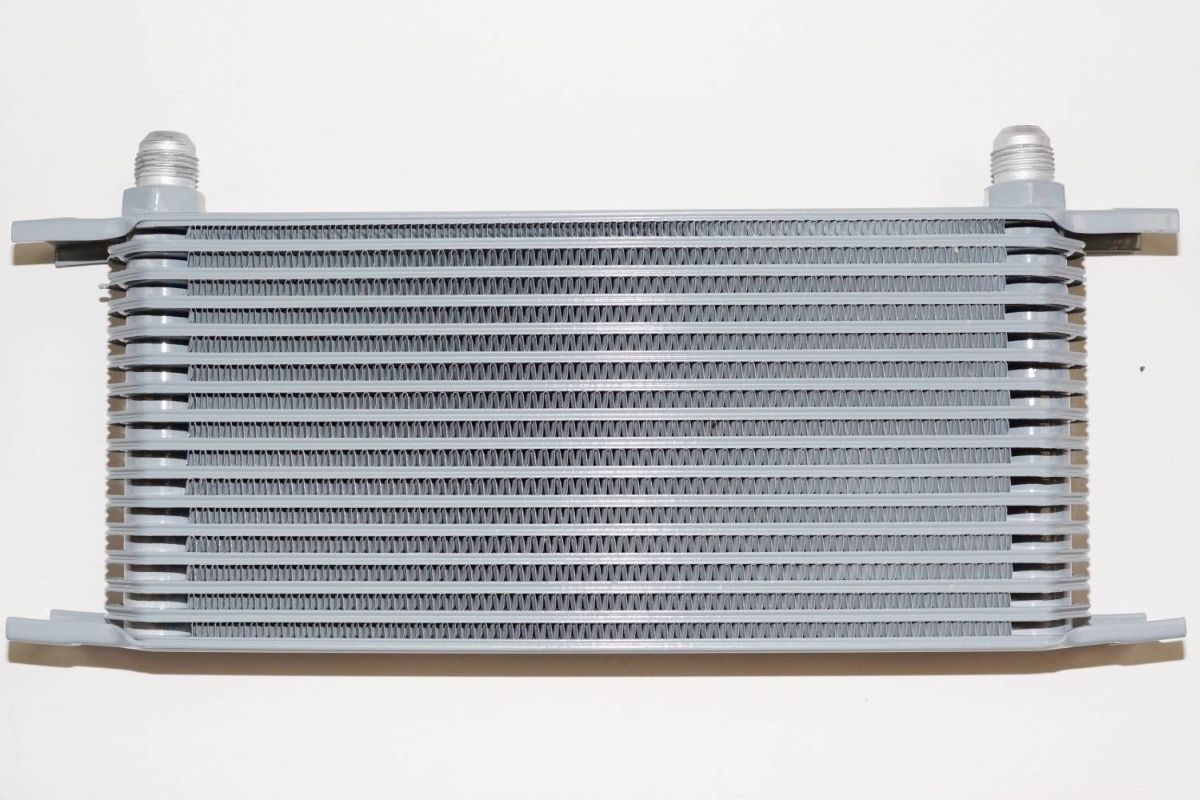
What Is an Oil Cooler? What Are the Symptoms of Oil Cooler Failure?
An oil cooler is a component designed to control the temperature of engine oil, transmission fluid, or another lubricant by transferring excess heat away from the fluid.
Lubricating oil does more than reduce friction. It also carries heat away from bearings, pistons, turbochargers, gears, and other components. When oil becomes excessively hot, its viscosity can decrease and its ability to protect mechanical parts can be reduced.
The oil cooler helps keep the fluid within an appropriate operating temperature range, especially during heavy loads, high-speed driving, towing, hot weather, or demanding engine operation.
Depending on the vehicle, an oil cooler may be mounted directly on the engine, near the oil filter, inside a heat exchanger, or integrated into another cooling system.
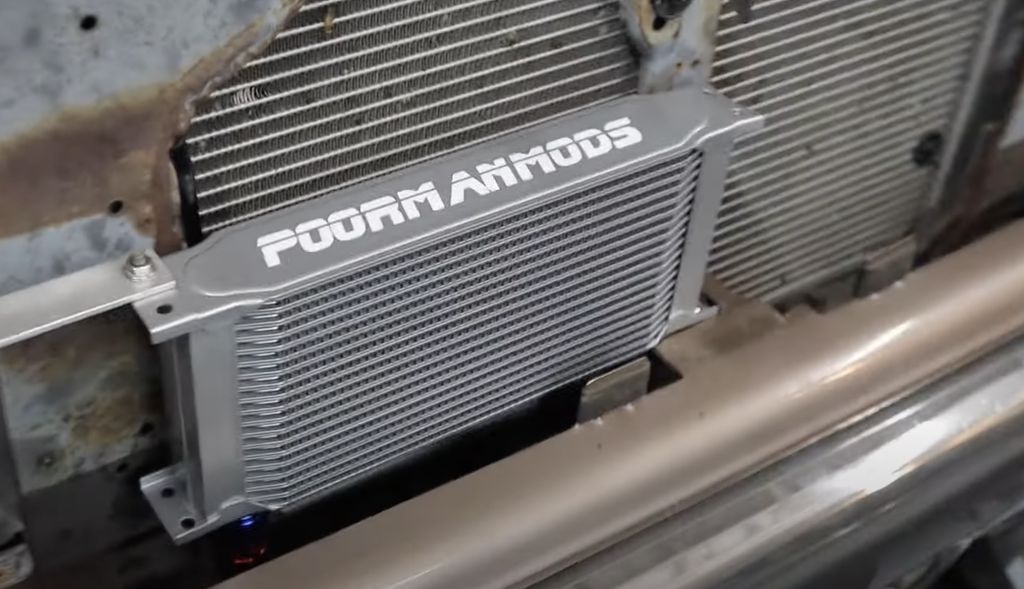
How Does an Oil Cooler Work?
There are several different oil-cooling designs, but the basic principle is the same: heat is transferred from the hot oil to another medium.
The most common designs use either engine coolant or outside air.
Oil-to-coolant oil cooler
This type uses engine coolant to exchange heat with the oil.
It is often installed near the oil filter or integrated into an oil filter housing. The coolant and oil pass through separate passages inside the heat exchanger, allowing heat to transfer between them without normally mixing.
This design can also help the oil reach operating temperature more quickly after a cold start because the coolant may become warmer than the oil during the initial warm-up period.
Oil-to-air oil cooler
This design uses airflow to remove heat from the oil.
The oil passes through a small radiator-like heat exchanger, while air flowing across its fins carries the heat away.
Oil-to-air coolers are particularly useful on high-performance vehicles, turbocharged engines, heavy-duty applications, and vehicles that operate under high thermal loads.
Where Is the Oil Cooler Located?
The exact location depends on the vehicle and engine design.
An oil cooler may be found:
-
Near the oil filter
-
Between the oil filter and the engine block
-
At the front of the vehicle near the radiator
-
Integrated into the engine oil filter housing
-
Near the transmission
-
Inside a combined coolant and oil heat exchanger
Because the oil cooler can be connected to both the lubrication system and, in some designs, the cooling system, a failure can produce different symptoms depending on where the problem occurs.
Why Is an Oil Cooler Important?
Engine oil must operate within a suitable temperature range.
If the oil becomes excessively hot, its viscosity can decrease and oxidation can accelerate. Prolonged high oil temperatures can contribute to oil degradation and reduced lubrication performance.
This is especially important for engines that produce a lot of heat.
Turbocharged engines, high-performance engines, diesel engines, and vehicles used for towing or heavy-duty work can place considerable thermal stress on the oil.
The oil cooler helps control this temperature and can therefore contribute to longer component life and more stable lubrication.
What Are the Symptoms of a Bad Oil Cooler?
Oil cooler failures can appear in different ways. A leak, internal blockage, damaged seal, or internal failure can affect oil pressure, coolant condition, fluid temperature, or the amount of oil available for lubrication.
Some of the most important symptoms are described below.
Engine Oil Leaks
An external oil leak is one of the most obvious signs of an oil cooler or its associated seals and hoses developing a problem.
Oil may leak from:
-
The oil cooler housing
-
Oil cooler seals
-
Oil lines
-
Hose connections
-
Adapter plates
-
Oil filter housing connections
You may notice oil spots underneath the vehicle or fresh oil around the cooler area.
However, not every oil leak in this area originates from the cooler itself. Oil filter seals, the oil filter housing, drain plugs, gaskets, and other nearby components can produce similar symptoms.
Engine Coolant and Oil Become Contaminated
An internal failure of an oil-to-coolant heat exchanger can allow engine oil and coolant to enter passages where they should remain separate.
This can lead to oil contamination in the cooling system or coolant contamination of the engine oil.
The symptoms can include unusual deposits in the coolant reservoir, oily residue in the cooling system, or abnormal changes in the appearance of the engine oil.
This is one of the more serious possible oil cooler failures because contamination can affect both lubrication and cooling.
Milky or Abnormally Thick Engine Oil
If coolant enters the lubrication system, the engine oil can develop a milky or creamy appearance.
This may be particularly noticeable underneath the oil filler cap or on the dipstick, depending on the vehicle and the amount of contamination.
However, a small amount of light-colored residue underneath the oil filler cap does not automatically prove that coolant is entering the oil. Short trips and condensation can sometimes create similar deposits.
If the oil throughout the engine becomes noticeably contaminated, however, the cooling and lubrication systems should be checked promptly.
Oily Coolant
The opposite situation can also occur.
If engine oil enters the cooling system through a failed oil cooler, the coolant may develop an oily film or abnormal deposits.
The coolant reservoir may appear dirty or contain a layer of oil-like material.
This symptom can also be caused by a failed head gasket, cracked cylinder head, cracked engine block, or another internal engine problem.
Therefore, the oil cooler should be tested rather than assumed to be the cause.
Engine Oil Temperature Becomes Too High
A damaged or blocked oil cooler may not be able to remove enough heat from the oil.
As a result, engine oil temperature may rise above its normal operating range during demanding driving.
The problem may become more noticeable during:
-
High-speed driving
-
Long highway journeys
-
Towing
-
Heavy traffic in hot weather
-
Repeated hard acceleration
-
High-RPM operation
If the vehicle has an oil temperature gauge or displays oil temperature electronically, abnormal readings can provide an important diagnostic clue.
Oil Temperature Does Not Behave Normally
An oil cooler can also cause temperature-related problems if its thermostat or control system malfunctions, depending on the vehicle design.
For example, an oil cooler system designed to regulate when cooling begins may cause the oil to remain too cold or take excessively long to reach its normal operating temperature if the system does not function correctly.
Oil that remains too cold for extended periods may not provide the same operating characteristics intended by the engine manufacturer.
Therefore, an oil cooler problem is not necessarily limited to overheating.
Low Engine Oil Level
A leaking oil cooler or oil cooler line can gradually reduce the amount of oil in the engine.
If the leak is significant, the oil level may fall enough to trigger a low oil pressure warning or create lubrication problems.
A low oil level should never be ignored because insufficient lubrication can cause severe engine damage.
The oil level should be checked according to the manufacturer's procedure, and any unexplained loss should be investigated.
Low Oil Pressure
A serious oil cooler problem can sometimes contribute to low oil pressure.
This can happen if there is a significant external leak, an internal restriction, or another problem affecting oil flow.
Low oil pressure is a critical warning because engine bearings, the turbocharger, camshafts, and other components depend on sufficient oil pressure and flow.
However, an oil cooler is only one possible cause. A worn oil pump, excessive bearing clearance, low oil level, incorrect oil viscosity, blocked passages, or a faulty pressure-control component can also cause low oil pressure.
Oil Cooler Hoses Become Damaged
Some oil coolers use external hoses or pipes to carry oil between the engine and the cooler.
Over time, these components can become brittle, cracked, swollen, corroded, or damaged by heat.
A damaged hose can cause an oil leak and rapidly reduce the engine's oil level.
The condition of the hoses and connections should therefore be checked whenever an oil cooler problem is suspected.
Burning Oil Smell
An oil cooler leak does not always produce a visible puddle underneath the vehicle.
If leaking oil reaches a hot exhaust component, turbocharger housing, or another hot engine part, it can produce a noticeable burning-oil smell.
In some cases, smoke may also be visible from the engine compartment.
This situation should be investigated quickly because leaking oil near extremely hot components can create a fire risk.
Oil Cooler Failure Can Cause Overheating
An oil cooler problem can contribute to abnormal engine temperatures, particularly if the cooler is part of the engine's thermal management system.
In an oil-to-coolant heat exchanger, an internal failure can also contaminate the cooling system and reduce the effectiveness of the coolant.
However, engine overheating is much more commonly associated with problems such as low coolant, a thermostat fault, a radiator problem, a cooling fan failure, a water pump problem, or air in the cooling system.
An overheating engine should therefore be diagnosed as a complete cooling-system problem rather than automatically blaming the oil cooler.
What Causes an Oil Cooler to Fail?
Oil coolers operate under significant temperature and pressure changes, so several types of failure are possible.
Seal and gasket deterioration
Seals can harden or lose elasticity with age, eventually allowing oil or coolant to leak.
Corrosion
External corrosion can damage the cooler body, pipes, or connections.
Internal blockage
Deposits, sludge, contamination, or deteriorated oil can restrict internal passages and reduce fluid flow.
Mechanical damage
A cooler mounted at the front of the vehicle can be damaged by road debris or an accident.
Excessive thermal stress
Repeated exposure to high temperatures can accelerate deterioration of the cooler, seals, hoses, and connections.
Poor maintenance
Incorrect oil, extended oil-change intervals, contaminated fluids, or neglected cooling-system maintenance can increase the risk of problems.
Can an Oil Cooler Become Clogged?
Yes.
Oil passages inside the cooler can become restricted by sludge, deposits, degraded oil, or other contaminants.
A restricted cooler can reduce the amount of oil flowing through the heat exchanger and may also reduce its cooling efficiency.
However, not every temperature problem means that the cooler is clogged. The oil thermostat, oil pump, coolant flow, radiator, or other components may be responsible.
How Is an Oil Cooler Problem Diagnosed?
Diagnosis depends on the type of suspected failure.
The technician may begin by checking for external oil or coolant leaks around the cooler, seals, hoses, and connections.
The engine oil and coolant should also be inspected for signs of cross-contamination.
If oil and coolant appear to be mixing, the oil cooler may need to be isolated and pressure-tested to determine whether it is internally leaking.
Oil pressure and oil temperature can also be measured when necessary.
For an overheating complaint, the entire cooling system should be inspected rather than focusing only on the oil cooler.
A proper diagnosis is particularly important because oil cooler symptoms can overlap with head gasket, oil pump, thermostat, radiator, and other engine problems.
Can an Oil Cooler Be Repaired?
The answer depends on the type of cooler and the nature of the damage.
A leaking seal, gasket, or hose can often be replaced separately if service parts are available.
If the cooler itself is cracked, corroded, internally damaged, or leaking between the oil and coolant passages, replacement is generally the preferred solution.
After an internal oil-and-coolant contamination problem, both systems may require thorough cleaning and the engine oil and filter may need to be replaced.
The exact repair procedure depends on the vehicle manufacturer's specifications.
Is It Safe to Drive With a Bad Oil Cooler?
It depends on the severity of the problem, but driving with a known oil cooler leak is generally not recommended.
A small external leak can become significantly worse, causing the engine to lose oil rapidly.
If oil and coolant are mixing, continued driving can cause serious lubrication and cooling problems.
The situation is particularly urgent if you notice:
-
Low oil pressure warning
-
Rapid oil loss
-
Coolant contamination
-
Milky engine oil
-
Excessive oil temperature
-
Engine overheating
-
Smoke from the engine compartment
-
Strong burning-oil smell
In these situations, continuing to drive can turn a relatively manageable repair into major engine damage.
Oil Cooler vs. Head Gasket Failure
Oil cooler problems and head gasket failures can sometimes produce similar symptoms, particularly when oil and coolant are mixing.
This is why a milky oil filler cap or oily coolant should not immediately be interpreted as proof of a blown head gasket.
A technician needs to determine where the fluids are crossing into each other's circuits.
Depending on the vehicle, this may involve pressure testing, inspecting the cooling system, checking combustion gases, testing the oil cooler, and examining the engine oil.
Correct diagnosis can prevent unnecessary engine disassembly.
Oil Cooler Maintenance
Oil coolers generally do not have a universal replacement interval.
Instead, their condition should be checked during relevant maintenance and whenever an oil or coolant leak is discovered.
Regular oil changes with the correct specification can help reduce sludge and deposits.
The cooling system should also be maintained using the correct coolant and replacement intervals specified by the manufacturer.
During servicing, technicians should pay attention to:
-
Oil cooler seals
-
Oil cooler hoses
-
Pipe connections
-
Signs of corrosion
-
Oil leaks
-
Coolant leaks
-
Oil and coolant contamination
-
Oil temperature
-
Engine oil pressure
Final Thoughts
The oil cooler plays an important role in controlling fluid temperature and protecting the engine under demanding operating conditions.
A failed oil cooler can cause oil leaks, abnormal oil temperatures, coolant contamination, low oil levels, or even oil-and-coolant mixing. In more serious cases, continued operation can lead to major engine damage.
At the same time, symptoms such as overheating, low oil pressure, or contaminated coolant do not automatically prove that the oil cooler is faulty. Several other engine and cooling-system problems can create similar symptoms.
For this reason, an oil cooler should be diagnosed as part of the complete lubrication and cooling systems rather than replaced based on a single symptom.