TR
TR EN
EN

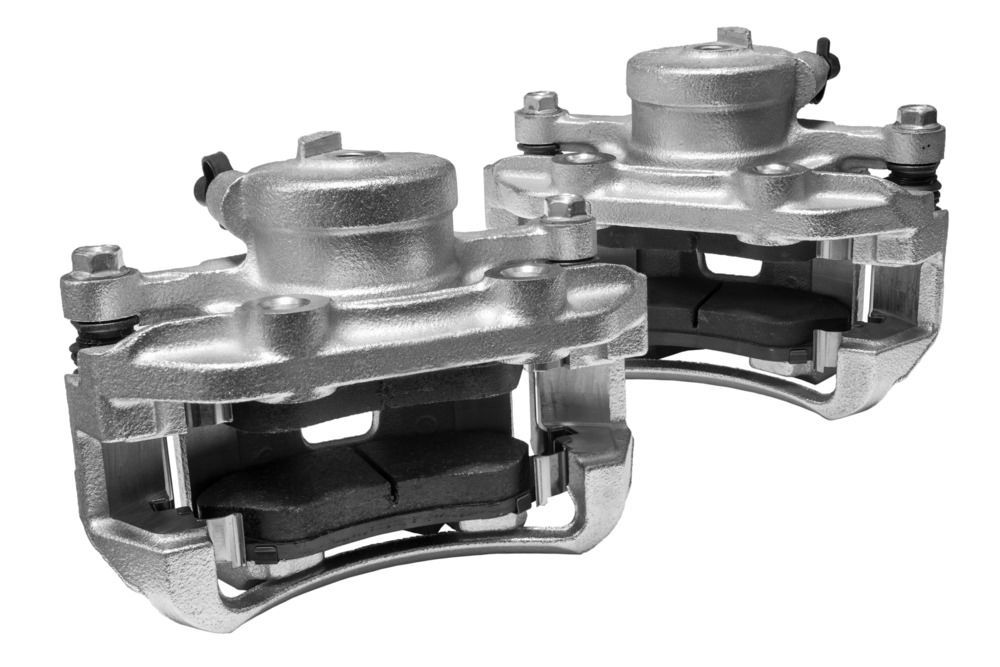
What Is a Brake Caliper? What Are the Symptoms of Brake Caliper Failure?
The brake caliper is one of the most important components of a vehicle's disc brake system. It converts hydraulic pressure from the brake system into mechanical force, allowing the brake pads to press against the brake disc and slow the vehicle down.
Although the caliper itself is a relatively simple component, problems with its piston, seals, guide pins, or mounting components can seriously affect braking performance. A seized or leaking caliper can also cause uneven pad wear, overheating, increased fuel consumption, and in severe cases, loss of braking performance.
What Does a Brake Caliper Do?

When you press the brake pedal, the brake master cylinder generates hydraulic pressure in the brake fluid. This pressure travels through the brake lines to the caliper.
Inside the caliper is one or more pistons. Hydraulic pressure pushes the piston outward, causing the brake pad to press against the rotating brake disc. On a floating caliper, the caliper body also moves on its guide pins, allowing the other brake pad to press against the opposite side of the disc.
The friction between the brake pads and disc converts the vehicle's kinetic energy into heat. This reduces the rotation of the wheel and slows the vehicle.
In simple terms, the braking process is:
Brake pedal → master cylinder → brake fluid pressure → caliper piston → brake pads → brake disc → vehicle slows down
Main Types of Brake Calipers
Brake calipers are generally divided into two main designs.
Floating or sliding caliper
This is one of the most common designs used on passenger cars. The caliper can slide on guide pins or guide mechanisms. When the piston pushes one brake pad against the disc, the caliper moves and pulls the opposite pad against the other side.
A problem with the guide pins can prevent the caliper from moving correctly and may cause uneven braking or pad wear.
Fixed caliper
A fixed caliper is mounted rigidly and does not slide in the same way as a floating caliper. It generally uses pistons on both sides of the disc.
Fixed calipers are common on performance and high-performance vehicles because they can provide strong and consistent braking, although their construction is generally more complex and expensive.
What Are the Symptoms of a Bad Brake Caliper?
A faulty caliper can produce several different symptoms. The exact symptoms depend on whether the caliper is sticking, leaking, damaged, or unable to apply sufficient pressure.
The Vehicle Pulls to One Side When Braking
One of the most noticeable symptoms is the vehicle pulling left or right when the brakes are applied.
If one caliper is not applying enough braking force, the opposite wheel may brake more strongly. This can cause the vehicle to move toward one side during braking.
A sticking caliper can also produce a pulling sensation because one wheel remains partially braked.
However, pulling during braking does not automatically mean the caliper is defective. Tire problems, suspension components, brake pad contamination, brake hose restrictions, and other issues can produce similar symptoms.
One Wheel Becomes Much Hotter Than the Others
A brake caliper that remains partially applied can keep the brake pad in contact with the disc even when the brake pedal is released.
This creates continuous friction and heat.
After driving, you may notice that one wheel area is significantly hotter than the others. There may also be a burning smell.
This is a particularly important warning sign because excessive brake temperature can damage the brake pads, disc, wheel bearing, brake fluid, and other nearby components.
Do not touch a suspected overheated brake disc or caliper with your bare hand. Brake components can become extremely hot.
Uneven Brake Pad Wear
A sticking piston or seized guide pin can cause one brake pad to wear considerably faster than the other.
For example, the inner pad may become much thinner than the outer pad, or one side of the vehicle may wear its pads much faster than the other side.
Uneven pad wear should be investigated rather than simply replacing the pads.
The underlying cause could be the caliper, guide pins, piston, brake hose, pad hardware, or the way the caliper is mounted.
The Brake Pad Does Not Release Properly
A healthy brake caliper should apply the brake when hydraulic pressure is generated and allow the pad to move away from the disc sufficiently when the pedal is released.
If the piston becomes stuck or the caliper's sliding mechanism cannot move freely, the brake may remain partially applied.
The driver may notice that the vehicle feels as if it is being held back even when the accelerator is pressed.
Reduced Vehicle Performance and Increased Fuel Consumption
A partially seized brake caliper creates continuous resistance at the wheel.
The engine then has to work harder to maintain the same speed. This can result in increased fuel consumption and reduced acceleration.
In severe cases, the vehicle may feel unusually heavy or reluctant to roll.
This symptom can sometimes be mistaken for an engine, transmission, or wheel-bearing problem.
Burning Smell From the Wheel Area
A dragging brake can generate considerable heat.
If the temperature becomes excessive, the driver may notice a burning smell coming from one wheel. The smell can become especially noticeable after highway driving, descending a hill, or repeated braking.
A burning smell from a wheel should not be ignored because overheating can rapidly damage brake components.
Brake Disc Discoloration
Excessive heat caused by a sticking caliper can change the appearance of the brake disc.
The disc may develop unusual dark or bluish areas, heat marks, or other discoloration.
However, disc discoloration alone is not enough to diagnose a faulty caliper. Repeated heavy braking, mountain driving, track use, or other causes can also generate high temperatures.
The Brake Pedal Feels Abnormal
A damaged caliper can sometimes contribute to an abnormal brake pedal feel.
If the caliper has a hydraulic leak, for example, brake fluid pressure may be affected. The pedal may feel softer than normal, especially if air enters the hydraulic system.
However, a soft or sinking brake pedal can have many causes, including air in the brake lines, low brake fluid, a master cylinder problem, or other hydraulic system faults.
Because braking is a safety-critical system, this symptom requires immediate attention.
Brake Fluid Leakage Around the Caliper
Brake fluid may leak from a damaged caliper piston seal, bleeder screw, brake hose connection, or another hydraulic connection.
Visible brake fluid around the caliper is not normal.
A hydraulic leak can reduce braking pressure and may eventually cause a serious loss of braking performance.
If brake fluid is leaking, the vehicle should not be treated as safe simply because the brakes still appear to work.
Brake Disc and Pad Wear May Increase
A caliper that does not release correctly can keep the pad against the disc.
This increases friction even when the driver is not braking and can accelerate wear of both the brake pad and disc.
In severe cases, the disc can become overheated and distorted or suffer other forms of heat-related damage.
What Causes a Brake Caliper to Fail?
Several problems can prevent a caliper from operating correctly.
Seized caliper piston
Corrosion, contamination, damaged seals, or moisture can cause the piston to stick inside the caliper.
Seized guide pins
On sliding calipers, dry, corroded, bent, or contaminated guide pins can prevent the caliper from moving freely.
Damaged piston seal
A deteriorated seal can allow brake fluid to leak or allow contamination to enter the piston area.
Corrosion
Brake calipers operate in a harsh environment exposed to water, road salt, dirt, heat, and brake dust. Corrosion can eventually interfere with piston or sliding mechanisms.
Damaged brake hose
A restricted or internally damaged flexible brake hose can sometimes behave like a one-way valve. Hydraulic pressure may reach the caliper but fail to return properly, causing the brake to remain partially applied.
This is important because a dragging brake does not always mean the caliper itself is defective.
Incorrect installation or maintenance
Improperly installed pads, damaged hardware, incorrect lubrication of sliding components, or incorrect assembly can also cause caliper problems.
How Is a Faulty Brake Caliper Diagnosed?
Diagnosis should begin with a visual inspection of the brake system.
A technician can compare the condition and thickness of the brake pads on both sides of the vehicle. The caliper, piston area, guide pins, brake hose, disc, and mounting hardware should also be inspected.
If one wheel is suspected of dragging, the technician can compare wheel temperatures after controlled driving or use appropriate temperature-measuring equipment.
The caliper's mechanical movement should also be checked.
For hydraulic problems, the technician may check whether hydraulic pressure is being released correctly after the brake pedal is released. This can help distinguish between a sticking caliper and a restricted brake hose.
Can a Brake Caliper Be Repaired?
It depends on the condition and design of the caliper.
A caliper may sometimes be serviced using replacement seals, piston components, guide pins, boots, or other service parts.
However, if the caliper body is severely corroded, damaged, or otherwise unsuitable for reliable rebuilding, replacement is generally the safer solution.
For many modern vehicles, replacing the complete caliper can also be more practical than rebuilding an extensively damaged unit.
After hydraulic brake work, the system may require proper bleeding to remove air and restore the correct brake pedal feel.
Can You Drive With a Bad Brake Caliper?
Driving with a suspected faulty brake caliper is not recommended.
A mildly sticking caliper can quickly become a serious problem if it overheats the brake system. A leaking caliper can be even more dangerous because hydraulic pressure may be reduced.
If the vehicle pulls strongly during braking, a wheel becomes extremely hot, brake fluid is leaking, or the brake pedal suddenly feels abnormal, the vehicle should be inspected as soon as possible.
Brake Caliper Maintenance
Brake calipers normally do not require frequent replacement when they are functioning correctly, but they should be inspected during brake service.
The following areas are particularly important:
-
Caliper piston condition
-
Guide pin movement
-
Rubber boots and seals
-
Brake fluid leakage
-
Brake pad movement
-
Pad wear pattern
-
Brake disc condition
-
Caliper mounting bolts and hardware
-
Brake hose condition
Brake fluid should also be replaced according to the vehicle manufacturer's recommended maintenance schedule.
Brake Caliper vs. Brake Pad Problem
Brake pad wear and caliper problems can produce similar symptoms, which is why replacing pads alone may not solve the problem.
For example, if a caliper piston is sticking, installing new brake pads without correcting the piston problem can result in the new pads wearing unevenly or overheating.
Likewise, uneven pad wear may be caused by guide pins, a brake hose, pad hardware, or another brake-system component rather than the caliper itself.
A proper diagnosis should therefore examine the complete brake assembly rather than focusing on one component immediately.
Why Brake Caliper Problems Should Not Be Ignored
The brake caliper directly affects how braking force is applied to the wheel. A problem can therefore influence braking balance, stopping performance, component temperature, and tire behavior.
A small amount of abnormal pad wear may appear harmless at first, but a sticking or leaking caliper can develop into a much more serious brake-system problem.
For this reason, unusual pulling, overheating, uneven pad wear, burning smells, brake fluid leakage, or changes in brake pedal behavior should be investigated promptly.
Conclusion
The brake caliper is the component that converts hydraulic brake pressure into the mechanical force needed to clamp the brake pads against the disc.
Common signs of a brake caliper problem include pulling to one side, uneven pad wear, a hot wheel, burning smells, brake fluid leakage, brake drag, disc discoloration, and abnormal brake pedal behavior.
However, these symptoms do not always prove that the caliper itself is defective. A restricted brake hose, worn pad hardware, seized guide pins, contaminated pads, or other brake-system problems can create similar symptoms.
Because the braking system is directly related to vehicle safety, suspected caliper problems should be diagnosed properly rather than treated by replacing parts based only on symptoms.