TR
TR EN
EN

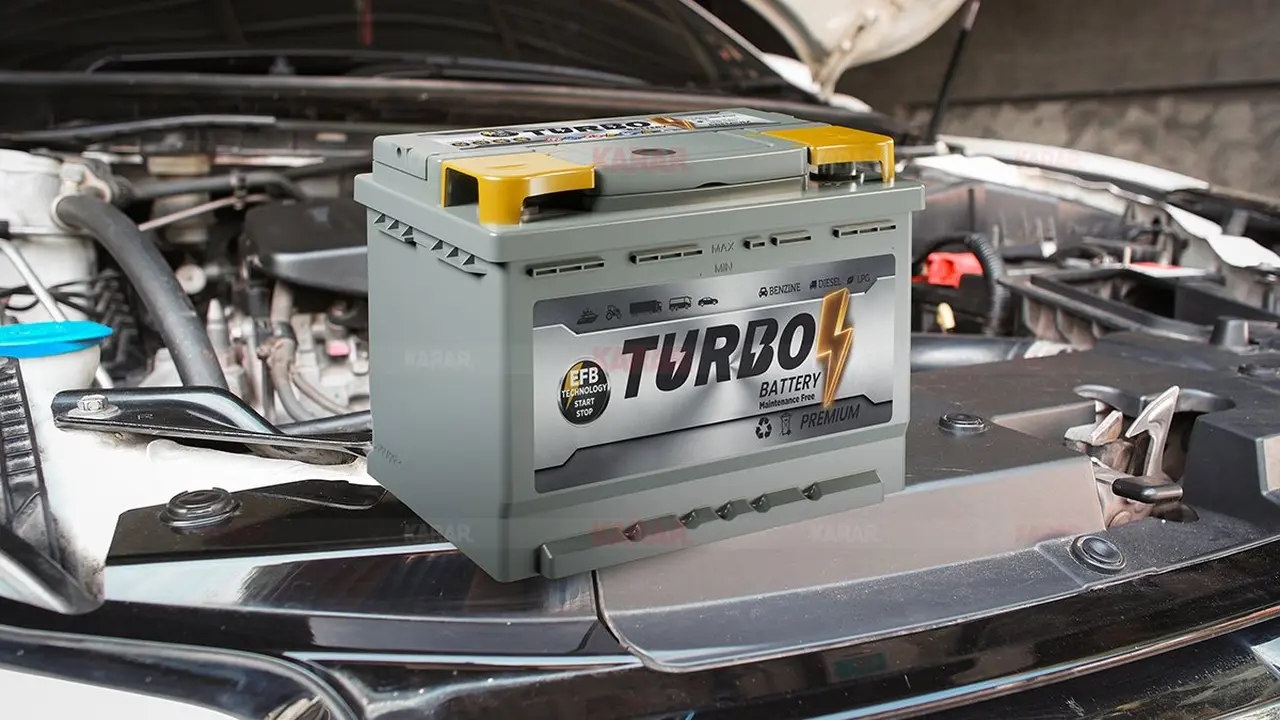
How Long Does a Car Battery Last? How Can You Tell When the Battery Is Failing?
A car battery is one of those components that often gets overlooked until the engine suddenly refuses to start. Many drivers expect a battery to fail without warning, but in reality, most batteries gradually lose their ability to store and deliver energy before they reach the end of their service life.
So, how long does a car battery normally last? What causes it to wear out? And how can you tell whether the battery itself is failing or there is another problem with the vehicle's electrical system?
How Long Does a Car Battery Usually Last?
Under normal conditions, a conventional automotive battery typically lasts around 3 to 5 years. However, this is only a general guideline. Some batteries may last longer, while others can fail much earlier depending on how the vehicle is used and the conditions in which it operates.
Several factors have a direct effect on battery life:
Climate: High temperatures accelerate the chemical reactions inside the battery and can cause the battery to age faster. Extremely cold temperatures, on the other hand, make it harder for a weak battery to provide enough current to start the engine.
Driving habits: Vehicles that are frequently used for very short trips may experience faster battery deterioration. Starting the engine consumes a significant amount of electrical energy, and a short drive may not give the alternator enough time to replace it.
Electrical load: Modern vehicles have numerous electronic systems that continue to consume power even when the engine is off. Frequent use of accessories can place additional demands on the battery.
Charging system condition: A faulty alternator, voltage regulator, wiring connection, or ground connection can prevent the battery from being charged correctly.
Battery type and quality: AGM, EFB, and conventional flooded lead-acid batteries have different characteristics and should be selected according to the vehicle's requirements.
What Happens as a Battery Gets Older?
A battery does not normally go from perfect condition to completely dead overnight. Its usable capacity gradually decreases.
As the battery ages, the internal plates and chemical materials deteriorate. The battery may still be able to start the engine under normal conditions, but its reserve capacity becomes smaller.
This is why an aging battery can appear to work perfectly one day and struggle to start the engine the next morning.
Cold weather can make this particularly noticeable. A battery that was already close to the end of its life may still start the engine reasonably well in warm weather but struggle significantly when temperatures drop.
Signs That Your Car Battery May Be Failing
One of the most common symptoms is slow engine cranking.
If the starter motor turns the engine noticeably more slowly than usual, especially during the first start of the day, the battery should be checked.
Other common symptoms include:
Clicking when trying to start the engine: A rapid clicking sound can occur when the battery cannot provide enough current to operate the starter properly.
Dim headlights: If the headlights become noticeably weaker, particularly when the engine is off, battery condition should be considered.
Electrical systems behaving unusually: Flickering lights, weak electrical accessories, or temporary electronic warnings can sometimes occur when system voltage drops too far.
Repeated difficulty starting: If the vehicle increasingly requires multiple attempts before starting, the battery or charging system should be tested.
Battery repeatedly going flat: A battery that frequently loses its charge may be reaching the end of its life, but the cause may also be a charging problem or excessive parasitic electrical drain.
A Dead Battery Is Not Always a Bad Battery
This distinction is important.
A battery can be discharged without being worn out.
For example, leaving the headlights on overnight can completely discharge a healthy battery. After being properly recharged, that battery may continue working normally.
On the other hand, an old battery may lose its capacity and fail to hold a charge properly. Recharging it may temporarily restore enough energy to start the vehicle, but the problem will return.
Therefore, simply seeing that the battery is discharged does not automatically mean that it needs to be replaced.
How Can You Test a Car Battery?
Measuring voltage with a multimeter is a useful first step, but voltage alone does not provide a complete picture of battery health.
A fully charged conventional 12-volt lead-acid battery will often show approximately 12.6–12.8 volts after the vehicle has been sitting without being charged or used for a period of time.
However, a battery can show a reasonable resting voltage and still have insufficient starting capacity.
For this reason, professional battery testers can provide more useful information by evaluating characteristics such as:
-
State of charge
-
Starting capability
-
Internal resistance
-
Available cranking performance
-
Overall battery health
The battery should ideally be tested under appropriate conditions rather than being judged from a single voltage measurement.
What Happens to Battery Voltage During Starting?
The battery experiences its greatest demand when the starter motor is operating.
A healthy battery should be capable of supplying a large amount of current while maintaining sufficient voltage for the starter and vehicle electronics.
If voltage drops excessively during cranking, the battery may be weak.
However, this does not automatically prove that the battery is defective. Corroded battery terminals, poor ground connections, damaged cables, or a starter motor drawing excessive current can also cause abnormal voltage behavior.
This is why proper diagnosis is more reliable than simply replacing the battery.
What Does the Battery Warning Light Mean?
The battery-shaped warning light on the dashboard is often misunderstood.
When this warning light comes on while the engine is running, it does not necessarily mean that the battery itself is defective.
In many vehicles, the warning indicates a problem with the charging system.
Possible causes include:
-
Alternator failure
-
Voltage regulator problems
-
Damaged or loose wiring
-
Poor electrical connections
-
Grounding problems
-
Drive belt problems
-
Battery or charging-system faults
If a new battery is installed without identifying the underlying charging problem, the new battery may also become discharged or damaged.
Why Do Some Batteries Die Earlier Than Expected?
A battery can fail before reaching three years, just as another battery may continue working beyond five years.
Frequent deep discharges are particularly hard on conventional lead-acid batteries. Excessive heat, long periods of inactivity, repeated short journeys, incorrect charging voltage, and parasitic electrical consumption can also shorten battery life.
Modern vehicles can be especially sensitive because numerous control modules and electronic systems remain active after the engine is switched off.
If a vehicle has an unexplained overnight battery drain, replacing the battery without checking for the electrical drain may only provide a temporary solution.
Can a Battery Suddenly Die?
Yes.
Although battery deterioration is generally gradual, the driver may not notice the decline until the battery reaches a critical point.
An old battery may have enough capacity to start the engine several times under favorable conditions. Then, after sitting overnight or experiencing colder weather, its remaining capacity may no longer be sufficient.
This creates the impression that the battery "suddenly died," even though its condition had been deteriorating for some time.
How Can You Extend Battery Life?
There is no way to prevent normal battery aging, but good maintenance and proper vehicle use can help maximize service life.
Keep the battery terminals clean and properly tightened. Make sure the battery is securely mounted and does not move excessively.
If the vehicle uses a start-stop system, make sure the correct battery technology is installed. A vehicle designed for an AGM or EFB battery should not automatically be fitted with a conventional battery simply because it physically fits.
Avoid leaving electrical accessories running unnecessarily when the engine is off, particularly for long periods.
If the vehicle is used mainly for very short trips, periodically allowing the charging system to restore the battery to an appropriate state of charge can also be beneficial.
Most importantly, investigate repeated battery discharge rather than simply recharging or replacing the battery each time.
What Should You Check When Replacing a Battery?
The replacement battery should meet the vehicle manufacturer's requirements.
Important specifications include:
-
Battery capacity
-
Cold cranking performance
-
Physical dimensions
-
Terminal position
-
Battery technology
-
Vehicle-specific electrical requirements
For vehicles equipped with battery management systems, the new battery may also need to be registered, reset, or coded after installation, depending on the vehicle.
This is particularly important on many modern vehicles with start-stop technology.
What If a New Battery Goes Flat Again?
If a new battery becomes discharged shortly after installation, replacing it again is usually not the first thing that should be done.
The charging system should be checked first.
The vehicle should also be inspected for excessive parasitic current consumption while it is switched off.
Possible causes include:
-
Alternator or charging-system problems
-
Lights remaining on
-
Aftermarket accessories
-
Faulty electronic modules
-
Alarm or tracking systems
-
Wiring problems
-
Excessive standby current
If the underlying problem is not corrected, even a brand-new battery can eventually become discharged.
Battery Replacement Should Not Be Based Only on Age
Age is a useful indication, but it is not enough by itself to determine whether a battery needs replacement.
A four-year-old battery that still passes a proper health and starting-capacity test may continue to operate normally. Conversely, a two-year-old battery that has suffered repeated deep discharges or charging problems may already be seriously weakened.
The best approach is to consider the battery's age together with its starting performance, test results, charging-system condition, and the symptoms experienced by the vehicle.
The Important Difference Between a Discharged and Failed Battery
A car battery that is flat is not necessarily a battery that has reached the end of its life.
If the battery is discharged, the first question should be why it lost its charge.
If the battery is old and can no longer maintain sufficient capacity or starting performance, replacement may be necessary.
If the battery repeatedly becomes discharged, however, the real problem may be somewhere else in the vehicle's electrical or charging system.
Understanding this difference can prevent unnecessary battery replacements and help identify the actual cause of starting and electrical problems.