TR
TR EN
EN

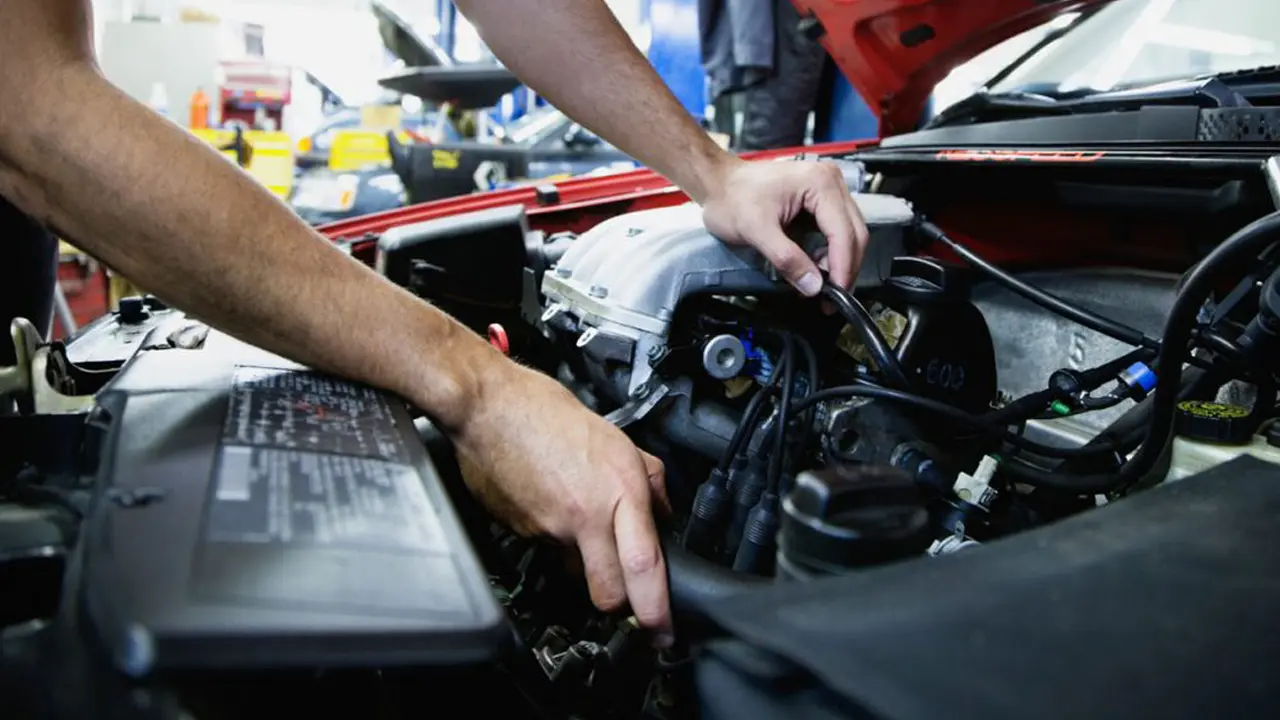
Post-Conversion Checks for an LPG Vehicle
Completing an LPG conversion does not mean the job is finished simply because the engine starts and the vehicle can switch to LPG.
The period immediately after an LPG conversion is important for checking the installation, fuel system, calibration, engine operation, and overall safety. A small installation or calibration problem detected early can often be corrected before it develops into a more expensive or complicated problem.
The vehicle should therefore be inspected carefully before and after it returns to normal daily use.
Inspect the LPG installation first
Before driving the vehicle extensively, the overall installation should be checked.
Particular attention should be given to:
-
LPG tank mounting
-
Multivalve installation
-
Filling connection
-
LPG fuel lines
-
Regulator installation
-
LPG injectors
-
Pressure and temperature sensors
-
LPG ECU
-
Electrical connections
-
Hose routing
-
Cable routing
-
Heat protection around the engine bay
Fuel lines and hoses should not contact moving components, sharp metal edges or excessively hot surfaces.
Cables and hoses should also be properly secured so that vibration cannot cause abrasion or loosen the connections over time.
Check for LPG leaks
Leak detection is one of the most important checks after an LPG conversion.
Connections around the tank, multivalve, filling system, fuel lines, regulator and engine bay should be inspected using appropriate professional equipment and procedures.
A noticeable LPG smell should never be considered normal.
If a strong gas smell appears after the conversion, the vehicle should not simply be driven until the smell disappears. The LPG system should be inspected to identify the source.
An open flame such as a lighter or match should never be used to search for a gas leak.
Inspect the LPG tank and multivalve
The tank should be firmly secured to the vehicle, with no looseness at its mounting points.
The tank should also be inspected for:
-
Physical damage
-
Deformation
-
Serious corrosion
-
Damaged mounting brackets
-
Signs of improper installation
The multivalve is another critical component. It is involved in fuel filling, fuel withdrawal, level measurement and several safety functions, depending on the system.
Its connections should be secure and properly sealed.
Check the filling connection
The LPG filling point can easily be overlooked after installation.
The filling connection should be firmly mounted and the cap should close correctly.
There should be no signs of leakage during or after refueling.
The filling point should also be positioned and protected in a way that minimizes the risk of physical damage during normal vehicle use.
Inspect the regulator
The regulator plays an important role in reducing LPG pressure and, in many systems, converting LPG from liquid to vapor before it reaches the injectors.
Its installation and coolant connections should be checked carefully.
After the engine reaches operating temperature, the regulator should also be checked for proper temperature behavior.
Problems with regulator operation can result in:
-
Delayed LPG switching
-
Engine stalling during fuel changeover
-
Rough idle
-
Poor cold operation
-
Loss of power
-
Poor acceleration
-
Unstable LPG operation
These symptoms do not automatically mean that the regulator itself is defective. Calibration, coolant circulation, sensors and other LPG components can also produce similar symptoms.
Check the LPG injectors
The LPG injectors should be installed securely and their connections should be properly routed.
The hoses between the injectors and intake manifold should be installed correctly and consistently.
Loose connections or damaged hoses can create both performance and fuel-system problems.
Injector operation should also be evaluated through the LPG ECU calibration. The injectors must be capable of delivering the amount of fuel required by the engine under different operating conditions.
Inspect the LPG ECU and wiring
The LPG ECU communicates with the vehicle's engine management system and controls important parts of the LPG system.
Its wiring should therefore be inspected after installation.
Electrical cables should be:
-
Protected from excessive heat
-
Away from moving components
-
Protected from sharp edges
-
Properly secured
-
Resistant to vibration and moisture
-
Connected using appropriate methods
Improvised electrical connections can create intermittent faults and should not be considered an acceptable long-term solution.
If an engine warning light, misfire or unusual fuel-system behavior appears after the conversion, the LPG wiring should be included in the diagnostic process.
Observe the first LPG changeover
After the conversion, the engine should normally be started and allowed to operate under appropriate conditions before switching to LPG.
The changeover should be smooth.
When the system switches from gasoline to LPG:
-
The engine should not stall.
-
RPM should remain reasonably stable.
-
There should not be a major hesitation.
-
Throttle response should remain normal.
-
There should be no unusual smell or noise.
A rough changeover can indicate a calibration, temperature, pressure or fuel-delivery problem.
LPG calibration is critical
A mechanically correct installation is only half of the job.
The LPG ECU must also be calibrated correctly for the specific engine.
The calibration should be evaluated under different operating conditions rather than only at idle.
Important conditions include:
-
Idle
-
Light load
-
Medium load
-
Heavy load
-
Acceleration
-
High RPM
-
Steady cruising
-
Deceleration
-
Re-acceleration
An LPG system can appear perfectly smooth while idling and still have an incorrect fuel mixture under heavy acceleration.
This is why road testing and live-data analysis are important.
Compare gasoline and LPG operation
The engine should operate correctly on both fuels.
If suitable diagnostic equipment is available, fuel-trim data from the engine ECU can provide useful information.
Short-term and long-term fuel-trim values can help reveal whether the engine is consistently operating too rich or too lean on LPG.
The goal is not simply to make the vehicle feel normal. The LPG system should also allow the engine management system to maintain appropriate combustion and fuel control.
Check the vehicle for diagnostic trouble codes
After an LPG conversion, the vehicle should be scanned for diagnostic trouble codes.
Particular attention should be paid to:
-
Misfire codes
-
Lean-mixture codes
-
Rich-mixture codes
-
Oxygen sensor codes
-
Fuel-trim-related problems
-
Emissions-related faults
A newly appearing engine fault after an LPG conversion should not simply be dismissed as the vehicle “getting used to LPG.”
Modern engine management systems continuously monitor combustion and emissions-related parameters. A new fault code should be diagnosed rather than ignored.
Perform a proper road test
A proper road test is an essential part of post-conversion inspection.
The vehicle should not be evaluated only while stationary in the workshop.
Different operating conditions can be tested, including:
-
Low-speed city driving
-
Moderate acceleration
-
Strong acceleration
-
Uphill driving
-
Steady-speed cruising
-
Higher engine speeds
-
Gasoline-to-LPG changeover
-
LPG-to-gasoline operation
A calibration problem that appears only under high engine load may not be visible during a short workshop test.
Pay attention during the first few hundred kilometers
The first few hundred kilometers provide a useful opportunity to observe how the system behaves in real-world conditions.
The driver should pay attention to:
-
LPG smell
-
Engine warning lights
-
Misfires
-
Hesitation
-
Loss of power
-
Rough idle
-
Stalling during LPG changeover
-
Excessive fuel consumption
-
Significant performance differences between gasoline and LPG
-
Unusual noises
-
Unusual exhaust behavior
If any of these symptoms appear, the system should be checked rather than allowing the problem to continue.
Do not judge fuel consumption after one tank
Fuel consumption immediately after a conversion may not provide a reliable long-term picture.
Traffic, driving style, outside temperature, tire pressure, road conditions and the way the LPG tank is filled can all affect the result.
It is better to monitor consumption over several refueling cycles.
However, extremely high consumption from the beginning can be an indication that the calibration or fuel system needs attention.
Keep using the gasoline system
A dual-fuel LPG vehicle still has a gasoline fuel system.
Even if the vehicle is used primarily on LPG, gasoline should not be completely forgotten.
Keeping an appropriate amount of gasoline in the tank and periodically operating the gasoline system can help keep the vehicle's original fuel system in working condition.
The gasoline fuel pump, injectors and related components remain part of the vehicle even after an LPG conversion.
Monitor engine condition
LPG conversion does not eliminate the importance of normal engine maintenance.
Spark plugs, ignition coils, oxygen sensors, vacuum leaks and other engine components can all influence LPG operation.
A problem that appears while driving on LPG is not necessarily caused by the LPG system.
For example, a weak ignition coil may produce a misfire that becomes more noticeable on LPG, even though the underlying problem is in the ignition system.
Proper diagnosis should therefore consider both the LPG system and the original engine management system.
Pay attention to valves and engine compatibility
Some engines may require additional attention to valve and valve-seat durability during long-term LPG operation.
This does not apply equally to every engine.
The engine design, valve-seat materials, LPG calibration, operating temperature and driving conditions all affect long-term durability.
If the engine is known to require specific valve-clearance inspections or other maintenance, those requirements should continue to be followed after the LPG conversion.
Keep the conversion documents
An LPG conversion is not only a mechanical modification.
Depending on the country and applicable regulations, the vehicle may also need technical inspection, approval or registration updates.
Vehicle owners should keep important documents related to the conversion, such as:
-
Installation documentation
-
LPG system information
-
Tank information
-
Inspection or approval documents
-
Registration-related records
Keeping these documents can also make future maintenance, inspection or vehicle resale easier.
Do not immediately push the vehicle to its limits
There is no special engine “break-in” period required simply because an LPG system has been installed.
However, it is sensible to observe the vehicle carefully during the first drives rather than immediately subjecting it to continuous high-load operation.
The purpose is not to let the LPG system “adapt.” The purpose is to identify installation or calibration problems as early as possible.
Once the system has been properly checked and calibrated, normal driving can continue.
What makes an LPG conversion successful?
A successful LPG conversion is more than an engine that starts and switches to LPG.
The system should provide:
-
Secure tank installation
-
Proper multivalve operation
-
Leak-free fuel connections
-
Correct regulator operation
-
Proper injector operation
-
Reliable electrical connections
-
Correct LPG ECU calibration
-
Stable operation at different engine loads
-
No unexplained engine fault codes
-
Reasonable fuel consumption
-
Consistent performance
These areas should be considered together.
The first inspection can prevent bigger problems
Post-conversion checks are not just about making sure the LPG system works.
They are about confirming that the new fuel system is safely integrated with the vehicle's original engine and electrical systems.
A loose connection, poorly routed hose, incorrect calibration or unnoticed leak may initially appear to be a minor problem. If ignored, however, it can develop into poor fuel economy, engine faults, drivability problems or a serious safety issue.
For that reason, an LPG conversion should be considered complete only after the mechanical installation, leak safety, electrical system, ECU calibration and real-world driving behavior have all been checked.
A vehicle that runs smoothly on LPG at idle is only the beginning. The real test is whether it continues to operate safely, efficiently and consistently under everyday driving conditions.