TR
TR EN
EN

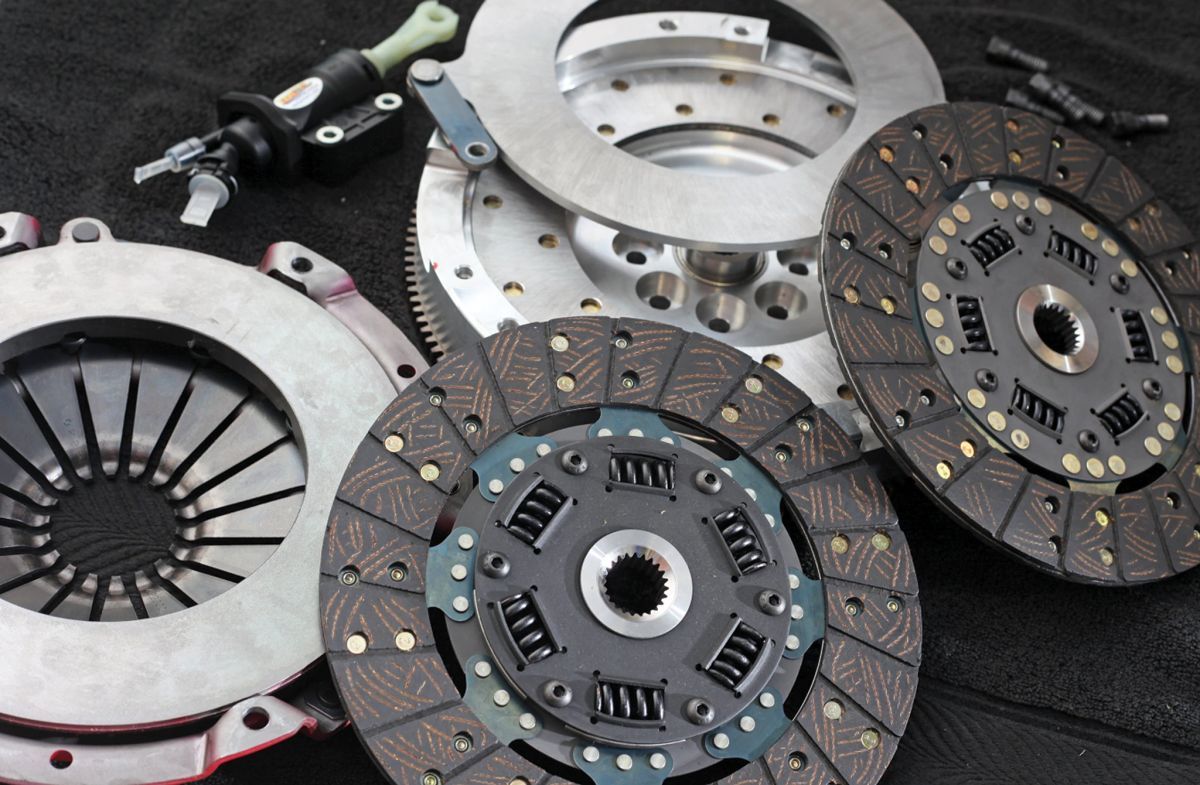
How to Tell If the Clutch Is Worn Out? How Is a Clutch Engagement Test Performed?
The clutch is one of the most important components in a manual-transmission vehicle. It transfers engine power to the transmission while also allowing the driver to disconnect the engine from the gearbox when changing gears or bringing the vehicle to a stop.
Over time, the clutch disc wears. Eventually, it may no longer be able to transfer engine torque effectively. This condition is commonly described as a worn-out clutch, although clutch wear can involve more than just the clutch disc. The pressure plate, release bearing, flywheel, and hydraulic or mechanical operating system can also develop problems.
One of the most recognizable signs of a worn clutch is clutch slipping. The engine RPM rises, but the vehicle does not accelerate at the same rate.
There are several ways to identify clutch wear, and a simple engagement test can provide useful information before removing any components.
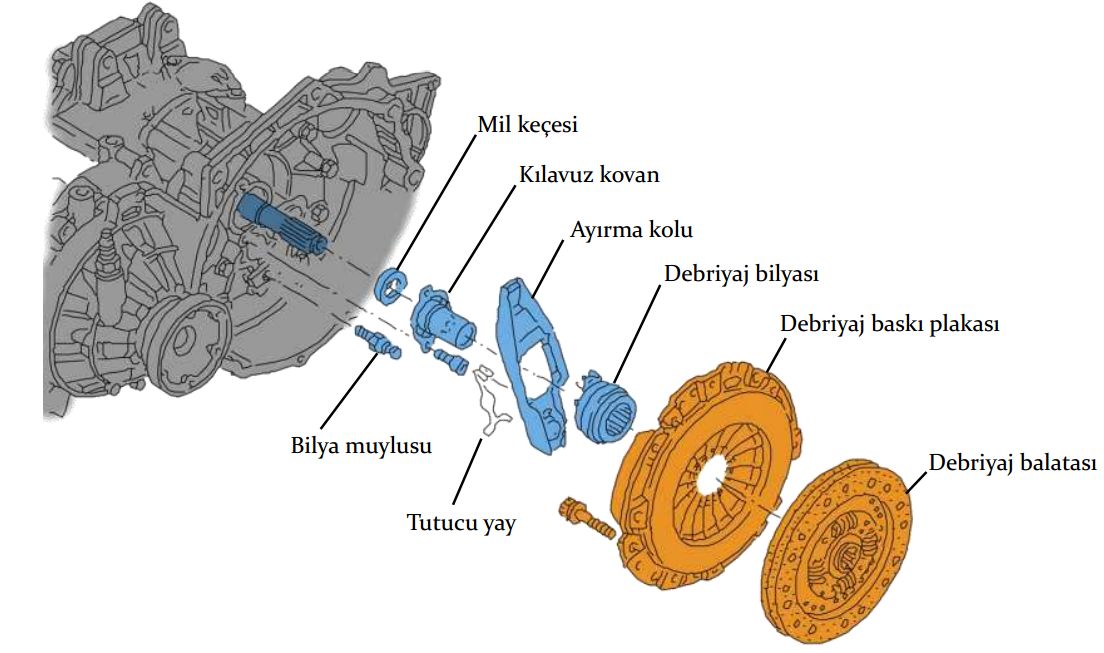
What Happens When the Clutch Wears Out?
The clutch disc contains friction material that allows it to grip the flywheel and pressure plate.
When the clutch pedal is released, the pressure plate clamps the clutch disc against the flywheel. Engine torque can then pass through the clutch into the transmission.
As the friction material wears, the clutch disc becomes less capable of maintaining a strong grip.
At first, the problem may only appear during:
-
Hard acceleration
-
High-gear acceleration
-
Hill climbing
-
Towing
-
Carrying heavy loads
As wear progresses, slipping can become noticeable during normal driving.
The Most Important Symptom: Engine RPM Rises Without Matching Acceleration
A slipping clutch creates a very characteristic symptom.
For example, you are driving in a higher gear and press the accelerator firmly. Instead of the vehicle accelerating normally, the engine RPM suddenly rises while the vehicle's speed increases much more slowly.
The engine is producing power, but the clutch is unable to transfer all of that power to the transmission.
This is one of the strongest indications that the clutch disc is worn.
The difference is particularly noticeable when accelerating at low engine RPM in a high gear.
Does a Worn Clutch Always Make Noise?
No.
A worn clutch disc can slip without making any unusual noise.
Noise is more commonly associated with other clutch components, such as:
-
Release bearing
-
Pilot bearing
-
Pressure plate
-
Flywheel
-
Clutch fork
Therefore, a quiet clutch can still be badly worn.
The absence of noise does not mean that the clutch is healthy.
Other Signs of a Worn Clutch
Clutch wear does not always appear as obvious slipping.
Other possible symptoms include:
The clutch engages very high
If the clutch begins to engage very close to the top of the pedal travel, significant wear may be present.
However, pedal position varies between vehicles, so this should be treated as a clue rather than definitive proof.
Burning smell
Repeated clutch slipping can generate considerable heat. A strong burnt-friction smell after acceleration, hill climbing, or maneuvering may indicate clutch overheating.
Difficulty accelerating
If the clutch slips heavily, the vehicle may struggle to transfer engine power to the wheels.
Judder during engagement
A worn or contaminated clutch can cause vibration or shudder when releasing the clutch pedal.
Difficulty moving off smoothly
The vehicle may shake or behave inconsistently when starting from a stop.
Difficulty changing gears
This can occur with clutch problems, particularly if the clutch is not fully disengaging. However, gearbox or synchronizer problems can produce similar symptoms.
What Is Clutch Slipping?
Clutch slipping occurs when the clutch disc cannot maintain sufficient friction against the flywheel and pressure plate.
Instead of transferring engine torque efficiently, the clutch partially slips.
The result is a mismatch between engine speed and vehicle speed.
A typical example is:
Engine RPM increases → clutch slips → vehicle acceleration remains limited
Slipping tends to become more noticeable when the engine produces high torque.
This is why a clutch may appear perfectly normal during gentle city driving but slip during aggressive acceleration.
Why Does the Clutch Slip More in Higher Gears?
Higher gears place a significant load on the clutch when the vehicle is accelerated.
If you select a high gear at relatively low speed and press the accelerator firmly, the engine produces substantial torque while the drivetrain is heavily loaded.
A weak clutch may not be able to hold this torque.
As a result, the engine RPM can rise suddenly.
This makes high-gear acceleration a useful real-world way of detecting clutch slipping.
How to Perform a Clutch Engagement Test
A basic clutch engagement test can be performed on a manual-transmission vehicle, but it should be done carefully.
A simple method is:
-
Start the engine.
-
Keep the vehicle stationary in a safe, open area.
-
Apply the parking brake firmly.
-
Depress the clutch pedal.
-
Select a high gear, depending on the vehicle and transmission.
-
Slowly release the clutch pedal without applying excessive accelerator input.
-
Observe how the engine and vehicle respond.
A healthy clutch should normally cause the engine to load heavily and stall if the parking brake is firmly applied and the clutch is released in a high gear.
If the engine continues running easily while the clutch is fully released and the vehicle does not respond as expected, clutch wear may be present.
However, this test is not a definitive diagnosis and should not be repeated unnecessarily, because deliberately forcing the clutch to slip can generate significant heat and accelerate wear.
An Easier Clutch Slip Test While Driving
A less aggressive test can be performed during normal driving.
Drive at a moderate speed in a relatively high gear.
Then press the accelerator firmly.
Watch the relationship between engine RPM and vehicle speed.
If the RPM rises rapidly but the vehicle does not accelerate proportionally, the clutch may be slipping.
For example, if the tachometer suddenly climbs while road speed increases only slowly, this is a strong indication that the clutch is not transferring torque properly.
The test should be performed safely, away from traffic and without exceeding legal speed limits.
What Does a Healthy Clutch Feel Like?
A healthy clutch generally provides predictable engagement.
When the clutch pedal is released:
-
The vehicle begins to move progressively.
-
Engine RPM responds normally to accelerator input.
-
There is no unexplained RPM flare.
-
There is no persistent burning smell.
-
Acceleration remains consistent.
-
Gear changes can be performed smoothly.
The exact pedal feel varies considerably from one vehicle to another, so drivers should become familiar with how their own clutch normally behaves.
A sudden change is often more meaningful than whether the pedal feels high or low compared with another vehicle.
What Does a Bad Clutch Feel Like?
A worn clutch may feel noticeably different.
You might experience:
-
Engine RPM increasing without proportional acceleration
-
A very high engagement point
-
Shudder when moving away
-
Burning smell
-
Inconsistent engagement
-
Poor power transfer
-
Difficulty getting the vehicle moving smoothly
If several of these symptoms occur together, clutch wear becomes more likely.
Can a Clutch Be Worn Without Slipping?
Yes.
A clutch can have significant wear but still transfer torque reasonably well under light driving conditions.
The driver may not notice slipping until the clutch is placed under greater load.
This is why a vehicle can appear completely normal during everyday commuting while showing obvious clutch problems when climbing a steep hill or accelerating hard.
What Causes Premature Clutch Wear?
A clutch is a wear component, but driving style has a major influence on its lifespan.
Common causes of premature wear include:
Holding the vehicle with the clutch
Using the clutch instead of the brake to hold the vehicle on an incline generates unnecessary friction.
Riding the clutch
Keeping the clutch pedal partially depressed allows the clutch to slip continuously.
Frequent hard acceleration
High torque loads can accelerate wear, particularly when the clutch is already weak.
Heavy traffic
Constant starting and stopping requires repeated clutch engagement.
Incorrect shifting technique
Poor clutch control can create unnecessary heat.
Heavy loads or towing
Additional vehicle weight increases drivetrain load.
Contamination
Oil or other fluids reaching the clutch disc can reduce friction and cause slipping.
Can Oil Cause a Clutch to Slip?
Yes.
If an engine rear main seal or transmission input shaft seal leaks, oil can potentially reach the clutch assembly.
A contaminated clutch disc may lose friction and begin slipping.
In such cases, replacing only the clutch disc without repairing the source of the leak may result in the new clutch becoming contaminated again.
When a clutch is removed, the flywheel and surrounding components should therefore be inspected for signs of fluid contamination.
Is the Pressure Plate Also Important?
Absolutely.
The clutch disc does not work alone.
The pressure plate provides the clamping force that presses the clutch disc against the flywheel.
If the pressure plate is weak, damaged, distorted, or overheated, the clutch may not be able to transmit the required torque even if the friction material on the disc is not completely worn out.
This is why a complete clutch repair commonly involves replacing the clutch disc and pressure plate together.
What About the Release Bearing?
The release bearing, also known as the throwout bearing, allows the clutch mechanism to operate when the pedal is pressed.
A failing release bearing can produce:
-
Whining
-
Grinding
-
Humming
-
Squealing
-
Noise that changes when the clutch pedal is pressed
A release-bearing problem is different from a worn clutch disc.
Replacing a clutch assembly often includes a new release bearing because the transmission has already been removed and the additional component cost is relatively small compared with the labor involved.
Can the Flywheel Cause Clutch Problems?
Yes.
The flywheel provides the friction surface against which the clutch disc operates.
A flywheel that is:
-
Overheated
-
Cracked
-
Distorted
-
Heavily scored
-
Covered with oil
can affect clutch engagement.
A dual-mass flywheel can also develop its own problems, including excessive play, vibration, rattling, or abnormal noise.
Therefore, replacing a worn clutch without checking the flywheel is not always sufficient.
Can a Hydraulic Clutch Cause Similar Problems?
Yes.
Some vehicles use a hydraulic clutch system instead of a traditional mechanical cable.
The system may include:
-
Clutch master cylinder
-
Hydraulic line
-
Clutch slave cylinder
-
Release mechanism
A hydraulic fault can prevent the clutch from fully disengaging.
This can cause:
-
Difficult gear engagement
-
Clutch drag
-
Grinding during gear selection
-
A clutch pedal that feels abnormal
These symptoms are different from classic clutch slipping.
A hydraulic problem should therefore be investigated before assuming the clutch disc itself is worn out.
Clutch Slipping vs Clutch Dragging
These two conditions are often confused.
Clutch slipping means the clutch cannot transfer engine torque effectively.
Typical symptom:
RPM rises, but acceleration does not match.
Clutch dragging means the clutch does not fully separate when the pedal is pressed.
Typical symptoms include:
-
Difficulty selecting first gear
-
Difficulty selecting reverse
-
Grinding when selecting a gear
-
Vehicle trying to move with the clutch fully depressed
The causes and repairs can be quite different.
How Can You Tell If the Clutch Is Completely Worn Out?
A clutch does not necessarily go from "good" to "completely failed" immediately.
Usually, wear progresses gradually.
Early symptoms may only appear during hard acceleration.
Later, slipping can occur during normal driving.
Eventually, the clutch may slip so severely that the vehicle becomes difficult or impossible to drive.
If the clutch slips badly enough that engine power is no longer reliably transferred to the wheels, replacement should not be delayed.
Can You Adjust a Worn Clutch?
It depends on the clutch system.
Older mechanical clutch systems may have an adjustment mechanism that controls cable or linkage free play.
However, adjustment does not restore friction material that has already worn away.
Modern hydraulic systems generally do not provide the same type of manual adjustment.
If the clutch disc itself is worn, adjustment cannot turn a worn disc into a new one.
How Long Does a Clutch Last?
There is no single mileage figure that applies to every vehicle.
Clutch lifespan can vary dramatically depending on:
-
Driving style
-
Traffic conditions
-
Vehicle weight
-
Engine torque
-
Manual transmission design
-
Towing
-
Hill driving
-
Driver experience
-
Quality of replacement components
One vehicle may require a clutch replacement relatively early, while another may continue for a much longer distance.
Mileage alone should not be used to determine whether a clutch needs replacement.
What Happens If You Continue Driving With a Slipping Clutch?
A mildly slipping clutch may continue to operate for some time, but the problem generally becomes worse.
Continued slipping generates heat.
That heat can damage or accelerate wear on:
-
Clutch disc
-
Pressure plate
-
Flywheel
-
Other clutch components
A clutch that initially slips only during hard acceleration may eventually begin slipping during ordinary driving.
In severe cases, the vehicle may lose the ability to transfer enough engine power to move effectively.
Should You Replace the Whole Clutch Kit?
In many cases, yes.
When the transmission is removed, replacing only one worn component may not make sense if the other clutch components have similar age and mileage.
A typical clutch kit may include:
-
Clutch disc
-
Pressure plate
-
Release bearing
Depending on the vehicle, the flywheel may also need inspection or replacement.
The exact repair strategy should be based on the condition of the individual components.
A Practical Way to Think About the Clutch Test
The key question is simple:
Does engine speed increase in proportion to vehicle speed?
If the answer is no, and RPM rises sharply without corresponding acceleration, clutch slipping should be investigated.
A basic engagement test can provide an additional clue, but it should not be treated as a substitute for professional diagnosis.
A technician can also inspect clutch pedal operation, hydraulic pressure, clutch travel, flywheel condition, and other components to determine the actual cause.
When Should the Clutch Be Replaced?
Replacement is generally justified when there is clear evidence of excessive slipping, severe judder, significant friction-material wear, contamination, or other confirmed clutch damage.
If the only symptom is a slightly high engagement point but the clutch does not slip and the vehicle performs normally, immediate replacement may not necessarily be required.
On the other hand, if RPM consistently rises without proportional acceleration, delaying the repair can increase the risk of damaging the flywheel and other components.
A Few Things to Remember
The clutch is a wear component, and some wear is inevitable. What matters is recognizing when normal wear has developed into a mechanical problem.
The strongest indication of a worn clutch is generally slipping under load. A noticeable increase in engine RPM without a corresponding increase in road speed is a classic sign.
The engagement test can help provide another clue, but it should be performed cautiously. Deliberately holding a vehicle against the parking brake with the clutch partially engaged creates heat and should not be repeated as a routine test.
If the vehicle shows repeated slipping, a burning smell, severe judder, difficulty engaging gears, or abnormal clutch noises, the clutch system should be inspected as a complete assembly rather than assuming that the clutch disc is the only component at fault.