TR
TR EN
EN

What Is a Tie Rod? What Are the Symptoms of Tie Rod Failure?
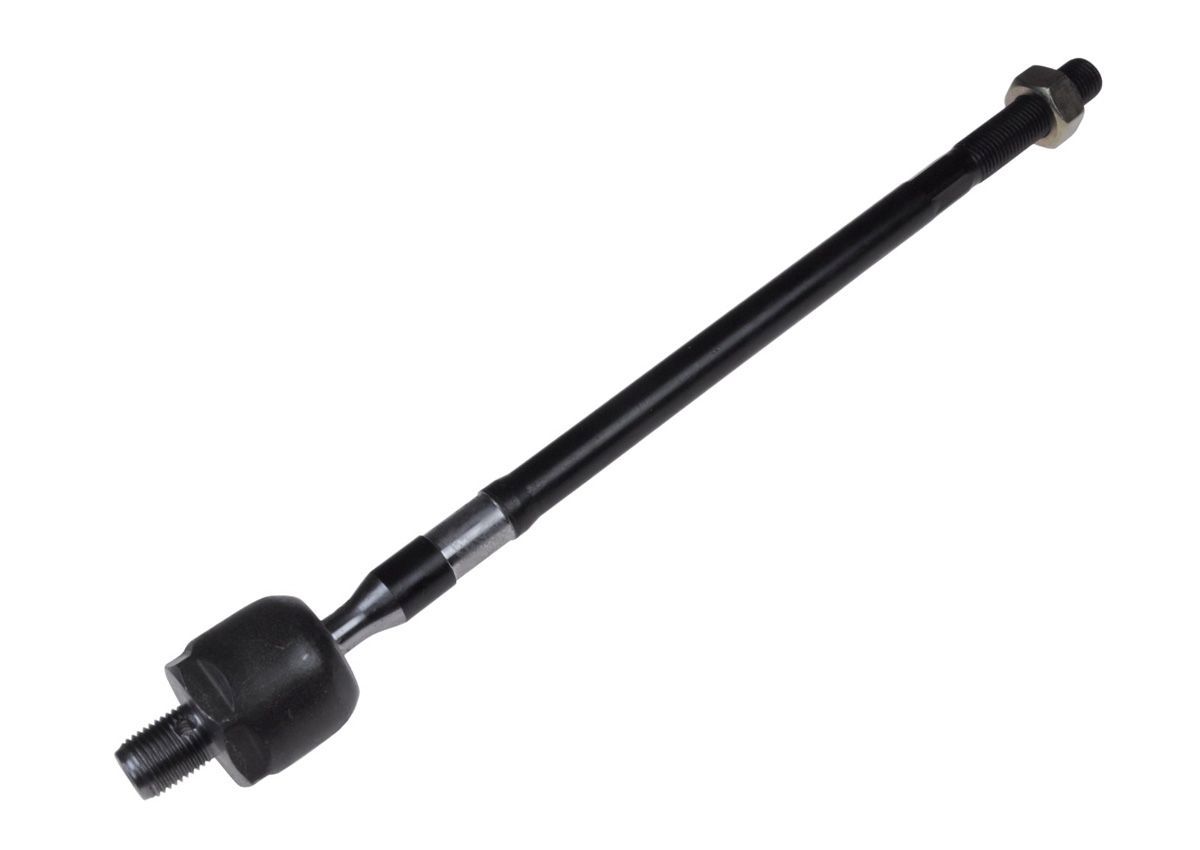
A tie rod is one of the key components of a vehicle’s steering system. It transfers the movement of the steering rack to the steering knuckle, allowing the front wheels to turn left or right when the steering wheel is rotated.
Because tie rods are directly involved in steering control, excessive wear or damage can affect steering precision, wheel alignment, tire wear, and ultimately driving safety.
What Does a Tie Rod Do?
The main job of the tie rod is to transmit the steering force generated by the steering rack to the front wheel assembly.
When you turn the steering wheel:
-
The steering rack moves laterally.
-
The tie rod transfers this movement toward the steering knuckle.
-
The steering knuckle changes the angle of the wheel.
-
The vehicle changes direction.
The tie rod therefore acts as the mechanical connection between the steering rack and the wheel.
Most modern steering systems use an inner tie rod and an outer tie rod end on each side.
Inner Tie Rod
The inner tie rod is connected to the steering rack. It moves with the rack and transfers its movement toward the outer portion of the steering linkage.
Outer Tie Rod End
The outer tie rod end connects the inner tie rod to the steering knuckle. It normally contains a ball-and-socket joint that allows the suspension and steering components to move while maintaining the steering connection.
What Is the Difference Between a Tie Rod and a Tie Rod End?
These two terms are often confused.
The tie rod generally refers to the steering linkage connecting the steering rack to the steering knuckle. The tie rod end is the joint at the outer end of this linkage.
In everyday automotive terminology, however, people sometimes use "tie rod" to describe the complete assembly.
The important point is that both the inner and outer portions can develop play or wear, and both should be inspected when steering problems occur.
What Are the Symptoms of a Bad Tie Rod?
Tie rod problems usually become noticeable through changes in steering behavior or unusual noises from the front suspension.
Common symptoms include:
-
Excessive steering play
-
Loose or vague steering
-
Knocking or clunking noises
-
Vehicle wandering while driving
-
Uneven tire wear
-
Steering wheel vibration
-
Poor wheel alignment
-
The vehicle pulling to one side
-
Instability when driving over bumps
-
A noticeable delay between steering-wheel movement and wheel movement
A worn tie rod does not necessarily produce all of these symptoms. In some cases, the only noticeable problem may be a slight knocking sound or increased steering play.
Excessive Steering Wheel Play
One of the most important symptoms is excessive steering wheel movement.
If the steering wheel can be moved several degrees before the front wheels respond, there may be excessive clearance somewhere in the steering system.
A worn tie rod joint is one possible cause.
However, steering play can also result from:
-
Worn steering rack components
-
Worn tie rod ends
-
Worn ball joints
-
Steering column joints
-
Other steering linkage components
Therefore, the tie rod should be inspected rather than automatically replaced.
Knocking or Clunking Noise
A worn tie rod end can produce a clicking, knocking, or clunking sound, particularly when:
-
Turning the steering wheel
-
Driving over potholes
-
Passing over speed bumps
-
Driving on rough roads
-
Making quick steering movements
The noise occurs because excessive clearance develops inside the joint.
A similar noise can also come from stabilizer links, control arms, ball joints, or other suspension components, so diagnosis is important.
Vehicle Wandering or Poor Steering Stability
A damaged or worn tie rod can make the vehicle feel less stable.
You may notice that the vehicle:
-
Wanders from its intended path
-
Requires constant steering corrections
-
Feels nervous at higher speeds
-
Does not respond immediately to steering input
This is particularly concerning because the tie rod is part of the mechanism that controls the direction of the front wheels.
Uneven Tire Wear
Tie rod wear can contribute to incorrect wheel alignment.
If the steering linkage develops excessive play, the actual wheel position can change while the vehicle is moving. This may alter the effective toe angle.
As a result, the tires may develop:
-
Inner-edge wear
-
Outer-edge wear
-
Feathering
-
Irregular tread wear
If a vehicle repeatedly develops alignment problems, the steering linkage should be inspected instead of simply performing another alignment.
Steering Wheel Vibration
A worn tie rod can sometimes contribute to steering-wheel vibration, especially when there is significant play in the steering linkage.
However, vibration is more commonly associated with issues such as:
-
Wheel imbalance
-
Bent wheels
-
Tire defects
-
Wheel bearing problems
-
Suspension wear
-
Brake disc problems
For this reason, vibration alone does not prove that the tie rod is defective.
What Causes Tie Rod Failure?
Tie rods are designed to withstand considerable loads, but they are exposed to road shock, moisture, dirt, and continuous steering movement.
Common causes of failure include:
Normal wear
The ball joint inside a tie rod end can gradually develop clearance as the vehicle accumulates mileage.
Damaged dust boot
The rubber boot protects the joint from water and contamination. If the boot cracks or tears, dirt and moisture can enter the joint and accelerate wear.
Potholes and impacts
Strong impacts from potholes, curbs, or road debris can bend or damage steering components.
Corrosion
Rust and corrosion can weaken the tie rod or its threaded sections, particularly in vehicles exposed to moisture, road salt, or poor road conditions.
Incorrect installation
Improper tightening, incorrect adjustment, or damage during previous repairs can contribute to premature failure.
How Is a Bad Tie Rod Diagnosed?
A proper inspection should begin with the vehicle safely lifted and the steering and suspension components checked for excessive movement.
A technician may inspect:
-
Inner tie rod joints
-
Outer tie rod ends
-
Dust boots
-
Steering rack connections
-
Ball joints
-
Control arms
-
Wheel bearings
-
Stabilizer links
The wheel may also be moved by hand to check for abnormal play.
If excessive movement is detected, the technician must determine exactly which component is responsible.
A visual inspection is also important. A torn dust boot, bent tie rod, damaged thread, or leaking component can provide useful evidence.
Can You Drive With a Bad Tie Rod?
Driving with a severely worn or damaged tie rod can be dangerous.
The tie rod is part of the steering system, so a major failure can result in a significant loss of steering control.
A vehicle should not be driven normally if there is:
-
Severe steering play
-
A visibly damaged or bent tie rod
-
A tie rod joint that is about to separate
-
Major knocking accompanied by loose steering
-
Sudden changes in steering behavior
If a serious steering problem is suspected, having the vehicle inspected or transported for repair is safer than continuing to drive it.
Does a Tie Rod Affect Wheel Alignment?
Yes.
Tie rods are directly involved in adjusting the toe angle of the front wheels.
When a tie rod or tie rod end is replaced, the effective steering geometry can change. For this reason, a wheel alignment should normally be checked after tie rod replacement.
Even if the vehicle appears to drive normally, incorrect toe can cause rapid or uneven tire wear.
Tie Rod vs Ball Joint
The two components have different functions.
The tie rod primarily transfers steering movement to the wheel.
The ball joint allows the steering knuckle to move with the suspension while maintaining its connection to the control arm.
Both can cause knocking noises, steering looseness, and alignment problems, which is why they can sometimes be confused during diagnosis.
Tie Rod vs Stabilizer Link
A stabilizer link connects the anti-roll bar to the suspension. Its main purpose is to control body roll during cornering.
A tie rod, on the other hand, is a steering component.
A worn stabilizer link may produce knocking over bumps, but it normally does not create the same type of steering play associated with a severely worn tie rod.
How Long Does a Tie Rod Last?
There is no universal replacement interval for tie rods.
Their service life depends on:
-
Road conditions
-
Vehicle mileage
-
Driving style
-
Suspension design
-
Quality of the replacement part
-
Exposure to water and corrosion
-
Frequency of pothole impacts
A tie rod can last for many years and a substantial mileage on a vehicle driven on good roads, while frequent impacts and poor road conditions can significantly shorten its life.
Should Both Tie Rods Be Replaced at the Same Time?
Not necessarily.
If only one side has excessive wear, replacing that defective component may be sufficient.
However, the tie rod on the opposite side should also be inspected because both sides have experienced similar mileage and road conditions.
Replacing both sides is sometimes reasonable when both show significant wear, but replacing a good component simply because the other side failed is not always necessary.
What Happens After Tie Rod Replacement?
After replacing a tie rod or tie rod end, the steering system should be checked carefully.
The technician should verify:
-
Correct installation
-
Proper fastener torque
-
Steering operation
-
Absence of abnormal play
-
Correct wheel alignment
-
Proper steering-wheel position
A wheel alignment is particularly important because changing tie-rod length or position can alter toe settings.
Conclusion
The tie rod is a critical steering component that connects the steering rack to the front wheel assembly and transfers steering movement to the wheels.
Knocking noises, excessive steering play, wandering, uneven tire wear, and vague steering can all indicate tie rod or tie rod end wear. However, several other steering and suspension components can produce similar symptoms.
Because tie rod failure can affect steering control, unusual steering behavior should not be ignored. A proper inspection should identify the exact source of the play before parts are replaced, followed by a wheel-alignment check when necessary.