TR
TR EN
EN

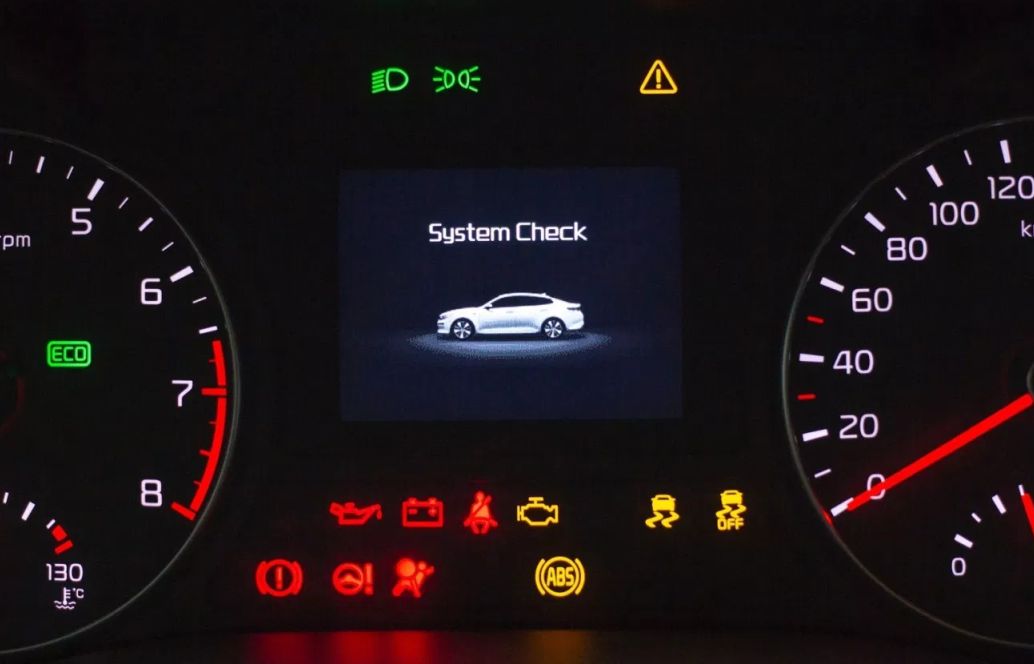
Important Car Warning Lights and Their Meanings
Modern cars are equipped with numerous warning lights that inform the driver about problems with the engine, brakes, electrical system, airbags, oil pressure, cooling system, and other important components.
Some warning lights indicate a relatively minor issue, while others can signal a serious problem that requires the vehicle to be stopped immediately. Knowing what these warning lights mean can help prevent expensive repairs and, more importantly, improve driving safety.
The color of the warning light is also important. Red warning lights generally indicate a serious problem that requires immediate attention, while yellow or amber lights usually indicate a fault or condition that should be checked as soon as possible. Green and blue lights are generally informational and indicate that a particular system is operating or active.
Red Car Warning Lights
Red warning lights should generally be taken seriously. Depending on the symbol, continuing to drive may cause mechanical damage or create a safety risk.
Engine Oil Pressure Warning Light
The oil pressure warning light is usually represented by an oil can symbol.
When this light comes on while the engine is running, it can indicate insufficient engine oil pressure.
Possible causes include:
-
Low engine oil level
-
Oil leakage
-
Failed oil pump
-
Blocked oil pickup
-
Incorrect or degraded engine oil
-
Worn engine bearings
-
Faulty oil pressure switch or sensor
If the oil pressure warning light remains on while the engine is running, it is generally advisable to stop the engine as soon as it is safe to do so.
Continuing to operate an engine with genuinely low oil pressure can cause severe internal engine damage.
Engine Coolant Temperature Warning Light
This warning light indicates that the engine coolant temperature is too high or that the cooling system has detected a problem.
Possible causes include:
-
Low coolant level
-
Cooling system leak
-
Failed radiator fan
-
Thermostat failure
-
Water pump problem
-
Blocked radiator
-
Cooling system air
-
Faulty temperature sensor
If the engine is overheating, continuing to drive can result in head gasket failure, cylinder head damage, or severe engine damage.
The vehicle should be stopped safely and allowed to cool before the cooling system is inspected.
Brake System Warning Light
The brake warning light can indicate a serious problem with the braking system.
Depending on the vehicle, it may illuminate because:
-
The parking brake is engaged
-
Brake fluid is low
-
There is a hydraulic brake system problem
-
A brake component has failed
A small decrease in brake fluid can occur as brake pads wear, but a rapidly falling fluid level may indicate a leak.
If the brake warning light remains illuminated after releasing the parking brake, the braking system should be checked immediately.
Battery and Charging System Warning Light
The battery warning light does not necessarily mean that the battery itself is defective.
It usually indicates a problem with the vehicle's charging system.
Possible causes include:
-
Alternator failure
-
Broken or slipping accessory belt
-
Faulty voltage regulator
-
Damaged charging cable
-
Poor electrical connection
-
Weak or damaged battery
If the alternator stops charging, the vehicle may continue running temporarily from battery power. Once the battery is discharged, however, the engine may stop and the vehicle may not restart.
Airbag Warning Light
The airbag warning light indicates a possible problem with the Supplemental Restraint System (SRS).
The system may include:
-
Airbags
-
Seat belt pretensioners
-
Crash sensors
-
Occupant sensors
-
SRS control module
-
Associated wiring
If the airbag warning light remains on, one or more components of the restraint system may not function correctly during a collision.
This warning should not be ignored.
Seat Belt Warning Light
The seat belt warning light reminds occupants to fasten their seat belts.
Depending on the vehicle, the system may also use an audible warning.
Some vehicles have passenger-seat occupancy detection, meaning the warning can appear when an occupied passenger seat does not have the seat belt fastened.
If the warning remains active even when the seats are empty, an occupancy sensor or seat belt switch may have a problem.
Door or Hood Open Warning Light
This warning indicates that a door, trunk, tailgate, or hood may not be properly closed.
It is important to address this warning before driving because an unsecured hood or door can create a safety hazard.
A faulty door switch or latch sensor can also cause the warning to remain on even when everything is properly closed.
Electronic Parking Brake Warning Light
Vehicles equipped with an electronic parking brake may display a warning when the system detects a malfunction.
Possible causes include:
-
Parking brake actuator failure
-
Electrical problems
-
Low battery voltage
-
Brake control module faults
-
Wiring problems
A malfunctioning electronic parking brake should be diagnosed promptly.
Yellow and Amber Warning Lights
Yellow or amber warning lights generally indicate that the vehicle has detected a fault or condition that should be investigated.
The vehicle may still be driveable, but ignoring the warning can allow a relatively small problem to become a major one.
Check Engine Light
The Check Engine Light, also known as the Malfunction Indicator Lamp (MIL), is one of the most familiar warning lights.
It can be triggered by problems involving:
-
Engine sensors
-
Fuel injection
-
Ignition
-
Emissions systems
-
Catalytic converter
-
Oxygen sensors
-
EVAP system
-
Turbocharging system
-
Throttle control
-
Exhaust gas recirculation
A steady Check Engine Light does not necessarily mean the engine is about to fail.
However, a flashing Check Engine Light can indicate a more serious problem, such as an active engine misfire that may damage the catalytic converter.
The correct way to determine the cause is to scan the vehicle for diagnostic trouble codes and then perform appropriate testing.
ABS Warning Light
The ABS warning light indicates a problem with the Anti-lock Braking System.
Possible causes include:
-
Failed wheel speed sensor
-
Damaged sensor wiring
-
ABS control module problem
-
Hydraulic unit fault
-
Low system voltage
-
Wheel bearing-related sensor problems
When the ABS warning light is illuminated, conventional braking may still function, but the anti-lock function may be unavailable.
The vehicle should be inspected, particularly if other brake-related warning lights are also illuminated.
Tire Pressure Warning Light
The tire pressure monitoring system (TPMS) warning light indicates that one or more tires may have insufficient air pressure.
Possible causes include:
-
Low tire pressure
-
Tire puncture
-
Slow air leak
-
Faulty TPMS sensor
-
TPMS system malfunction
-
Temperature-related pressure changes
Driving with incorrect tire pressure can affect:
-
Handling
-
Braking
-
Tire wear
-
Fuel consumption
-
Driving stability
The tire pressures should be checked and adjusted according to the manufacturer's specifications.
Traction Control Warning Light
The traction control warning light can indicate that the system is active or that a malfunction has been detected, depending on how the symbol behaves.
Traction control uses information from wheel-speed and other vehicle sensors to reduce wheel spin.
A fault can be caused by:
-
Wheel speed sensor failure
-
ABS system problems
-
Steering angle sensor problems
-
Wiring faults
-
Control module problems
If the light flashes briefly during acceleration on a slippery surface, the system may simply be operating normally.
If it remains illuminated continuously, the system may have been disabled because of a fault.
Electronic Stability Control Warning Light
Electronic Stability Control (ESC), also known as Electronic Stability Program (ESP) on some vehicles, helps maintain vehicle stability during cornering and sudden maneuvers.
The system can use information from:
-
Wheel speed sensors
-
Steering angle sensor
-
Yaw rate sensor
-
Lateral acceleration sensor
-
Brake system
-
Engine torque control
A flashing ESC light usually indicates that the system is actively intervening.
A continuously illuminated light may indicate a malfunction or that the system has been switched off.
Glow Plug Warning Light
The glow plug warning light is mainly found on diesel vehicles.
During cold starting, glow plugs heat the combustion chamber to help the engine start.
If the light remains on longer than expected or begins flashing while driving, there may be a problem with:
-
Glow plugs
-
Glow plug control module
-
Wiring
-
Diesel injection system
-
Engine management system
A flashing glow plug light can indicate an engine management fault rather than a glow plug problem alone.
Diesel Particulate Filter Warning Light
The DPF warning light indicates a problem or condition involving the Diesel Particulate Filter.
The filter collects soot from diesel exhaust gases. Under appropriate conditions, the engine management system performs regeneration to burn accumulated soot.
A DPF warning may appear when:
-
The filter has accumulated excessive soot
-
Regeneration has been interrupted repeatedly
-
Driving conditions have prevented regeneration
-
The DPF is becoming restricted
-
A related sensor or system has malfunctioned
Ignoring a DPF warning can eventually lead to severe restriction and expensive repairs.
AdBlue or Diesel Exhaust Fluid Warning Light
Modern diesel vehicles equipped with Selective Catalytic Reduction (SCR) systems may have an AdBlue or Diesel Exhaust Fluid warning.
The warning can indicate:
-
Low fluid level
-
Incorrect fluid
-
SCR system fault
-
NOx sensor problem
-
AdBlue injection problem
-
System malfunction
If the warning indicates that the fluid level is critically low, the vehicle may eventually prevent the engine from restarting after it is switched off.
EPC Warning Light
The EPC (Electronic Power Control) warning light is commonly associated with certain Volkswagen Group vehicles.
It can indicate a problem involving electronically controlled engine functions such as:
-
Throttle body
-
Accelerator pedal
-
Brake switch
-
Engine sensors
-
Electronic throttle control
-
Wiring
-
Engine management
An EPC warning can sometimes be accompanied by reduced engine power or limp mode.
The vehicle should be scanned for fault codes to identify the underlying problem.
Steering System Warning Light
The steering warning light can indicate a problem with the power steering system.
Depending on the vehicle, the system may use hydraulic or electric power assistance.
Possible causes include:
-
Low hydraulic fluid
-
Power steering pump failure
-
Electric power steering motor problem
-
Steering control module fault
-
Low battery voltage
-
Wiring problem
-
Steering angle sensor issue
A sudden loss of steering assistance can make the vehicle considerably harder to control.
Transmission Warning Light
Some vehicles have a dedicated transmission warning light or message.
It can indicate problems involving:
-
Transmission fluid
-
Transmission temperature
-
Solenoids
-
Mechatronic unit
-
Clutches
-
Transmission sensors
-
Internal mechanical components
-
Transmission control module
Depending on the severity of the fault, the transmission may enter limp mode and remain in a limited number of gears.
Ignoring repeated transmission warnings can increase repair costs.
Lane Departure and Driver Assistance Warnings
Modern vehicles can display warnings related to advanced driver assistance systems.
Examples include:
-
Lane departure warning
-
Lane keeping assist
-
Forward collision warning
-
Automatic emergency braking
-
Blind spot monitoring
-
Adaptive cruise control
These systems depend on cameras, radar sensors, ultrasonic sensors, and other components.
A warning may appear because a sensor is dirty or obstructed, but it can also indicate a genuine system malfunction.
Snow, heavy rain, mud, ice, or dirt can temporarily interfere with camera or radar operation.
Service Reminder Light
A service reminder is not necessarily an indication of a fault.
It may simply inform the driver that scheduled maintenance is due.
Depending on the vehicle, the service reminder can be related to:
-
Engine oil service
-
Routine inspection
-
Brake inspection
-
Filter replacement
-
Scheduled maintenance
The maintenance schedule specified by the manufacturer should be followed rather than waiting for a warning light to appear.
What Does a Flashing Warning Light Mean?
A flashing warning light can be more serious than a continuously illuminated light.
For example, a flashing Check Engine Light can indicate an active misfire that may damage the catalytic converter.
Similarly, a flashing traction or stability control light may indicate that the system is actively intervening.
The meaning depends on the specific warning symbol, so the owner's manual should always be consulted.
Can You Continue Driving With a Warning Light On?
There is no universal answer because the severity depends on the warning.
As a general rule:
Red warning light: Stop as soon as it is safe and determine the cause.
Yellow or amber warning light: The vehicle may remain driveable, but the problem should be diagnosed as soon as possible.
Flashing warning light: Treat the warning as potentially serious, especially if accompanied by loss of power, abnormal noises, overheating, smoke, or unusual vehicle behavior.
The owner's manual provides the most accurate instructions for the particular vehicle.
Why Is It Important Not to Ignore Warning Lights?
Warning lights are designed to alert the driver before or when a vehicle system develops a problem.
Ignoring them can turn a relatively inexpensive repair into a much larger one.
For example:
-
A low oil level can develop into engine damage.
-
A cooling system fault can lead to overheating.
-
A brake system problem can become a safety hazard.
-
A transmission fault can cause additional component damage.
-
An emissions problem can damage the catalytic converter.
-
A TPMS warning can indicate a punctured or dangerously underinflated tire.
Early diagnosis is usually safer and less expensive than waiting until the vehicle becomes undriveable.
How Should a Warning Light Be Diagnosed?
The correct diagnostic procedure depends on the warning light.
For electronically controlled systems, a diagnostic scanner can retrieve Diagnostic Trouble Codes (DTCs) from the relevant control module.
However, reading a code does not automatically identify the failed component.
For example, a sensor-related code does not always mean the sensor itself is defective. The wiring, connector, power supply, ground, mechanical system, or control module may also be responsible.
A proper diagnosis may therefore require:
-
Fault-code scanning
-
Live-data analysis
-
Electrical testing
-
Sensor testing
-
Wiring inspection
-
Mechanical inspection
-
Pressure testing
-
Component-specific tests
Final Thoughts
Car warning lights are an important communication system between the vehicle and the driver. Understanding their meanings can help identify problems early and prevent unnecessary damage.
The most important warning lights to take seriously include the oil pressure, coolant temperature, brake, battery/charging, airbag, and other red warnings. Yellow or amber warnings such as the Check Engine, ABS, TPMS, traction control, DPF, and transmission warnings should also be investigated rather than ignored.
Most importantly, do not diagnose a warning light based only on its symbol. Modern vehicles contain complex electronic systems, and the same warning can sometimes be triggered by several different faults.
When a warning light appears, checking the owner's manual and performing proper diagnostic testing is the safest way to determine what is actually wrong.