TR
TR EN
EN

How Is LPG Added to a Vehicle’s Registration Documents in Europe?
Installing an LPG system on a petrol vehicle is not simply a matter of fitting a tank, connecting the injectors, and driving away. Once the conversion is completed, the vehicle may also need to be technically approved and its registration records updated.
However, there is an important point to understand from the beginning: there is no single LPG registration procedure that applies identically across all European countries.
The European Union provides a common technical framework for vehicle systems, while each country determines how vehicle modifications are inspected, approved, and recorded in its own registration system.
LPG Conversion in Europe: The Basic Principle
When a petrol vehicle is converted to LPG, the conversion generally involves three separate issues:
-
The LPG system itself must meet the applicable technical requirements.
-
The installation must be suitable for the specific vehicle and engine.
-
The modification must be recognized by the national vehicle registration authority.
This means that having an LPG system installed does not automatically mean that the conversion is legally complete.
In practical terms, the process usually follows this general pattern:
LPG system approval → professional installation → technical inspection or approval → registration update
The exact procedure, however, depends on the country where the vehicle is registered.
Is There a Common European LPG Standard?
There is a common technical framework that is particularly important for aftermarket LPG conversions: UN/ECE Regulation No. 115, commonly referred to as R115.
R115 deals with the approval of specific LPG and CNG retrofit systems and their installation on compatible vehicles.
The important concept here is vehicle-system compatibility.
An LPG kit should not simply be considered suitable because it physically fits inside the engine bay. The retrofit system and its approved application need to correspond to the relevant vehicle and engine configuration.
This is especially important for modern vehicles because the LPG system has to work together with the original engine management system and emissions control strategy.
What Does R115 Mean for an LPG Conversion?
R115 is intended to ensure that an LPG or CNG retrofit system is technically suitable for its approved application.
Depending on the system and vehicle, the approval relates to matters such as:
-
The vehicle type
-
Engine configuration
-
LPG system components
-
Fuel system architecture
-
Emissions performance
-
Installation requirements
-
LPG tank and associated components
-
System identification and approval information
This creates an important distinction between an approved retrofit system and a generic LPG kit.
A conversion should therefore be approached as an approved technical modification rather than simply an aftermarket accessory.
Does Every European Country Register LPG in the Same Way?
No.
This is one of the most important points for vehicle owners.
Vehicle registration is primarily handled at national level. Therefore, Germany may have one procedure, Italy another, France another, and so on.
The documents may also use different terminology.
One country may require a technical inspection followed by an update of the registration certificate. Another may have a specific modification approval procedure. In another country, an authorized inspection organization may handle much of the technical approval process.
For this reason, information found online for one European country should not automatically be applied to another.
What Happens After the LPG System Is Installed?
The installation itself is only one part of the process.
After the LPG system has been installed, the vehicle may need to undergo a technical inspection or individual approval procedure.
During this process, authorities or authorized inspection organizations may verify that:
-
The LPG system is installed correctly.
-
The components correspond to the approved system.
-
The tank is correctly installed.
-
Fuel lines are properly routed and protected.
-
Connections are secure.
-
The installation does not create an unacceptable safety risk.
-
The system meets the applicable technical requirements.
-
The vehicle remains compliant with relevant emissions requirements.
The exact inspection procedure depends on the country.
LPG Tank Requirements Matter Too
The LPG tank is not treated simply as an ordinary fuel container.
Its type, identification, mounting, installation position, and compatibility with the rest of the LPG system are important.
The tank should be properly secured and protected against mechanical damage. Its technical identification must also remain available for inspection.
The same principle applies to the multivalve and other LPG components. Using incompatible or incorrectly approved components can create problems during technical inspection and may also create safety risks.
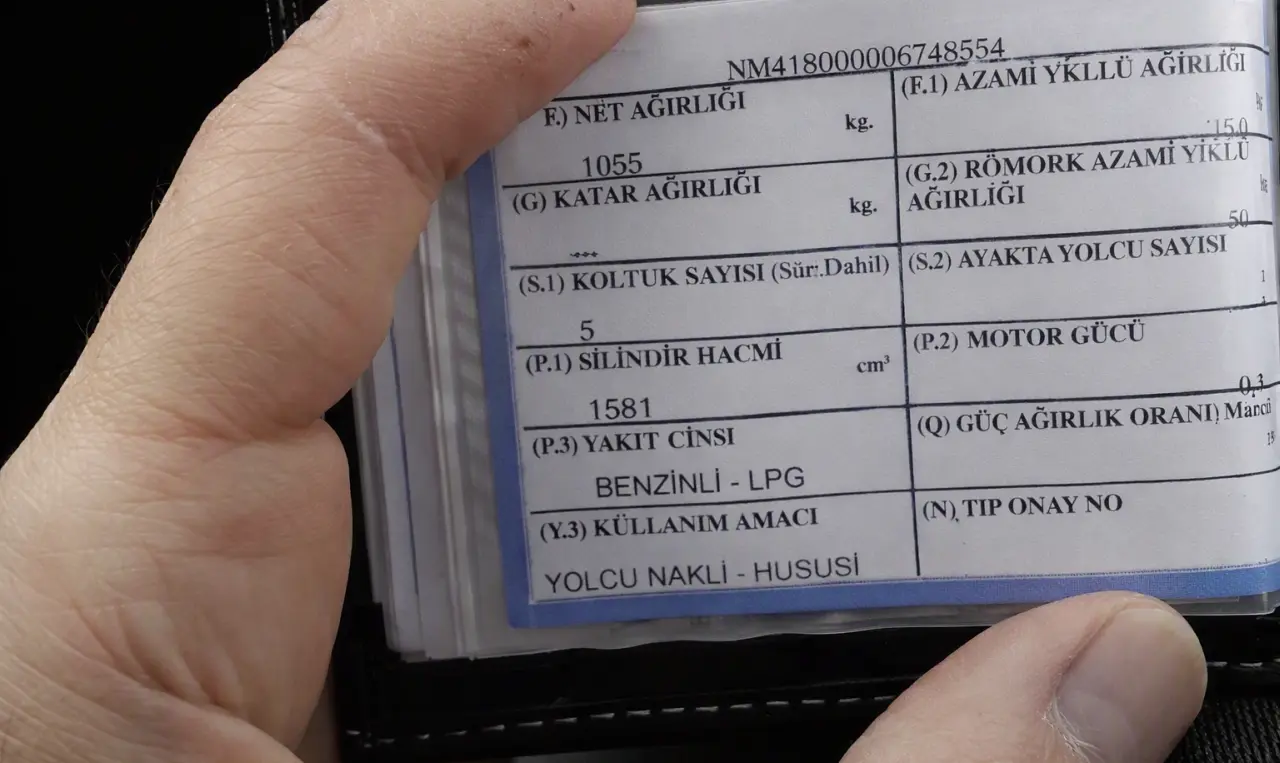
Does LPG Have to Be Mentioned on the Registration Certificate?
In countries where the fuel system modification must be formally registered, the vehicle's registration information needs to reflect the conversion according to national requirements.
However, the exact appearance of the information is not identical throughout Europe.
The registration document may identify the vehicle as LPG-powered, bi-fuel, or otherwise indicate the modified fuel system depending on the country's registration system.
The important point is that the conversion should not remain an undocumented modification when national law requires registration.
Why Is Registration Important?
Updating the vehicle records is not merely an administrative formality.
It creates a connection between the physical vehicle and its official technical information.
This can become important when:
-
The vehicle is sold.
-
The vehicle undergoes periodic inspection.
-
The vehicle is insured.
-
The vehicle is exported.
-
The vehicle is re-registered in another country.
-
Authorities check the vehicle's technical specifications.
-
The vehicle enters areas with LPG-specific restrictions.
An LPG system that exists physically on the vehicle but is not properly documented can therefore create problems later.
What About Periodic Vehicle Inspections?
LPG systems can also be checked during periodic inspections.
The inspection requirements vary between European countries, but LPG-related components can be examined for issues such as:
-
Damaged or corroded components
-
Poorly secured tank
-
Fuel-line problems
-
Leakage
-
Incorrect installation
-
Missing or unreadable identification information
-
Problems with the fuel system
-
Non-compliant modifications
A vehicle that passed its original inspection before LPG conversion may therefore need additional approval after the conversion, depending on national legislation.
Germany, Italy and France May Follow Different Procedures
It is tempting to search for “the European LPG registration procedure,” but this can be misleading.
The technical framework may be shared or based on common international regulations, while the administrative procedure remains national.
For example, an LPG conversion in Germany may involve a technical approval process through the country's inspection organizations and subsequent documentation changes.
Italy also has specific procedures concerning LPG/CNG conversions, including technical approval, registration and periodic inspection requirements.
France has its own national approach to vehicle modifications and registration.
The same general principle applies elsewhere:
The LPG system must comply with the applicable technical requirements, but the final registration procedure depends on the country.
Can You Install Any LPG Kit You Want?
This is where many conversion problems begin.
An LPG installer should not choose a system simply because it is inexpensive or physically compatible with the engine.
The important questions are:
Is the system approved for this vehicle?
Is the specific engine covered by the relevant approval?
Can the installer provide the required technical documentation?
Will the national inspection authority accept the conversion?
A system that works mechanically may still be unsuitable from a regulatory perspective.
What Documents Should the Vehicle Owner Keep?
After an LPG conversion, the owner should keep all documents associated with the installation and approval process.
Depending on the country, these may include:
-
LPG system approval information
-
Installation documentation
-
Vehicle-specific conversion documents
-
Tank identification information
-
Technical inspection documents
-
Approval certificates
-
Updated registration documentation
-
Invoices and maintenance records
Keeping these documents can make future inspections, ownership transfers, insurance procedures, or export operations much easier.
What Happens When an LPG Vehicle Is Sold?
The LPG conversion should already be reflected in the vehicle's official documentation if national law requires it.
This is particularly important when selling a converted vehicle because the buyer should be able to verify that the LPG system is a recognized modification rather than an undocumented installation.
A buyer should ideally check:
-
The registration information
-
LPG system documentation
-
Tank identification
-
Installation quality
-
Inspection history
-
Maintenance records
A properly documented conversion generally provides much more confidence than a vehicle with an LPG system whose origin and approval status are unclear.
What If the Vehicle Is Moved to Another European Country?
This can become more complicated.
A vehicle registered in one European country may be subject to another country's registration requirements when it is permanently imported and re-registered.
The fact that the LPG system was legally approved in the original country does not necessarily mean that the new country will simply copy the information without additional checks.
The authorities may request technical documentation proving that the LPG conversion complies with the applicable requirements.
This is one reason why keeping the original conversion and approval documents is particularly important when a vehicle is exported.
What Should LPG Vehicle Owners Check Before Conversion?
Before installing LPG, it is worth checking the legal and technical requirements rather than starting with the installer.
A sensible approach is:
First, identify the country in which the vehicle is registered.
Second, check which LPG retrofit systems are approved for the specific vehicle and engine.
Third, choose an installer who is familiar with the relevant national approval procedure.
Fourth, make sure the installer provides all required technical documentation.
Finally, complete the inspection and registration process before treating the conversion as fully legalized.
Is LPG Legal Across Europe?
Yes, LPG vehicles are widely used throughout Europe.
However, legality does not mean that every LPG conversion is automatically accepted.
The vehicle, retrofit system, installation, emissions performance, tank and documentation all matter.
There can also be additional national or local rules concerning parking garages, low-emission zones, inspections, taxation, and vehicle access.
Therefore, LPG ownership in Europe is perfectly normal, but the conversion needs to be carried out within the regulatory framework of the country concerned.
The Key Difference Between Europe and a Single-Country Procedure
The most important thing to remember is that Europe does not have one universal “LPG registration office” or one identical LPG paperwork process.
There is a broader technical framework, including UN/ECE regulations such as R115, but the actual procedure for approving and registering a modified vehicle is determined nationally.
So the practical formula is:
Approved LPG system + compliant installation + technical approval + national registration update
Once these steps are completed, the LPG conversion becomes part of the vehicle's official technical history rather than simply being an aftermarket modification installed on the car.
For anyone planning an LPG conversion in Europe, the safest approach is therefore to check the rules before the installation, not after it. The right LPG system, the right installer and the correct documentation can prevent much more complicated problems during inspection or registration later.