TR
TR EN
EN

What Is a Timing Chain? When Should It Be Replaced?
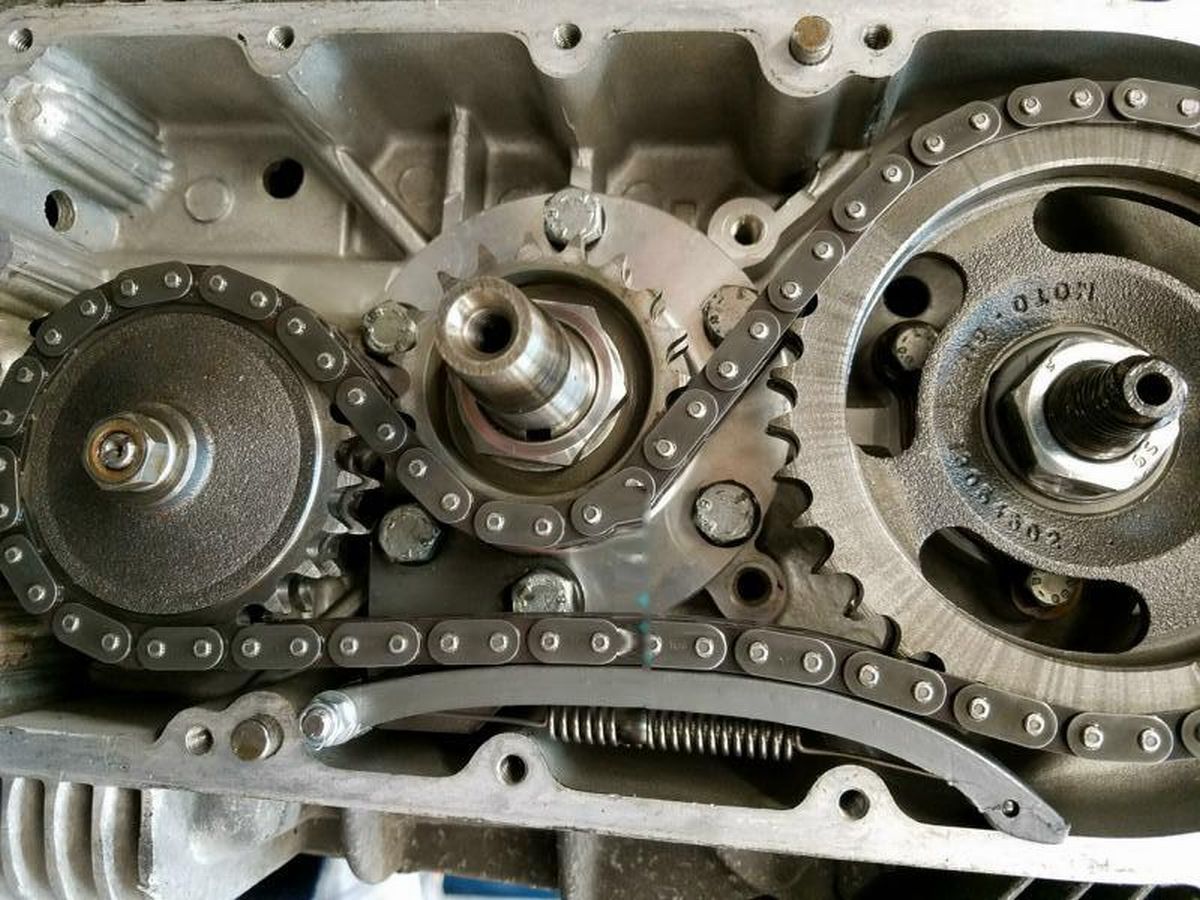
The timing chain is one of the most important components inside an internal combustion engine. It synchronizes the crankshaft and camshaft(s) so that the intake and exhaust valves open and close at exactly the right time.
Unlike a timing belt, which is made of reinforced rubber, a timing chain is made primarily from metal links. This makes it more resistant to heat and aging, but it does not mean that a timing chain lasts forever.
A worn or damaged timing chain can cause serious engine problems if it jumps out of position or breaks.
What Does a Timing Chain Do?
The crankshaft converts the pistons' up-and-down movement into rotational movement. The camshaft controls the opening and closing of the engine's valves.
These two components must remain precisely synchronized.
The timing chain transfers the rotational movement of the crankshaft to the camshaft while maintaining the correct timing relationship.
The system normally includes:
-
Timing chain
-
Chain guides
-
Chain tensioner
-
Crankshaft sprocket
-
Camshaft sprocket(s)
-
Oil-fed tensioning components
-
Variable valve timing components on some engines
If the chain becomes excessively loose or jumps a tooth, the camshaft timing changes.
This can cause poor engine performance, misfires, difficult starting, or in severe cases, contact between the pistons and valves.
Timing Chain vs. Timing Belt
The basic purpose of a timing chain and timing belt is the same: to synchronize the crankshaft and camshaft.
The main difference is their construction.
A timing belt is made from reinforced rubber and is generally replaced at a specified maintenance interval.
A timing chain is made from metal and is generally designed to last much longer.
However, there is an important misconception about timing chains:
"Timing chain means it never needs to be replaced."
This is not correct.
A timing chain can stretch or wear. The chain guides can crack or wear out, and the hydraulic tensioner can lose its ability to maintain proper tension.
The actual replacement interval depends on the engine design and manufacturer.
When Should a Timing Chain Be Replaced?
There is no universal timing-chain replacement interval for every car.
Some manufacturers specify an inspection or replacement interval, while others do not provide a routine replacement interval and instead expect the chain to last for a long portion of the engine's service life.
In many engines, a timing chain may last well beyond 150,000–200,000 km, and properly maintained engines can sometimes go considerably further.
But mileage alone should not determine whether a chain needs replacement.
The condition of the complete timing system is more important.
A chain may require replacement earlier because of:
-
Poor oil maintenance
-
Incorrect engine oil
-
Low oil pressure
-
Extended oil-change intervals
-
High engine operating temperatures
-
Worn chain guides
-
Faulty hydraulic tensioner
-
Poor-quality replacement parts
-
Excessive engine wear
Therefore, if the manufacturer does not specify a replacement interval, the correct approach is usually to inspect the timing system when symptoms or diagnostic evidence indicate wear, rather than replacing the chain simply because the vehicle has reached a certain mileage.
Symptoms of a Worn Timing Chain
A timing chain normally does not fail without giving some warning.
Possible symptoms include:
Rattling or metallic noise
A rattling sound from the timing-chain area, particularly during a cold start, can indicate a worn chain, guide, or tensioner.
Difficulty starting
If the chain has become sufficiently worn to alter valve timing, the engine may take longer to start or may fail to start.
Rough idle
Incorrect valve timing can cause unstable engine operation and a rough idle.
Loss of power
The engine may feel weak, particularly during acceleration.
Misfires
Incorrect camshaft timing can cause misfires and trigger Check Engine Light codes.
Poor fuel economy
Incorrect valve timing can reduce combustion efficiency and increase fuel consumption.
Check Engine Light
The ECU can detect an incorrect relationship between the crankshaft and camshaft position sensors.
Depending on the engine, diagnostic trouble codes related to crankshaft/camshaft correlation may appear.
Why Does a Timing Chain Stretch?
Technically, what is commonly called "chain stretching" is usually a combination of wear in the chain's pins, bushings, and related components rather than the metal simply becoming longer like a rubber band.
As these contact surfaces wear, the effective length of the chain increases.
This creates additional slack.
The tensioner attempts to compensate for this wear, but eventually it may reach the limit of its adjustment range.
At that point, camshaft timing can begin to deviate from its intended position.
The Importance of Engine Oil
Engine oil is extremely important for timing-chain longevity.
Many modern timing-chain systems use a hydraulic tensioner, which relies on engine oil pressure.
Dirty, degraded, incorrect, or insufficient oil can affect the operation of the tensioner.
Oil contamination can also accelerate wear of the chain and guides.
For this reason, regular oil changes are one of the best ways to extend timing-chain life.
Using the correct oil specification recommended for the specific engine is just as important as changing the oil at the appropriate interval.
What Happens If the Timing Chain Jumps?
If the timing chain jumps one or more teeth on its sprocket, the relationship between the crankshaft and camshaft changes.
The engine may then:
-
Run very roughly
-
Lose significant power
-
Misfire
-
Become difficult to start
-
Fail to start
On an interference engine, the situation can be much more serious.
If valve timing becomes sufficiently incorrect, an open valve can come into contact with a piston.
This can result in:
-
Bent valves
-
Damaged pistons
-
Damaged cylinder head
-
Broken valve components
-
Severe engine damage
This is why a suspected timing-chain problem should not be ignored.
Can a Timing Chain Break?
Yes.
Timing chains are more durable than timing belts in many applications, but they can still break.
A broken chain immediately destroys the synchronization between the crankshaft and camshaft.
In an interference engine, this can cause extensive internal damage.
However, chain failure is often preceded by symptoms such as abnormal rattling, timing-correlation faults, poor starting, or evidence of tensioner and guide failure.
Does Every Timing Chain Need to Be Replaced With the Same Parts?
No.
Replacing only the chain is not always the correct repair.
If the timing system has significant wear, the repair may need to include:
-
Timing chain
-
Chain tensioner
-
Chain guides
-
Sprockets, where worn
-
Related seals and gaskets
-
Other timing components specified by the manufacturer
Replacing only a worn chain while leaving a damaged tensioner or badly worn guides in place can result in another failure.
This is why the complete timing system should be inspected before deciding what needs to be replaced.
How Is Timing Chain Wear Diagnosed?
A mechanic can use several methods depending on the engine.
These may include:
-
Listening for abnormal timing-chain noise
-
Checking camshaft/crankshaft correlation codes
-
Monitoring live diagnostic data
-
Checking specified timing values with a scan tool
-
Measuring chain-related components according to manufacturer procedures
-
Inspecting the tensioner
-
Inspecting the chain and guides mechanically when necessary
A diagnostic scan can provide useful clues, but a fault code alone does not prove that the timing chain itself is defective.
For example, a camshaft/crankshaft correlation problem can sometimes be caused by a faulty sensor, variable valve timing actuator, wiring problem, low oil pressure, or another mechanical issue.
Should You Replace a Timing Chain Preventively?
This depends on the engine.
If the manufacturer specifies a replacement interval, following that schedule is the safest approach.
If there is no scheduled replacement interval, replacing a perfectly healthy timing chain solely because the vehicle has reached a particular mileage may not be necessary.
Preventive replacement becomes more reasonable when there is evidence of:
-
Increasing chain noise
-
Tensioner problems
-
Guide deterioration
-
Excessive chain slack
-
Timing-correlation errors
-
Known engine-specific timing-chain weaknesses
-
Poor previous maintenance
The manufacturer's service information should always take priority over a generic mileage recommendation.
How Much Does Timing Chain Replacement Cost?
The cost varies enormously between vehicles.
The chain itself may not be particularly expensive, but accessing the timing system can require many hours of labor.
The total cost depends on:
-
Engine design
-
Vehicle model
-
Labor time
-
Number of timing components
-
Parts quality
-
Whether the engine must be partially disassembled
-
Whether additional damage has occurred
A timing-chain replacement can therefore range from a relatively manageable repair on a simple engine to a very expensive job on a modern engine with limited access.
If the chain has already jumped and caused valve damage, the repair can become dramatically more expensive.
How Can You Make a Timing Chain Last Longer?
There are several things you can do to extend its service life:
-
Change engine oil on schedule.
-
Use the manufacturer's specified oil grade and specification.
-
Never allow the engine oil level to become dangerously low.
-
Investigate unusual rattling noises immediately.
-
Do not ignore Check Engine Light warnings.
-
Repair low oil-pressure problems promptly.
-
Use quality replacement parts.
-
Follow the manufacturer's maintenance recommendations.
The most important factor is proper lubrication.
A timing chain operates inside the engine and depends heavily on the condition of the lubrication system.
Final Verdict
A timing chain is designed to be a long-life engine component, but it is not a lifetime component in the absolute sense.
There is no single mileage such as 100,000, 150,000, or 200,000 km at which every timing chain must be replaced.
Some engines have a specified replacement interval, while others are designed around condition-based inspection.
If your vehicle has a timing chain, pay attention to cold-start rattling, abnormal engine noise, difficult starting, rough running, loss of power, misfires, and camshaft/crankshaft correlation faults.
When these symptoms appear, the entire timing system should be diagnosed rather than immediately replacing the chain based on mileage alone.
A well-maintained engine with regular oil changes can give a timing chain a very long service life. Conversely, neglected oil changes, incorrect oil, low oil pressure, and worn tensioners or guides can significantly shorten its life.