TR
TR EN
EN

What Is a Radiator Hose? What Are the Symptoms of Failure?
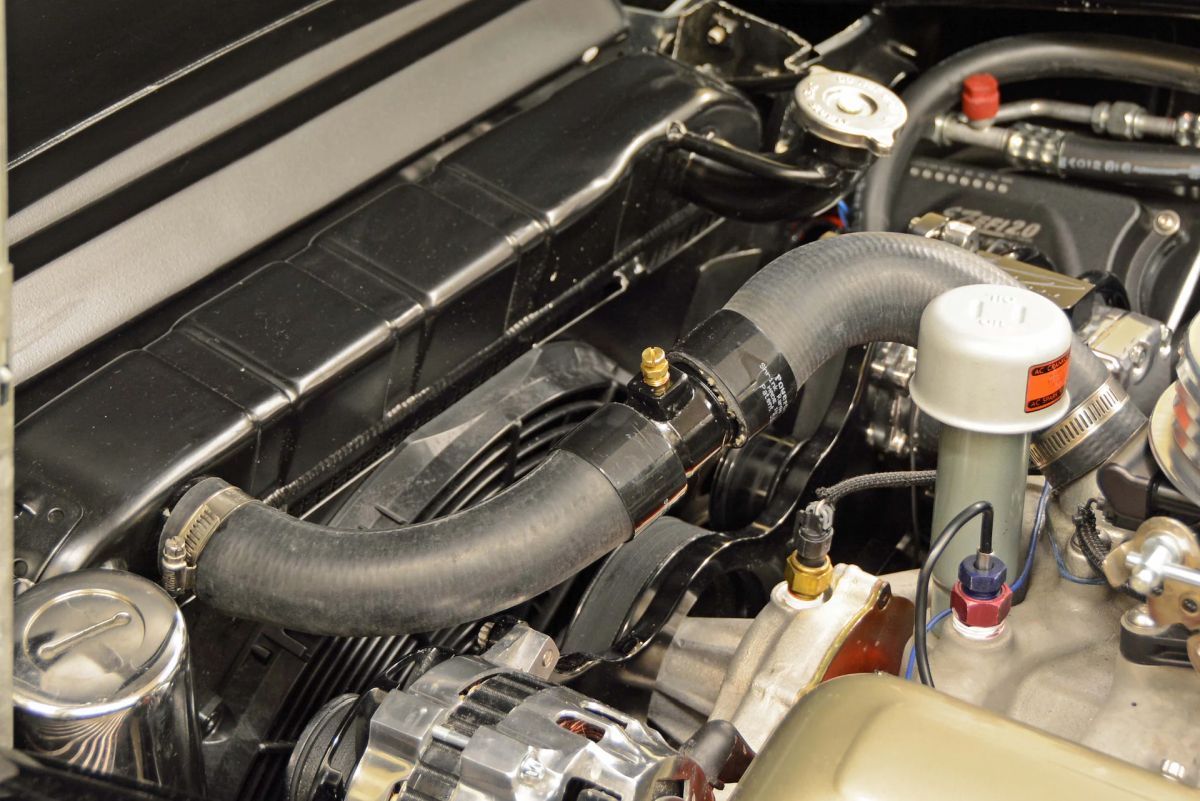
A radiator hose is a flexible component that allows coolant to circulate between the engine and the radiator. It is an important part of the vehicle's cooling system and helps maintain the engine within its proper operating temperature.
During combustion, the engine generates a tremendous amount of heat. To prevent overheating, coolant circulates through passages inside the engine and absorbs this heat.
The radiator hoses provide the connection that allows this coolant to move safely between the engine and radiator.
Most vehicles have two main radiator hoses:
-
Upper radiator hose: Usually carries hot coolant from the engine to the radiator.
-
Lower radiator hose: Usually carries cooled coolant from the radiator back toward the engine.
However, the number, shape, and routing of the hoses can vary considerably depending on the vehicle's cooling-system design.
How Does a Radiator Hose Work?
The cooling system operates as a circulating loop.
While the engine is running, the water pump moves coolant through the system. The coolant absorbs heat as it passes through the engine.
When the thermostat reaches its operating temperature, it allows coolant to flow through the radiator.
The hot coolant enters the radiator, where heat is transferred to the radiator fins and surrounding airflow. The cooled coolant then returns toward the engine.
The radiator hoses are essential connections within this circulation path.
Why Is the Radiator Hose Important?
A radiator hose may look like a simple rubber component, but it operates under demanding conditions.
It is exposed to:
-
High temperatures
-
Cooling-system pressure
-
Continuous temperature changes
-
Engine vibration
-
Engine movement
-
Chemical exposure to coolant and antifreeze
Over time, the rubber or elastomer material can deteriorate. A hose may become hard, soft, swollen, cracked, or structurally weak.
What Are the Symptoms of a Bad Radiator Hose?
A damaged radiator hose can produce several warning signs.
Common symptoms include:
-
Coolant leakage
-
Repeated coolant loss
-
Cracks on the hose
-
Swelling or bulging
-
Excessive hardness
-
Excessive softness
-
Bubbles or blisters on the surface
-
Flattening or collapsing
-
Kinks or abnormal bends
-
Leakage around the connections
-
Rising engine temperature
-
Engine overheating warning
-
Steam from the engine compartment
-
Antifreeze smell
-
Hose rupture
-
Rapid loss of coolant
If one or more of these symptoms appears, the cooling system should be inspected.
What If the Radiator Hose Is Leaking?
Coolant leakage is one of the most common radiator hose problems.
A leak can develop in different areas, including:
-
A crack in the hose body
-
A damaged hose end
-
Around a hose clamp
-
At the radiator connection
-
At the engine connection
A small leak can gradually become much larger.
Some leaks are difficult to detect when the engine is cold because the cooling system is not yet pressurized. As the engine warms up and system pressure increases, the leak may become much more obvious.
What If the Radiator Hose Is Swollen?
A radiator hose that has become noticeably swollen should be taken seriously.
Possible causes include:
-
Age-related deterioration
-
Loss of material strength
-
Excessive temperature
-
Excessive cooling-system pressure
-
Incorrect hose material
-
Internal hose deterioration
However, simply replacing a swollen hose may not always solve the underlying problem.
The reason for excessive cooling-system pressure should also be investigated.
For example, a faulty thermostat, radiator cap, water pump, or another cooling-system problem may contribute to abnormal pressure conditions.
What If the Radiator Hose Becomes Very Hard?
Radiator hoses normally become somewhat firm when the engine reaches operating temperature because the cooling system is pressurized.
However, a hose that becomes extremely hard or remains unusually hard when the engine is completely cold should be investigated.
Possible causes include:
-
Aging hose material
-
Loss of elasticity
-
Abnormally high cooling-system pressure
-
Incorrect hose specification
-
Other cooling-system problems
-
In some cases, combustion gases entering the cooling system
However, a hard radiator hose alone is not enough to diagnose a blown head gasket.
Other tests and symptoms must be considered.
What If the Radiator Hose Becomes Too Soft?
An old or deteriorated hose may become excessively soft, spongy, or easily deformed.
Possible causes include:
-
Material deterioration
-
Excessive heat exposure
-
Chemical degradation
-
Incorrect coolant
-
Oil contamination
-
Long-term aging
A hose can sometimes appear acceptable from the outside while its internal structure has already weakened.
What If the Radiator Hose Collapses?
A lower radiator hose that collapses inward, particularly after the engine cools down, can have several possible causes.
This does not automatically mean that the head gasket has failed.
As coolant cools, its volume decreases and a vacuum can develop within the cooling system. The radiator cap or expansion-tank recovery system is designed to manage this pressure and allow coolant to return as necessary.
Possible causes of a collapsed hose include:
-
Faulty radiator cap
-
Expansion-tank recovery problem
-
Restricted hose
-
Damaged internal hose reinforcement
-
Abnormal cooling-system vacuum
The cooling system should be inspected rather than assuming a single cause.
What Happens If a Radiator Hose Bursts?
If a radiator hose suddenly bursts, a large amount of coolant can be lost within a very short period.
This can cause:
-
Rapid engine temperature increase
-
Overheating warning
-
Steam from the engine compartment
-
Engine power reduction
-
Engine shutdown
-
Serious engine damage
Continuing to drive after a major coolant loss can cause severe overheating.
If a hose bursts, the vehicle should be stopped safely and the engine allowed to cool. The cooling system should not be opened while it is hot and pressurized.
Why Do Radiator Hoses Fail?
There is no universal mileage at which every radiator hose must be replaced. Hose life depends on the vehicle, material, operating temperature, coolant condition, and driving conditions.
Common causes of failure include:
Age
Rubber gradually hardens and loses its flexibility.
High temperature
Constant exposure to engine-compartment heat accelerates material deterioration.
Cooling-system pressure
The hose is repeatedly exposed to system pressure throughout its service life.
Chemical deterioration
Incorrect or incompatible coolant can damage certain hose materials.
Oil contamination
Engine oil and other petroleum-based fluids can deteriorate some rubber compounds.
Vibration and rubbing
A hose that continuously contacts another component can develop external wear and eventually leak.
Incorrect installation
A hose that is twisted, kinked, incorrectly positioned, or installed with the wrong clamp can fail prematurely.
How Do You Inspect a Radiator Hose?
A visual inspection is a useful first step.
Look for:
-
Cracks
-
Cuts
-
Swelling
-
Flattening
-
Excessive hardness
-
Excessive softness
-
Surface wear
-
Dried coolant residue
-
Oil contamination
-
Leakage around clamps
-
Damage around connection points
The hose should be inspected when the engine is cool.
Never remove the radiator cap or interfere with a pressurized cooling system while the engine is hot.
What Should You Check When Replacing a Radiator Hose?
The replacement hose must be suitable for the specific vehicle.
Important factors include:
-
Hose diameter
-
Hose shape
-
Temperature resistance
-
Pressure resistance
-
Material
-
Connection design
-
Correct routing
The hose clamps should also be inspected. An old, damaged, or weakened clamp can cause a leak even when a new hose has been installed correctly.
After replacement, the cooling system should be refilled using the manufacturer's recommended procedure and properly bled if required.
Does Replacing a Radiator Hose Require New Coolant?
Not necessarily.
Some coolant will normally be lost when a radiator hose is removed. Depending on the condition and age of the coolant and the extent of the repair, the system may need to be topped up or completely refilled.
The replacement coolant should meet the vehicle manufacturer's specification.
Simply adding plain water is generally not an appropriate long-term solution because the cooling system also requires the correct corrosion and freeze protection.
Will a Radiator Hose Problem Appear on an OBD Scanner?
Usually, not directly.
A radiator hose is a mechanical component, and the ECU generally cannot directly monitor whether the hose itself is damaged.
However, a major hose leak can cause coolant loss and overheating, which may lead to other fault codes involving:
-
Engine coolant temperature
-
Cooling-system operation
-
Thermostat performance
-
Engine protection strategies
An OBD fault code therefore does not automatically prove that the radiator hose itself has failed.
Is a Radiator Hose the Same as a Heater Hose?
No.
Both components carry engine coolant, but they serve different parts of the cooling system.
Radiator hoses are generally part of the main coolant circuit between the engine and radiator.
Heater hoses carry coolant to and from the heater core inside the vehicle.
A leak in either type of hose can cause coolant loss and potentially lead to engine overheating.
Can You Drive With a Bad Radiator Hose?
Driving with a damaged radiator hose is not recommended, even if the leak initially appears small.
A small crack can suddenly become a major rupture, resulting in rapid coolant loss and overheating.
The vehicle should not be driven if:
-
Coolant is actively leaking
-
The hose is badly swollen
-
The hose is cracked
-
Engine temperature is rising
-
The overheating warning is illuminated
-
Steam is coming from the engine compartment
-
The hose appears close to bursting
Continuing to drive without sufficient coolant can cause serious damage to the cylinder head, head gasket, pistons, and other engine components.
Final Thoughts
A radiator hose is one of the essential components of a vehicle's cooling system, providing a flexible connection that allows coolant to circulate between the engine and radiator.
Cracks, swelling, excessive hardness, excessive softness, coolant leakage, collapsing, and sudden rupture are all potential signs of radiator hose deterioration.
However, replacing the hose alone is not always enough. If a hose has become unusually swollen or hard, the cooling-system pressure and related components should also be checked.
The radiator cap, thermostat, water pump, coolant condition, and other cooling-system components can contribute to abnormal temperature or pressure conditions that damage the hose.
A radiator hose may be a relatively inexpensive component, but its failure can quickly turn into a serious engine problem if coolant is lost and overheating occurs.