TR
TR EN
EN

Why Does the Brake Warning Light Come On?
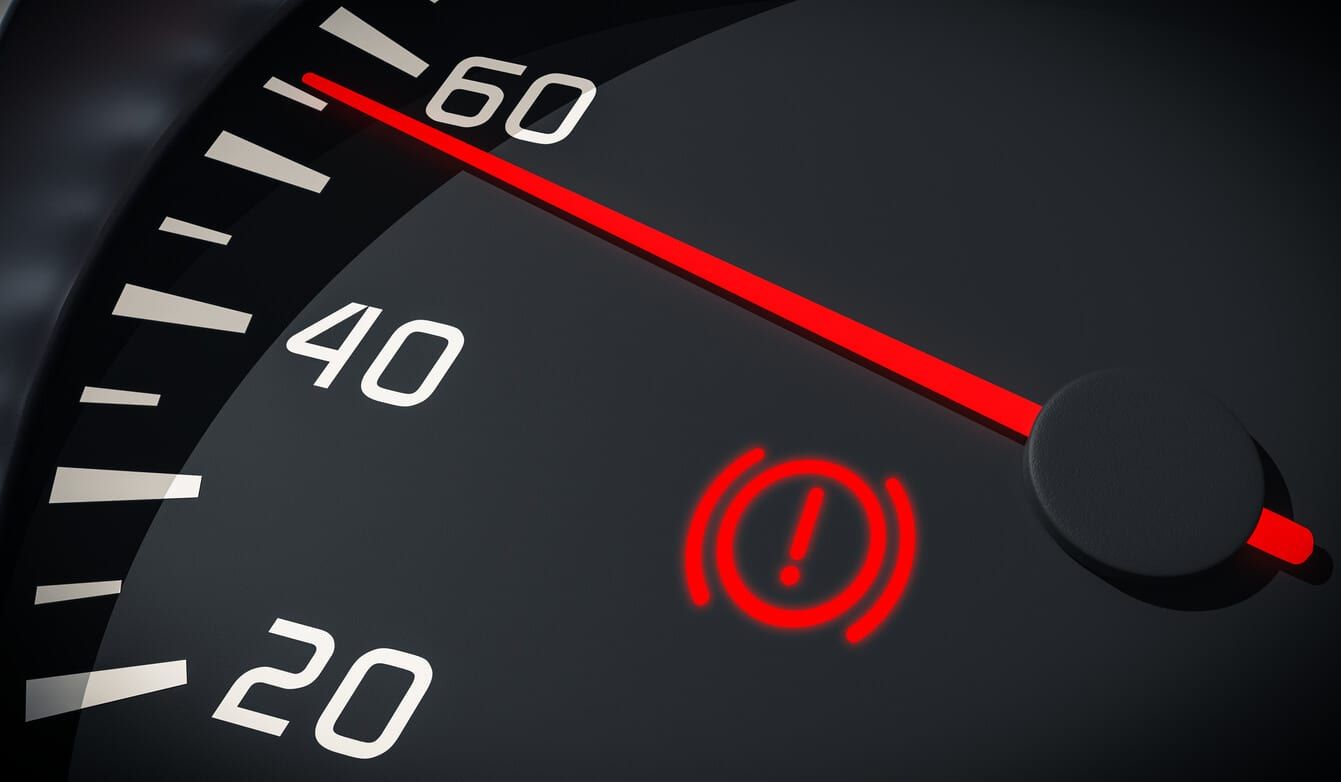
The brake warning light is one of the most important warning indicators on a vehicle's dashboard. It can illuminate when the parking brake is applied, when the brake fluid level is low, or when the vehicle detects a problem in the braking system.
A brake warning light does not always mean that the brake pads are worn out. The exact meaning depends on the vehicle and the warning symbol being displayed.
A red brake warning light deserves particular attention because some causes can directly affect braking performance and driving safety.
The Most Common Reasons for a Brake Warning Light
The parking brake is applied
The simplest explanation is that the parking brake has not been fully released.
Many vehicles use the same red brake warning indicator to show that the parking brake is engaged. After releasing the parking brake completely, the warning light should normally turn off.
If the light remains illuminated after the parking brake is fully released, another problem should be investigated.
Low brake fluid level
A low brake fluid level is one of the most important reasons for a brake warning light.
The brake fluid level can gradually decrease as brake pads wear because the caliper pistons move farther outward. However, a significant or sudden loss of brake fluid should not be considered normal.
Possible causes include:
-
Severely worn brake pads
-
A brake fluid leak
-
A leaking brake caliper
-
A damaged brake hose
-
A leaking brake line
-
A problem with the master cylinder
If the brake fluid level is very low, simply adding more fluid is not enough. The reason for the low level must be determined.
A Brake Fluid Leak Can Trigger the Warning Light
The hydraulic braking system needs sufficient brake fluid to generate the pressure required for braking.
Leaks can develop around the master cylinder, brake calipers, wheel cylinders, brake hoses, metal brake lines, or their connections.
A small leak may initially cause only a warning light. As the leak becomes worse, however, the brake pedal may become soft and braking performance may decrease.
If the brake warning light is accompanied by a soft pedal or visible fluid leakage, the vehicle should not be driven until the braking system has been inspected.
Does a Worn Brake Pad Turn On the Brake Warning Light?
Not necessarily.
Some vehicles have brake pad wear sensors. When the pads reach a specified wear level, the vehicle may display a dedicated brake pad warning.
However, not every vehicle uses a separate wear sensor, and brake pad wear does not necessarily activate the red brake warning light.
Therefore, it is incorrect to assume:
Brake warning light on = brake pads definitely worn out.
The brake pads should be physically inspected before deciding what needs to be replaced.
Brake Pad Wear Can Lower the Brake Fluid Level
There is a connection between brake pad wear and brake fluid level.
As brake pads become thinner, the caliper pistons move farther outward. This increases the amount of fluid occupying the hydraulic circuit and can cause the level in the reservoir to drop.
This does not automatically mean there is a leak.
However, if the level is significantly below the recommended mark, the complete brake system should be checked before simply adding fluid.
What If the Brake Pedal Becomes Soft?
A brake warning light combined with a soft or spongy brake pedal should be taken seriously.
A normal brake pedal should provide consistent resistance. If the pedal suddenly travels farther than usual, feels unusually soft, or approaches the floor, possible causes include:
-
Air in the hydraulic system
-
Low brake fluid
-
A hydraulic leak
-
A failing master cylinder
-
A brake hose problem
-
Another hydraulic brake system fault
If pumping the brake pedal temporarily makes it feel firmer, the braking system still requires inspection. Pumping the pedal is not a permanent repair.
Brake Warning Light and ABS Light On Together
If the brake warning light appears together with the ABS warning light, the problem may involve the electronic braking system.
Possible causes include:
-
ABS wheel speed sensor problems
-
ABS hydraulic unit faults
-
ABS pump problems
-
Brake pressure sensor faults
-
Wiring or connector problems
-
Low battery voltage
-
ABS control module faults
-
Low brake fluid level
An ABS fault does not always mean that the vehicle has completely lost its basic hydraulic braking capability. However, ABS and other electronic braking functions may be unavailable.
The vehicle should therefore be diagnosed as soon as possible.
Why Does the Brake Warning Light Flash?
A brake warning light that flashes intermittently can sometimes indicate a brake fluid level that is close to the minimum mark.
When the vehicle accelerates, brakes, turns, or travels on an incline, the fluid inside the reservoir can move. If the level is already low, the sensor may intermittently detect the condition.
This can explain why the warning appears only during certain driving conditions.
An intermittent warning should not simply be ignored. The brake fluid level and the entire system should be inspected.
Can a Brake Fluid Level Sensor Cause the Warning?
Yes.
The brake fluid reservoir commonly contains a level sensor. If the sensor, connector, or wiring develops a fault, the warning light may come on even when the actual fluid level is acceptable.
Possible electrical problems include:
-
A defective level sensor
-
Corroded connector terminals
-
Damaged wiring
-
Poor electrical contact
-
A problem in the instrument cluster
The sensor should not automatically be replaced just because the warning light is on. The actual brake fluid level and hydraulic system should be checked first.
Electrical Problems Can Also Cause Brake Warnings
Modern vehicles use several electronic systems to monitor braking functions.
Low battery voltage, charging-system problems, damaged wiring, poor grounds, sensor faults, or communication problems between control modules can sometimes produce brake-related warnings.
If several warning lights appear simultaneously, the problem may not be limited to the mechanical brake components.
A proper diagnostic scan of the ABS/ESC system may be necessary.
How Should a Brake Warning Light Be Diagnosed?
The first step is to make sure the parking brake is completely released.
Next, the brake fluid level should be checked according to the vehicle manufacturer's procedure.
The braking system should then be inspected for obvious signs of leakage. Areas around the brake calipers, hoses, metal brake lines, master cylinder, and wheels may provide useful clues.
The brake pedal should also be evaluated.
If the vehicle has ABS, ESC, or other electronic braking systems, the relevant control modules should be scanned for diagnostic trouble codes.
A basic engine ECU scan may not reveal every fault affecting the braking system. A diagnostic tool capable of communicating with the ABS/ESC module may be required.
Should You Add More Brake Fluid?
If the brake fluid level is genuinely low, the correct fluid specified by the vehicle manufacturer may need to be added.
However, topping up the reservoir should not be treated as the complete repair.
For example, if there is a hydraulic leak, adding fluid only restores the level temporarily. The fluid will continue to escape and the braking system can eventually lose hydraulic pressure.
The correct brake fluid specification is also important. Different types of brake fluid should not be mixed randomly.
Can You Drive With the Brake Warning Light On?
It depends on why the light is illuminated, but an unexplained red brake warning light should always be treated seriously.
A parking brake that has not been fully released is very different from a warning caused by a hydraulic leak.
Do not continue driving if you notice:
-
A very low brake fluid level
-
A soft or sinking brake pedal
-
Visible brake fluid leakage
-
Reduced braking performance
-
A major change in pedal feel
-
The brake warning light together with the ABS warning light
-
Unusual braking behavior
In these situations, the vehicle should be safely stopped and inspected rather than driven normally.
Brake Warning Light vs. Check Engine Light
The brake warning light and check engine light indicate different systems.
The check engine light is generally associated with the engine, emissions, and related powertrain systems. The brake warning light is associated with the braking system, parking brake, brake fluid level, or electronic braking functions.
For this reason, reading engine fault codes alone does not necessarily identify the cause of a brake warning.
The appropriate brake and ABS control modules may need to be diagnosed separately.
Why Does the Brake Warning Light Stay On?
It is normal for some dashboard warning lights to illuminate briefly when the ignition is switched on as part of the vehicle's self-check.
After the engine starts and the parking brake is released, the brake warning light should normally turn off.
If it stays illuminated, possible causes include:
-
Parking brake switch problems
-
Low brake fluid
-
Brake fluid leakage
-
A brake fluid level sensor fault
-
Hydraulic brake system problems
-
ABS/ESC-related faults
-
Electrical or wiring problems
The exact cause should be determined instead of simply clearing the warning.
Final Thoughts
A brake warning light should never be treated as an unimportant dashboard message.
It can be caused by something as simple as an applied parking brake, but it can also indicate low brake fluid, hydraulic leakage, a sensor problem, or another braking-system fault.
The warning light itself does not identify a specific failed component. The brake fluid level, brake pads, hydraulic system, sensors, wiring, ABS/ESC system, and brake pedal operation may all need to be considered.
Most importantly, if the red brake warning light is accompanied by a soft brake pedal or reduced braking performance, the vehicle should not be driven until the braking system has been properly inspected.