TR
TR EN
EN

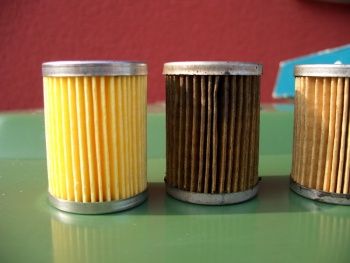
When Should an LPG Filter Be Replaced?
The LPG filter is one of the most important maintenance components in an LPG fuel system. Its main purpose is to reduce the amount of particles, oily residues, and other contaminants reaching the LPG regulator and, especially, the LPG injectors.
When the filter is not replaced on time, problems related to LPG flow and fuel delivery may occur. In modern sequential LPG systems, a contaminated filter can also negatively affect injector operation.
So, how often should an LPG filter be replaced, and how can you tell when it needs to be changed?
How Many Kilometers Does an LPG Filter Last?
There is no single replacement interval that applies to every LPG vehicle. The recommended interval depends on the LPG system, filter type, fuel quality, vehicle usage, and the manufacturer's maintenance schedule.
For many LPG systems, filter inspection and replacement are commonly included in periodic maintenance at around 10,000–20,000 km. However, some manufacturers may specify shorter or longer intervals.
The manufacturer's maintenance recommendation for the specific LPG system should therefore be considered the primary reference.
It would not be correct to say that every LPG filter must be replaced exactly at 10,000 km regardless of the vehicle or LPG system.
Why Is the LPG Filter Important?
The LPG filter may be a relatively small and inexpensive maintenance part, but it plays an important role in the operation of the fuel system.
A clean filter helps reduce the amount of contamination reaching the injectors.
As the filter becomes contaminated, however, deposits can accumulate and gas flow may become restricted.
This can potentially result in:
-
Restricted LPG flow
-
LPG pressure-related problems
-
Poor injector operation
-
Rough engine operation on LPG
-
Loss of power during acceleration
-
Increased LPG consumption
-
Switching from LPG back to gasoline
-
Check Engine Light activation
These symptoms are not exclusive to a dirty LPG filter. Regulator problems, injectors, sensors, incorrect calibration, and ignition problems can cause similar symptoms.
What Happens When an LPG Filter Gets Dirty?
The main purpose of the filter is to protect the LPG system from contaminants. As it becomes increasingly dirty, resistance to gas flow can increase.
This may become more noticeable under high engine load.
For example, the vehicle may idle normally but lose power or hesitate when accelerating strongly. One possible reason is that a restricted filter cannot provide sufficient LPG flow when the engine demands more fuel.
However, the filter should not automatically be blamed. LPG pressure should also be checked during diagnosis.
Symptoms That May Indicate an LPG Filter Needs Replacement
A contaminated or restricted LPG filter can cause several symptoms.
Loss of power on LPG
The vehicle may feel noticeably weaker on LPG than on gasoline, particularly during uphill driving or high engine load.
Hesitation during acceleration
When the accelerator is pressed more aggressively, insufficient LPG flow can cause hesitation or a temporary loss of response.
Switching from LPG to gasoline
Some LPG systems automatically switch back to gasoline when they detect abnormal pressure or fuel-supply conditions.
A restricted filter can contribute to this situation, but the regulator, pressure sensor, and other components should also be checked.
Changes in LPG consumption
A dirty filter does not always directly increase fuel consumption. However, if restricted flow affects injector operation, pressure, or calibration, fuel consumption may change.
Therefore, increased fuel consumption alone is not enough to prove that the LPG filter needs replacement.
Rough operation on LPG
If the engine runs normally on gasoline but becomes rough after switching to LPG, the filter, injectors, regulator, and calibration should be considered during diagnosis.
The Relationship Between the LPG Filter and LPG Injectors
One of the most important functions of the LPG filter is protecting the injectors.
If filter maintenance is neglected for a long time, contaminants can reach the injectors. These contaminants may accumulate inside the injector's sensitive moving mechanism and affect its opening and closing behavior.
As a result:
-
Injectors may deliver different amounts of LPG.
-
One cylinder may operate differently from the others.
-
Rough idle may occur.
-
Misfires may develop.
-
LPG consumption may change.
For this reason, if LPG injectors become contaminated, simply cleaning or replacing them may not be enough. The filter and the possible source of contamination should also be investigated.
Is It Enough to Replace Only the LPG Filter?
Not always.
The condition of the entire LPG system can be checked during filter replacement.
This is especially important if the old filter is found to be excessively dirty or oily.
Depending on the situation, the following components may also need to be inspected:
-
LPG regulator
-
LPG pressure
-
Injectors
-
LPG lines
-
MAP/pressure sensor
-
Filter housing and connections
If an underlying source of contamination remains, a new filter may become contaminated again relatively quickly.
Does Replacing the LPG Filter Reduce Fuel Consumption?
Replacing the filter does not automatically reduce fuel consumption.
If the filter is severely contaminated and is restricting LPG flow, replacing it may restore normal fuel delivery and improve overall system operation.
In some cases, this can help bring fuel consumption back toward normal if the restricted filter was contributing to incorrect fuel delivery.
However, high LPG consumption can also be caused by:
-
Incorrect LPG calibration
-
Excessive regulator pressure
-
Faulty LPG injectors
-
MAP/pressure sensor problems
-
Oxygen sensor problems
-
Ignition problems
-
Intake or vacuum leaks
-
Engine-related problems
Therefore, replacing the filter alone will not solve every fuel-consumption problem.
What Happens If the LPG Filter Is Not Replaced?
A filter that remains in service for too long can gradually become more contaminated.
Depending on the system and operating conditions, this may eventually contribute to:
-
Restricted LPG flow
-
High-load performance loss
-
Misfires on LPG
-
Rough engine operation
-
Injector contamination
-
LPG pressure problems
-
Automatic switching back to gasoline
-
Changes in fuel consumption
If the filter becomes severely restricted, normal LPG operation can become difficult.
Can an LPG Filter Be Cleaned and Reused?
As a general maintenance practice, an LPG filter should normally be replaced with a suitable new filter rather than cleaned and reused.
The filter is a consumable component designed to capture contaminants and remove them from the fuel path. Even if the outside of the filter appears clean, this does not mean its filtering capacity has returned to its original condition.
The correct replacement filter specified for the LPG system should therefore be used.
Is Replacing an LPG Filter Difficult?
The procedure depends on the filter type and the design of the LPG system.
Sequential LPG systems can use different filter arrangements. Some systems have a gas-phase filter, while others may also use a liquid-phase filter. Certain systems can have more than one filtration element.
For this reason, when someone says “LPG filter,” it is important to determine which filter is actually installed in the vehicle.
LPG is a pressurized and flammable fuel, so filter replacement should be performed using the appropriate equipment and procedure.
Disconnecting LPG lines without proper precautions is not a suitable DIY procedure.
Does the LPG System Need Calibration After Filter Replacement?
Not every filter replacement requires LPG calibration.
If the filter is simply being replaced as part of routine maintenance and the LPG pressure and operating parameters remain within the correct range, recalibration may not be necessary.
However, if the vehicle already had pressure or mixture-related problems before the filter was replaced, LPG pressure, injector opening times, and fuel trims can be checked afterward.
The LPG calibration map should not be changed unnecessarily simply because the filter has been replaced.
Are Gas-Phase and Liquid-Phase LPG Filters the Same?
No.
LPG systems can use different types of filters depending on their design and operating configuration.
The liquid-phase filter is located in the part of the system where LPG is still in liquid form.
The gas-phase filter is generally positioned after the regulator and helps filter LPG before it reaches the injectors.
Not every LPG system uses exactly the same filtration arrangement, so the filter configuration of the specific vehicle should be identified before maintenance.
Common Mistakes During LPG Filter Replacement
One common mistake is to focus only on replacing the filter without checking why the old filter became excessively contaminated.
For example, if the old filter contains an unusually large amount of oil or debris, simply installing a new filter may provide only a temporary solution.
The source of the contamination should be investigated.
Another important point is using the correct filter. A low-quality or unsuitable filter should not be installed simply because it physically fits the housing.
The filter direction, connections, sealing components, and installation procedure should also be correct for the particular LPG system.
What Is the Best Approach to LPG Filter Replacement?
The best approach is not to wait for a problem to appear or to follow a single mileage figure blindly. Instead, the LPG system manufacturer's maintenance interval and the vehicle's operating conditions should be considered together.
Under normal conditions, the LPG filter is usually inspected and replaced as part of periodic LPG maintenance. Vehicles that accumulate high mileage, operate extensively in heavy traffic, or are exposed to inconsistent fuel quality may require closer monitoring.
The condition of the old filter can also provide useful diagnostic information. If it contains excessive oil, sludge, or debris, the regulator and other components should be inspected rather than simply installing a new filter and ignoring the cause.
In short, the LPG filter is a small maintenance component, but it plays an important role in protecting LPG injectors and maintaining proper fuel flow. Replacing it at the appropriate interval reduces the risk of injector contamination and helps the LPG system operate correctly. However, if the vehicle has misfires, power loss, poor acceleration, or excessive fuel consumption on LPG, the filter should not automatically be considered the only cause. The regulator, LPG pressure, injectors, sensors, ignition system, and calibration should also be evaluated as part of a proper diagnosis.