TR
TR EN
EN

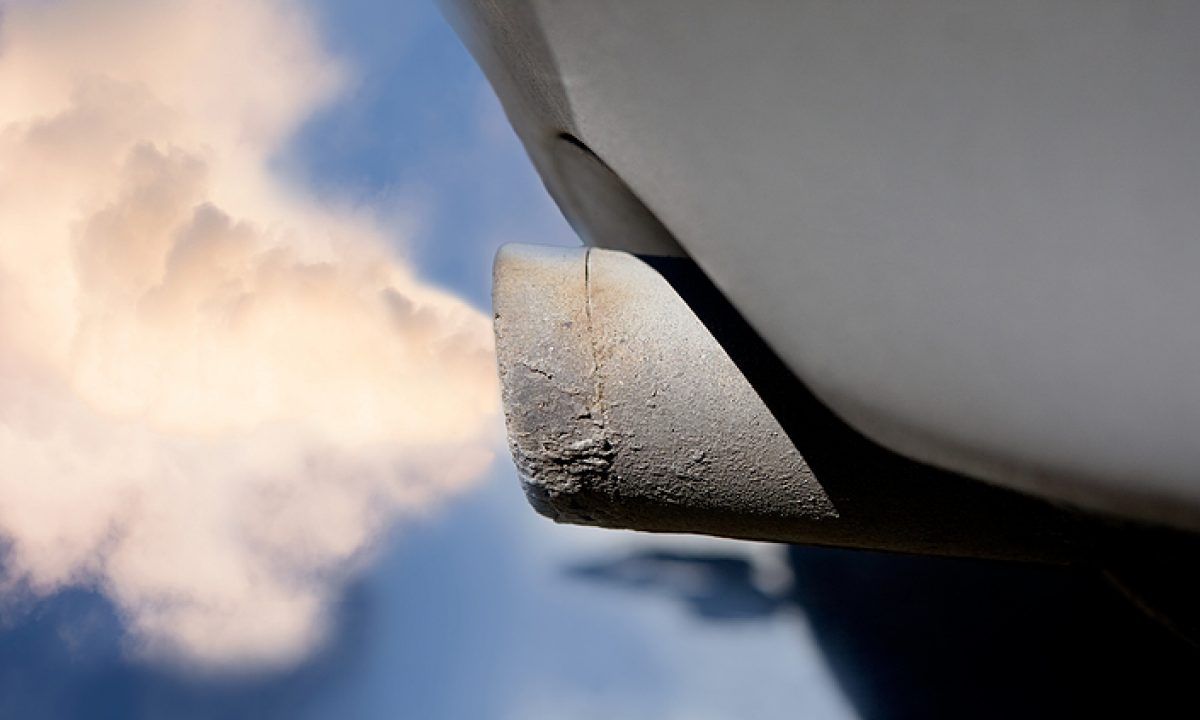
What Is Engine Backfire? What Causes Backfire?
Engine backfire is a condition in which the air-fuel mixture ignites at the wrong time or in the wrong location within the engine or intake/exhaust system. Depending on where the combustion occurs, backfire can produce a loud popping or banging sound from the intake system, exhaust system, or sometimes both.
Backfire is not a normal operating condition. A single occasional pop does not always mean that a major engine component has failed, but repeated backfire should be investigated because it can be caused by ignition, fuel, air, timing, valve, or engine-management problems.
Understanding where the backfire occurs is one of the most important steps in finding the cause.
What Exactly Happens During Engine Backfire?
A gasoline engine is designed to ignite the air-fuel mixture inside the combustion chamber at a precisely controlled moment.
Normally, the sequence is carefully coordinated:
-
Air and fuel enter the cylinder.
-
The intake valve closes.
-
The mixture is compressed.
-
The spark plug ignites the mixture.
-
Combustion pushes the piston downward.
-
Exhaust gases leave through the exhaust valve.
If ignition occurs when an intake valve is still open, combustion can travel backward into the intake manifold. This can cause an intake backfire.
If unburned fuel reaches the exhaust system and ignites there, the result is an exhaust backfire or afterfire. This is often heard as popping or banging from the exhaust.
Therefore, the term "backfire" is commonly used for several different combustion problems, even though their causes may be different.
Intake Backfire vs Exhaust Afterfire
Intake backfire
An intake backfire occurs when combustion travels into the intake manifold or intake system.
Possible signs include:
-
A loud bang from the engine's intake side
-
Airbox or intake hose popping
-
Engine hesitation
-
Sudden loss of power
-
Engine stalling
-
Difficult starting
-
Damaged or displaced intake hoses
-
A popping sound during acceleration
This type of backfire is often associated with ignition occurring at the wrong time or a serious lean-mixture problem.
Exhaust afterfire
Exhaust afterfire occurs when unburned fuel enters the exhaust system and ignites there.
Possible signs include:
-
Popping from the exhaust
-
Loud bangs during deceleration
-
Flames from the exhaust in severe cases
-
Strong fuel smell
-
Misfire
-
Check Engine Light
-
Poor engine performance
An exhaust pop does not automatically mean the exhaust system itself is defective. The original problem may be occurring much earlier in the combustion process.
What Are the Most Common Causes of Engine Backfire?
There is no single component responsible for every backfire problem. Several different systems can create similar symptoms.
The most common causes include:
-
Incorrect ignition timing
-
Ignition system faults
-
Lean air-fuel mixture
-
Rich air-fuel mixture
-
Fuel injector problems
-
Vacuum leaks
-
Incorrect valve timing
-
Valve problems
-
Faulty crankshaft or camshaft position sensors
-
Weak ignition coils
-
Defective spark plugs
-
Fuel pressure problems
-
Incorrect ECU calibration
-
Exhaust leaks
-
Poor-quality fuel
-
Engine modifications
-
Incorrect installation of timing components
The location and operating conditions under which the backfire occurs can provide important diagnostic clues.
Incorrect Ignition Timing
Ignition timing is one of the most important factors in combustion.
The spark normally occurs slightly before the piston reaches top dead center during the compression stroke. The exact timing is controlled according to engine speed, load, temperature, throttle position, and other operating conditions.
If ignition occurs too early or at an inappropriate moment, the combustion event can interfere with the opening and closing of the valves.
If the spark occurs while the intake valve is open or is otherwise badly synchronized with the engine cycle, combustion can travel toward the intake system.
Modern engines normally use the ECU to control ignition timing, but timing-related problems can still occur because of:
-
Incorrect crankshaft position information
-
Incorrect camshaft position information
-
Timing chain problems
-
Timing belt problems
-
Sensor faults
-
Wiring problems
-
Incorrect ECU calibration
-
Mechanical timing errors
Faulty Spark Plugs
Spark plugs are directly responsible for initiating combustion in gasoline engines.
A damaged, worn, incorrectly gapped, contaminated, or incorrect spark plug can cause incomplete combustion and misfires.
Potential spark plug problems include:
-
Excessive electrode wear
-
Incorrect spark plug gap
-
Carbon fouling
-
Oil fouling
-
Cracked ceramic insulation
-
Incorrect heat range
-
Wrong spark plug specification
A misfiring cylinder can allow unburned fuel to enter the exhaust. That fuel may subsequently ignite when it encounters oxygen and high temperatures in the exhaust system.
Ignition Coil Problems
A weak or failing ignition coil can produce an inconsistent spark.
The engine may run relatively normally at low load but begin misfiring when acceleration increases and the ignition system needs to generate a stronger spark.
Symptoms can include:
-
Engine hesitation
-
Misfire under acceleration
-
Rough idle
-
Reduced power
-
Increased fuel consumption
-
Check Engine Light
-
Exhaust popping
In some cases, replacing spark plugs without addressing a weak ignition coil will not solve the problem.
Lean Air-Fuel Mixture
A lean mixture contains too much air relative to the amount of fuel.
Lean conditions can develop because of:
-
Vacuum leaks
-
Intake manifold gasket leaks
-
Faulty fuel injectors
-
Low fuel pressure
-
Restricted fuel delivery
-
Incorrect MAF sensor readings
-
Incorrect MAP sensor readings
-
Unmetered air entering the engine
A severe lean condition can make combustion unstable and increase the possibility of popping or backfire, particularly during acceleration.
A vacuum leak is especially important because air entering after the airflow measurement point may not be properly accounted for by the ECU.
Vacuum Leaks
A cracked vacuum hose, damaged intake manifold gasket, loose intake connection, or leaking PCV system can introduce unmetered air.
Depending on the engine design, this can cause:
-
Lean fuel trims
-
Rough idle
-
High idle speed
-
Hesitation
-
Misfire
-
Popping
-
Difficult starting
A smoke test can be particularly useful for locating small intake leaks that are difficult to see visually.
Fuel Injector Problems
Fuel injectors must deliver the correct amount of fuel at the correct time.
An injector that is partially blocked may not provide enough fuel. An injector that leaks or remains open too long can provide excessive fuel.
Both conditions can create combustion problems.
Possible injector-related symptoms include:
-
Misfire
-
Poor acceleration
-
Hard starting
-
Rough idle
-
Increased fuel consumption
-
Fuel smell
-
Exhaust popping
-
Check Engine Light
Injector operation should therefore be checked before assuming that the ignition system is responsible.
Fuel Pressure Problems
The fuel system must maintain appropriate pressure for the injectors to operate correctly.
Low fuel pressure can be caused by:
-
Weak fuel pump
-
Restricted fuel filter
-
Faulty fuel pressure regulator
-
Electrical supply problems
-
Fuel line restrictions
-
Fuel pump control problems
If fuel pressure drops significantly during acceleration, the engine may run lean and begin to hesitate or backfire.
Fuel pressure should ideally be checked under the same conditions in which the problem occurs.
Incorrect Valve Timing
The intake and exhaust valves must open and close at precisely controlled points in the engine cycle.
If the timing chain or timing belt has jumped position, the camshaft timing may no longer match the crankshaft position.
This can cause:
-
Backfire
-
Misfire
-
Loss of power
-
Difficult starting
-
Rough running
-
Low compression
-
Unusual engine noise
A severely incorrect mechanical timing condition can prevent the engine from starting at all.
This is one reason why repeated backfire accompanied by sudden loss of power should not be ignored.
Timing Chain or Timing Belt Problems
Timing components can stretch, wear, break, or become incorrectly positioned.
A timing chain may develop excessive slack because of worn components such as:
-
Chain guides
-
Tensioners
-
Sprockets
A timing belt can also cause serious problems if it jumps teeth or is installed incorrectly.
If backfire suddenly appears together with severe engine roughness or a major loss of power, mechanical timing should be considered.
Camshaft and Crankshaft Position Sensors
Modern ECUs rely heavily on crankshaft and camshaft position information.
The crankshaft position sensor helps determine engine speed and crankshaft position. The camshaft position sensor helps the ECU determine camshaft position and cylinder synchronization.
If either sensor provides an incorrect or intermittent signal, the ECU may have difficulty determining exactly when fuel injection and ignition should occur.
Possible symptoms include:
-
Misfire
-
Backfire
-
Stalling
-
Hard starting
-
No-start condition
-
Loss of power
-
Check Engine Light
Diagnostic trouble codes related to crankshaft or camshaft synchronization can be particularly useful in these situations.
Exhaust Leaks Can Cause Popping
An exhaust leak can allow outside air to enter the exhaust system.
This additional oxygen can react with unburned fuel in the exhaust and produce popping sounds.
Exhaust leaks are particularly important around:
-
Exhaust manifold
-
Exhaust manifold gasket
-
Downpipe
-
Oxygen sensor area
-
Exhaust joints
-
Flexible exhaust sections
An exhaust leak does not necessarily mean that the engine itself is backfiring. Sometimes the noise is actually an afterfire caused by air entering the exhaust.
Oxygen Sensor Problems
Oxygen sensors monitor oxygen content in the exhaust and provide feedback to the ECU.
A faulty oxygen sensor can contribute to incorrect fuel control, although it should not automatically be blamed whenever an engine backfires.
Possible related problems include:
-
Incorrect air-fuel mixture
-
Increased fuel consumption
-
Rough running
-
Check Engine Light
-
Fuel trim abnormalities
Before replacing an oxygen sensor, its live data, wiring, heater circuit, and related fuel-trim information should be evaluated.
MAF and MAP Sensor Problems
The ECU needs accurate information about engine airflow and load.
A faulty Mass Air Flow (MAF) sensor can report incorrect airflow.
A Manifold Absolute Pressure (MAP) sensor can also provide incorrect load information if its readings are inaccurate.
Incorrect sensor information can result in incorrect fuel delivery and potentially unstable combustion.
However, a sensor-related fault should be confirmed through live data and diagnostic testing rather than replacing the sensor simply because backfire is present.
Carbon Deposits and Combustion Chamber Problems
Heavy carbon deposits can sometimes contribute to abnormal combustion.
Carbon deposits can alter combustion chamber conditions and, in some circumstances, contribute to pre-ignition or unstable combustion.
Other mechanical problems can also create similar symptoms.
These may include:
-
Damaged valves
-
Burned valves
-
Valve-seat problems
-
Low compression
-
Head gasket problems
-
Piston damage
If electrical and fuel-system tests do not explain the problem, a mechanical engine test may be necessary.
Can LPG Cause Engine Backfire?
Yes. LPG engines can experience backfire, particularly when the ignition or air-fuel system is not operating correctly.
Older or improperly adjusted LPG systems can be especially sensitive to mixture and ignition problems.
Possible LPG-related causes include:
-
Incorrect LPG mixture
-
Incorrect LPG pressure
-
Faulty LPG injectors
-
Reducer/regulator problems
-
Vacuum leaks
-
Ignition weakness
-
Incorrect LPG calibration
-
Poor switching between gasoline and LPG
-
Incorrect installation
A weak ignition system that may be barely noticeable on gasoline can become much more obvious on LPG because LPG combustion characteristics place different demands on the ignition system.
Can a Diesel Engine Backfire?
Traditional diesel engines do not normally backfire in the same way as gasoline engines because they do not use a spark plug to initiate combustion.
However, unusual combustion events, intake explosions, exhaust afterfire, or abnormal engine operation can still produce loud popping or banging noises.
Possible causes can include:
-
Incorrect fuel injection
-
Injector problems
-
Excessive unburned fuel
-
Turbocharger problems
-
Intake system faults
-
Engine timing problems
-
Severe mechanical faults
A loud bang from a diesel engine should therefore not automatically be classified as conventional gasoline-engine backfire.
Why Does an Engine Backfire During Acceleration?
Backfire that occurs specifically during acceleration provides an important diagnostic clue.
During acceleration, the engine requires substantially more fuel and airflow. Ignition demand also increases.
A problem that is not obvious at idle may therefore become apparent under load.
Potential causes include:
-
Weak ignition coil
-
Incorrect spark plug gap
-
Low fuel pressure
-
Restricted fuel delivery
-
Injector problems
-
Vacuum or intake leaks
-
Incorrect MAF readings
-
Incorrect ignition timing
-
Engine timing problems
If the problem occurs at a specific RPM, recording live data during that RPM range can be extremely useful.
Why Does an Engine Backfire When Decelerating?
Popping during deceleration is often associated with exhaust afterfire rather than a classic intake backfire.
Possible causes include:
-
Exhaust leaks
-
Unburned fuel entering the exhaust
-
Fuel mixture problems
-
Ignition misfire
-
Modified exhaust systems
-
Incorrect engine tuning
-
Secondary air entering the exhaust
Some performance vehicles can produce occasional exhaust popping by design, but persistent loud popping combined with a Check Engine Light or poor running should be investigated.
Why Does Backfire Happen When Starting the Engine?
A backfire during starting can be particularly significant.
Possible causes include:
-
Incorrect ignition timing
-
Incorrect valve timing
-
Ignition system problems
-
Incorrect camshaft/crankshaft synchronization
-
Fuel mixture problems
-
Flooding
-
Damaged ignition components
-
Mechanical timing problems
If the engine repeatedly kicks back against the starter or produces loud intake bangs during starting, mechanical timing should be checked rather than simply replacing spark plugs.
Can a Bad Throttle Body Cause Backfire?
A throttle body problem can contribute indirectly to combustion problems, but it is not automatically the cause.
A dirty or malfunctioning throttle body can affect airflow and throttle response.
Modern electronic throttle systems also depend on:
-
Throttle position sensors
-
Accelerator pedal position sensors
-
Throttle actuator motors
-
ECU commands
-
Wiring
-
Electrical power
A fault in one of these areas can produce poor acceleration or unstable operation that may be mistaken for a backfire problem.
Proper diagnosis should determine whether the throttle system is actually producing incorrect airflow.
Can a Dirty Air Filter Cause Backfire?
A severely restricted air filter can affect engine airflow, but a normal dirty filter is not usually the first thing to blame for serious backfire.
If the engine is significantly restricted, performance may decrease and the air-fuel mixture may be affected.
However, replacing the air filter without checking ignition, fuel pressure, sensors, and engine timing may not solve the underlying problem.
What OBD Codes Can Appear With Engine Backfire?
There is no single universal OBD-II code specifically meaning "engine backfire."
Depending on the underlying problem, the ECU may store codes related to:
-
Cylinder misfires
-
Ignition system faults
-
Fuel mixture problems
-
Oxygen sensor faults
-
MAF or MAP sensor problems
-
Camshaft/crankshaft synchronization
-
Fuel pressure
-
Throttle control
-
EVAP-related issues
Misfire codes such as P0300 and cylinder-specific codes such as P0301, P0302, P0303, and P0304 may be present.
However, the absence of a fault code does not necessarily mean that the engine has no mechanical or combustion problem.
How Is Engine Backfire Diagnosed?
The most effective diagnosis begins by determining where the sound originates and under what conditions it occurs.
A technician should establish:
-
Does the sound come from the intake?
-
Does it come from the exhaust?
-
Does it happen during starting?
-
Does it happen during acceleration?
-
Does it happen during deceleration?
-
Does it occur at a specific RPM?
-
Does the engine misfire at the same time?
-
Is the Check Engine Light illuminated?
-
Did the problem begin after maintenance or engine repair?
The diagnostic process may include:
Reading OBD fault codes
Stored and pending codes can provide valuable clues.
Checking live data
Fuel trims, MAF readings, MAP readings, oxygen sensor behavior, engine temperature, RPM, and throttle position can help identify abnormal conditions.
Inspecting the ignition system
Spark plugs, ignition coils, wiring, and related components should be checked.
Testing fuel pressure
Fuel pressure should be measured according to the manufacturer's specifications.
Checking for vacuum leaks
A smoke test can reveal leaks that are difficult to locate visually.
Checking mechanical timing
Camshaft and crankshaft synchronization should be verified if timing problems are suspected.
Performing a compression test
Compression testing can help identify mechanical problems affecting individual cylinders.
Checking the exhaust
Exhaust leaks and restrictions should also be considered.
Is Engine Backfire Dangerous?
It can be.
A minor exhaust pop is not necessarily an immediate emergency, but repeated or severe backfire should not be ignored.
A serious backfire can potentially damage:
-
Intake components
-
Air filter housings
-
Intake hoses
-
Sensors
-
Catalytic converters
-
Exhaust components
If the engine is experiencing a severe misfire, continued driving can also cause excessive unburned fuel to enter the catalytic converter.
This can cause the converter to overheat and become damaged.
Should You Keep Driving a Car That Is Backfiring?
It depends on the severity.
If the vehicle only produces an occasional mild exhaust pop and otherwise operates normally, the situation may not require immediate recovery.
However, continued driving is not advisable when backfire is accompanied by:
-
Flashing Check Engine Light
-
Severe misfire
-
Major loss of power
-
Engine shaking
-
Strong fuel smell
-
Loud repeated bangs
-
Overheating
-
Difficult starting
-
Stalling
-
Unusual mechanical noises
A flashing Check Engine Light can indicate a severe misfire that may damage the catalytic converter.
Does Backfire Always Mean the Engine Is Damaged?
No.
This is an important distinction.
Backfire is a symptom, not a diagnosis.
The actual cause may be relatively simple, such as:
-
Worn spark plugs
-
A vacuum leak
-
An ignition coil problem
-
An exhaust leak
-
A fuel-pressure issue
But it can also indicate a more serious problem involving:
-
Timing chain or belt
-
Valve timing
-
Engine compression
-
Camshaft/crankshaft synchronization
-
Internal engine damage
The correct approach is therefore to identify the cause rather than replacing parts based only on the sound.
Final Thoughts
Engine backfire occurs when combustion happens at an inappropriate time or in an inappropriate location. It may occur in the intake system or as afterfire in the exhaust system, and the distinction is important when diagnosing the problem.
The most common causes include ignition faults, incorrect air-fuel mixture, vacuum leaks, fuel-pressure problems, injector faults, exhaust leaks, sensor problems, and incorrect mechanical timing.
A proper diagnosis should consider where the backfire occurs, when it occurs, engine RPM, engine load, OBD fault codes, live data, ignition performance, fuel pressure, intake leaks, exhaust condition, and mechanical timing.
Most importantly, a backfire does not automatically mean that one particular component has failed. The sound is only a symptom. The underlying cause must be identified before deciding which component actually needs repair or replacement.